What To Put In A Carpet Cleaner: Best DIY Solutions
Use hot water with a few drops of dish soap or a vinegar-water mix for most carpets. For machines, follow the manual and use the right solution.
Whether you are dealing with a spilled glass of red wine, muddy paw prints, or just the everyday dust that settles into carpet fibers, knowing what to put in a carpet cleaner can save your floors and your sanity. I have spent years testing different solutions in rental units, family homes, and even a few hotel hallways, so I have seen what works and what leaves a sticky mess behind. The right mix can lift stains, kill bacteria, and leave your room smelling fresh. The wrong mix can damage your machine, void your warranty, or leave residue that attracts more dirt.
Understanding Your Carpet Cleaner Type
Before you pour anything into the tank, it helps to know what kind of machine you are working with. Each style has its own rules, and using the wrong solution can lead to foam overload, clogged hoses, or even a broken motor.
Upright and Canister Deep Cleaners
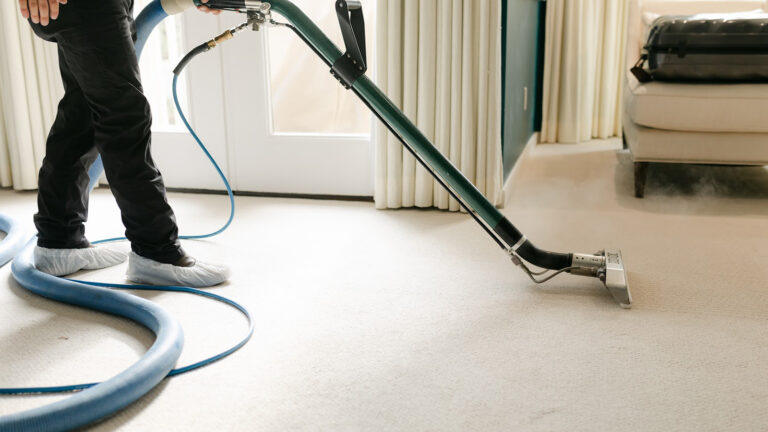
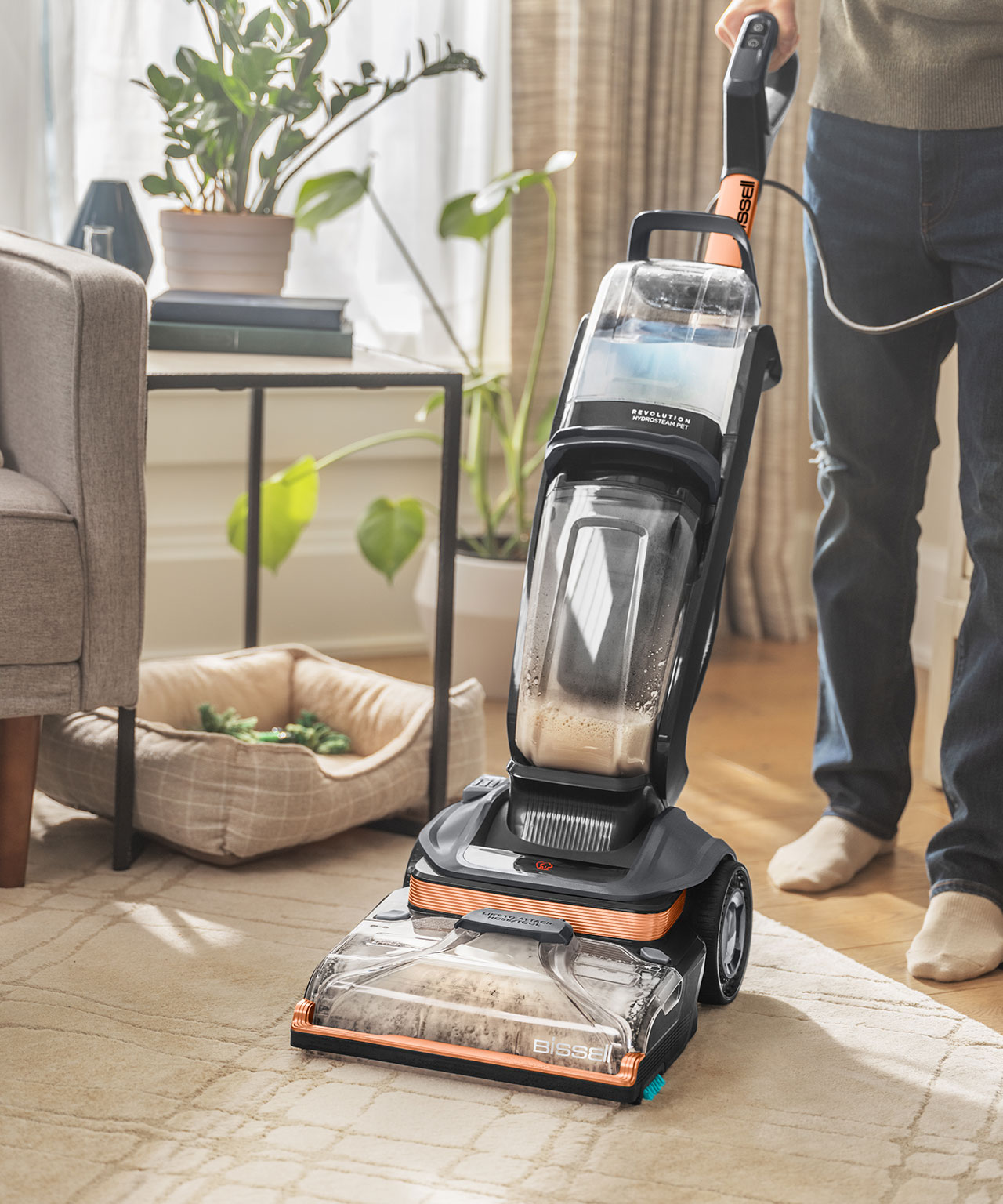
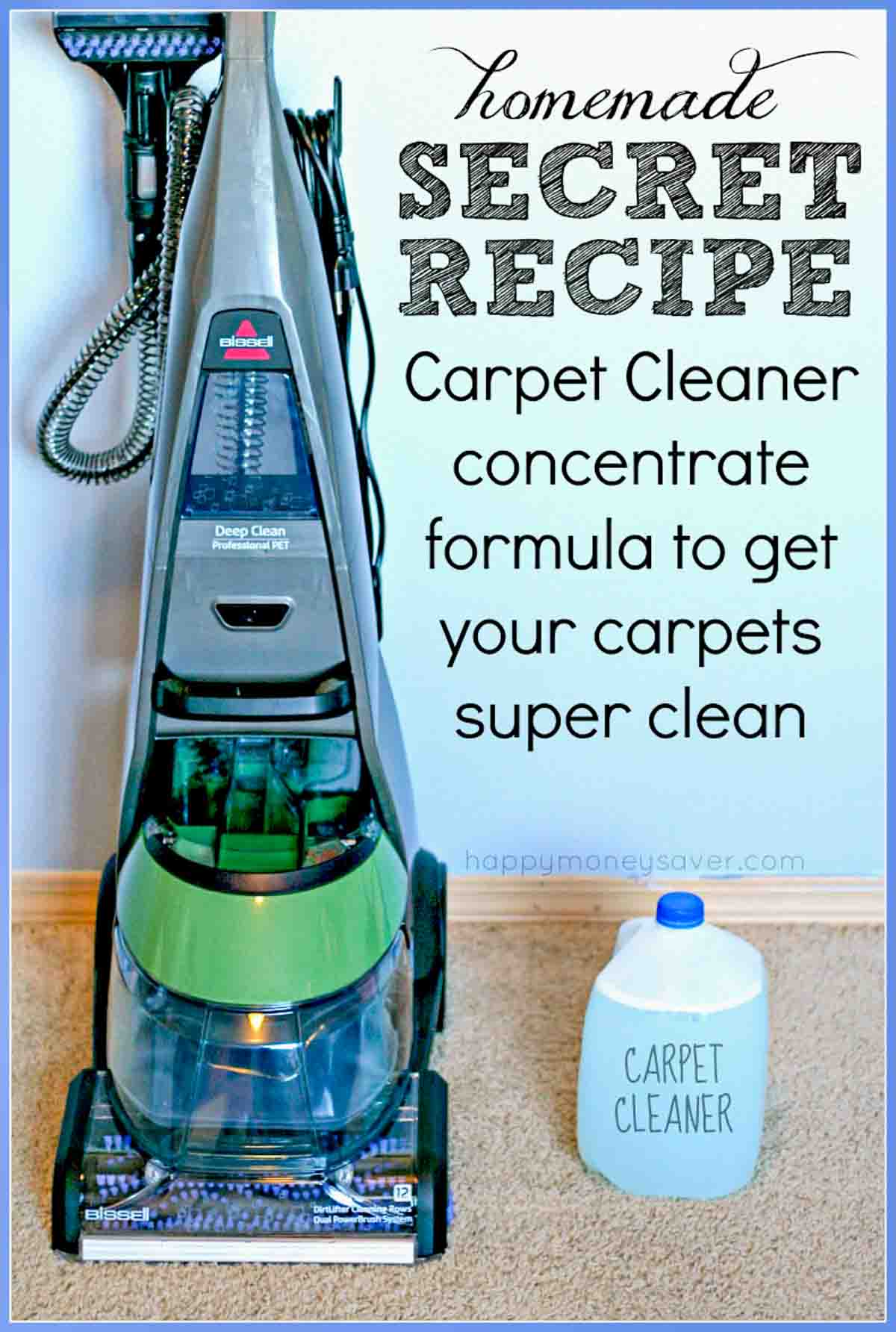
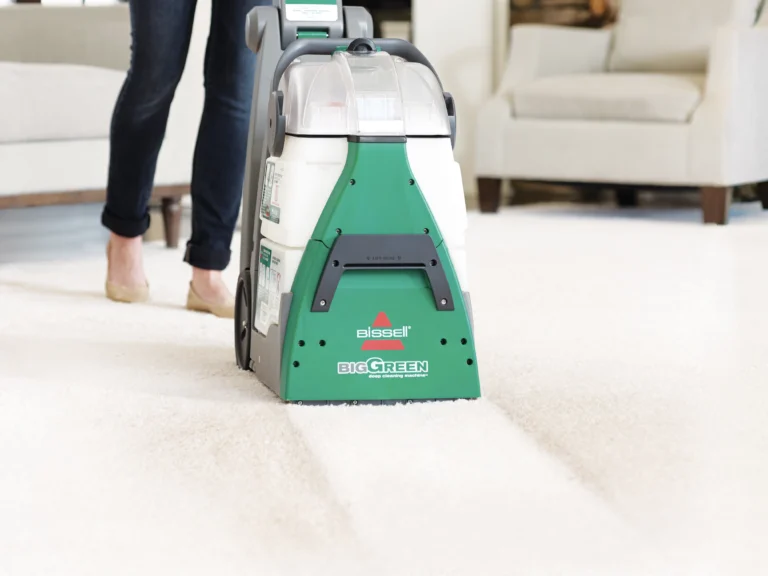
These are the big machines you push across the floor like a vacuum. They heat water internally and spray it deep into the carpet before sucking it back up. Most come with a clean water tank and a separate recovery tank for the dirty mix.
For these machines, you generally want a low-sudsing detergent. Regular dish soap creates mountains of bubbles that can leak out of seams and damage the motor. Many brands sell their own formulas, but generic options exist that work just as well.
Portable Spot Cleaners
These handheld units are great for stairs, car seats, and small accidents. They are simpler in design but more sensitive to thick liquids. A runny solution works best here because the nozzle is smaller and the suction is weaker.
Steam Cleaners
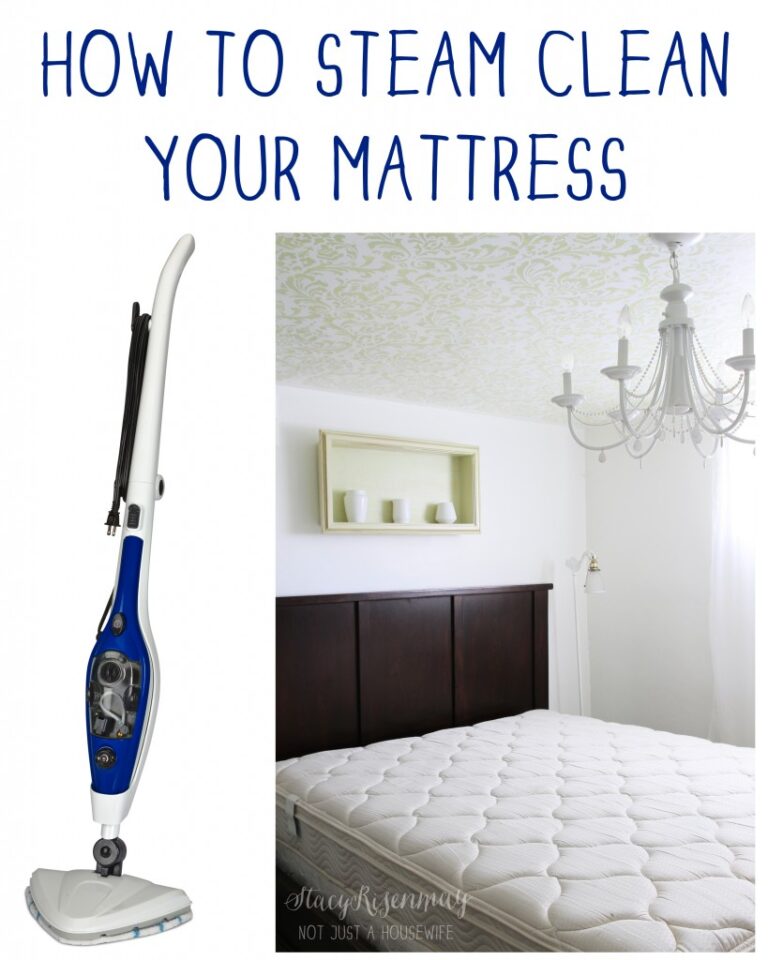
Steam cleaners use very little water and rely on high heat to sanitize. Many models actually warn against using any soap at all because the residue can bake onto internal parts. When soap is allowed, it must be heavily diluted.
DIY or Rental Machines
If you grabbed a machine from the grocery store for the day, the rules are simple. Use only what they recommend in the instructions. Rental companies often void your deposit if you use an unapproved formula because it damages their equipment for the next renter.
Knowing your machine is the first step to a good clean. The tank, the motor, and the warranty all depend on making the right choice from the start.
Best Ingredients to Put in a Carpet Cleaner
Not all cleaning solutions are created equal. Some are gentle and safe for kids and pets. Others are heavy duty and meant for tough stains. Let me break down the most common and effective options so you can pick the right one for your situation.
Hot Tap Water
Sometimes the simplest answer is the best one. Hot water alone can lift a surprising amount of dirt, especially if you pre-vacuum thoroughly. This is the safest choice for delicate carpets, natural fibers, or machines that warn against soap. It is also the cheapest route.
Distilled White Vinegar
Vinegar is a classic for a reason. It cuts through grime, neutralizes odors, and helps kill some bacteria. Mix one part vinegar to three parts hot water for a general clean. For pet stains or mildew smells, you can go stronger, but never pour straight vinegar into your machine because it can harm rubber seals over time.
Dish Soap (Dawn or Similar)
A tiny drop of grease cutting dish soap mixed with hot water can work wonders on greasy footprints or kitchen traffic lanes. The key word here is tiny. A single tablespoon per gallon is plenty. More than that and you risk foaming issues.
Baking Powder
This is not something you put in the tank. Instead, sprinkle it dry on the carpet before you clean. Let it sit for fifteen minutes to absorb odors, then vacuum. After your wet clean, you can sprinkle it again on the damp carpet to soak up moisture and fresh smells as it dries.
Hydrogen Peroxide
For blood, wine, or pet accidents, hydrogen peroxide is a lifesaver. Mix one part three percent peroxide with two parts water. Always do a spot test first because peroxide can bleach certain dyes. It is also important to use it fresh because old peroxide loses its power.
Commercial Carpet Detergent
These are formulated specifically for carpet extractors. They are low sudsing and rinse clean. Brands vary, but they usually cost between ten and thirty dollars per bottle. If you clean often or have a warranty to protect, this is the safest bet.
Enzyme Cleaners
If you have pets, enzyme cleaners are your best friend. They break down organic matter like urine, vomit, and feces at a molecular level. They continue working even after the carpet dries. Mix according to the label and use warm, not hot, water because extreme temperatures can kill the enzymes.
The right ingredient depends on your mess, your carpet type, and your machine. A simple vinegar mix handles most jobs, while a commercial detergent gives peace of mind for tougher challenges.
Solutions to Avoid in Your Carpet Cleaner
Just as important as knowing what to use is knowing what to keep far away from your machine. Some common household products can cause expensive damage or leave your carpet worse than before.
Bleach
Even diluted bleach can corrode metal parts, seals, and hoses inside your cleaner. It can also strip color from your carpet fibers. Save bleach for hard surfaces like tile or grout.
Fabric Softener
It might smell amazing, but fabric softener is designed to leave a coating behind. In a carpet cleaner, that coating builds up inside the machine and on your carpet, attracting more dirt over time.
Regular Laundry Detergent
It is tempting because you already have it under the sink, but laundry soap creates way too many suds. The foam can overflow, leak into the motor, and ruin suction power.
Ammonia
Ammonia is a strong cleaner, but mixing it with any bleach residue creates a dangerous gas. Even alone, it can damage carpet dyes and leave a harsh smell that lingers for days.
Oils or Solvents
Anything with oil, like furniture polish or paint thinner, can leave a flammable residue and destroy rubber parts. Keep these products out of your carpet machine entirely.
Steering clear of these troublemakers will keep your machine running smoothly for years and your carpets looking their best.
DIY Carpet Cleaner Recipes
If you like to mix your own solutions, there are a few trusted recipes that work well in most machines. Always test a small hidden area first, especially on dark or natural carpets.
Everyday Freshening Mix
You need two cups warm water, one tablespoon white vinegar, and one teaspoon dish soap. Mix gently to avoid making bubbles. Pour into the clean water tank. This works well for high traffic areas and routine cleaning.
Pet Stain and Accident Mix
Grab one cup warm water, one cup white vinegar, and two teaspoons baking soda. Mix the water and vinegar first, then add the soda slowly. Let the fizz settle before pouring into the tank. The combination neutralizes odor and breaks down stains. Follow up with an enzyme spray if the smell persists.
Heavy Duty Grease Mix
Take one gallon hot water, one tablespoon dish soap, and one quarter cup rubbing alcohol. The alcohol helps cut through oily footprints and ink. Use sparingly on delicate fibers.
Natural Fresh Scent Mix
Combine two cups water, one half cup vinegar, and ten drops of your favorite essential oil like lavender or lemon. The oil is optional and just for smell. Make sure the oil is pure and not a synthetic blend that could stain.
These DIY options save money and let you control the ingredients. They are perfect if you have allergies or want to avoid harsh chemicals around kids and pets.
Tips for Using Your Carpet Cleaner Effectively
Even the perfect solution will not help if you use the machine wrong. I learned this the hard way when I left a carpet too wet and it grew a patch of mildew. Save yourself the trouble with these simple steps.
Vacuum First
Always run a thorough vacuum before you bring out the carpet cleaner. Loose debris turns into mud when wet and clogs the machine faster.
Pre-Treat Stains
Spray a stain remover on tough spots and let it sit for five to ten minutes. This gives the cleaner a head start and often removes the stain entirely without extra passes.
Use Hot Water
If your machine has a heater, use it. Hot water breaks down grease and grime faster than cold. If not, fill the tank with the hottest tap water you can get.
Go Slow
Pull the trigger and push the machine forward slowly, then pull back slowly while releasing the trigger to suck up the water. Rushing leaves the carpet too wet and dirty.
Make Multiple Dry Passes
After cleaning, go back over the area with just suction mode to pull out as much moisture as possible. The less water left behind, the faster it dries.
Air It Out
Open windows, turn on fans, or run the air conditioner. Carpets dry fastest with good airflow. Avoid walking on them until they are fully dry to prevent resoiling.
Clean the Machine After
Empty the recovery tank, rinse the clean tank, and run clear water through the hoses. This prevents mold and keeps the machine ready for next time.
Good habits make a big difference. Your carpets will look better, your machine will last longer, and you will avoid the musty smell that comes from leftover residue.
Carpet Type Considerations
Not every carpet is the same. The material matters as much as the stain when picking your cleaner.
Nylon and Polyester
These synthetic fibers are tough and can handle most solutions, including vinegar mixes and commercial detergents. They resist stains well, but they can hold onto oily residues if you use too much soap.
Wool
Wool is delicate. Avoid hot water over one hundred and forty degrees, harsh chemicals, and any bleach. Use a wool safe detergent or just steam with water. Always test first.
Cotton
Cotton carpets are soft but absorb water easily. Use less liquid and more dry passes. Vinegar works well, but skip the hydrogen peroxide because it can yellow over time.
Berber or Loop Pile
These carpets snag easily. Avoid any tool with harsh brushes. Use a gentle solution and a wand with smooth nozzles. Too much foam can also be hard to extract from low pile loops.
Carpet with Stain Protector
If your carpet has a factory or applied stain treatment, stick to mild solutions. Harsh chemicals can strip the protector and void the warranty.
Knowing your carpet fiber helps you avoid damage and keeps your floors looking new for years.

Safety Precautions and Best Practices
Cleaning is satisfying, but it comes with some real risks if you rush. Keep these tips in mind to stay safe and get the best results.
Ventilate the Room
Some solutions have strong fumes. Open windows and run a fan, especially if you are sensitive to smells or have asthma.
Keep Kids and Pets Away
Wet carpet and curious paws or hands do not mix. Keep everyone off the carpet until it is fully dry, usually six to eight hours.
Wear Gloves
Even mild solutions can dry out your skin. A pair of rubber gloves keeps your hands comfortable during longer sessions.
Check for Colorfastness
Always spot test in a closet or under furniture. Some dyes bleed when wet, and you want to know before you cover the whole living room.
Follow Machine Instructions
The manual knows your model best. Read it once before your first clean, especially the part about which solutions are approved.
Store Solutions Safely
Keep your mixed solutions out of reach of children and pets. Label any bottles so you do not mistake your cleaner for drinking water later.
Safety is not just about avoiding injury. It is also about protecting your home, your family, and your investment in good flooring.

Frequently Asked Questions
Can I use vinegar in my carpet cleaner every time?
Vinegar is safe for occasional use in most machines. If you clean weekly, alternate with a low sudsing commercial detergent to prevent buildup on internal seals.
What is the best homemade carpet cleaning solution?
A mix of warm water, white vinegar, and a small drop of dish soap handles most jobs. It is cheap, safe, and effective for routine cleaning.
Is it okay to use laundry detergent in a carpet cleaner?
No. Laundry detergent creates too many suds for carpet extractors. It can overflow the tank, clog the hoses, and damage the motor.
How much soap should I use in my carpet cleaner?
Less is more. One tablespoon of dish soap per gallon of water is plenty. For commercial detergents, always follow the directions on the bottle.
Can I put bleach in my carpet cleaner to kill germs?
Avoid bleach in carpet machines. It can damage seals, hoses, and internal parts. If you need to disinfect, use a carpet safe spray after cleaning or choose an enzyme cleaner for pet areas.
Conclusion
Choosing what to put in a carpet cleaner does not have to be complicated. For most households, a simple mix of hot water and a small amount of vinegar or a trusted commercial detergent will lift dirt, remove stains, and leave your home smelling fresh. The key is matching the solution to your machine, your carpet type, and the mess at hand. Start with the gentlest option and work your way up only if needed. Always do a spot test, keep the room ventilated, and give the carpet plenty of time to dry.
Now that you know the basics, give your carpets the deep clean they deserve. Try one of the DIY recipes on a small section and see the difference for yourself. If you have a favorite mix or a stubborn stain story, share it in the comments below. Your next cleaning day might just become your favorite day.