How Cleaning Home Can Prevent Illness: Top 2026 Tips
A clean home is one of the most powerful ways to lower your chances of getting sick. It cuts down on germs, allergens, and irritants that trigger infections, asthma, and other health problems. Understanding how cleaning your home can prevent illness helps you build habits that protect your whole family every day.
I've spent years working with homeowners, healthcare workers, and cleaning pros, and one thing always stands out: the homes where people stay healthiest are the ones that get cleaned the right way, not just the most. It's not about scrubbing nonstop. It's about knowing what to clean, how often, and why it matters. Once you see the connection between a tidy space and a strong immune system, you never look at your mop the same way again.
The Hidden Health Risks Inside Your Home
Most people think of their home as a safe place, and it should be. But the truth is, the air inside your house can be two to five times more polluted than the air outside, according to indoor air quality studies. Dust, pet dander, mold spores, bacteria, and viruses all collect on the surfaces you touch every single day. When you breathe them in or touch your face after grabbing a doorknob, you give those germs a free ride into your body.
Think about your kitchen counter, your phone screen, or the bathroom faucet. These spots are warm, sometimes moist, and full of organic matter. That's a perfect home for germs. If you skip cleaning them, you're basically hosting a party for bacteria and viruses. Over time, that exposure adds up. Your immune system stays on high alert, and you end up catching every cold that goes around.
I remember one winter when my family kept passing the same flu bug back and forth. We cleaned, but not deeply. Once I started paying attention to the small stuff, like light switches and remote controls, the cycle finally broke. That experience taught me that cleaning is not just about looks. It's about breaking the chain of infection right where it lives.
How Germs Spread Through Your Living Space
Germs don't just appear out of nowhere. They hitch a ride on hands, shoes, pets, and even your clothes. Once they land on a surface, they can live there for hours or even days. The flu virus can survive on hard surfaces for up to 48 hours. Staph and E. coli can last even longer in the right conditions.
When someone in your house sneezes, tiny droplets land on nearby surfaces. If you touch that spot and then rub your eye or bite your nail, you transfer those germs straight into your body. Kids are especially good at this. They touch everything, then put their hands in their mouths. That's why families with young children often see more colds. It's not just bad luck. It's a sign that cleaning habits need to step up.
Regular cleaning interrupts this cycle. It removes the germs before they can find a new host. It's like taking away the bridge before the enemy can cross. This is one of the simplest and most effective ways to stop illness from spreading, and it works every time you do it right.
High-Touch Surfaces You Should Never Ignore
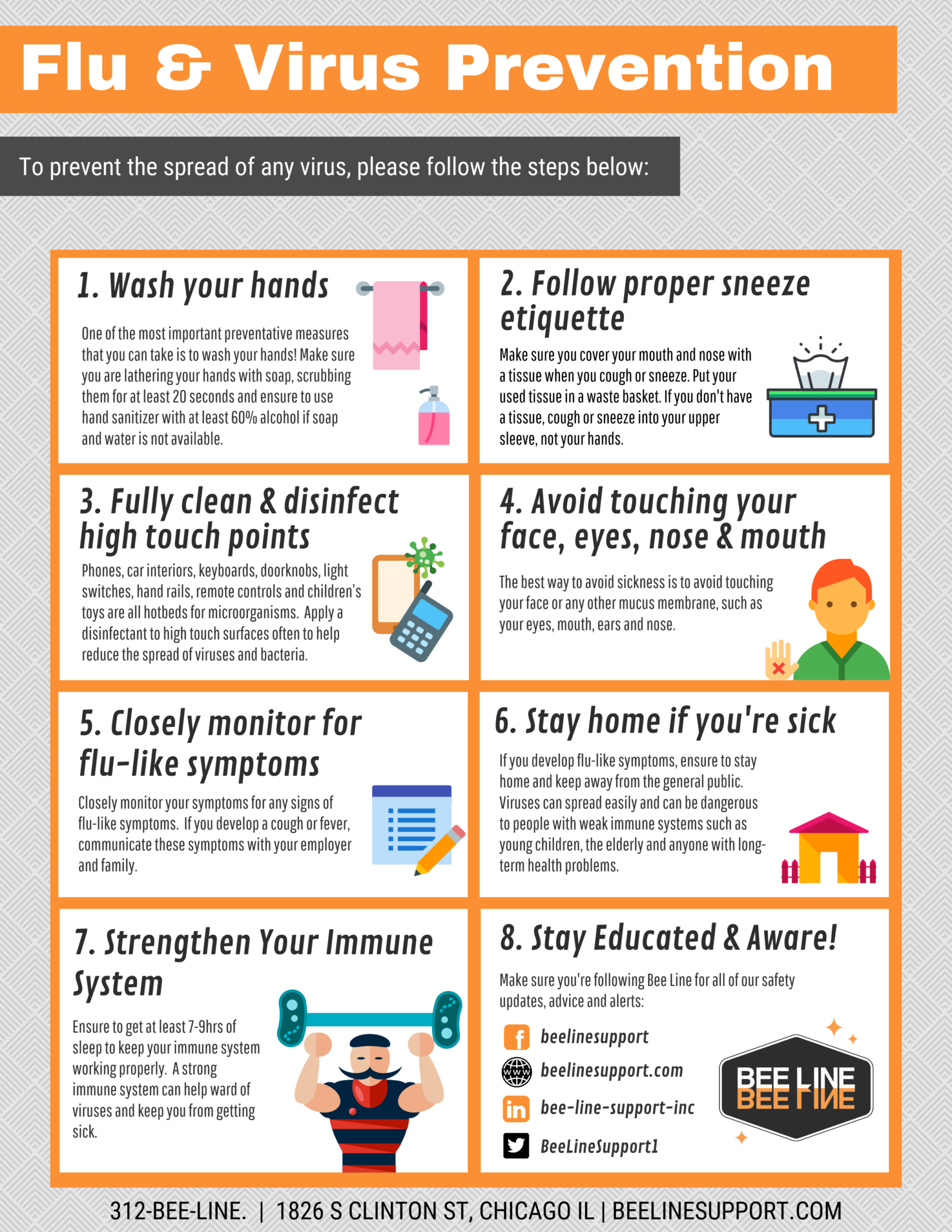
Some spots in your home get touched way more than others, and they deserve extra attention. If you only have time to clean a few things, focus on these high-touch zones first. They are the biggest culprits when it comes to spreading germs.
- Doorknobs and handles, including cabinets, drawers, and appliances
- Light switches and outlet covers
- Faucet handles and toilet flush levers
- Remote controls, game controllers, and phone screens
- Kitchen sponges and dish towels, which can grow bacteria fast
- Stair railings and bannisters
- Keys, wallets, and purses that get set on counters
I keep a small basket by the door for keys and wallets. It keeps them off the counters and reminds everyone to wipe them down once a week. Little systems like that make a big difference over time. You don't need to be perfect. You just need to be consistent with the spots that matter most.
The Right Way to Disinfect Your Home
Cleaning and disinfecting are not the same thing, and knowing the difference can change your results. Cleaning removes dirt and some germs. Disinfecting actually kills germs using chemicals or special solutions. For the best protection, you want to do both, especially during cold and flu season.
Start by washing surfaces with soap and water to remove grime. Then apply a disinfectant that is approved to kill viruses and bacteria. Common options include diluted bleach, hydrogen peroxide, or products with at least 70 percent alcohol. Always follow the directions on the label. Let the product sit for the full recommended time, usually three to five minutes, so it can do its job.
Avoid mixing cleaners, especially bleach and ammonia, because they create toxic fumes. Open windows when you use strong products, and wear gloves to protect your skin. If you prefer natural options, white vinegar and tea tree oil can help with some germs, though they may not be as strong as commercial disinfectants for serious illness prevention.
How a Clean Home Supports Your Immune System
Your immune system is your body's defense team, and a clean home gives it a fighting chance. When your space is full of allergens like dust mites, mold, and pet dander, your body spends energy fighting those irritants. That leaves fewer resources to handle real threats like viruses and bacteria.
A clean home also lowers stress. Clutter and mess can raise cortisol levels, which weakens your immune response over time. When your space is calm and organized, you sleep better, breathe easier, and feel more in control. All of that adds up to a stronger, more resilient body that can fight off bugs before they make you sick.
I noticed this in my own life. During a stressful work year, I let cleaning slip. I caught three colds in four months. Once I got back on track with a simple cleaning routine, I stayed healthy through the next winter. It wasn't a coincidence. It was a clear sign that my environment was directly affecting my health.
The Role of Indoor Air Quality in Preventing Illness
The air you breathe indoors matters just as much as the surfaces you touch. Poor air quality can trigger asthma, allergies, and respiratory infections. Dust, mold, smoke, and chemical fumes all circulate through your home's air system. If you don't manage them, they build up and make you more vulnerable to getting sick.
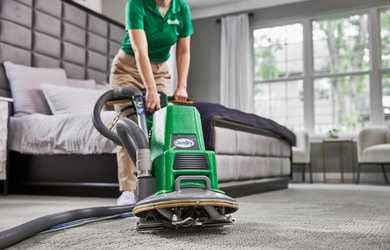
Vacuuming with a HEPA filter traps tiny particles that regular vacuums leave behind. Changing HVAC filters every one to three months keeps your system running clean. Opening windows for even ten minutes a day brings in fresh air and pushes out stale, germ-filled air. Using exhaust fans in the kitchen and bathroom removes moisture that leads to mold growth.
Adding a few houseplants can also help. Spider plants, peace lilies, and snake plants naturally filter the air. Just be careful not to overwater them, because damp soil can grow mold. A small air purifier in your bedroom can make a big difference if you suffer from allergies or asthma.
Kitchen and Bathroom: The Germ Hotspots
Two rooms in your home demand the most attention when it comes to illness prevention. The kitchen is where you prepare food, so any germs there can end up in your stomach. The bathroom is warm and moist, which is a paradise for bacteria and mold. Keeping these spaces clean is non-negotiable if you want to stay healthy.
In the kitchen, wipe down counters after every meal. Wash dish towels and sponges often, or replace them weekly. Clean the inside of your fridge every month to prevent mold on old food. Sanitize the sink and faucet handles daily. Don't forget the handles on your oven, microwave, and fridge, because they get touched constantly.
In the bathroom, scrub the toilet, sink, and tub at least once a week. Wash bath mats and hand towels in hot water. Keep the shower curtain clean and spread out so it can dry. Empty trash bins often, and never let wet towels pile up on the floor. A few minutes of daily upkeep prevents big problems later.
Building a Simple Cleaning Routine That Sticks
You don't need to clean your entire house every day to stay healthy. A simple, consistent routine works better than a rare deep clean that leaves you exhausted. The goal is to make small efforts part of your regular life so germs never get a chance to build up.
Try this easy plan to keep your home a healthy place without burning out.
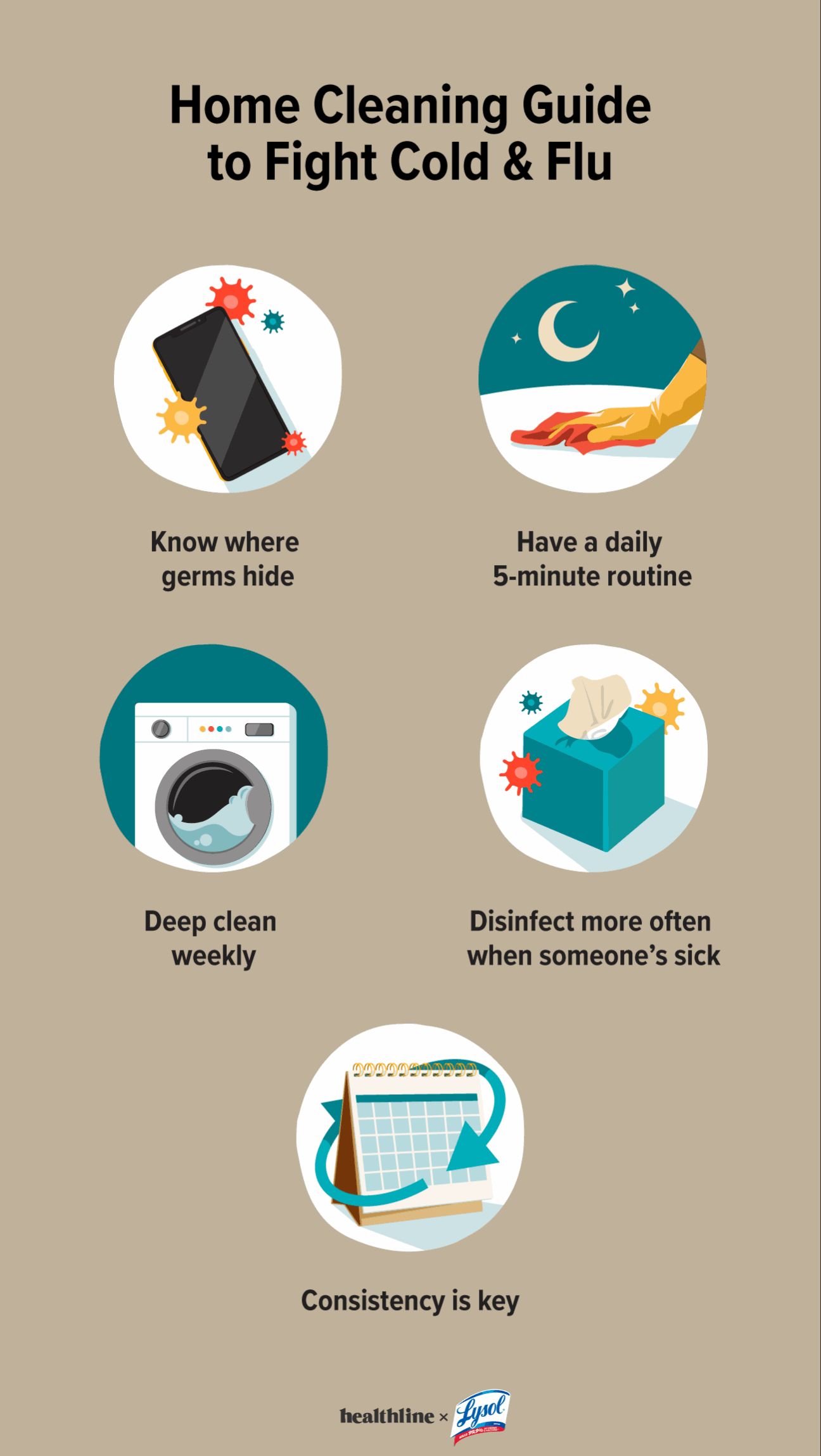
- Every day, wipe kitchen counters, sweep high-traffic floors, and do a quick bathroom tidy.
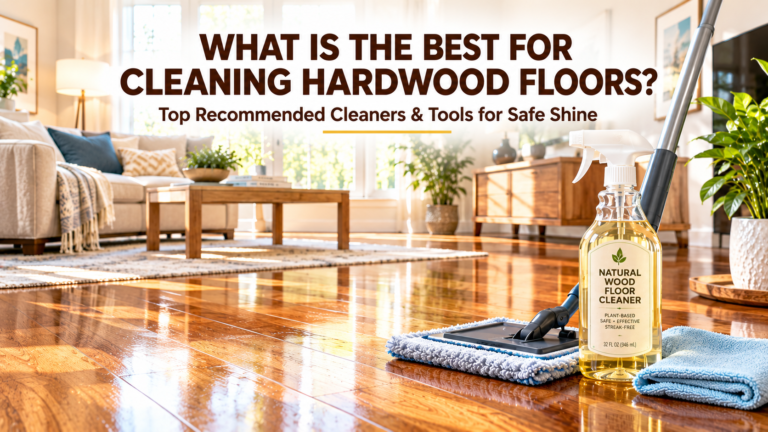
- Every week, vacuum all floors, mop hard surfaces, clean bathrooms, and dust shelves.
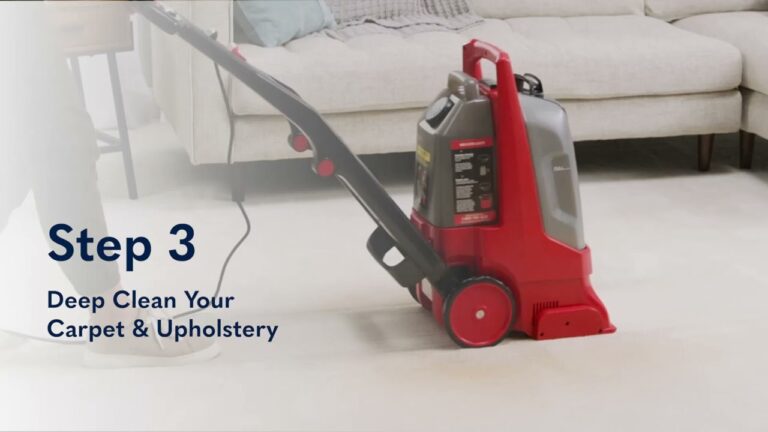
- Every month, deep clean appliances, wash windows, and rotate or wash blankets and pillows.
- Every season, wash curtains, clean behind furniture, and check for mold or leaks.
Pick a day that works for you and stick with it. I do my big clean on Saturday mornings. I play music, pour some coffee, and just get it done. The rest of the week is just quick touch-ups. That rhythm keeps my home healthy and my stress low.
Common Cleaning Mistakes That Can Make You Sick
Even with the best intentions, some cleaning habits can actually spread germs instead of removing them. Using the same rag for the whole house is a big one. You wipe a dirty counter, then use that same rag on your dining table. Now your table has more germs than it did before.
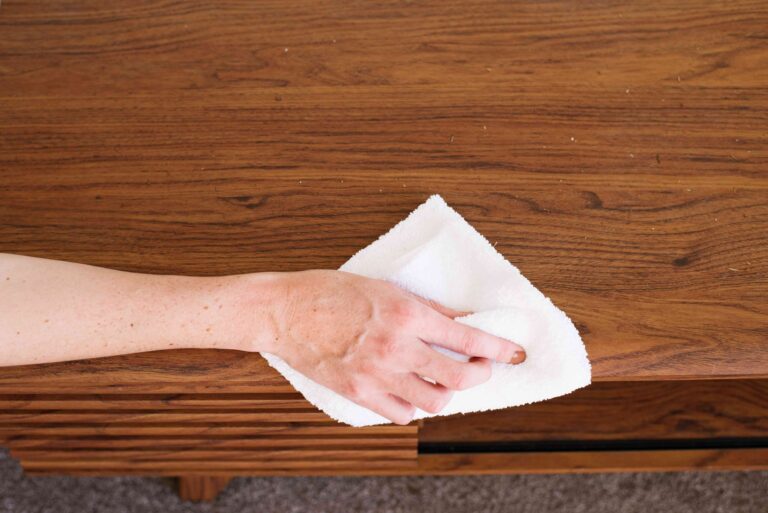
Another mistake is using too much water when dusting. Wet dust sticks to surfaces and creates a paste that attracts more dirt. A slightly damp microfiber cloth is best. Also, don't forget to clean your cleaning tools. A dirty mop head or vacuum filter just pushes dust back into the air.
Skipping hand washing while cleaning is also risky. You handle dirty rags and then touch your face or phone. Always wash your hands before and after cleaning, especially if someone in your home is already sick. Small changes in your method can make your efforts much more effective.
How to Clean When Someone in Your Home Is Already Sick
When illness hits your house, cleaning needs to shift into high gear. Focus on stopping the spread rather than deep cleaning every corner. Start by giving the sick person their own room and bathroom if possible. This creates a barrier that protects everyone else.
Clean and disinfect high-touch surfaces at least once a day while someone is ill. Use gloves and wash your hands right after removing them. Wash the sick person's bedding in hot water and dry it on high heat. Don't forget to clean their phone, remote, and water glasses. These items are covered in germs.
Once everyone is well, do a full deep clean of the house. This resets your space and gets rid of any lingering germs. I always do this after a cold goes through my home, and it gives me peace of mind that we're starting fresh. It's a small effort that pays off in fewer sick days down the road.
Natural and Eco-Friendly Cleaning Tips for a Healthier Home
You don't always need harsh chemicals to keep your home germ-free. Many natural ingredients work well for everyday cleaning and are safer for kids, pets, and people with allergies. White vinegar is a classic all-purpose cleaner that cuts grease and kills some bacteria. Baking soda scrubs surfaces and absorbs odors.
Lemon juice adds a fresh scent and has mild antibacterial properties. Tea tree oil mixed with water makes a great natural disinfectant for small jobs. Castile soap is gentle but effective for floors and counters. These options reduce your exposure to strong fumes while still keeping your home clean.
The key is knowing what each product can and cannot do. Natural cleaners are great for maintenance, but during flu season or when someone is sick, you may want to bring out the stronger stuff. It's all about balance. Use what works best for your family's needs and comfort level.
Frequently Asked Questions
How often should I clean to prevent getting sick?
You should do light cleaning daily, such as wiping counters and sweeping floors, and a deeper clean once a week. Focus on high-touch surfaces every day, especially during cold and flu season, to lower the chance of spreading germs.
Can cleaning really stop the flu from spreading?
Yes, regular cleaning and disinfecting remove flu viruses from surfaces before they infect someone else. Combined with hand washing and avoiding touching your face, it dramatically reduces the spread of illness in your home.
What is the best natural cleaner for killing germs?
White vinegar and tea tree oil are popular natural options with mild antibacterial effects. However, for serious viruses like the flu, EPA-approved disinfectants or diluted bleach are more reliable and recommended by health experts.
Is it safe to use bleach every day for cleaning?
Using bleach daily is not recommended because it can irritate your skin, eyes, and lungs. Save it for times when someone is sick or during high-risk periods. For daily cleaning, mild soap and water or natural cleaners are safer and still effective.
Does vacuuming help prevent allergies and illness?
Yes, vacuuming with a HEPA filter removes dust, pet dander, and pollen that trigger allergies and weaken your immune system. Aim to vacuum at least twice a week to keep indoor air clean and reduce your risk of getting sick.
The Lasting Benefits of a Clean and Healthy Home
A clean home is more than just a nice place to live. It is a foundation for better health, stronger immunity, and a calmer mind. When you remove the buildup of germs, allergens, and clutter, you give your body the space it needs to thrive. The small efforts you put in each day add up to fewer sick days, better sleep, and more energy for the things you love.
Start with one room, one surface, or one habit. Maybe it's wiping your phone screen every night or doing a quick bathroom clean each morning. These tiny actions build momentum. Before you know it, cleaning becomes less of a chore and more of a lifestyle that protects everyone who walks through your door.
If this guide helped you see cleaning in a new light, share it with a friend or family member who could use a healthier home. Leave a comment below with your best cleaning tip, and let's build a community that values wellness from the inside out.