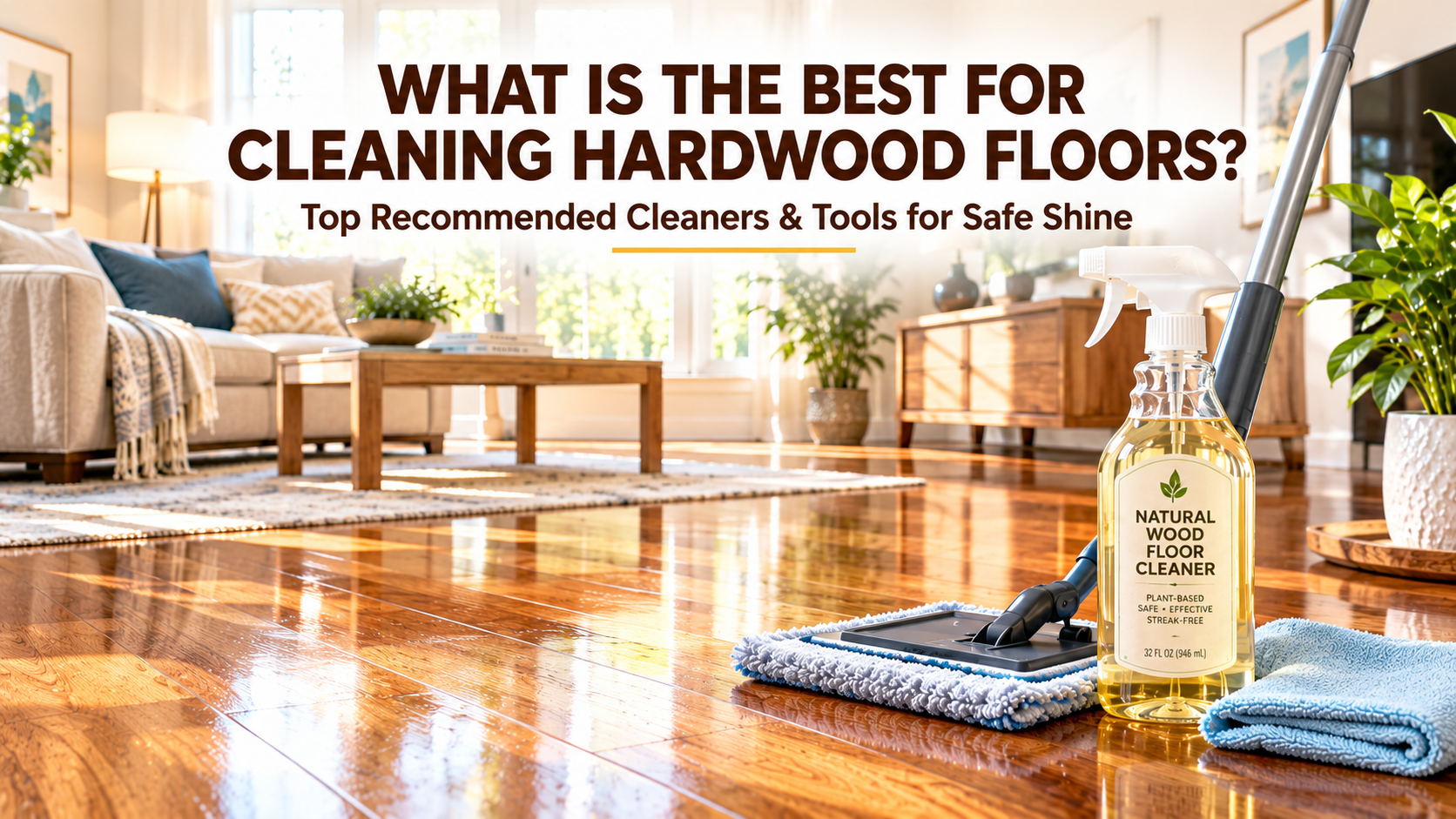
What Is The Best For Cleaning Hardwood Floors: Easy Guide
The best way to clean hardwood floors is with a microfiber mop and a gentle, pH-neutral hardwood floor cleaner, using just a damp—not wet—mop to prevent moisture from seeping into the wood.
If you've ever watched a beautiful hardwood floor lose its shine because of the wrong cleaning product, you know how frustrating it can be. I learned this the hard way in my first apartment, where I used a steam mop on my oak floors and ended up with dull, warped boards within months. Since then, I've spent years testing different methods, talking to flooring experts, and refining my routine to keep hardwood floors looking gorgeous without damaging them. Let me walk you through everything you need to know to clean your hardwood floors the right way.

Why Cleaning Hardwood Floors the Right Way Matters
Hardwood floors are a big investment. They add warmth, character, and value to your home. But they're also surprisingly delicate. The wrong cleaning approach can strip the finish, leave streaks, or even cause permanent water damage. I remember helping a friend who used vinegar and water on her floors "because it's natural." Within weeks, the finish started clouding and the wood turned grayish in spots.
The truth is, hardwood floors need gentle care. They're sealed with a protective finish, but that finish wears down over time, especially with harsh chemicals or too much water. Once the seal is compromised, the wood underneath is vulnerable. That's why understanding the right cleaning method isn't just about appearance—it's about preserving your floor for decades.
What Is the Best Way to Clean Hardwood Floors Daily
For everyday maintenance, less is more. Dust and dirt act like sandpaper underfoot, gradually scratching the surface. The goal is to remove that grit without adding moisture.
Here's my go-to daily routine:
- Use a microfiber dust mop to gently pick up dust, pet hair, and crumbs. Microfiber attracts particles instead of just pushing them around.
- Sweep with a soft-bristle broom if you don't have a microfiber mop, working in the direction of the wood grain.
- Vacuum once or twice a week using a hardwood floor attachment. Never use a beater bar—it can dent and scratch the wood.
- Spot clean spills immediately with a dry or slightly damp cloth. The longer liquid sits, the more it penetrates.
I keep a microfiber mop tucked behind my door for quick touch-ups. It takes less than five minutes and makes a huge difference in how the floors look and feel.
The Best Cleaning Solution for Hardwood Floors
When it's time for a deeper clean, you need a cleaner that's effective yet gentle. After testing dozens of products, I can tell you that pH-neutral hardwood floor cleaners are the gold standard.
Look for these qualities in a cleaner:
- pH-balanced and specifically formulated for hardwood
- No wax, oil, or silicone additives that can build up
- Quick-drying formula to minimize moisture exposure
- Streak-free finish that doesn't require rinsing
Some trusted brands include Bona Hardwood Floor Cleaner, Method Squirt + Mop, and Bruce Hardwood & Laminate Floor Cleaner. I've used Bona for years, and it consistently leaves a beautiful, natural look without any residue.
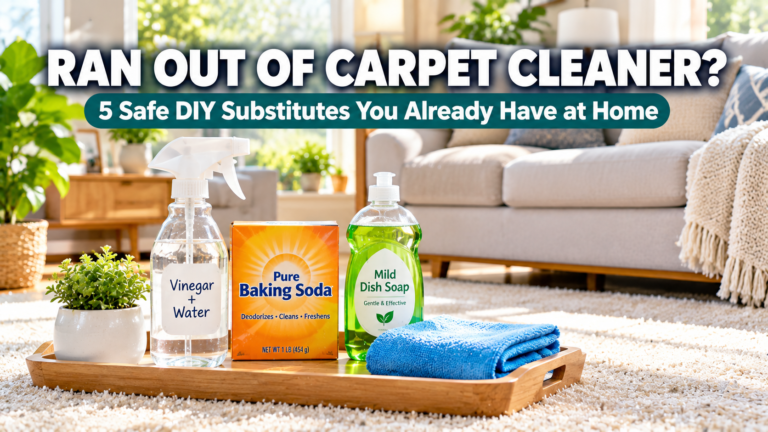
If you prefer a DIY solution, mix about 1/4 cup of gentle dish soap (like Dawn) into a gallon of warm water. But use this sparingly—no more than once a month—because even mild soap can dull the finish over time. Whatever you do, avoid vinegar, ammonia, or bleach. These acidic or harsh substances can etch the finish and damage the wood.
Step-by-Step Guide to Deep Cleaning Hardwood Floors
Sometimes your floors need more than a dry mop. Every few weeks, I do a deeper clean that really refreshes the wood.
Follow these steps for a safe, effective deep clean:
- Dust or vacuum thoroughly first. You don't want to rub dirt into the wet surface.
- Mix your cleaning solution according to the label, or prepare your DIY mix.
- Dampen a microfiber mop or cloth—wring it out thoroughly. The mop should feel barely moist, not dripping.
- Mop in the direction of the wood grain, not against it. This helps prevent streaking and ensures even cleaning.
- Work in small sections, rinsing the mop frequently in clean water.
- Dry the floor immediately with a clean, dry microfiber cloth or allow good air circulation to dry it quickly.
- Avoid walking on the floor until it's completely dry to prevent slips and scuffs.
When I do this, I always open windows for ventilation. It helps the floor dry faster and prevents any chemical smell from lingering.
Tools You Should Never Use on Hardwood Floors
Some cleaning tools are simply too aggressive for hardwood. I've seen the damage they cause, and it's heartbreaking.
Avoid these tools at all costs:
- Steam mops: The heat and moisture penetrate the finish and can warp boards, especially engineered hardwood.
- Wet mops or string mops: They hold too much water and leave puddles that damage the wood.
- Abrasive scrubbers like steel wool or rough sponges: These scratch the finish permanently.
- Vacuum beater bars: They can dent the wood and fling debris.
- Wax-based cleaners on urethane-finished floors: They create a hazy buildup that's hard to remove.
A client once asked me to fix the cloudy residue on her floors, and it turned out she'd been using a wax polish meant for older floors. It took professional buffing to restore the surface. Save yourself the trouble by using only soft, non-abrasive tools.
Common Mistakes That Damage Hardwood Floors
Even with the best intentions, people make mistakes that shorten the life of their hardwood floors.
Watch out for these pitfalls:
- Using too much water: Even small amounts can cause swelling, cupping, and discoloration over time.
- Cleaning with the wrong products: Multi-surface cleaners, vinegar, or ammonia can break down the protective finish.
- Skipping regular dusting: Grit accumulates and scratches the floor every time you walk on it.
- Ignoring manufacturer instructions: Different finishes (urethane, wax, oil) require different care approaches.
- Not using furniture pads: Chairs and tables scratch floors when moved. Felt pads are a cheap, easy fix.
I learned the water lesson the expensive way. A small leak under my kitchen sink went unnoticed for days, and the nearby boards cupped and darkened. Now I check for leaks religiously and never leave wet boots or umbrellas on the wood.
How Often Should You Clean Hardwood Floors
Consistency matters more than intensity. Here's a simple schedule that keeps floors looking their best:
- Daily: Dry mop or sweep high-traffic areas.
- Weekly: Vacuum thoroughly, including under furniture.
- Monthly: Deep clean with a damp microfiber mop and pH-neutral cleaner.
- Every 2-3 years: Consider professional cleaning or re-coating if the finish looks dull.
This rhythm prevents the need for heavy, risky cleaning and keeps your floors in showroom condition.
Special Considerations for Different Hardwood Finishes
Not all hardwood floors are created equal. The finish determines how you should care for it.
- Surface-sealed polyurethane: The most durable and easiest to maintain. Use water-based cleaners and dry methods.
- Wax-finished floors: Need gentle cleaning and occasional re-waxing. Avoid water-based products that can spot the wax.
- Oil-finished floors: Require special oils and soaps to maintain the protective layer. They develop a beautiful patina but need more frequent care.
- Engineered hardwood: Has a thin wood veneer over plywood. Never use excessive water, as it can delaminate the layers.
If you're unsure what finish you have, test in a hidden corner. Place a few drops of water on the floor. If it beads up, it's likely sealed. If it soaks in within a few minutes, the finish may be worn or penetrating.
Eco-Friendly and Natural Cleaning Options
If you prefer green cleaning, there are safe options for hardwood. Look for plant-based, biodegradable formulas free of harsh chemicals. Brands like Better Life and Mrs. Meyer's make effective, non-toxic options.
For a homemade solution, you can use a very dilute mix of castile soap and water, but again, use it sparingly and make sure the mop is well-wrung. Always prioritize pH neutrality—acidic or alkaline solutions can damage the finish over time.

Frequently Asked Questions About Cleaning Hardwood Floors
Can I use vinegar to clean hardwood floors?
No, vinegar is acidic and can break down the protective finish on hardwood floors over time, leaving them dull and susceptible to damage. Stick to pH-neutral cleaners specifically designed for hardwood.
How do I remove sticky residue from hardwood floors?
Dampen a microfiber cloth with a small amount of hardwood floor cleaner and gently rub the spot. For stubborn residue, use a cloth barely dampened with rubbing alcohol, but test in an inconspicuous spot first.
What's the best mop for hardwood floors?
A flat microfiber mop is ideal. It picks up dust effectively, applies cleaning solution evenly, and doesn't hold excess water. Avoid sponge mops, which can drip and leave streaks.
Are Swiffer mops safe for hardwood floors?
Swiffer Sweeper dry cloths are safe for daily dusting. However, the wet pads may contain cleaning agents that can dull some finishes over time. Check the ingredients and use sparingly, or opt for a pH-neutral alternative.
How can I make my hardwood floors shine without wax?
Use a microfiber mop with a hardwood-specific cleaner and dry the floor immediately. For extra shine, buff with a clean, dry microfiber cloth after cleaning. Avoid wax unless your floor has a wax finish.
Can I use a steam mop on hardwood floors?
No, steam mops force hot moisture into the wood and under the finish, causing warping, swelling, and clouding. They can also void your floor's warranty.
Caring for Hardwood Floors With Confidence
Cleaning hardwood floors doesn't have to be complicated. With the right tools—a good microfiber mop, a pH-neutral cleaner, and a gentle touch—you can keep your floors beautiful for generations. Remember to dust regularly, clean sparingly with minimal moisture, and avoid harsh chemicals or abrasive tools.
Think of your hardwood floors like a beautiful piece of furniture. They need consistent, gentle care to maintain their character and warmth. Once you find your rhythm, the routine becomes second nature, and you'll enjoy that gorgeous, natural glow every day.
If you found these tips helpful, feel free to share your own cleaning routine or questions in the comments below. I'd love to hear what's worked for you.