What Is Ph Neutral Floor Cleaner: Complete Guide
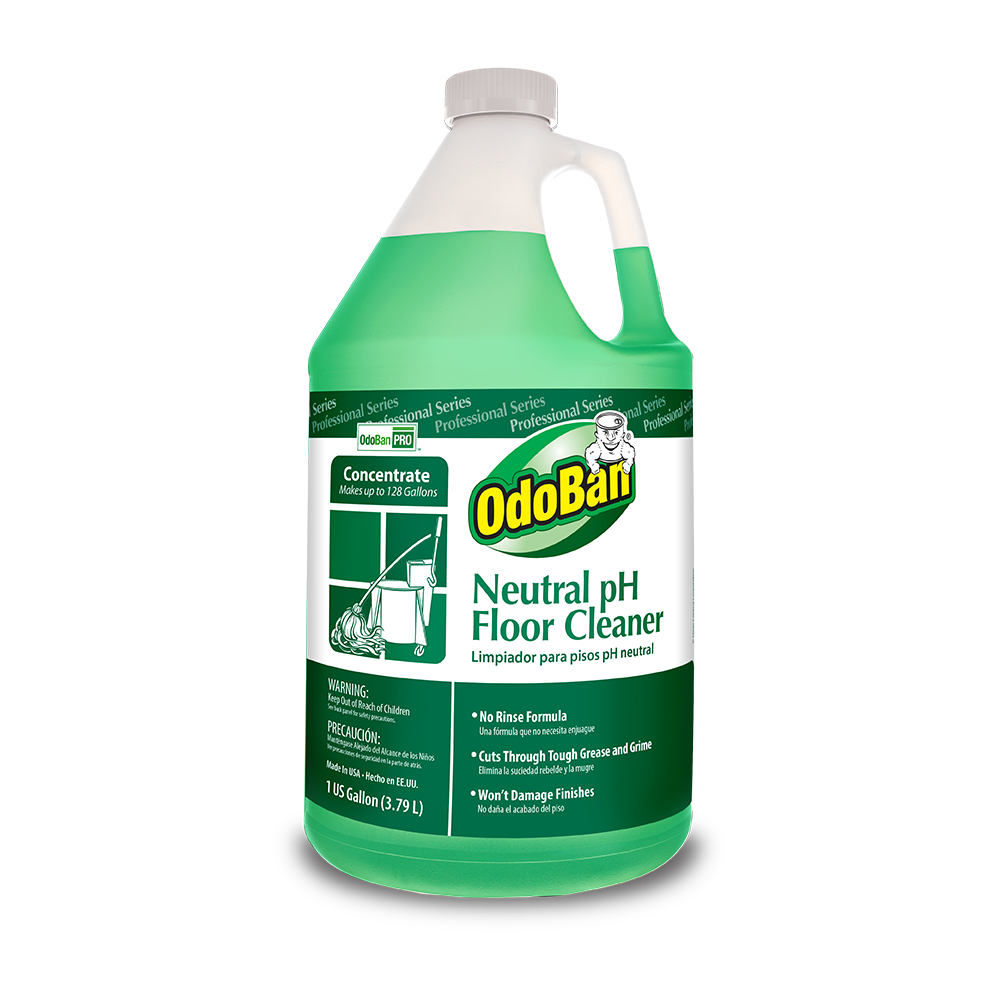
A pH neutral floor cleaner is a cleaning product with a pH level close to 7, making it safe for most flooring types while still effectively removing dirt and grime. If you've ever worried about dulling your hardwood, etching your stone, or stripping the finish off your vinyl, understanding pH neutral floor cleaners can save you thousands in flooring repairs. I've spent over a decade in commercial cleaning and facility management, and I can tell you firsthand: switching to pH neutral products was the single best decision I made for preserving floor quality.
The cleaning industry has shifted dramatically toward gentler, more sustainable formulations, and pH neutral cleaners sit at the center of that movement. Whether you're a homeowner trying to protect your investment or a business owner maintaining high-traffic areas, this guide will walk you through everything you need to know.
What Does pH Neutral Actually Mean?
The pH scale runs from 0 to 14, measuring how acidic or alkaline a substance is. A pH of 7 is perfectly neutral, like pure water. Anything below 7 is acidic (think vinegar or lemon juice), and anything above 7 is alkaline (like bleach or ammonia).
pH neutral floor cleaners are formulated to hover right around that 7 mark, typically between 6 and 8. This balance makes them tough on dirt but gentle on surfaces. Most everyday soils, dust, and light grease fall within a pH range that neutral cleaners can handle without needing harsh chemicals.
Think of it like this: highly acidic or alkaline cleaners are like power washers for your floor. They blast away grime, but they also blast away the finish, sealant, or polish protecting your surface. pH neutral cleaners are like a gentle but thorough sponge bath. They get the job done without collateral damage.
Why pH Matters for Your Floors
Different flooring materials have different sensitivities, and using the wrong pH cleaner can cause real problems. Here's what I've seen go wrong over the years:
- Hardwood floors can lose their luster and even warp when exposed to acidic or highly alkaline cleaners
- Natural stone like marble, travertine, and limestone actually dissolves in acidic solutions
- Vinyl and laminate can become discolored or develop a hazy film
- Grout between tiles can erode, crack, or become discolored with harsh chemicals
When you use a pH neutral floor cleaner, you're essentially playing it safe. You're choosing a product that respects the chemistry of your flooring while still delivering a clean surface. This is especially important for sealed floors, where the protective coating is your first line of defense against wear and tear.
Key Benefits of Using pH Neutral Floor Cleaners
Switching to pH neutral cleaners offers several advantages that go beyond just "not damaging" your floors.
Preserves Floor Finish and Sealant The protective coatings on hardwood, stone, and tile are designed to repel dirt and resist wear. Neutral cleaners maintain that barrier instead of slowly breaking it down. In my experience managing commercial spaces, floors cleaned with neutral products retained their original sheen far longer than those maintained with general-purpose cleaners.
Safe for Daily Use Because they're not aggressive, you can use them more frequently without worrying about buildup or damage. This is great for households with kids, pets, or heavy foot traffic.
Versatility Across Surfaces Most pH neutral cleaners work on multiple flooring types. One product can handle your kitchen tile, bathroom ceramic, and living room hardwood, simplifying your cleaning routine.
Better for Indoor Air Quality Many pH neutral formulas are free from harsh fumes, ammonia, and chlorine. Your home smells cleaner, and you don't get that chemical headache after a Saturday cleaning session.
Environmentally Friendlier Neutral cleaners often contain biodegradable ingredients and fewer toxic compounds. If you're trying to make greener choices, this is an easy switch.
When to Use pH Neutral Floor Cleaner
The short answer: almost always, for routine cleaning. But let me be more specific.
pH neutral cleaners are ideal for:
- Daily or weekly maintenance cleaning
- Homes with mixed flooring types
- Spaces with sealed hardwood, engineered wood, or luxury vinyl plank
- Natural stone surfaces that haven't been sealed or have delicate sealants
- Commercial settings like offices, schools, and healthcare facilities
- Post-construction or renovation cleanup where you want to avoid etching new surfaces
They're not ideal for:
- Heavy grease or oil spills in industrial settings
- Removing old wax buildup or floor finishes
- Mold or mildew remediation where a stronger disinfectant is needed
- Restoring extremely neglected or damaged floors
Think of pH neutral cleaners as your everyday workhorse, not your emergency responder. For those tough jobs, you might need a specialized product.
How pH Neutral Cleaners Work
You might wonder: if these cleaners are so gentle, do they actually work? The answer is yes, and here's why.
pH neutral cleaners rely on surfactants and detergents to do the heavy lifting. Surfactants reduce the surface tension of water, allowing it to spread more easily and penetrate dirt. They also help lift soil particles from the floor so they can be wiped away.
The neutral pH keeps these surfactants stable and effective without chemically reacting with your flooring. It's a perfect balance: the cleaning agents are active enough to remove grime but not so aggressive that they damage the surface underneath.
In my years of testing different products, I've found that the best pH neutral cleaners combine plant-based surfactants with gentle solvents. They cut through everyday messes like tracked-in dirt, food spills, and pet paw prints without leaving residue or streaks.
Common Misconceptions About pH Neutral Cleaners
Let me clear up a few myths I hear all the time.
"pH neutral means it won't actually clean anything." This is the biggest misconception. Neutral cleaners are formulated specifically to clean effectively without chemical aggression. The cleaning power comes from the surfactants, not the pH level.
"All green or natural cleaners are pH neutral." Not true. Some natural ingredients like vinegar and lemon juice are highly acidic. Always check the label.
"You don't need to rinse after using a pH neutral cleaner." While many are designed as no-rinse formulas, it's still a good practice to occasionally rinse, especially in high-traffic areas where residue can attract more dirt.
"More expensive means better." Price doesn't always correlate with quality. Some of the best pH neutral cleaners are affordable and concentrated, meaning a little goes a long way.
How to Choose the Right pH Neutral Floor Cleaner
Not all pH neutral cleaners are created equal. Here's what to look for:
Check the Label Look for products that explicitly state "pH neutral" and list the pH range if possible. Some will say "balanced pH" which usually means the same thing.
Surface Compatibility Make sure the product is safe for your specific flooring. Some neutral cleaners are designed for hardwood, while others are better for stone or tile.
Ingredients Opt for products with biodegradable surfactants and avoid those with synthetic fragrances, dyes, or harsh preservatives if you have sensitivities.
Concentration Concentrated formulas are usually more cost-effective and produce less plastic waste. You dilute them with water according to the instructions.
Certifications Look for third-party certifications like Green Seal or EcoLogo if environmental impact matters to you.
Scent Choose a fragrance you enjoy since you'll be using it regularly. Many neutral cleaners come in light citrus, lavender, or unscented varieties.
A Personal Lesson Learned the Hard Way
Early in my career, I managed the maintenance for a small office building with beautiful travertine floors in the lobby. The previous cleaning crew had been using a general-purpose cleaner they thought was "strong enough for stone." Within a year, the floors had noticeable etching, dull spots, and even small pits where the calcium in the stone had literally dissolved from acidic exposure.
The cost to restore those floors ran into thousands of dollars. If they had simply switched to a pH neutral floor cleaner, the travertine would have looked just as good a decade later. That experience taught me to always match the cleaner to the floor, and when in doubt, go neutral.
pH Neutral vs. Other Types of Cleaners
Here's a quick comparison to help you understand where neutral cleaners fit in the broader landscape:
- Acidic cleaners (pH 0-6) are great for removing rust, mineral deposits, and soap scum but can damage stone and etch surfaces
- Neutral cleaners (pH 6-8) are safe for most surfaces and ideal for routine maintenance
- Alkaline cleaners (pH 8-14) cut through grease, oil, and heavy soils but can strip wax finishes and discolor certain materials
The cleaning industry typically recommends a "match the chemistry" approach. Use the gentlest effective product for the job, and escalate only when necessary.
Tips for Getting the Best Results
Even with the right product, technique matters. Here are some practical tips:
- Always sweep or vacuum first to remove loose debris
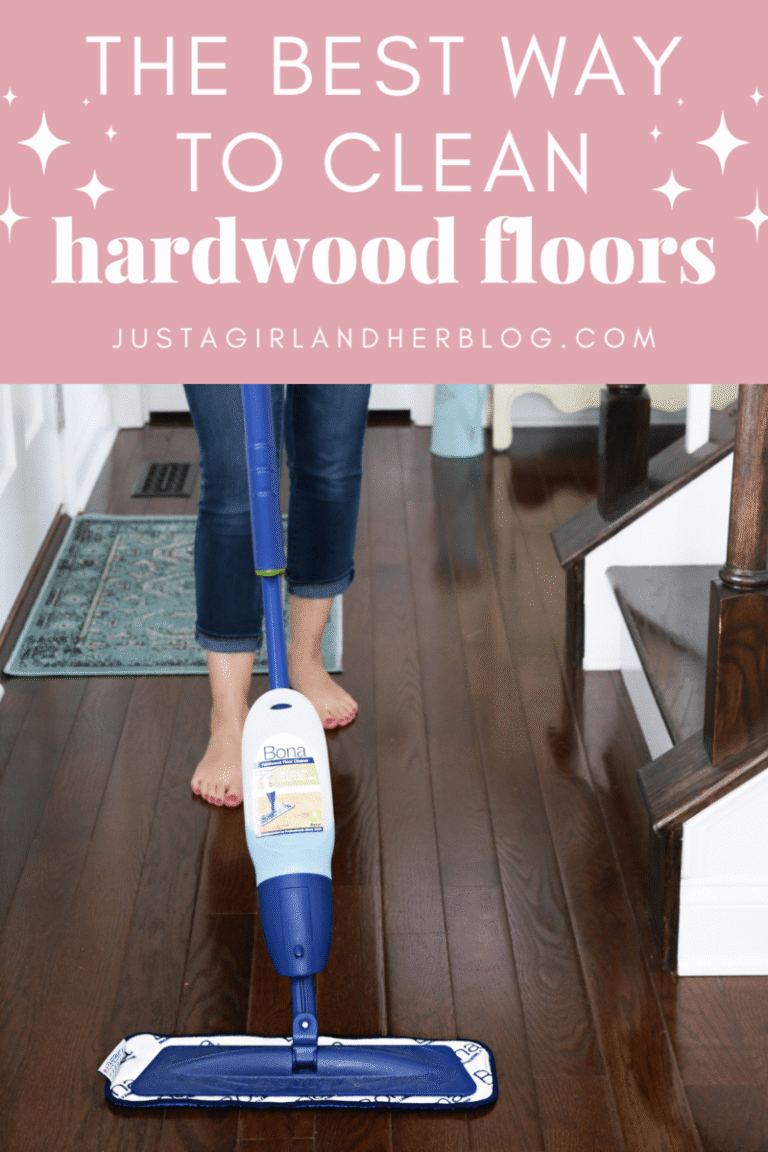
- Use a microfiber mop for the best pickup and to avoid streaks
- Don't oversaturate the floor; a damp mop is all you need
- Change your mop water frequently to avoid spreading dirt
- Allow the floor to air dry or buff with a clean microfiber cloth
- Spot test new products in an inconspicuous area first
Frequently Asked Questions
Is pH neutral floor cleaner safe for hardwood floors?
Yes, pH neutral cleaners are generally considered the safest option for sealed hardwood floors. They clean effectively without stripping the finish or damaging the wood. Just make sure the product is specifically labeled for hardwood use and avoid using too much water.
Can I use pH neutral cleaner on natural stone?
Absolutely. pH neutral cleaners are actually the recommended choice for natural stone like marble, granite, travertine, and slate. Acidic cleaners can etch and permanently damage these surfaces, so neutral is always the safer bet.
How often should I use pH neutral floor cleaner?
For most homes, once or twice a week is sufficient for routine maintenance. High-traffic areas may need more frequent cleaning, but because pH neutral formulas are gentle, daily use is also safe for most flooring types.
Do pH neutral cleaners disinfect?
Most pH neutral floor cleaners are not designed to be disinfectants. They clean by removing dirt and some bacteria through surfactants, but they don't kill germs the way bleach or specialized sanitizers do. If you need disinfection, look for a product specifically labeled as a disinfectant and follow the contact time instructions.
Are pH neutral cleaners more expensive than regular ones?
Not necessarily. While some premium brands cost more, many pH neutral cleaners are competitively priced, especially concentrated formulas. Since they're safe for multiple surfaces, you may also save money by not needing separate products for different floor types.
Will pH neutral cleaner remove old wax buildup?
No, pH neutral cleaners are not designed to strip wax or polish. They're meant for maintenance cleaning. If you need to remove old wax, you'll need a specialized wax stripper, but use it sparingly and follow up with a pH neutral cleaner to maintain the new finish.
Bringing It All Together
Choosing a pH neutral floor cleaner is one of the simplest yet most impactful decisions you can make for the longevity and beauty of your floors. It protects your investment, simplifies your cleaning routine, and creates a healthier indoor environment. From my years in the field, I've seen how the right cleaner can add years to a floor's life, and pH neutral products consistently deliver that result.
Start by checking your current cleaner. If it's not pH balanced, consider making the switch. Your floors will thank you with lasting shine, fewer repairs, and better performance over time. And if you're building a new home or renovating, build pH neutral cleaning into your maintenance plan from day one.
For more tips on floor care, sustainable cleaning, or product recommendations, feel free to explore additional resources or drop a comment with your questions. I'd love to hear about your own experiences with floor maintenance.