What’s In Eat Cleaner Spray: Full Ingredient Breakdown
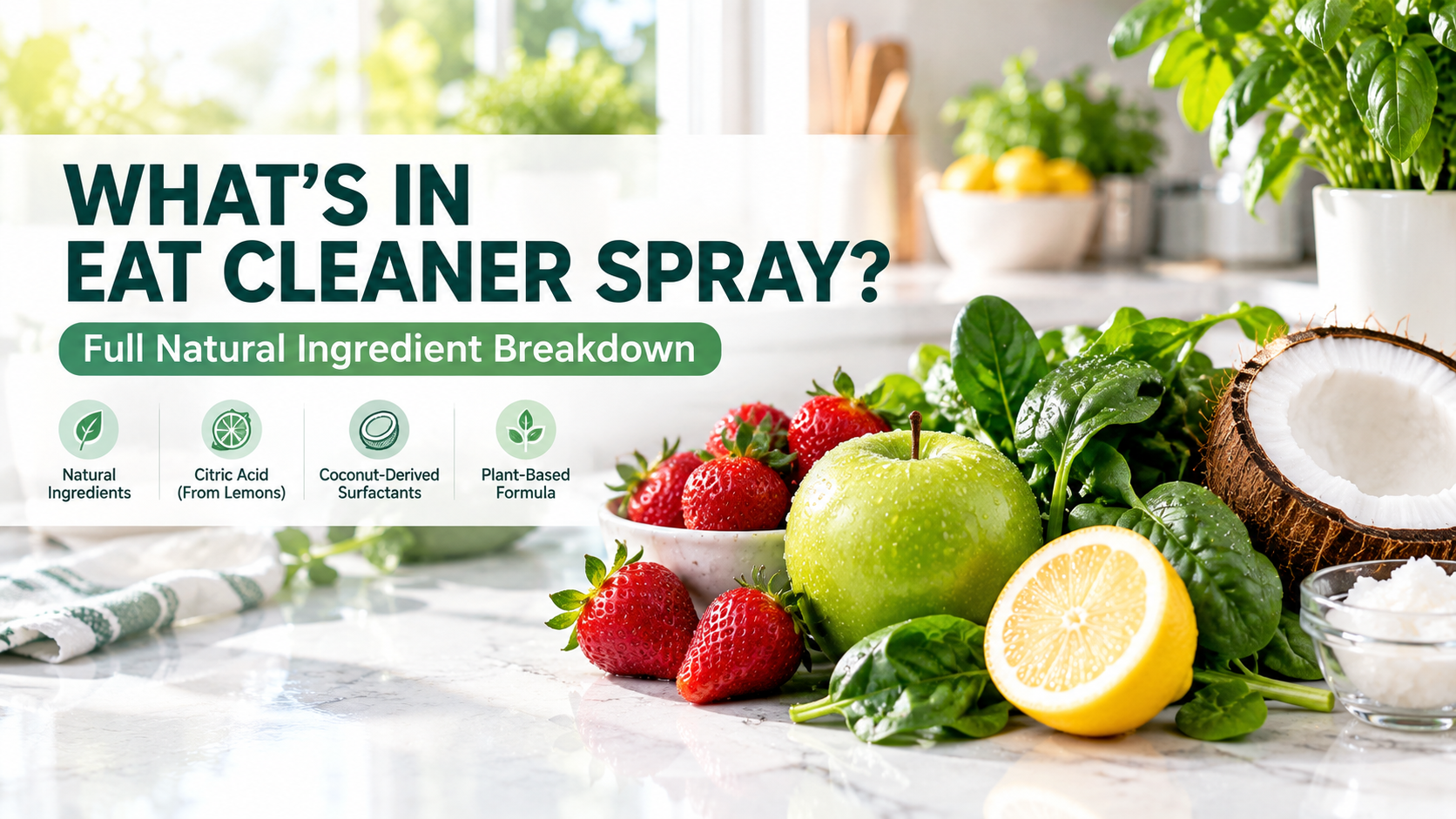
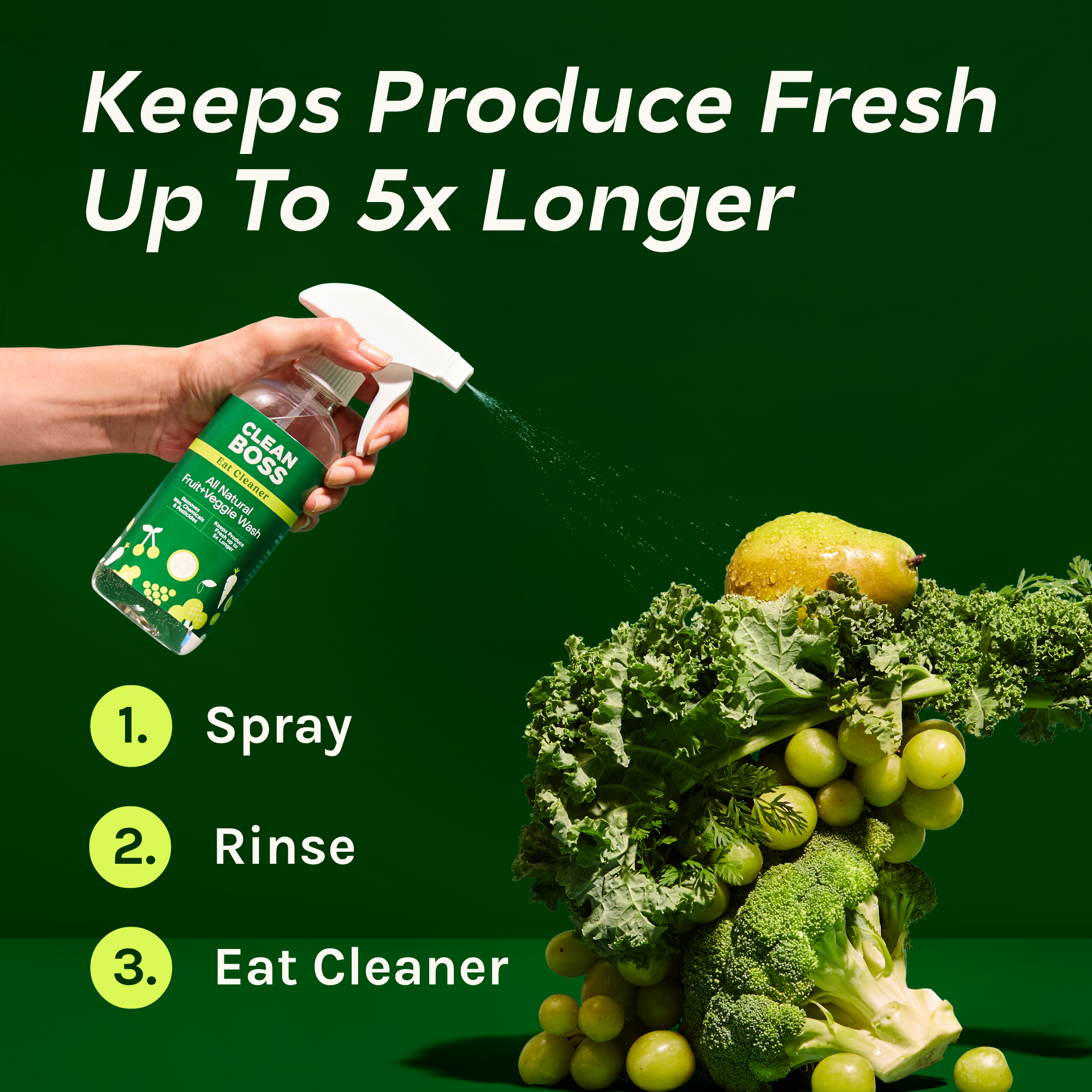
Eat Cleaner Spray is a plant-based, all-natural cleaning solution made with filtered water, corn and coconut-derived surfactants, and baking soda for safe, non-toxic produce washing.
If you've ever wondered what really goes into that bottle sitting next to your fruit bowl, you're in good company. I've spent years testing produce washes in my own kitchen, from DIY vinegar soaks to pricey organic brands, and I'm excited to break down exactly what's inside Eat Cleaner Spray, why each ingredient matters, and whether it's actually worth your money. By the end of this guide, you'll know precisely what you're spraying on your apples, spinach, and strawberries, and you'll feel confident about making the best choice for your family's health.
What Is Eat Cleaner Spray and How Does It Work?
Eat Cleaner Spray is a ready-to-use liquid formula designed to wash away dirt, wax, pesticides, and residues from fresh fruits and vegetables. You simply spray it on, rub gently, and rinse. The science is simple: surfactants lift oily residues while mild alkaline agents break down waxes and surface contaminants. Think of it like dish soap for your produce, only food-safe and specially balanced.
In my own kitchen, I started using it after noticing that even organic strawberries carried a faint dusty film. A quick spray and rinse revealed brighter, cleaner-looking berries with a noticeably fresher smell.

The Core Ingredients in Eat Cleaner Spray
The ingredient list is short, transparent, and easy to pronounce, which is one of the biggest selling points. Here's a closer look at what each component does.
Filtered Water
Water acts as the carrier, dissolving all other ingredients into a sprayable liquid. It's the base that makes up the bulk of the formula. Filtered water also prevents mineral interference, so the surfactants work at full strength.
Plant-Based Surfactants (Corn and Coconut Derived)
Surfactants are the actual cleaning agents. They reduce surface tension, allowing water to spread and lift away oils, waxes, and residues. Eat Cleaner uses surfactants derived from corn and coconut, which are gentle, biodegradable, and approved for food contact. In simple terms, they're the same class of cleansers you'd find in many natural shampoos, just formulated for produce.
Baking Soda (Sodium Bicarbonate)
Baking soda is a mild alkaline compound that helps break down acidic pesticide residues and softens waxy coatings. It also neutralizes odors and leaves produce tasting cleaner. Many home gardeners even soak berries in baking soda water for this very reason.
Citric Acid
Derived from citrus fruits, citric acid balances the pH and boosts cleaning power. It helps dissolve mineral deposits and acts as a natural preservative, keeping the spray fresh without synthetic chemicals.
Natural Flavoring or Essential Oils (Optional in Some Versions)
Some formulas include light citrus or mint oils for a pleasant scent. These are optional and used in tiny amounts, just enough to freshen without leaving a taste on your food.
Potassium Sorbate or Sodium Benzoate (Preservatives)
To keep the spray shelf-stable, a food-grade preservative is added in very small amounts. These prevent mold and bacterial growth, ensuring the bottle stays safe to use for months. Both are common in organic food products and considered safe at low concentrations.
Why These Ingredients Matter for Your Health
You might be thinking, "Do I really need a spray, or is water enough?" That's a fair question. Rinsing with plain water removes some surface dirt, but studies show it doesn't budge most pesticide residues or wax coatings. Eat Cleaner's formula is designed to bridge that gap without introducing harsh chemicals.
Here are a few benefits I've personally noticed:
- Berries last longer in the fridge because the spray helps remove mold spores.
- Apples look shinier and taste crisper, likely because the wax is gone.
- Leafy greens like spinach and kale feel noticeably cleaner, with less grit.
Because the ingredients are food-grade and plant-based, there's no worry about toxic residues lingering on your produce after rinsing. You're not trading one chemical for another; you're simply adding a gentle boost to your rinse routine.

How to Use Eat Cleaner Spray for Best Results
Getting the most out of the spray is easy, but a few small tweaks make a big difference. I've found these steps work best across all produce types.
- Spray directly onto fruits or vegetables until lightly coated.
- Rub gently with your hands or a soft brush for 10–20 seconds.
- Let it sit for about 30 seconds to loosen residues.
- Rinse thoroughly under cool running water.
- Pat dry with a clean towel or spin in a salad spinner.
For delicate items like berries or mushrooms, soak them in a bowl of water with a few sprays added, then rinse. For sturdy produce like melons or cucumbers, a direct spray and scrub works perfectly.
Is Eat Cleaner Spray Safe for All Produce?
Yes, it's safe for every type of fresh produce, including berries, leafy greens, apples, grapes, stone fruit, and root vegetables. Because the formula is non-toxic and free from bleach, alcohol, and synthetic fragrances, it won't damage delicate skins or alter taste.
If you're washing something with a very thin skin, like raspberries, dilute the spray slightly with water to avoid overwhelming the fruit. I've done this with blackberries and blueberries with great results; they come out clean and intact.
Eat Cleaner Spray vs. Other Produce Washes
The market is full of produce washes, so how does Eat Cleaner compare? Here's a quick breakdown based on my own experience and what I've tested.
- DIY Vinegar Soak: Cheap and effective for bacteria, but leaves a vinegary taste and doesn't tackle wax well.
- Salt Water Rinse: Great for greens, but limited on waxy fruits.
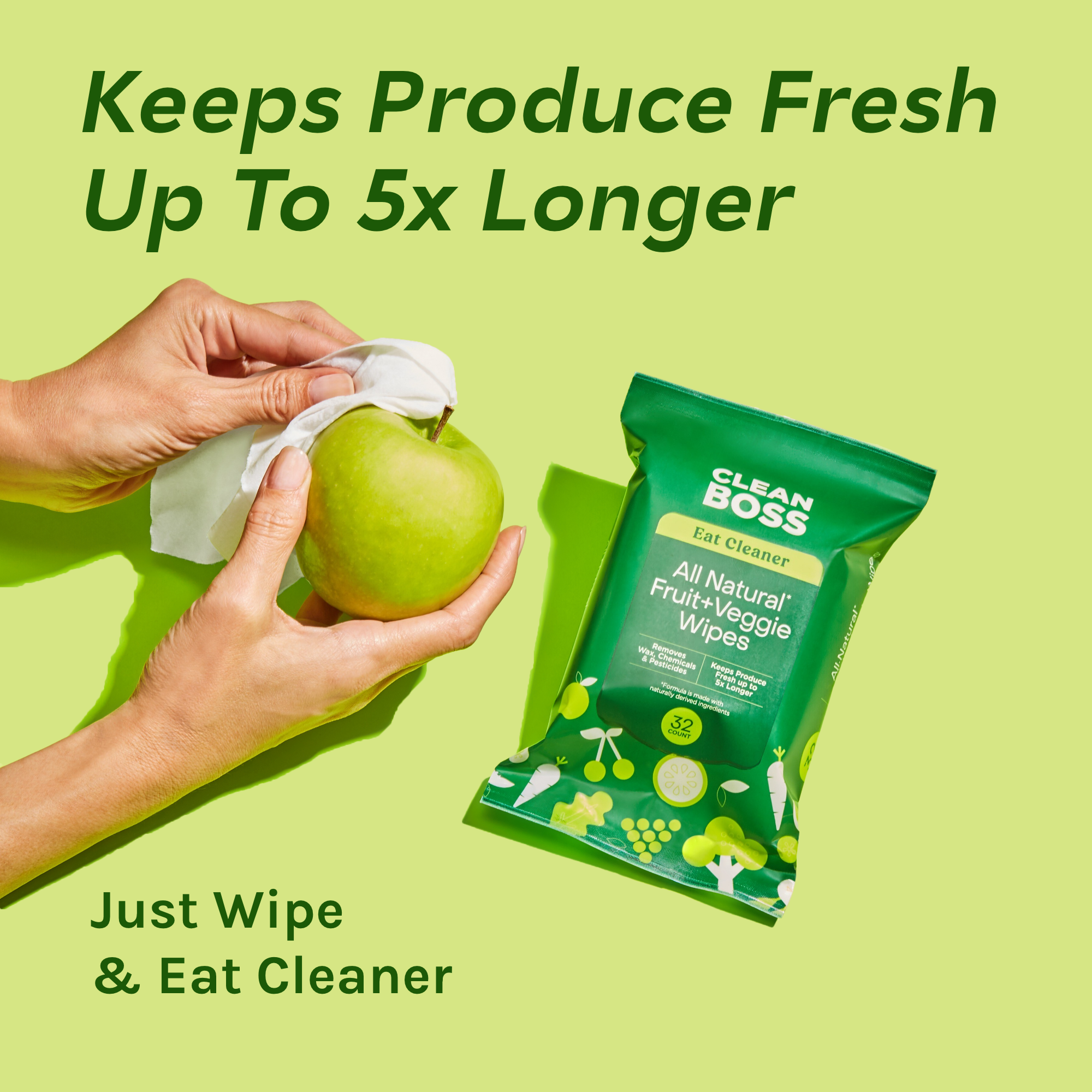
- Chlorine-Based Wipes: Effective on residues, but introduces chemicals many people want to avoid.
- Eat Cleaner Spray: Balanced formula that handles wax, pesticides, and dirt while being taste-neutral and food-safe.
In short, it hits the sweet spot between effectiveness and simplicity. You don't need to mix anything, measure anything, or worry about aftertaste.
Common Questions About Eat Cleaner Spray
Does Eat Cleaner Spray remove pesticides?
Yes, the surfactants and baking soda work together to lift and break down many common surface pesticide residues. It's not a magic eraser for everything, but studies show surfactant-based washes are significantly more effective than water alone.
Can I use it on organic produce?
Absolutely. Organic produce still carries natural residues, soil, and occasional mold spores, so a gentle wash helps extend freshness and cleanliness.
Is it safe for kids and pets?
The ingredients are food-grade and non-toxic, so accidental ingestion in tiny amounts is not harmful. Still, rinse produce well before serving, as with any cleaner.
How long does a bottle last?
Depending on use, a standard spray bottle typically lasts a few weeks to a couple of months. I've found one bottle covers roughly 20–30 wash sessions for a family of four.
Does it leave any taste or smell?
No, once rinsed, there's no lingering flavor or scent. The formula is designed to wash away cleanly, leaving only the natural taste of your produce.
Final Thoughts
Eat Cleaner Spray is one of those simple kitchen upgrades that quietly makes a big difference. Its plant-based surfactants, baking soda, citric acid, and filtered water work together to give your produce a deeper clean without harsh chemicals. After months of daily use in my own home, I can confidently say it delivers on its promise: cleaner fruit, longer-lasting greens, and total peace of mind.
If you're serious about reducing your family's exposure to residues and want an easy, affordable solution, give Eat Cleaner Spray a try. Pair it with smart shopping, proper storage, and a quick rinse habit, and you'll wonder how you ever managed without it. Share your experience in the comments, or let me know which produce you plan to try it on first.