How To Start Home Cleaning Business: 2026 Complete Guide
Starting a home cleaning business is one of the most affordable paths to entrepreneurship, with low startup costs and steady demand from busy households. With the right plan, tools, and a little hustle, you can build a profitable cleaning service in your local market.
If you've ever thought about owning your own business, a home cleaning company might be the perfect fit. It's simple to launch, requires minimal upfront investment, and solves a real problem for working families, busy professionals, and seniors who need a little extra help around the house. Over the years, I've seen people turn a basic cleaning service into a full-time income, and even into a multi-crew operation with multiple vans on the road. The key is knowing what steps to take, what mistakes to avoid, and how to stand out in a crowded market. In this guide, I'll walk you through everything you need to know about how to start a home cleaning business, from the first spark of an idea to landing your first paying clients.
Research the Market and Understand Your Niche
Before you buy a single bottle of cleaner, take time to understand the local market. Walk or drive through your neighborhood and pay attention to how many cleaning services are already advertising. Check online directories, Facebook groups, and Nextdoor to see what people are saying. Are they happy with their current cleaner, or are they complaining about price, reliability, or quality? That gap is your opportunity.
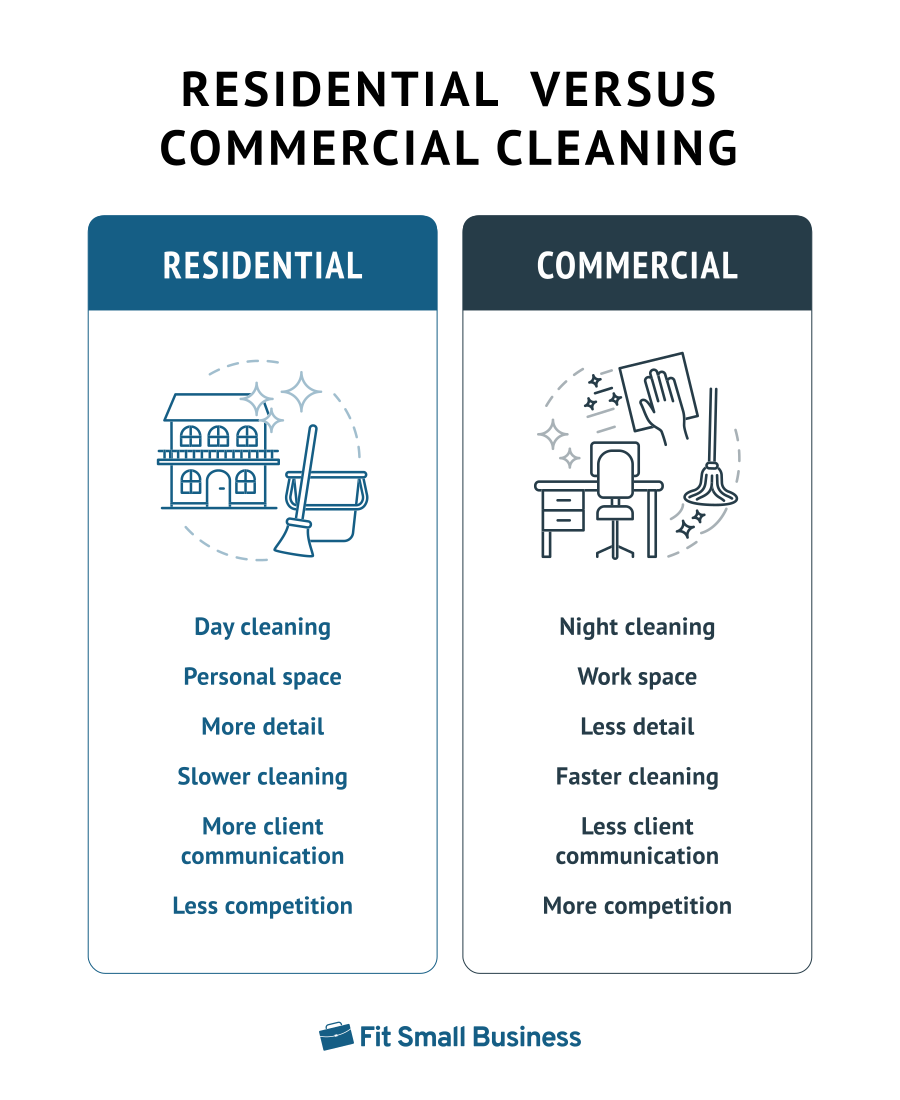
Think about who you want to serve. Some cleaners focus on residential homes, while others specialize in offices, short-term rentals, or post-construction cleanup. Residential cleaning is usually the easiest entry point because the demand is consistent and the scheduling is flexible. Within residential, you can narrow further into move-out cleans, deep cleans, eco-friendly cleaning, or pet-friendly services. Picking a niche helps you market more clearly and charge more confidently.
Create a Simple but Solid Business Plan
A business plan doesn't have to be a 40-page document. For a home cleaning business, a single page can work. At a minimum, outline your service area, the types of cleaning you offer, your pricing model, your target customer, and your first-year revenue goal. Include a basic list of startup costs so you know how much money you need before you start.
Your plan should also cover how you'll find clients, what makes you different, and how you'll grow over time. Even if you're not applying for a loan, writing this down forces you to think clearly. It also helps you stay focused when shiny distractions come along, like the urge to add window washing or carpet shampooing before you're ready.
Choose a Business Structure and Handle the Legal Basics
Decide how you'll register your business. Many solo cleaners start as a sole proprietor because it's quick and cheap. If you plan to hire employees or want personal liability protection, forming an LLC is a smart move. An LLC separates your personal assets from your business, which matters once you're working in other people's homes.
You'll also need a basic business license in most cities or counties, and if you plan to sell any products, a sales tax permit may be required. Insurance is not optional here. General liability insurance protects you if you accidentally break something or damage a floor. Bonding is another plus because it builds trust with clients who are letting strangers into their homes. Don't skip this step, even if it feels like an extra cost.
Set Your Pricing the Smart Way
Pricing is where most new cleaners either leave money on the table or scare customers away. The two most common models are hourly rates and flat-rate pricing. Hourly works well for general cleaning, while flat-rate pricing is better for routine jobs because clients know exactly what they'll pay. Many successful cleaning businesses use a mix of both.
Research what other local cleaners charge, but don't just match the lowest price. If you show up in uniform, bring your own supplies, send a reminder text the day before, and follow up with a satisfaction check, that's worth more. Calculate your costs first, including supplies, fuel, insurance, and your time, then build in a profit margin. A common beginner rate for residential cleaning in the U.S. falls between $25 and $50 per hour per cleaner, but prices vary by region.
Buy the Right Supplies and Equipment
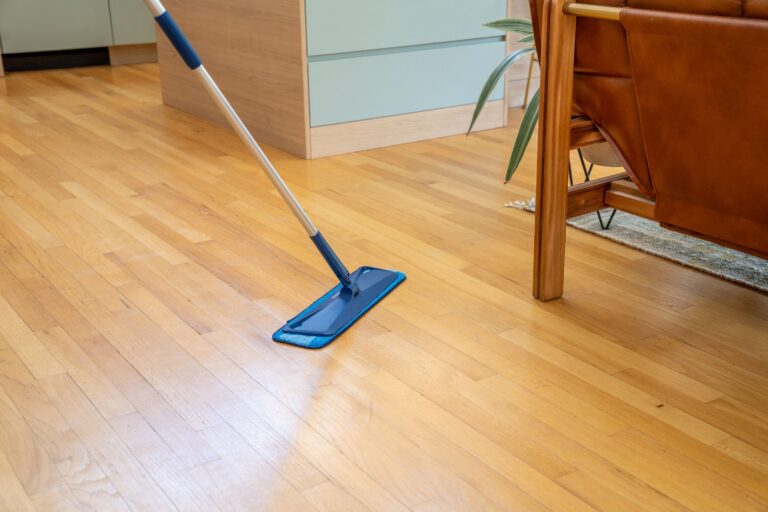
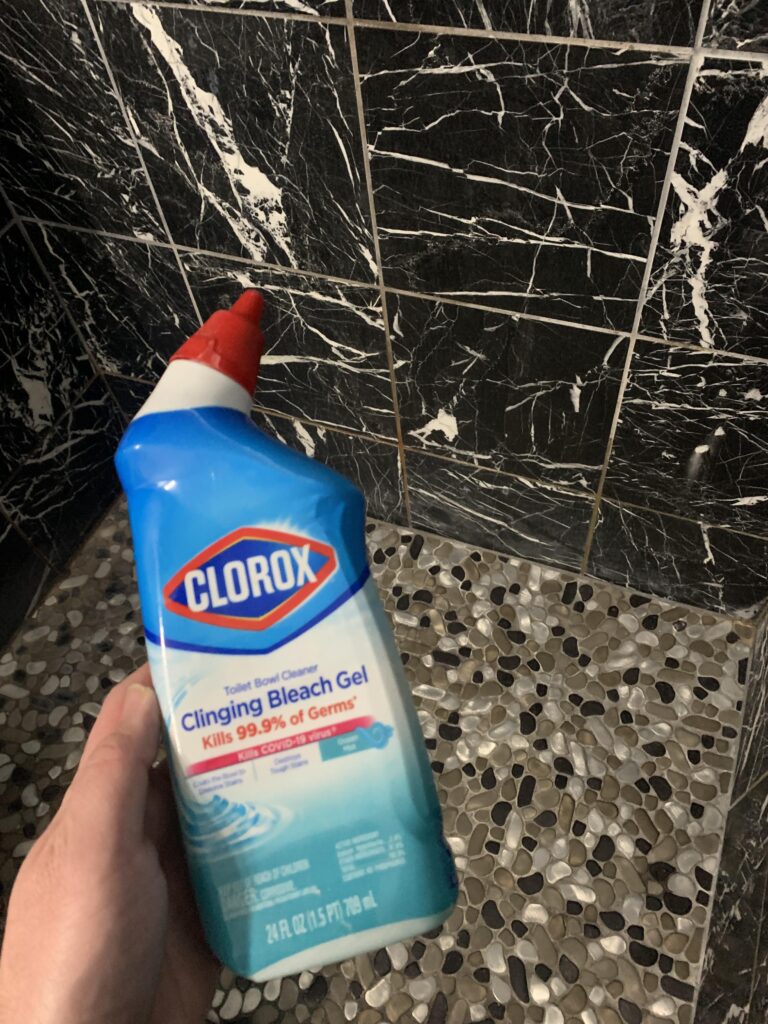
You don't need a warehouse full of gear to get started. A basic residential cleaning kit includes microfiber cloths, a mop and bucket, a vacuum with a HEPA filter, a squeegee, scrub brushes, trash bags, and a sturdy caddy to carry it all. For cleaning solutions, most professionals use a simple mix of all-purpose cleaner, glass cleaner, disinfectant, bathroom cleaner, and a degreaser.
If you want to stand out, consider offering eco-friendly or non-toxic products. Many clients are willing to pay a small premium for green cleaning, especially families with kids or pets. Keep your supplies organized in your vehicle so you're never scrambling to find the right spray bottle. Investing in a reliable vacuum early on will save you headaches for years.
Build a Brand That Looks Professional
You don't need a big budget to look professional. Pick a simple business name that's easy to spell, say, and remember. Check that the domain name and social media handles are available. Then design a basic logo using a free tool, and use the same colors, fonts, and logo across your business cards, vehicle decals, and cleaning invoices.
Even a magnetic sign on your car can turn every drive into a moving advertisement. Ask happy clients if you can put a small yard sign in their yard for a week after a job. Word-of-mouth is king in this business, but consistent branding helps people remember you when their friend asks, "Do you know a good cleaner?"
Create a System for Finding Your First Clients
Your first ten clients will probably come from people you already know. Start by making a list of friends, family members, coworkers, and neighbors, and let them know you're launching a cleaning business. Offer a small discount for their first clean in exchange for an honest review.
Beyond your personal network, claim your free Google Business Profile and fill it out completely with photos, hours, and service details. Ask every early client to leave a Google review, since those stars matter a lot when someone searches "cleaning service near me." Join local Facebook groups and community apps, and post helpful content, not just ads. Door hangers in target neighborhoods also still work, especially when paired with a clear offer like 20% off the first clean.
Deliver a Five-Star Experience Every Time
Once you land a job, your goal is to make the client feel like hiring you was the best decision they made all month. Show up on time, walk through the home with the client before starting, and confirm any special requests. Use a checklist so you don't miss anything, but also pay attention to the small details, like how the toilet paper is folded or whether the blinds are dusted.
After the job, send a quick text thanking them and asking if everything looked good. This small gesture catches most cleaners off guard, and it leads to repeat bookings and referrals. One happy client who books you monthly and tells two friends is worth more than ten one-time jobs. Treat every home like it's your own, and your reputation will grow on its own.
Manage Your Schedule, Money, and Growth
As bookings come in, stay organized. Use a simple calendar app to block your cleaning days, and keep a spreadsheet or basic bookkeeping tool to track income and expenses. Set aside 25 to 30 percent of every payment for taxes, because that surprise bill in April is no fun.
When your calendar is consistently full, that's the sign it's time to hire. Start with one part-time helper, train them using your exact process, and bring them along on jobs. Hiring your first employee is a big leap, but it's also the step that turns a side hustle into a real business. From there, you can add recurring contracts, office cleaning, or specialty services like carpet extraction to keep growing.

Frequently Asked Questions
How much money do I need to start a home cleaning business?
You can start with as little as $500 to $1,500 if you already have basic supplies and a reliable vehicle. The biggest costs are usually insurance, licensing, marketing materials, and a good vacuum. If you need to buy everything from scratch, plan for closer to $2,000 to $3,000 to feel fully prepared.
Do I need a license or permit to start a cleaning business?
Most cities and counties require a basic business license, and some states require a sales tax permit if you sell products. Requirements vary, so check with your local small business office or secretary of state website. Getting set up properly protects you and builds trust with clients.
Should I offer flat-rate or hourly pricing?
Both models work, and many successful cleaners use a mix. Hourly pricing is great for one-time deep cleans or move-outs, while flat-rate pricing builds trust with recurring clients because they know what to expect. Test both and see what feels natural in your market.
How do I find my first cleaning clients?
Start with your personal network and offer a small discount in exchange for a review. Then claim your Google Business Profile, post in local Facebook groups, and drop off door hangers in nearby neighborhoods. Referrals from happy clients will quickly become your biggest source of new business.
How long does it take to make a full-time income from a cleaning business?
It depends on your area, pricing, and how much time you put in. Some cleaners reach full-time income within six to twelve months by stacking recurring clients. Others grow more slowly while keeping a day job. Consistency, reliability, and great service speed up the process every time.
Wrapping Up the Guide
Starting a home cleaning business is one of the most practical ways to build a steady income with low risk and high reward. You get to help people, set your own schedule, and grow at a pace that feels right. The steps are simple: research your market, get legal, price smart, deliver great service, and treat every client like your only one.
If you've been waiting for a sign to start, this is it. Pick one step from this guide, do it today, and build from there. Your future clients are out there right now, hoping someone like you will show up and make their lives a little easier. Drop a comment below with your biggest question or your first step, and let's keep the conversation going.