how to start your own cleaning business from home: Honest Review
Starting your own cleaning business from home is one of the smartest ways to build a low-cost, high-demand service that can grow into a full-time career. I've helped friends launch home-based cleaning services, and the truth is, you don't need a fortune or a fancy office to get started. What you do need is a solid plan, the right mindset, and a willingness to roll up your sleeves, literally.
If you've ever thought about becoming your own boss, starting a cleaning business from home is one of the most practical paths you can take. The startup costs are low, the demand is steady, and the skills are easy to learn or improve. In this guide, I'll walk you through every step, from planning and pricing to finding clients and growing your business. Whether you want to clean homes, offices, or both, this article will give you a clear roadmap to follow.

Why a Home-Based Cleaning Business Makes Sense Right Now
The cleaning industry has been growing for years, and it shows no signs of slowing down. People are busier than ever, dual-income households are the norm, and there's a real desire for clean, healthy living and working spaces. On top of that, many businesses now outsource cleaning instead of hiring in-house staff.
A home-based cleaning business fits perfectly into this demand. You don't need a commercial space, you can start part-time, and you can scale at your own pace. Many successful cleaning companies began with one person, a bucket, and a few clients found through word of mouth. If you're willing to put in the work, the opportunity is real.
I've seen people go from cleaning a single house on weekends to managing teams of cleaners within just a couple of years. The key is starting smart and treating it like a business from day one, not just a side gig.
Step 1: Decide What Kind of Cleaning You'll Offer
Before you buy any supplies, you need to decide what type of cleaning you want to focus on. This decision will shape your branding, pricing, and marketing. Here are the most common options:
- Residential cleaning
- Commercial or office cleaning
- Deep cleaning
- Move-in or move-out cleaning
- Post-construction cleaning
- Window or carpet cleaning
- Eco-friendly or green cleaning
Most beginners start with residential cleaning because it's easier to break into and the learning curve is gentle. But if you have experience or interest in commercial spaces, that can be more profitable and offer steadier contracts.
I always recommend starting with one or two services and adding more as you grow. Trying to do everything at once usually leads to burnout or quality issues. Focus on what you do best, then expand.

Step 2: Write a Simple Business Plan
You don't need a 50-page business plan, but you do need a clear roadmap. A simple plan helps you stay focused, set realistic goals, and track your progress. Here's what to include:
- Your target market
- The services you'll offer
- Your pricing strategy
- Startup costs and monthly expenses
- How you'll find clients
- Your first-year goals
For example, if your goal is to earn $3,000 per month within six months, work backward. How many clients do you need? How much should you charge? How many hours can you realistically work each week? These numbers keep you grounded.
Think of your business plan as a living document. Update it as you learn more about your market, your costs, and your clients. It doesn't have to be fancy, but it does have to exist.
Step 3: Handle the Legal Basics
Even a home-based business needs to be legal. Taking care of the basics upfront protects you and builds trust with clients. Here's a simple checklist:
- Choose a business name
- Register your business
- Get an EIN
- Open a business bank account
- Get basic liability insurance
- Check local licensing rules
Liability insurance is especially important. If you accidentally damage something or someone gets hurt, insurance covers you. Many clients won't even hire an uninsured cleaner, so it's a must-have.
Don't overthink the legal stuff. A few hours of research and a small investment now can save you thousands of dollars and a lot of stress later.

Step 4: Buy the Right Supplies Without Overspending
You can start with basic, affordable supplies and upgrade as you grow. Here's what you'll need to get going:
- Microfiber cloths
- A vacuum cleaner
- A mop and bucket
- Multi-surface cleaner
- Glass cleaner
- Bathroom cleaner
- Toilet brush
- Gloves
- Trash bags
- A caddy or bucket to carry everything
You don't need the most expensive products. In fact, many professional cleaners prefer simple, effective supplies over fancy ones. The key is consistency. Use the same products and methods for every job so your quality stays high.
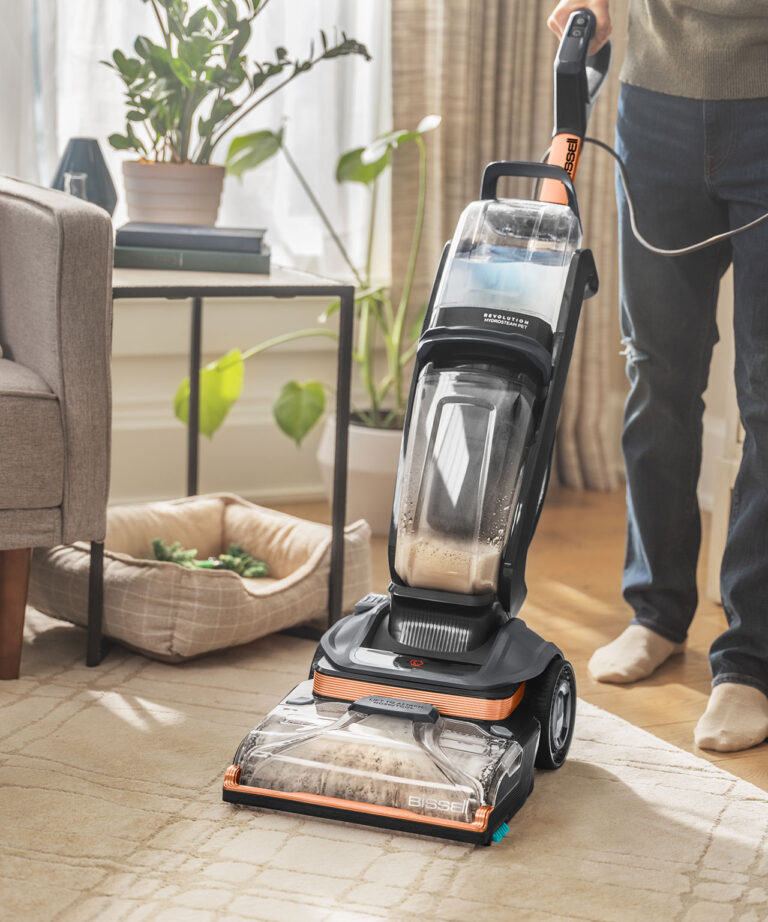
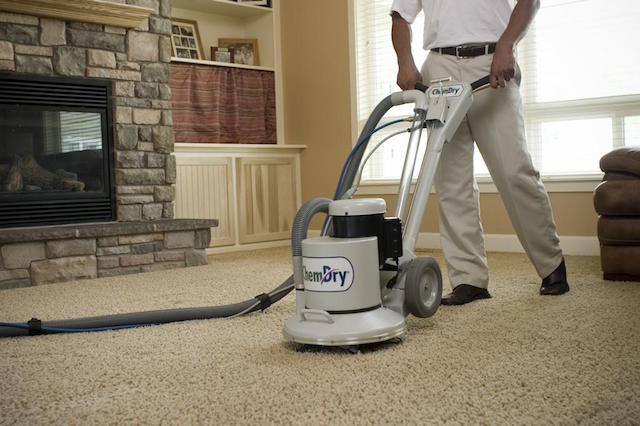
I made the mistake early on of buying too much stuff I didn't need. Stick to the essentials at first. You can always add specialty tools like carpet extractors or floor buffers later when you have the client base to support it.
Step 5: Set Your Prices the Smart Way
Pricing is one of the trickiest parts of starting a cleaning business. Charge too much and you won't get clients. Charge too little and you'll burn out. Here's how to find the right balance:
- Research what others in your area charge
- Decide if you'll charge by the hour or by the job
- Calculate your costs and desired profit
- Offer package deals for repeat clients
Hourly rates for residential cleaning typically range from $25 to $50 per hour, depending on your location. Commercial cleaning is often priced per square foot or per task.
Don't race to the bottom on price. Focus on the value you provide. Show up on time, do great work, and communicate well. That alone puts you ahead of most competitors.

Step 6: Create a Simple Brand and Online Presence
You don't need a big budget to look professional. A clean logo, a simple website, and active social media profiles go a long way. Here are the basics:
- Pick a memorable business name
- Design a basic logo
- Build a one-page website
- Set up Google Business Profile
- Create Facebook and Instagram pages
- Ask happy clients for reviews
Your Google Business Profile is especially important. When people search for cleaners in your area, this is what they see. Add photos, your service area, and your hours. Encourage every happy client to leave a review.
Branding isn't just about looking good. It's about building trust. When your online presence looks professional, people feel confident booking you.
Step 7: Find Your First Clients
Getting those first few clients is the hardest part, but it's also the most important. Once you have a few happy customers, referrals start to flow. Here are proven ways to get started:
- Ask family and friends if they know anyone who needs cleaning
- Offer a discount to your first few clients in exchange for a review
- Post in local Facebook groups and community pages
- Leave flyers or door hangers in neighborhoods
- Partner with real estate agents or property managers
- Sign up for cleaning service platforms
Don't wait until everything is perfect. Start marketing as soon as you have your supplies and insurance. You can refine your process as you go. The goal is to get experience, build confidence, and start earning.

Step 8: Deliver Amazing Service Every Time
Quality is your best marketing tool. One great experience leads to referrals, repeat bookings, and five-star reviews. Here's how to make sure every job impresses:
- Show up on time, every time
- Bring a checklist so nothing is missed
- Communicate clearly before and after the job
- Pay attention to small details
- Ask for feedback and act on it
A simple checklist can transform your consistency. Include tasks for every room, from dusting baseboards to sanitizing light switches. Clients notice when you go the extra mile, and that's what makes them book you again.
If you make a mistake, own it. A quick apology and a fix goes a lot further than trying to hide something. Honesty builds long-term trust.
Step 9: Manage Your Time and Money Well
Running a business means wearing many hats. You'll be the cleaner, the marketer, the accountant, and the customer service rep. To stay sane and profitable, get organized early:
- Use a calendar to track jobs
- Send invoices promptly
- Track your expenses
- Set aside money for taxes
- Pay yourself a regular amount
There are simple tools and apps that make this easy. Even a basic spreadsheet works when you're just starting. The point is to know your numbers. If you don't know what you're earning and spending, you're flying blind.
I learned this the hard way. In my first year, I didn't track my expenses closely and was surprised at how much I spent on gas and supplies. Once I started tracking, I could price smarter and actually save for slow months.
Step 10: Know When and How to Grow
Once your calendar is full and you have a steady stream of clients, you'll naturally start thinking about growth. The big question is whether to hire help or expand your services.
Hiring your first employee is a big step. You'll need to budget for payroll, training, and insurance. But it also frees you up to focus on marketing, sales, and higher-level tasks. Many cleaning business owners eventually shift from cleaning to managing.
If hiring feels too soon, consider subcontracting reliable cleaners. You take a cut, but you also take on less risk. It's a great middle ground while you build a larger client base.
Growth should always follow demand, not the other way around. Don't hire just because you can. Hire because you have more work than you can handle.
Common Mistakes to Avoid When Starting Out
I've seen many new cleaning business owners make the same avoidable mistakes. Here's what to watch out for:
- Undercharging for your work
- Skipping insurance
- Not having a contract or clear terms
- Mixing personal and business money
- Overcommitting and burning out
- Ignoring client feedback
You don't have to learn everything the hard way. A little planning and a willingness to ask for help go a long way. Stay humble, stay consistent, and stay focused on delivering value.

How to Start Your Own Cleaning Business from Home on a Tight Budget
One of the best things about this business is that you can start with very little money. If your budget is tight, here's a lean startup plan:
- Use supplies you already own
- Start with friends and family
- Focus on residential cleaning
- Market through free channels
- Reinvest early profits into better tools
I've seen people launch with under $200. The real investment isn't money, it's time and energy. If you're willing to put in the hours, the dollars will follow.
How Long Does It Take to Become Profitable?
Most home-based cleaning businesses become profitable within the first three to six months. Your timeline depends on how much time you invest, how aggressively you market, and how well you manage your costs.
If you treat it like a hobby, it'll pay like a hobby. If you treat it like a business, it'll pay like a business. Consistency and professionalism are the real game-changers.

Tools and Apps That Make Running Your Business Easier
You don't need fancy software, but a few tools can save you hours each week. Here are some popular options:
- Jobber for scheduling and invoicing
- QuickBooks for simple bookkeeping
- Google Workspace for email and documents
- Canva for quick marketing graphics
- WhatsApp or Zoom for client communication
Start with free or low-cost tools. As your business grows, you can upgrade. The goal is to spend less time on admin and more time on cleaning and clients.
Frequently Asked Questions
How much does it cost to start a cleaning business from home?
You can start a home-based cleaning business for as little as $200 to $500. Basic supplies, insurance, and a simple website are your main startup costs. You can grow and reinvest profits as you go.
Do I need a license to start a cleaning business?
Most home-based cleaning businesses don't need a special license, but requirements vary by state and city. You may need a general business license or sales tax permit. Always check your local rules to stay compliant.
How do I find my first cleaning clients?
Start with friends, family, and neighbors. Post in local Facebook groups, leave flyers, and offer a small discount to your first few clients in exchange for a review. Referrals and word of mouth will become your best source.
Should I charge by the hour or by the job?
Hourly pricing is common for residential cleaning, while commercial jobs are often priced by square foot or scope. Choose the method that feels fair to you and your clients. Many cleaners use a mix of both.
How can I make my cleaning business stand out?
Focus on reliability, attention to detail, and great communication. Show up on time, do consistent work, and follow up after each job. Small touches like a quick text or a thank-you note can make a big impression.
Conclusion
Starting your own cleaning business from home is one of the most accessible ways to build a real, sustainable income. The barriers to entry are low, the demand is high, and the skills are learnable. You don't need a perfect plan or a huge budget. You just need the courage to start and the discipline to keep showing up.
Focus on solving a real problem for your clients. Deliver consistent quality, communicate clearly, and treat every job like it matters, because it does. The first few months will be the hardest, but once you build momentum, referrals and repeat clients will carry you forward.
If you've been waiting for the right time, this is your sign. Take the first step today, whether it's registering your business, buying your first supplies, or simply telling a friend what you're planning. Every successful cleaning business started with one person and one decision to begin.
Ready to start your journey? Share your questions or your own cleaning business story in the comments below. I'd love to hear how you're planning to get started.