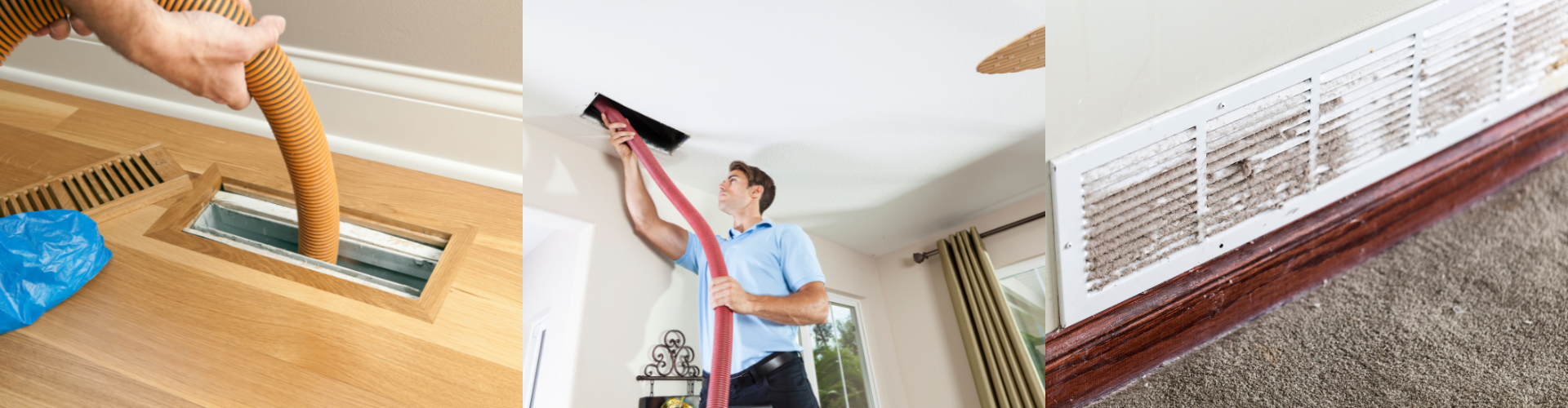
How Often Should Home Air Ducts Be Cleaned: Best Guide
Most homes benefit from professional air duct cleaning every 3 to 5 years, but the exact timing depends on your specific living conditions, household habits, and indoor air quality concerns.
If you have ever wondered whether the air circulating through your home is as clean as it should be, you are not alone. I have spent years in the HVAC and home maintenance space, talking with homeowners, inspecting ductwork firsthand, and seeing the difference a well-timed cleaning can make. Think of your air ducts like the lungs of your home. When they get clogged with dust, pet dander, or even mold spores, everything from your breathing comfort to your energy bills can take a hit. In this guide, I will walk you through exactly how often you should clean your home air ducts, the signs that mean you should not wait, and how to keep your indoor air as fresh as possible.

Why Air Duct Cleaning Frequency Matters
Your heating, ventilation, and air conditioning system works around the clock to keep your home comfortable. Every time air moves through those ducts, it carries particles with it. Over time, those particles settle and build up inside the ductwork. That buildup is not just a cosmetic issue. It directly impacts the air your family breathes every single day.
From my own experience inspecting homes, I have seen ductwork so coated in dust that it looked like an old attic blanket. I have also seen relatively clean ducts in homes that were only three years old because the owners had no pets, used quality filters, and had their system serviced regularly. The truth is, no two homes are exactly alike, which is why a one-size-fits-all answer rarely works.
Understanding the right frequency for cleaning your air ducts helps you:
- Improve indoor air quality and reduce allergens
- Help your HVAC system run more efficiently
- Lower the chance of mold growth inside the ductwork
- Reduce dust settling on your furniture and floors
- Extend the life of your heating and cooling equipment

General Guidelines for Air Duct Cleaning
The National Air Duct Cleaners Association, a well-known industry body, generally recommends having your air ducts cleaned every 3 to 5 years under normal conditions. This is a solid baseline for most households. But let me break that down further because the word "normal" can mean very different things depending on who you ask.
For a standard home with no pets, no smokers, no allergy sufferers, and a regularly changed HVAC filter, every 5 years is usually fine. For a home with one or more pets, smokers, or residents with asthma or allergies, every 2 to 3 years is a smarter choice. For homes that have recently undergone major renovations or have visible mold growth inside the ducts, cleaning should happen right away, regardless of when it was last done.
Think of it like changing the oil in your car. You can follow the manufacturer's suggestion of every 5,000 miles, but if you drive through dust storms daily, you would probably change it sooner. The same logic applies here.

Key Factors That Affect How Often You Should Clean Your Ducts
Several real-life factors can shorten or extend the time between cleanings. Let me walk you through the most important ones.
Pets in the Home
If you share your home with cats, dogs, or any furry companions, you already know the deal. Pet hair and dander find their way into every corner, and your ductwork is no exception. I have personally inspected ducts in pet-heavy homes where the buildup was visible without any tools. For homes with one or more pets, plan on cleaning every 2 to 3 years at minimum, and consider upgrading to high-efficiency filters in between.
Smokers in the Household
Tobacco smoke leaves a sticky residue called tar that clings to the inside of ductwork. This is one of the toughest types of buildup to remove, and it also recirculates odors and chemicals every time the system runs. If anyone smokes inside the home, duct cleaning every 2 years is a wise move, along with opening windows for ventilation whenever possible.
Allergy or Asthma Sufferers
When someone in your household has allergies, asthma, or other respiratory conditions, indoor air quality is not just a comfort issue, it is a health priority. Dust, pollen, and mold spores hiding in your ducts can trigger symptoms year-round. For these homes, I recommend cleaning every 2 to 3 years and using HEPA-rated filters to trap finer particles.
Recent Home Renovations
Construction dust is one of the sneakiest sources of duct contamination. Even if you sealed off the rooms you were working in, fine particles travel through doorways, windows, and even your HVAC return vents. After any major renovation, including new flooring, drywall, or painting, it is smart to clean your ducts within a few months of the work being completed.
Mold or Mildew Concerns
If you have noticed a musty smell when your system kicks on, or if you have confirmed mold growth anywhere in your ductwork, do not wait. Mold spores spread quickly through forced air systems, and they can pose serious health risks. I have seen cases where a small patch of mold in one section of ductwork spread to multiple rooms in under a year.
Poor Filter Maintenance
Your HVAC filter is the first line of defense for your ductwork. If you are not changing it every 1 to 3 months, depending on the type, you are allowing more debris to enter and settle in your ducts. Neglecting filters is one of the top reasons I see premature buildup in homes that should otherwise be fine.
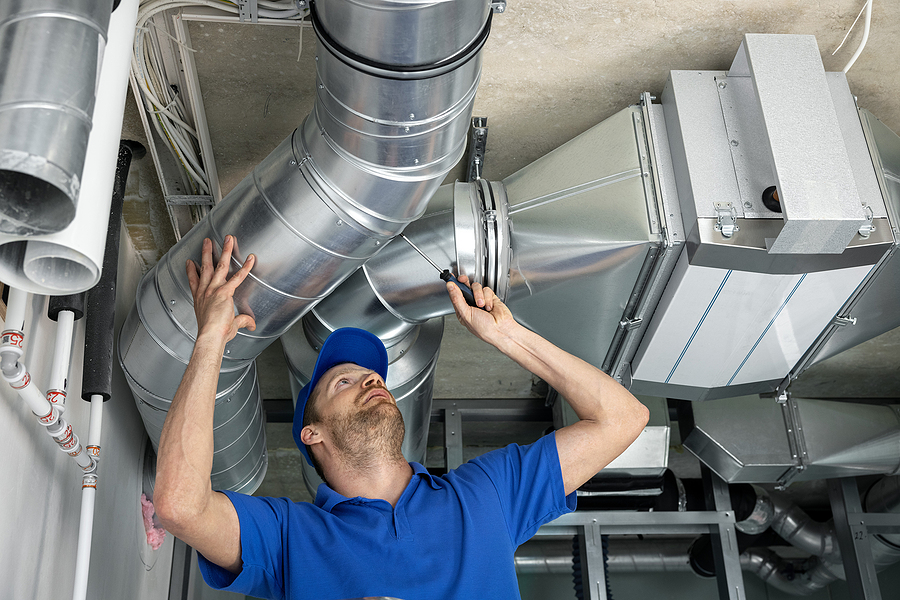
Signs Your Air Ducts Need Cleaning Sooner
Even if it has not been 3 to 5 years yet, certain warning signs mean your ducts are overdue. I always tell homeowners to trust their senses on this one. If something feels off, it probably is.
- Visible dust or debris blowing out of your supply vents
- A musty, stale, or burning smell when the system starts up
- Excessive dust buildup on furniture, even after cleaning
- Uneven airflow from room to room
- A sudden spike in allergy or respiratory symptoms indoors
- Evidence of rodents or insects inside the ductwork, like droppings or nesting material

What Happens During a Professional Air Duct Cleaning
If you have never had your ducts cleaned before, the process might surprise you. It is far more involved than just vacuuming out a few vents. A qualified technician will typically use a combination of high-powered vacuums, rotary brushes, and compressed air tools to dislodge and remove debris from the entire duct system, not just the accessible parts.
They will also inspect the system for damage, leaks, or mold, and may recommend additional services like sealing duct joints or upgrading insulation. In my experience, a thorough cleaning takes 2 to 4 hours for an average-sized home, and the difference in air quality is noticeable within hours of the system running again.

How to Keep Your Ducts Cleaner for Longer
Cleaning your ducts is important, but maintaining them between cleanings is just as critical. Here are a few habits that can stretch out the time between professional visits.
- Change your HVAC filter every 1 to 3 months, or as recommended by the manufacturer
- Use high-efficiency filters rated MERV 8 to MERV 13, depending on your system
- Vacuum your home regularly, including vents and registers
- Keep humidity levels in your home between 30 and 50 percent to discourage mold growth
- Schedule annual HVAC maintenance to catch issues early
- Seal gaps around ductwork in unconditioned spaces like attics and crawl spaces
I once worked with a homeowner who had her ducts cleaned and then religiously followed these habits. Five years later, during a routine HVAC inspection, her ducts still looked nearly spotless. That is the power of consistent maintenance.
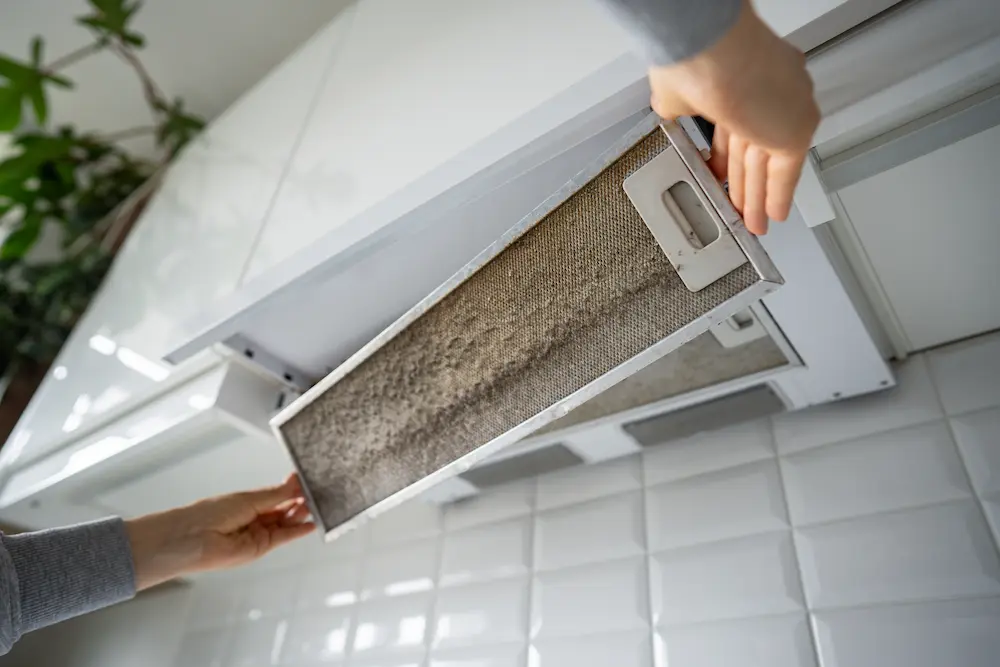
Common Myths About Air Duct Cleaning
There is a lot of misinformation out there, and I want to clear up a few of the most common myths I hear from homeowners.
Many people believe that duct cleaning is unnecessary if you have a good filter, but filters do not catch everything. Some also think that duct cleaning is a scam, but when done by a reputable company, it is a legitimate service with real benefits. Another common myth is that ducts never need cleaning, which simply is not true for most households. Lastly, some homeowners assume that any contractor can clean ducts properly, but duct cleaning requires specialized equipment and training, so always choose a certified professional.

Choosing a Qualified Air Duct Cleaning Service
Not all duct cleaning companies are created equal. From my years in the industry, I have learned that the quality of service can vary drastically. Look for companies that are certified by NADCA, the National Air Duct Cleaners Association, and ask for a written estimate before any work begins. A trustworthy company will inspect your system first, explain what they found, and provide a clear scope of work.
Avoid companies that offer extremely low prices or use high-pressure sales tactics. Quality duct cleaning requires proper equipment, time, and trained technicians, and that comes at a fair but reasonable cost.
Frequently Asked Questions About How Often Home Air Ducts Should Be Cleaned
How long does air duct cleaning take?
For a typical single-family home, professional air duct cleaning usually takes between 2 and 4 hours, depending on the size of the system and the level of buildup.
Can I clean my air ducts myself?
While you can clean vent covers and registers yourself, a true deep cleaning of the ductwork requires specialized tools and training. DIY methods rarely reach the interior of the ducts where most buildup occurs.
Does duct cleaning help with allergies?
Yes, removing dust, pollen, pet dander, and mold spores from your ductwork can significantly reduce airborne allergens and improve symptoms for many people.
How do I know if my air ducts have mold?
A musty odor when your system runs, visible dark spots near vents, or recent water damage near ductwork are common signs. A professional inspection can confirm mold presence.
Is air duct cleaning covered by homeowners insurance?
In most cases, routine duct cleaning is considered maintenance and is not covered. However, if ducts are damaged by a covered event like a fire or flood, cleaning or replacement may be included.
Final Thoughts on Air Duct Cleaning Frequency
Keeping your home's air ducts clean is one of those behind-the-scenes tasks that often gets overlooked until something goes wrong. But here is the thing. The air you breathe indoors is directly tied to the cleanliness of your ductwork, and that affects everything from your comfort to your health.
If it has been 3 to 5 years since your last cleaning, or if you have noticed any of the warning signs I mentioned, now is a great time to schedule an inspection. And if you have pets, smokers, or allergy sufferers in your home, consider moving that timeline up. A small investment in clean ducts can pay off in better air, lower energy bills, and peace of mind.
Take a moment today to check your filter, peek at your vents, and ask yourself when the last time your ducts were professionally cleaned was. Your home, and your lungs, will thank you. If you found this guide helpful, feel free to share it with a friend or leave a comment with your own duct cleaning experiences below.