What Can I Put In My Carpet Cleaner: Best Solutions
Use warm water, a mild dish soap, white vinegar, or a dedicated carpet cleaning solution in your carpet cleaner for safe, effective results.
If you've ever stared at your carpet cleaner wondering whether you're using the right thing inside it, you're not alone. The truth is, what you pour into that tank can make or break your cleaning day. Some liquids lift stains like magic. Others can leave residue, damage the machine, or even void your warranty. After years of testing different solutions in my own home, I've learned that the safest, most effective options are usually the simplest ones.
What Can You Safely Put in a Carpet Cleaner?
A carpet cleaner is designed to work with water-based solutions, so anything you put inside should mix easily with warm water and break down safely without leaving sticky residue. The most common safe options include:
- Warm tap water alone for light, routine cleaning
- Dish soap like Dawn for general stains and traffic lanes
- White vinegar mixed with water for deodorizing and mild stains
- Baking soda sprinkled before cleaning for odor removal
- Commercial carpet cleaning solutions made specifically for the machine
- Hydrogen peroxide for tough stains like wine or pet accidents
- Enzyme-based cleaners for pet stains and biological messes
Each of these has a place in your cleaning routine, and knowing when to use them saves you time, money, and frustration.
Homemade Carpet Cleaner Solutions That Actually Work
Before you rush to the store, check your pantry. Some of the best carpet cleaner solutions are things you already have at home.
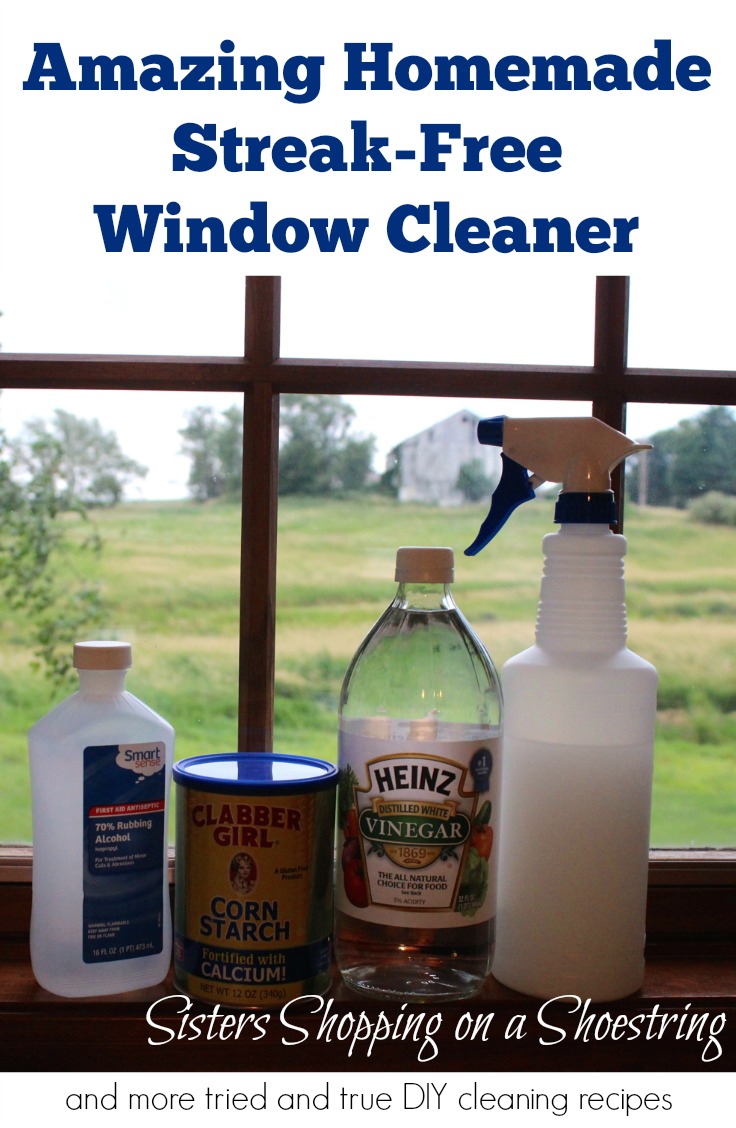
- Dish soap and warm water: Mix one tablespoon of liquid dish soap per gallon of warm water. This is my go-to for regular maintenance and works on most everyday spills.
- White vinegar solution: Combine one part white vinegar to two parts warm water. It neutralizes odors and breaks down light grime without leaving a strong smell once it dries.
- Baking soda pre-treatment: Sprinkle baking soda generously over the carpet before cleaning. Let it sit for 15 to 20 minutes to absorb odors, then vacuum and clean as usual.
- Hydrogen peroxide mix: Mix one part 3% hydrogen peroxide with three parts water. Use it sparingly on tough spots, but test a hidden area first because it can lighten some dyes.
- Borax and water: Dissolve half a cup of borax into a gallon of warm water. It's great for deodorizing and tackling stubborn stains.
These DIY recipes are budget-friendly, non-toxic, and surprisingly effective when used correctly.
Commercial Carpet Cleaning Solutions Worth Trying
If homemade mixes don't cut it, commercial products are formulated specifically for carpet cleaning machines. They often contain surfactants and degreasers that lift dirt more aggressively.
- Bissell carpet cleaning formulas: Designed for Bissell machines but compatible with most brands.
- Hoover detergent solutions: Match the formula to your machine type, whether upright, portable, or spot cleaner.
- Rug Doctor deep cleaning solutions: Known for professional-level stain removal.
- Woolite carpet cleaners: Gentle enough for delicate rugs and wool fibers.
- Pet-specific formulas: Contain enzymes that break down urine, vomit, and other biological stains.
When shopping, always read the label to make sure the formula is compatible with your specific carpet cleaner model. Using the wrong type can cause excess foam, clogs, or mechanical damage.
What You Should Never Put in a Carpet Cleaner
This is where things go wrong fast. Some liquids can damage your machine, ruin your carpet, or create safety hazards.
- Bleach: It's tempting for tough stains, but bleach can corrode internal parts, weaken carpet fibers, and discolor dyes permanently.
- Fabric softener: It leaves a waxy film that attracts more dirt over time and can clog hoses.
- Laundry detergent: Not formulated for carpet machines, so it creates excessive foam that can damage seals and pumps.
- Ammonia: Mixing it with other cleaners can release toxic fumes, and it can also damage carpet backing.
- Essential oils in high concentration: They can leave oily residue and may void machine warranties.
- Powdered cleaners: Unless specifically designed for your machine, powders can clump and clog the system.
Stick to liquids that are either homemade or purpose-made for carpet extractors, and your machine will thank you with years of reliable service.
How to Choose the Right Solution for Your Carpet Type
Not all carpets are the same. The fiber, weave, and dye affect how well certain cleaners perform.
- Nylon carpet: Durable and accepts most water-based solutions, including vinegar and dish soap.
- Polyester carpet: Stain-resistant but sensitive to high pH cleaners, so stick to mild detergents.
- Wool carpet: Naturally delicate, so use only wool-safe formulas or very diluted dish soap.
- Berber carpet: Looped fibers can snag, so avoid harsh agitation and use gentle cleaning solutions.
- Olefin carpet: Handles most cleaners well but attracts oil-based soils, so use degreasing formulas for heavy traffic areas.
Always test any new cleaner in a hidden corner first. Wait a few minutes, then check for color change or texture damage before applying it to visible areas.
Tips for Getting the Best Results From Your Carpet Cleaner
Putting the right solution in the tank is only half the battle. How you use it matters just as much.
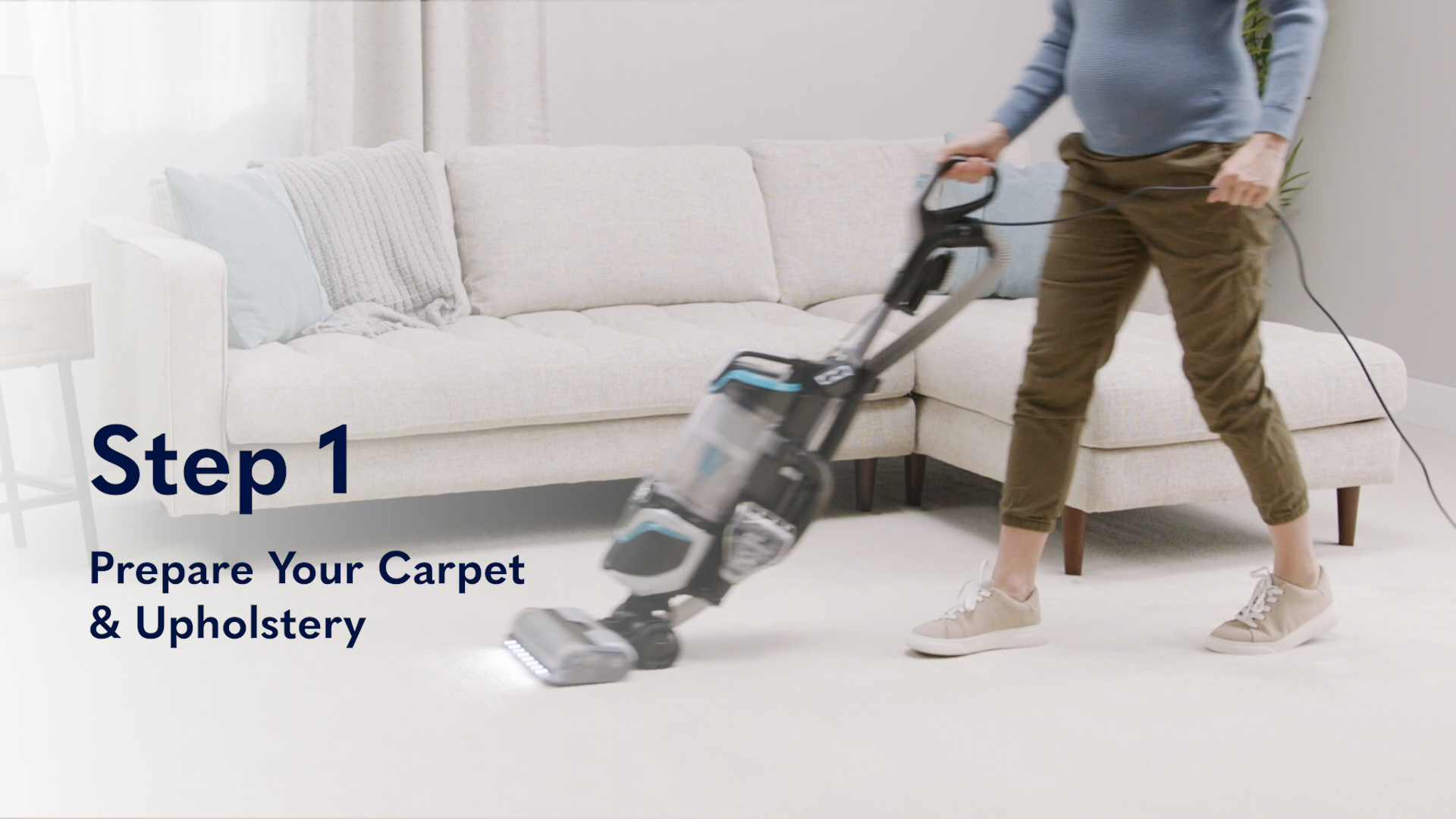
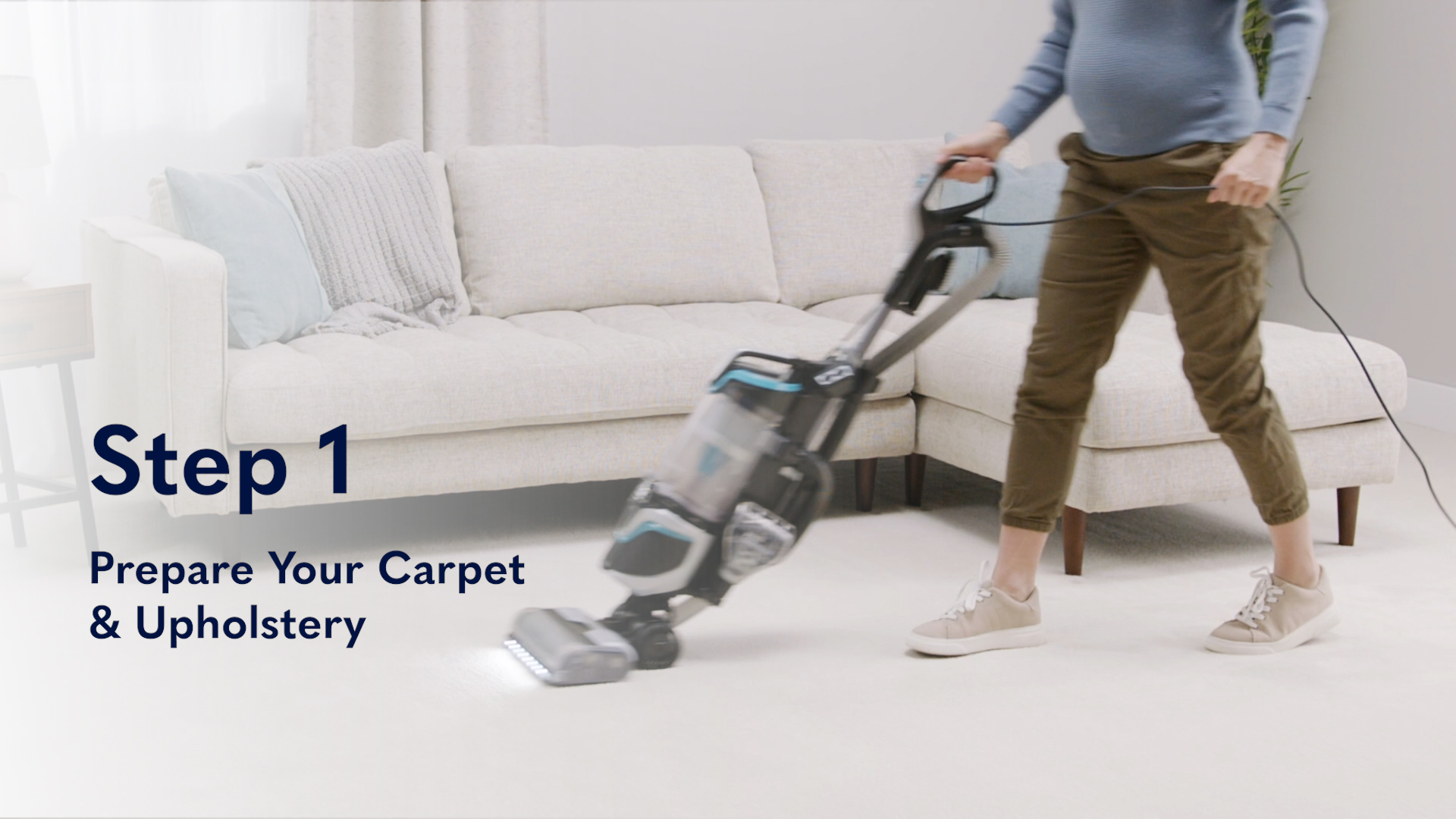
- Pre-vacuum thoroughly to remove loose dirt before using the machine.
- Treat stubborn stains with a spot cleaner before running the full machine.
- Use warm water, around 100 to 120 degrees Fahrenheit, for better soil suspension.
- Don't overfill the tank, and follow the manufacturer's fill lines.
- Make slow, overlapping passes so the solution has time to penetrate and extract.
- Allow the carpet to dry completely before walking on it to prevent re-soiling.
- Clean the machine after each use to prevent bacteria, mold, and clogs.
My Personal Experience With Carpet Cleaner Solutions
When I bought my first carpet cleaner years ago, I made every mistake in the book. I poured in laundry detergent once and ended up with foam pouring out of the machine like a bubble bath. I tried bleach on a pet stain and left a permanent pale spot in the middle of the living room rug. After a lot of trial and error, I finally learned to stick with warm water, a tablespoon of dish soap, and a splash of vinegar for most jobs. For pet messes, I switched to an enzyme-based formula and never looked back. The biggest lesson? Less is more. The simpler the solution, the better the results almost every time.

Common Mistakes to Avoid When Using a Carpet Cleaner
Even with the right solution, small errors can lead to big problems.
- Using too much detergent, which leaves sticky residue that attracts dirt.
- Skipping the vacuum step, which forces the machine to work harder than necessary.
- Overwetting the carpet, which can lead to mold and mildew growth.
- Not rinsing the machine properly, which can shorten its lifespan.
- Ignoring manufacturer guidelines, especially regarding compatible cleaning solutions.
Avoiding these mistakes will keep your carpets looking fresh and your machine running smoothly for years.
How to Maintain Your Carpet Cleaner for Long-Term Use
Your machine needs care too, especially if you use it regularly.
- Rinse the tanks thoroughly after every cleaning session.
- Run a vinegar and water cycle through the machine once a month to descell buildup.
- Check hoses and brushes for clogs or debris regularly.
- Replace filters as recommended by the manufacturer.
- Store the machine in a dry, cool area to prevent mold growth inside the tank.

Frequently Asked Questions
Can I put laundry detergent in my carpet cleaner?
It's not recommended. Laundry detergent creates too much foam, which can clog the hoses, damage the pump, and leave residue in your carpet. Use a carpet-specific formula or a small amount of dish soap instead.
Is vinegar safe to use in a carpet cleaner?
Yes, white vinegar mixed with water is safe for most carpet cleaners and is great for deodorizing and light cleaning. Avoid using it on natural stone or waxed surfaces, and never mix it with bleach or ammonia.
Can I use bleach in my carpet cleaner?
No. Bleach can damage the internal parts of your machine and may discolor or weaken your carpet fibers. If you need a strong disinfectant, use a carpet-safe antibacterial formula or hydrogen peroxide in small amounts.
What is the best homemade carpet cleaning solution?
The best homemade solution is one tablespoon of liquid dish soap mixed into a gallon of warm water. For odors, add a cup of white vinegar. This combination is gentle, effective, and safe for most carpet types.
Can I put essential oils in my carpet cleaner?
You can add a few drops of essential oil to your cleaning solution for fragrance, but use them sparingly. High concentrations can leave oily residue that attracts dirt and may damage machine seals over time.
Conclusion
Choosing the right thing to put in your carpet cleaner doesn't have to be complicated. Warm water, mild dish soap, white vinegar, and a good commercial formula will handle almost any job you face. Skip the bleach, laundry detergent, and heavy DIY experiments, and you'll keep both your carpet and your machine in great shape. Start with simple solutions, test before you commit, and trust the process. Your carpets will look better, smell fresher, and last longer. If you found this guide helpful, leave a comment with your favorite carpet cleaning tip or share it with someone who could use the advice.