What Can I Use In A Carpet Cleaner: Best Guide
You can safely use water, white vinegar, baking soda, dish soap, hydrogen peroxide, and rubbing alcohol in a carpet cleaner for most stains. For tougher jobs, commercial carpet cleaning solutions like Bissell, Hoover, or Rug Doctor formulas work best and are designed specifically for your machine.
If you want spotless carpets without ruining your machine or your floors, you need to know what can go in that carpet cleaner tank. Over the years, I have tested dozens of homemade and store-bought solutions, and I can honestly say that the wrong mix can leave residue, cause foam overload, or even damage internal parts. Let me walk you through exactly what works, what to avoid, and how to get that fresh, deep clean you are after.
Understanding Your Carpet Cleaner and What It Needs
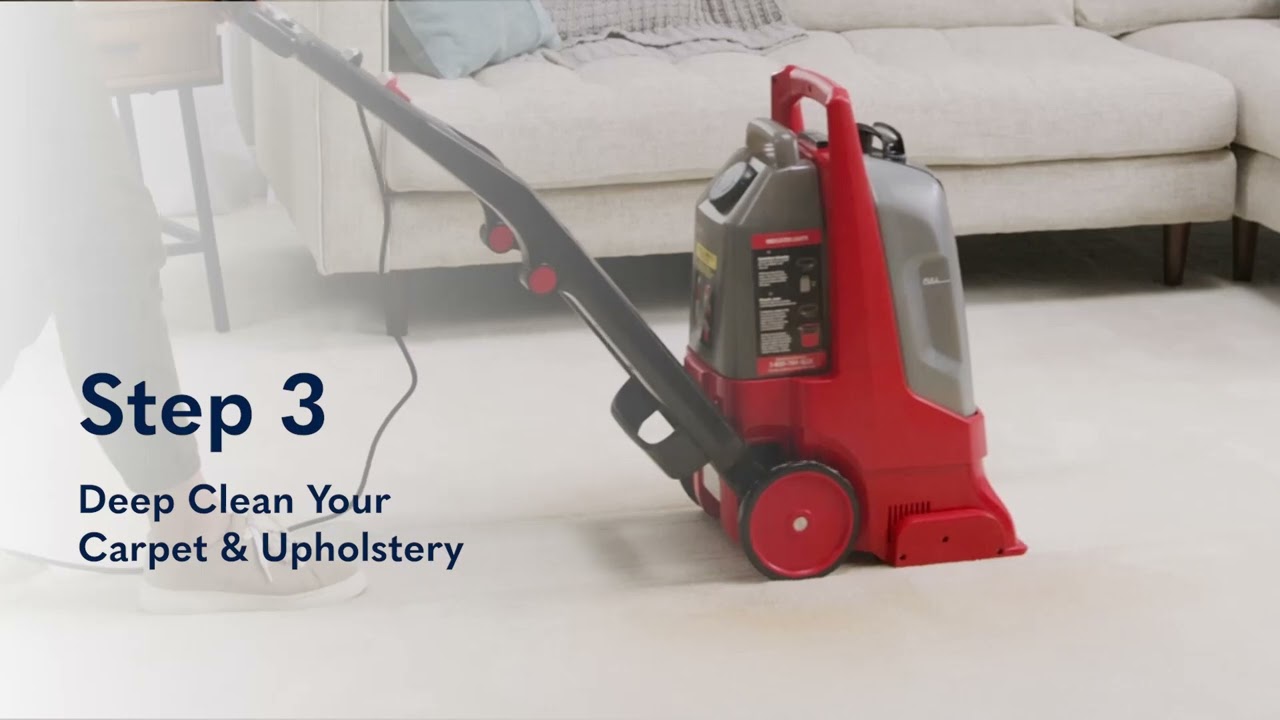
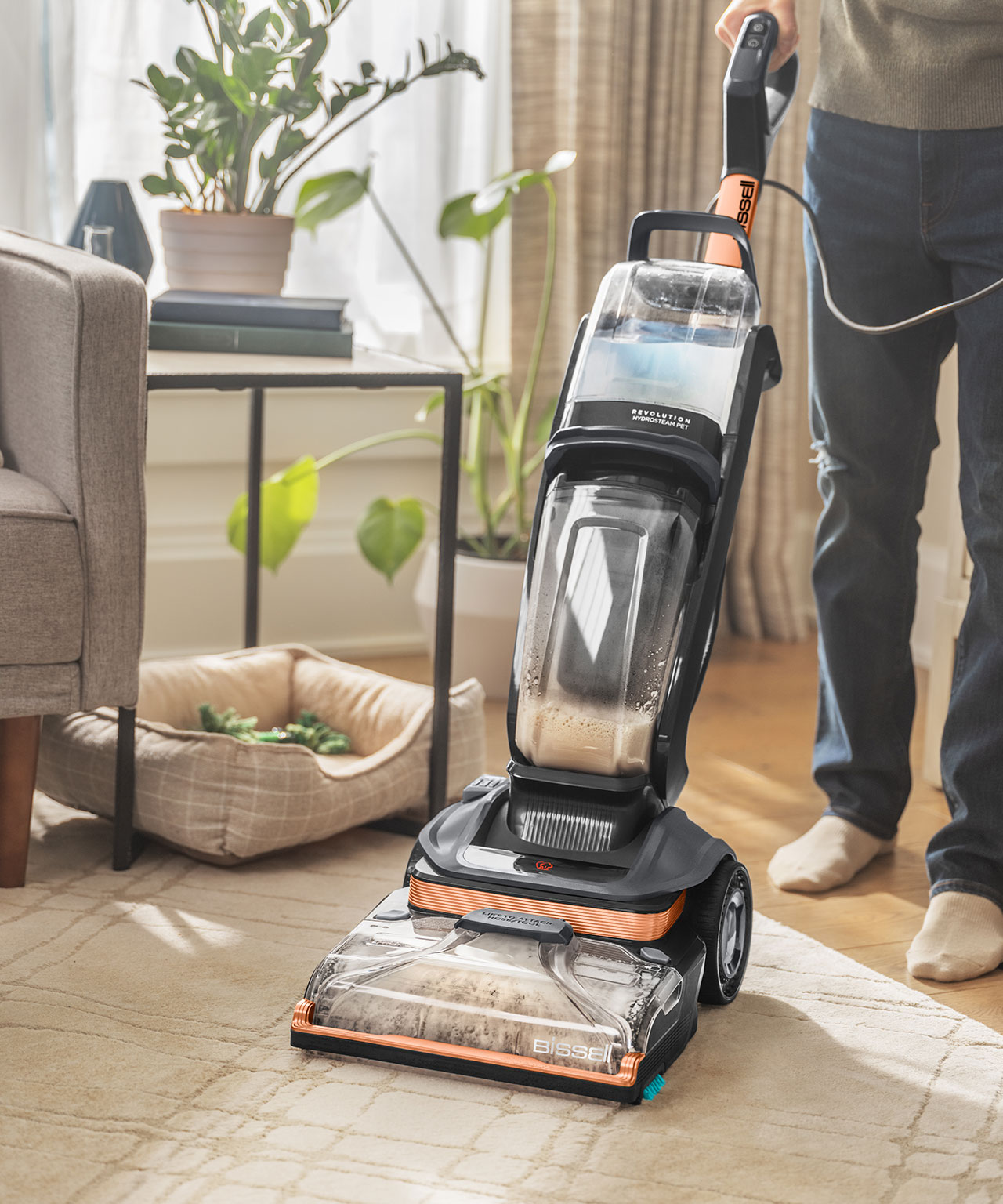
A carpet cleaner, sometimes called a deep cleaner or extractor, sprays a cleaning solution into carpet fibers and then vacuums it back up along with dirt and grime. Because of how the machine works, the solution you use matters a lot. Too much foam and the vacuum motor can overheat. Too much soap residue and your carpet actually attracts more dirt over time.
There are two main types of carpet cleaning solutions you will encounter. The first is detergent-based, meaning it contains surfactants that lift dirt. The second is enzyme-based, which breaks down organic stains like pet urine, food spills, or blood.
Knowing this difference helps you pick the right product for the job. For everyday maintenance, a mild detergent works great. For pet stains or mystery odors, go with an enzyme cleaner.
Safe Homemade Solutions You Can Use in a Carpet Cleaner
Not everyone wants to buy a commercial product, and that is totally fine. Some of the best carpet cleaning solutions are sitting in your pantry right now. I have used each of these on my own carpets at home, and they really do deliver solid results.
Here are the most reliable DIY options:
- White vinegar and water: Mix one part white vinegar to three parts warm water. It deodorizes, cuts mild grease, and is safe for most machines.
- Baking soda boost: Sprinkle baking soda on the carpet before cleaning. It neutralizes odors and adds gentle scrubbing power.
- Dish soap mix: Add one tablespoon of clear, unscented dish soap to one gallon of warm water. Avoid anything with bleach or heavy moisturizers.
- Hydrogen peroxide and dish soap: For tough stains, mix one quarter cup hydrogen peroxide with one tablespoon dish soap and one gallon of water. Test on a hidden spot first because peroxide can lighten some fibers.
- Rubbing alcohol spot mix: Combine one part rubbing alcohol with two parts water for ink or marker stains.
A quick personal tip: my grandmother used vinegar and water in her old Hoover steam cleaner for years, and that machine kept running strong. Vinegar is honestly one of the most underrated carpet cleaning agents out there.
Commercial Carpet Cleaner Solutions Worth Buying
Sometimes the stain is just too stubborn, or you want that professional-grade clean. That is where commercial solutions come in. These are formulated to work with specific machines and balance foaming, pH, and cleaning power.
Popular and trusted brands include:
- Bissell Professional Carpet Cleaner Formula
- Hoover CleanPlus Carpet Cleaner Solution
- Rug Doctor Deep Carpet Cleaner
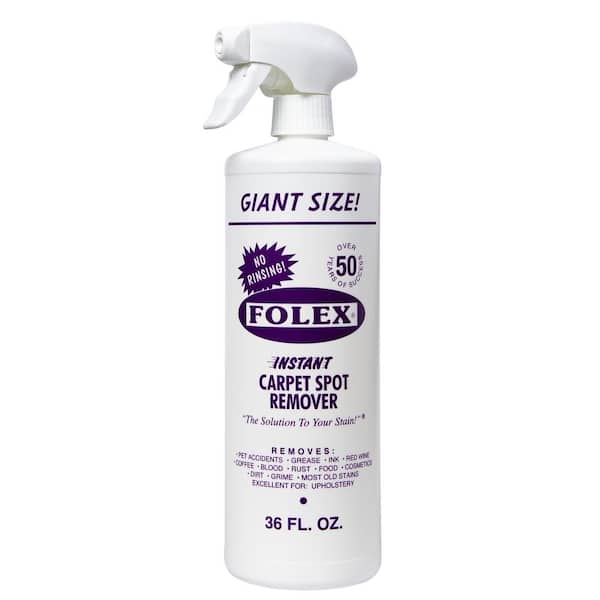
- Folex Instant Carpet Spot Remover
- Resolve Professional Carpet Cleaner
Each has its strengths. Bissell formulas are usually the go-to for pet messes. Rug Doctor tends to be more heavy-duty for rental machines. Folex is amazing as a spot treatment you can spray before running the machine over the area.
If you want zero residue and faster drying, look for formulas labeled "no rinse" or "low moisture." These are specifically designed for modern extractors.
What You Should Never Put in a Carpet Cleaner
This is where a lot of people mess up, sometimes permanently. Your carpet cleaner is not a magic vacuum that can handle anything. There are certain liquids that will damage the machine, void your warranty, or ruin your carpet.
Avoid these at all costs:
- Bleach or chlorine-based cleaners: They corrode internal seals and hoses.
- Fabric softener: It leaves a waxy coating that builds up over time.
- Laundry detergent: Too foamy and not designed for extraction machines.
- Oven cleaner: Way too harsh and toxic for indoor carpet use.
- Undiluted essential oils: They can gum up the system and may not be safe for pets.
I learned this the hard way early on. I thought laundry detergent would be a stronger option. It created so much foam that my cleaner actually leaked water out the bottom. Never again.
Tips for Getting the Best Results From Your Carpet Cleaner
Even the best solution will underperform if your technique is off. After hundreds of hours cleaning carpets in homes and rental properties, I have picked up some habits that truly make a difference.
Here are the golden rules:
- Vacuum thoroughly before using the carpet cleaner. This removes loose dirt so the solution can focus on embedded grime.
- Pre-treat stains. Spray a spot remover on tough spots and let it sit for five to ten minutes.
- Use warm water. It helps the solution activate and dissolve grease better.
- Do not overwet the carpet. Make slow, overlapping passes without flooding the area.
- Open windows or run fans. Faster drying means less chance of mold or mildew.
- Clean the machine after every use. Rinse the tank and run clear water through the system.
Trust me, these small steps turn a good cleaning into a great one.

How Often Should You Use a Carpet Cleaner?
Most homes and homes benefit from a deep carpet cleaning every six to twelve months. High traffic homes with kids or pets might need it every three to four months. Using the machine too often can wear out carpet fibers faster, but waiting too long lets dirt get ground deep where it is harder to remove.
A good rule of thumb is to clean whenever the carpet starts looking dull or feeling crunchy in high traffic zones.
Eco-Friendly and Pet-Safe Options to Consider
If you have pets or small children, you probably care about what touches your floors. The good news is there are plenty of non-toxic and biodegradable carpet cleaners on the market. Brands like Bio-Kleen, Puracy, and Seventh Generation offer plant-based formulas that are safe around curious paws and hands.
You can also make your own pet-safe mix using equal parts water and white vinegar with a few drops of pet-safe essential oil like lavender, if your pet tolerates it. Always do a small test patch to be sure.
Frequently Asked Questions
Can I use laundry detergent in my carpet cleaner?
No. Laundry detergent creates excessive foam that can damage the vacuum motor and leave sticky residue in your carpet. Stick to solutions designed for extractors or simple homemade mixes.
Is vinegar safe to use in a carpet cleaner?
Yes, diluted white vinegar is safe and effective. Mix one part vinegar with three parts water for deodorizing and light cleaning. Avoid using it on natural stone or silk carpets.
Can I put bleach in my carpet cleaner?
Absolutely not. Bleach corrodes rubber seals and internal parts and can permanently discolor your carpet. If you need a sanitizing boost, use a small amount of hydrogen peroxide instead.
What is the best homemade carpet cleaner solution?
A mix of warm water, white vinegar, and a tablespoon of dish soap is one of the most effective and safe homemade solutions. For odor control, sprinkle baking soda on the carpet before cleaning.
Can I use dish soap in my Bissell or Hoover carpet cleaner?
Yes, in small amounts. One tablespoon of clear dish soap per gallon of water works well. Just make sure the soap does not contain moisturizers or bleach, which can cause excess foam.
Final Thoughts
Your carpet cleaner is only as good as what you put in it. Stick with safe, proven solutions like vinegar, dish soap mixes, or trusted commercial formulas. Avoid harsh chemicals like bleach or laundry detergent that can harm your machine and your carpet. With the right solution and a little technique, you can get that professionally cleaned feel without paying for a professional.
Try one of these methods this weekend and see the difference for yourself. Got a stubborn stain or a question about your specific machine? Drop a comment below, I love helping people get the most out of their cleaning gear.