What Is Clean Oil: Benefits, Types & Maintenance 2026
Clean oil is lubricant free of harmful particles, water, and chemical breakdown.
If you have ever asked what is clean oil and why it matters, you are in the right place. I help teams keep engines, hydraulics, and turbines alive far beyond their design life. In this guide, I will explain what is clean oil in simple terms, show how to measure it, and share proven steps to keep it that way. You will see practical tips, hard-won lessons, and data-backed advice you can use today.
:max_bytes(150000):strip_icc()/__opt__aboutcom__coeus__resources__content_migration__serious_eats__seriouseats.com__images__2016__06__20160610-clarify-oil-with-gelatin-5-d240630567c8441b978aa60a1cdaa848.jpg)
What clean oil really means
When people ask what is clean oil, they often expect a simple answer. Clean oil is oil that meets set limits for particles, water, and chemical health. It also has the right viscosity and no sludge, varnish, or fuel dilution. In short, it is fit for service and safe for your parts.
Cleanliness is not a guess. It is measured by standards. The most common one is ISO 4406 for particle counts. It uses three numbers (like 18/16/13) to show how many particles are in a milliliter of oil at key sizes. Water is measured in parts per million or by relative humidity in oil. Chemical health uses tests like TAN, TBN, oxidation, and nitration. When you know these numbers, you can answer what is clean oil with data, not hope.
Why clean oil matters
When you know what is clean oil, you know why machines live longer. Fewer particles means less wear on pumps, bearings, and valves. Less water stops rust, sludge, and micro-diesel effects. Stable chemistry holds viscosity and film strength, so parts glide, not grind.
Industry surveys often link most hydraulic and lube failures to contamination. Lowering particle counts by just one ISO code step can cut wear rates in half. Clean oil also lowers energy use, reduces heat, and keeps warranties safe. That means fewer stops, fewer parts, and more uptime.
How oil gets dirty
It helps to learn what is clean oil by first seeing how oil gets dirty. Contamination sneaks in fast:
- Ingress from air: dust through vents, breathers, and poor seals.
- Built-in debris: machining swarf, paint chips, gasket crumbs.
- Wear particles: steel, copper, and aluminum from normal use.
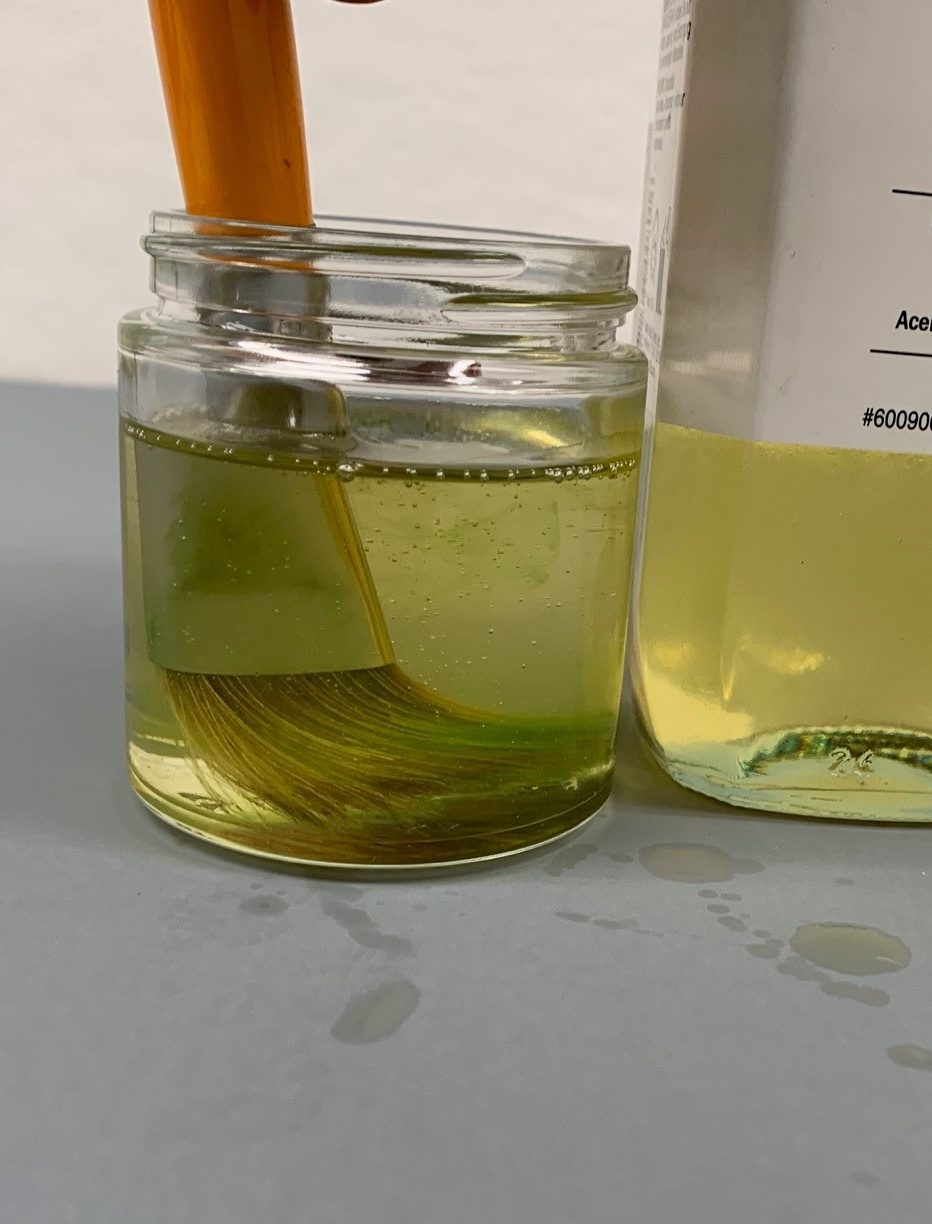
- Water: rain, wash-downs, coolant leaks, condensation.
- Fuel and glycol: injector drips, head gasket leaks.
- Chemistry shifts: oxidation, acids, varnish, soot, and sludge.
- Handling errors: open funnels, dirty transfer cans, wrong labels.
Most of this is preventable with simple habits and the right gear.

How to measure cleanliness
If you want a clear answer to what is clean oil, you need tests. Focus on a few key checks:
- Particle count (ISO 4406): Targets vary. Servo valves may need 14/12/9. General hydraulics often aim for 16/14/11. Gearboxes can run at 18/16/13 or better. Lower numbers mean cleaner oil.
- Water content: Use Karl Fischer for ppm accuracy. Keep it under 100–300 ppm for most hydraulics. For turbines, aim as low as practical. For ester fluids, also watch relative humidity.
- Viscosity at 40°C and 100°C: Stay within grade limits. Large shifts point to fuel dilution, shear, or oxidation.
- TAN/TBN: Rising TAN flags acid build-up and oxidation. Falling TBN in engines means less reserve to fight acids.
- PQ index/ferrous density: Finds large wear metal not seen by particle counters.
- Patch test and microscopy: A fast visual check that shows the type of debris.
Set targets by asset criticality, clearances, and OEM advice. Then trend the data. That is how you turn what is clean oil into a control plan, not a wish.

How to keep oil clean
Once you know what is clean oil, lock it in with simple steps:
- Use sealed storage: Closed, labeled drums or totes. Keep indoors and off the ground.
- Filter on the way in: Use a dedicated filter cart for every transfer. Choose high beta ratio elements with the right micron rating.
- Upgrade breathers: Swap dust caps for desiccant breathers or air filters on sumps and gearboxes.
- Fix seals and vents: Small leaks and open vents pull in dirt and water.
- Set sample points: Install proper valves at turbulent zones. Sample warm, live, and in the same way each time.
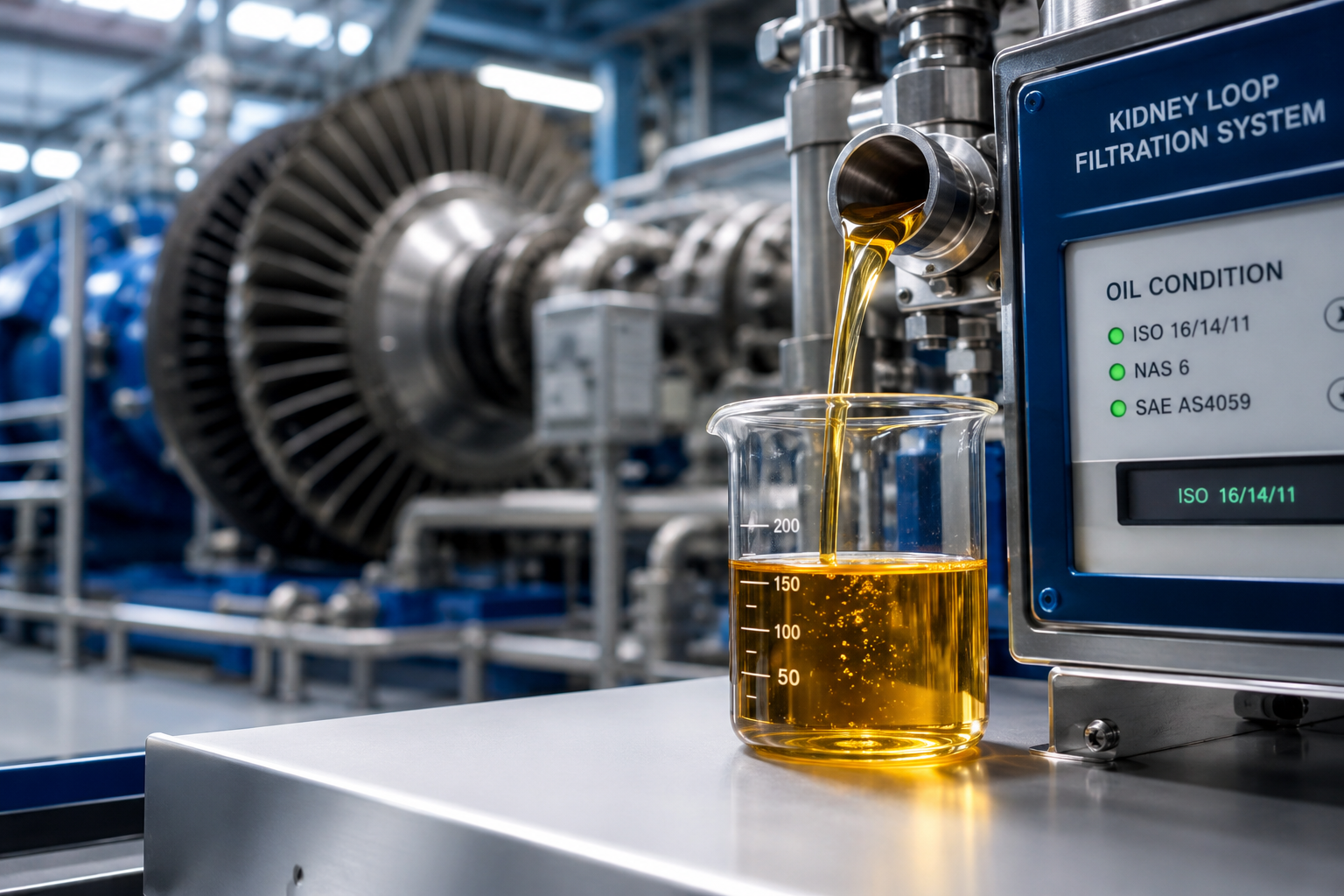
- Use kidney-loop filtration: Off-line filters run 24/7 without stopping the machine. Great for hydraulics, turbines, and big gearboxes.
- Control water: Use vacuum dehydration, coalescers, and breathers. Keep reservoirs warm and dry.
- Track oil mix-ups: Color-code oils and tools. One wrong top-up can undo months of care.
- Train the team: The best filter fails if the funnel is dirty.
I teach teams to embed these steps in daily checks. It is not fancy. It just works.
Personal lessons from the field
Here is a quick story that shaped how I explain what is clean oil. A plastics plant called me after three valve blocks stuck in one quarter. Their hydraulic oil tested at ISO 20/18/15 with 600 ppm water. We set a plan: sealed totes, filter cart transfers, desiccant breathers, and a kidney-loop skid. In six weeks, the oil dropped to 16/14/11 and under 100 ppm water. Failures stopped. Annual spend on valves fell by two thirds. The team became true fans of the phrase what is clean oil because they could see it on their line runs.
My mistakes taught me too. Early on, I trusted oil “fresh from the drum.” Lab tests showed new oil often arrives dirtier than your target. Now, I filter every drop before it touches a machine. Lesson learned.
Targets by system and oil type
Cleanliness targets depend on speed, load, and clearances. Use these common aims as a start, then tune by risk:
- Servo hydraulics and high-response valves: ISO 14/12/9 to 15/13/10. Water as low as you can.
- General hydraulics and injection molding: ISO 16/14/11. Keep water under 200 ppm.
- Turbine oils: ISO 16/14/11 or better. Water control is critical for foaming and varnish.
- Circulating gear oils: ISO 18/16/13. Use offline filters and water removal.
- Engine oils: Particle counts help, but soot, fuel dilution, and TBN/TAN trend matter more.
- Food-grade oils: Follow H1/H2 rules. Use sealed systems and high-efficiency filters.
Always check OEM guides and adjust for age, duty cycle, and safety. That is the precise path from asking what is clean oil to setting targets that match your plant.
Related concepts and common myths
A few myths often block progress:
- New oil is clean: Often false. Many new oils ship around ISO 20/18/15 or worse. Filter them.
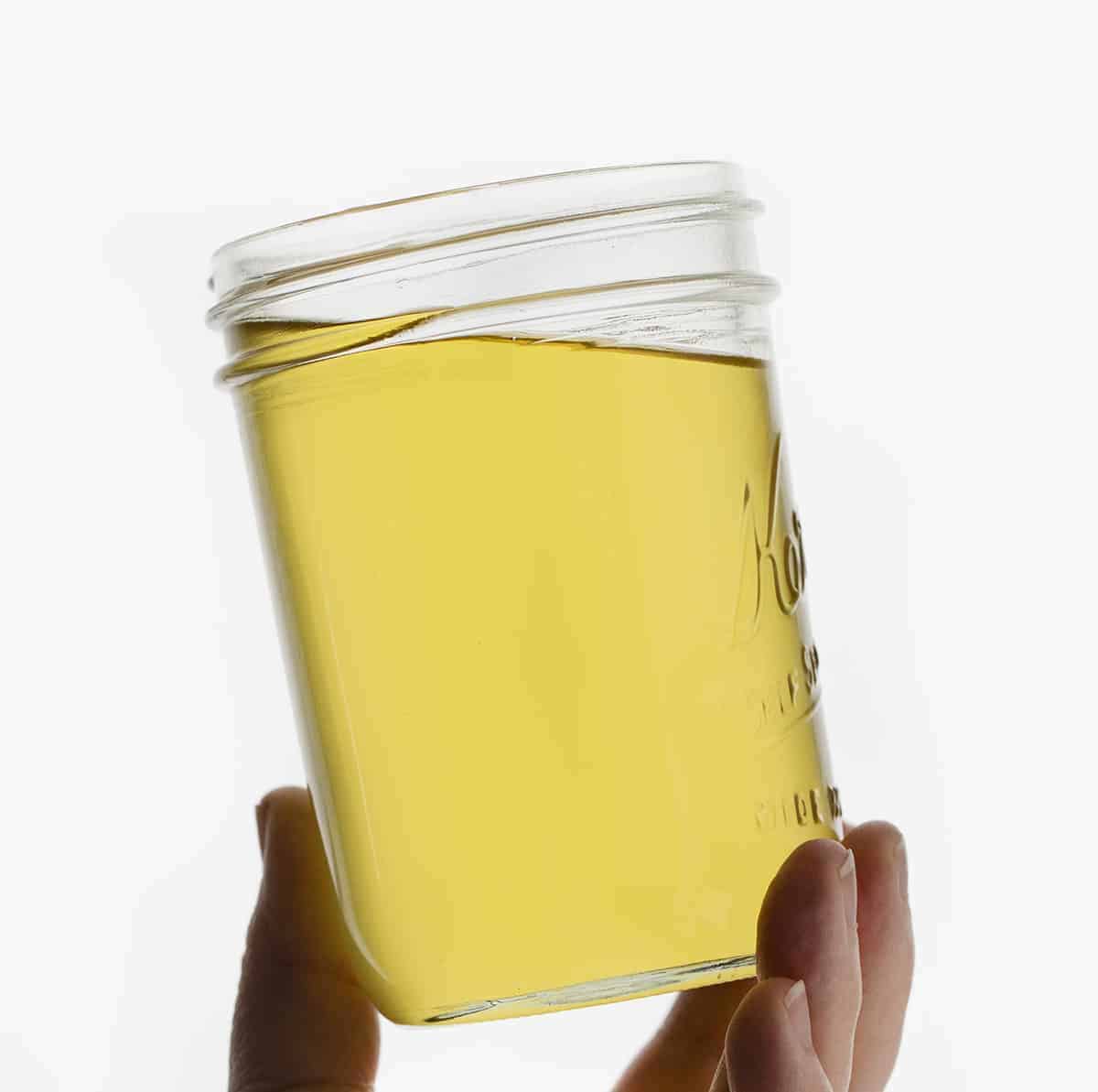
- Clear oil is clean: Color tells little. Use a lab and particle counts.
- One filter fits all: Not true. Match micron rating and beta ratio to your target and fluid.
- We cannot afford it: Start small. A breather and a filter cart often pay back in weeks.
Think of oil care like brushing your teeth. It is a small daily habit that saves big pain later. When you grasp what is clean oil, small wins stack up fast.
Frequently Asked Questions of what is clean oil
What is clean oil in simple terms?
Clean oil is lubricant with very low particles, low water, and stable chemistry. It meets set limits for your machine and holds the right viscosity.
How do I know if my oil is clean?
Test it. Check particle counts (ISO 4406), water content, viscosity, and TAN/TBN. Trend the results over time to see real changes.
Is new oil always clean enough?
No. New oil can be dirtier than your target. Filter new oil during transfer and confirm with a quick particle count.
How often should I test oil?
For critical assets, sample monthly or by run hours. For standard gearboxes, quarterly can work. Adjust based on risk and past results.
What micron filter should I use?
Match the filter to your target and fluid. Many hydraulics use 3–10 micron absolute elements, while gear oils often use 10–25 micron.
Does water always ruin oil?
Small amounts harm many systems, and free water is a red flag. Keep water as low as possible, and remove it with breathers or dehydration units.
Conclusion
Clean oil is not luck. It is a set of numbers you can reach and hold with simple habits. When you define what is clean oil for each asset, measure it, and protect it, machines last longer, stop less, and cost less to run.
Pick one asset today. Set a cleanliness target, add a desiccant breather, and filter every top-up. Then test in 30 days and see the gain. Want more tips like this? Subscribe, share your questions in the comments, and let me know where you want help next.