What Is Clean Fill: Guide, Uses, Costs & Rules 2026
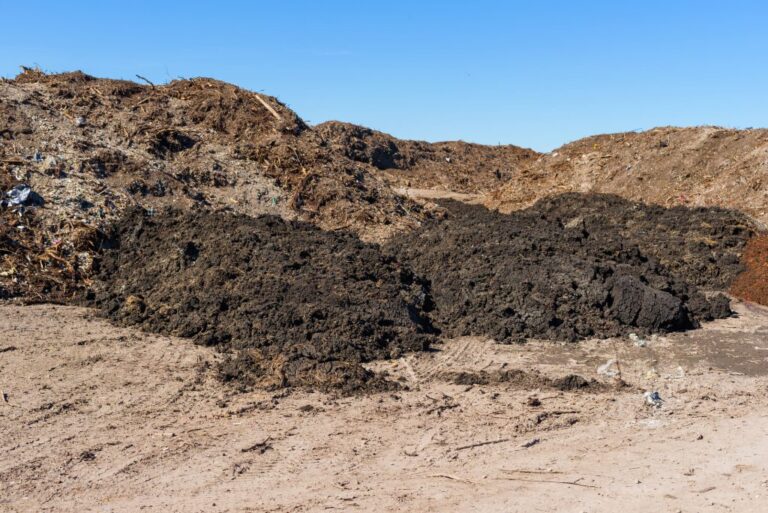
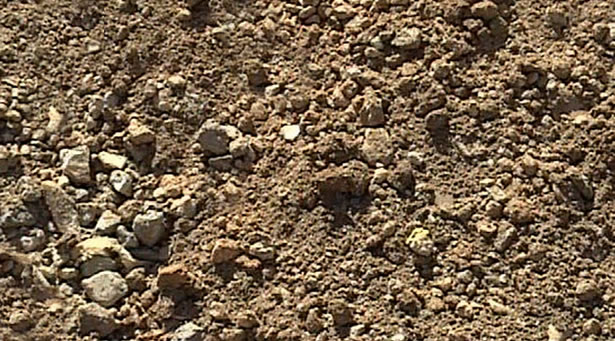
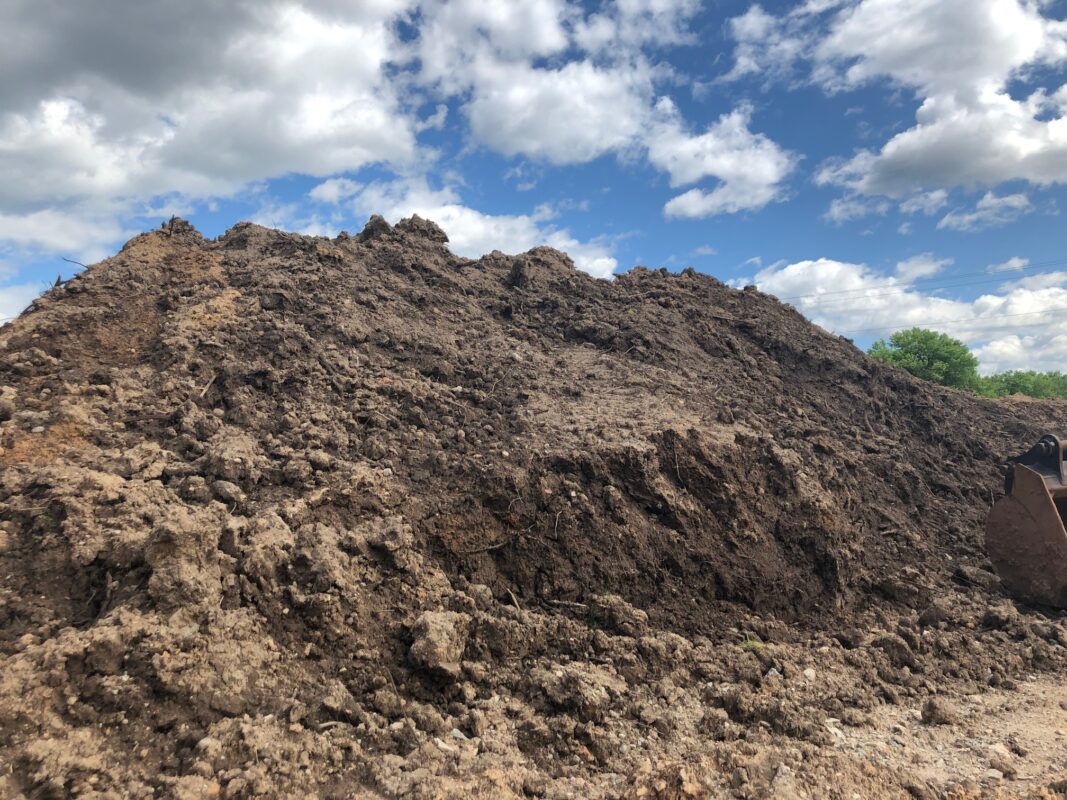
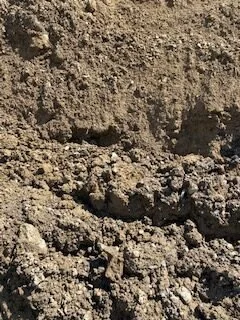
Clean fill is natural, uncontaminated material like soil, sand, rock, or gravel.
If you work in construction, landscaping, or real estate, you will face this term. You need clear rules, not guesswork. This guide explains what is clean fill from the ground up. I have managed fill on jobs from small yards to public works. Here you get plain language, real steps, and pro tips you can use today.
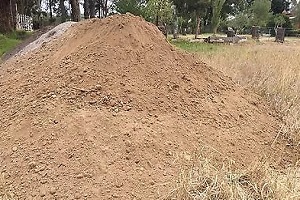
What is clean fill?
People ask what is clean fill when they plan a pad, driveway, or slope. Clean fill is inert earth material. It does not rot, leach, or harm soil or water. It comes from natural sources or approved recycling.
Typical clean fill includes:
- Uncontaminated soil from excavation
- Sand and gravel
- Rock and crushed stone
- Minimal root fragments that are free of soil pests
- Clean, unpainted brick or concrete where allowed by local rules
Not clean fill:
- Topsoil with organics for planting
- Asphalt with tar binders or coal tar
- Painted, coated, or treated materials
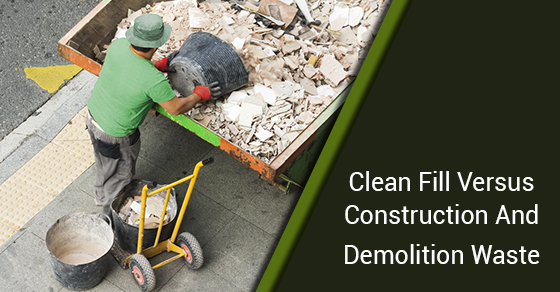
- Drywall, wood, plastic, glass, or trash
- Soil with odors, stains, or debris
- Industrial byproducts like fly ash
In plain terms, what is clean fill? It is safe, simple earth material fit for grading and backfill without special permits.
Key idea:
- The exact definition is local. Always check your state or city rules before you bring any load on site.
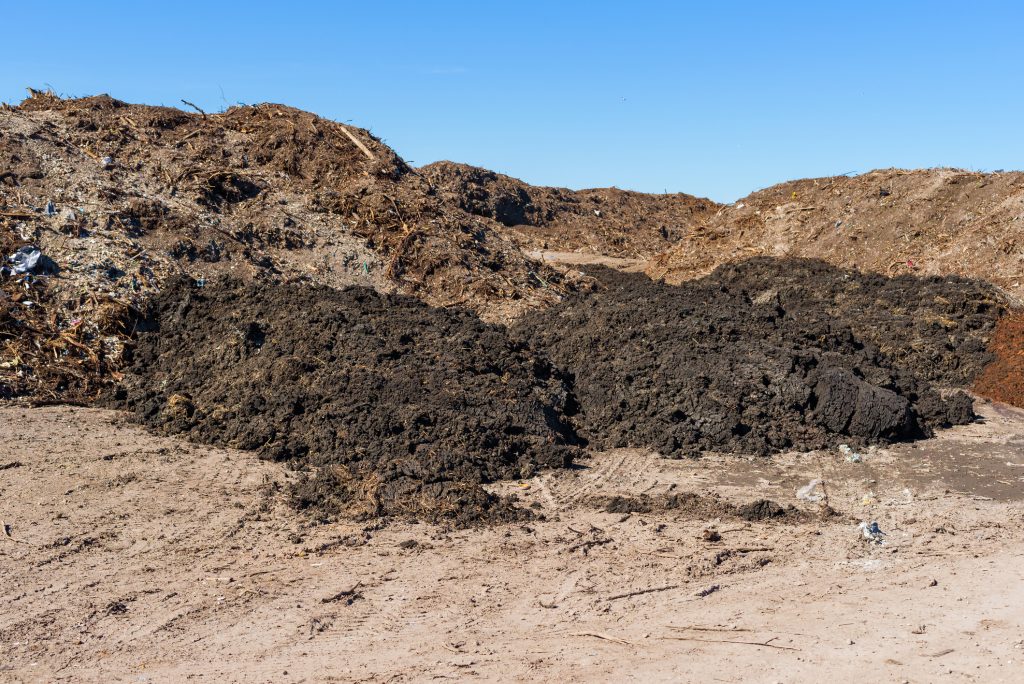
Why clean fill matters
If you know what is clean fill, you save time, money, and risk. It supports pads, drains well, and compacts tight. It also helps you avoid fines and tear-outs.
Benefits:
- Better compaction for slabs, walks, and roads
- Stable slopes with less settlement
- Simple handling and quick placement
- Lower disposal and import costs
- Fewer legal issues and site delays
Real-world note:
- On one school job, we used screened fill sand under sidewalks. It compacted fast and drained rain. Fewer callbacks. Fewer cracks. The owner was happy.
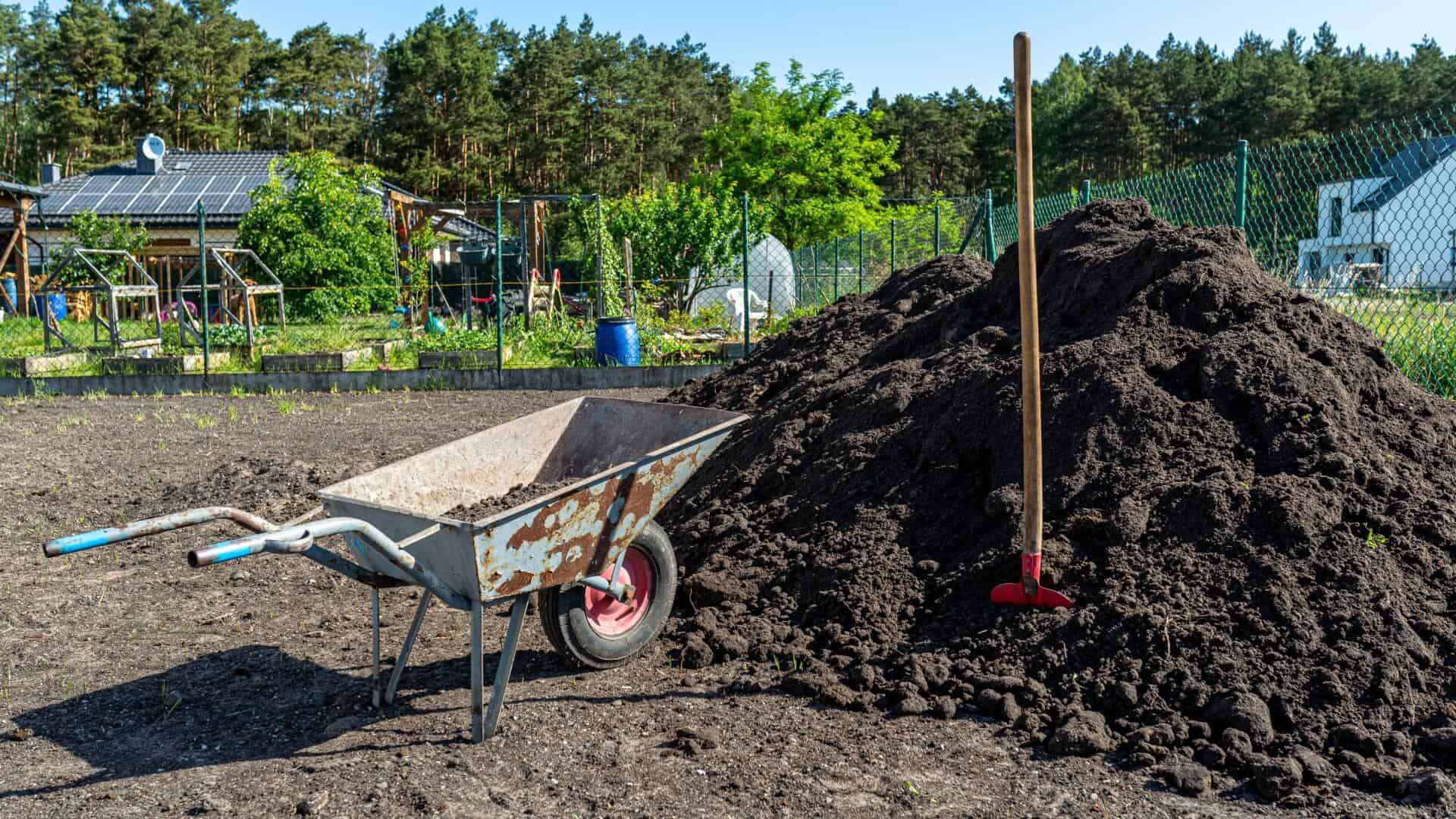
Types of clean fill
There is no single answer to what is clean fill. You choose based on use, code, and soil needs.
Common types:
- Clean fill soil. General-purpose subgrade fill. Best for building up low spots.
- Sand fill. Great for drainage and under slabs or utilities.
- Gravel or crushed stone. Ideal for high load areas, pads, and base courses.
- Rock or riprap. For slope armor, channels, and erosion control.
- Inert recycled aggregate. Clean, unpainted concrete or brick crushed to size. Only where rules allow and free of coatings and rebar.
Choose by function:
- Need tight compaction. Use well-graded gravel or soil with some fines.
- Need drainage. Use sand or open-graded stone.
- Need erosion control. Use rock or riprap with proper size.
Tip:
- Ask for a gradation if the job is structural. It tells you the mix of sizes.
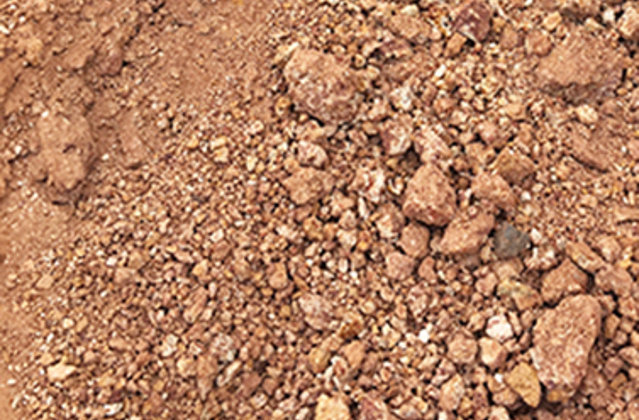
Regulations and testing
Agencies define what is clean fill by what it is and what it is not. Many use risk-based thresholds for metals and organics. Local rules control what is allowed and how much testing is needed.
Typical checks:
- Visual and smell check for stains, odor, and debris
- Basic soil screening for heavy metals and VOCs when source is unknown
- TCLP tests when required to assess leaching risk
- pH tests when placing near concrete or pipes
- Asbestos screen for older urban soils if there is a risk history
Good practice:
- Keep a source letter or clean fill certification from the supplier
- Document the site of origin and any lab reports
- Inspect every load on arrival. Reject if you see trash or stains
- Keep records for at least the life of the job
Note:
- Some states allow small amounts of brick or concrete as clean fill. Some do not. The rule book wins every time.
Sourcing and documentation
Ask suppliers to define what is clean fill in writing. That one step cuts most disputes.
Where to source:
- Reputable quarries and aggregate yards
- Licensed soil recyclers and transfer stations
- Direct from nearby digs with paperwork and tests
How to vet a source:
- Ask for the origin address and material type
- Ask for a current lab report if the fill is from urban or industrial areas
- Ask about screening and debris control
- Require a clean fill affidavit for each batch
Paper trail to keep:
- Delivery tickets with truck number and time
- Source letters and test results
- Load inspection logs with accept or reject notes
- Photos of suspect loads
My field rule:
- If you would not place it in your own yard, do not place it on your client’s site.

How to use clean fill on site
Before grading, confirm what is clean fill per your plan. Then set a simple workflow.
Steps that work:
- Strip organics. Remove sod and topsoil first.
- Place in thin lifts. Eight to twelve inches works for most soil.
- Compact each lift. Use a plate tamper, roller, or rammer as needed.
- Check moisture. Aim for damp, not wet or dusty.
- Test density for structural areas. Use field tests when specs require.
Tips from the field:
- Use smaller lifts near walls and pipes. Avoid undue pressure.
- Blend soil types at the seams to reduce weak planes.
- Place drainage layers where water collects. Sand saves headaches later.
- Mark buried utilities before any placement. Always call before you dig.
Common mistakes to avoid:
- Over-wet soil. It pumps and will not compact.
- Thick lifts. The top looks tight but the bottom stays soft.
- Mixing trash in the fill. You may have to dig it all back out.
Risks and limitations
Misunderstanding what is clean fill can trigger fines. It can also harm soil, water, and your schedule.
Main risks:
- Hidden contamination from unknown sources
- Poor drainage if you use too many fines
- Settlement under slabs from weak or wet layers
- Legal action if debris or regulated waste is found
Mitigation:
- Use known, tested sources
- Inspect every load
- Keep good records
- Follow the geotech report and local rules
Trade-offs:
- Cleaner, tested fill may cost more per yard
- But it saves rework, claims, and delays
Cost, bids, and budget
Bids vary based on what is clean fill in your region. Market demand, haul distance, and testing affect price.
Ways to control cost:
- Reduce haul by sourcing closer to the site
- Use the right material for the job, not the priciest option
- Plan staging so trucks can unload fast
- Avoid rework with solid inspection and compaction
Hidden costs to watch:
- Disposal fees if a load is rejected
- Standby time for trucks
- Extra lab tests from poor paperwork
- Regrading after rain due to poor drainage planning
Budget tip:
- Add a small contingency for wet weather and extra compaction passes.
Related terms and comparisons
You may wonder what is clean fill versus structural fill. The terms overlap, but they are not the same.
Quick comparisons:
- Clean fill. Safe, inert, and uncontaminated. Focus is on environmental safety.
- Structural fill. Engineered to meet density and strength. Focus is on support. It can be clean but must meet geotech specs.
- Common fill. General on-site material with little control. May not be ideal for structure or drainage.
- Topsoil. Great for plants. Not for structure due to organics.
- Engineered backfill. Specified material and compaction around foundations and utilities.
Rule of thumb:
- If it must hold a slab or wall, follow the geotechnical report. Do not guess.
Frequently Asked Questions of what is clean fill
What materials count as clean fill?
Clean fill is natural soil, sand, gravel, rock, and sometimes crushed concrete or brick that is unpainted and uncontaminated. It excludes trash, asphalt with tar, and treated or coated materials.
Can I use broken concrete as clean fill?
Yes, in some places, if it is unpainted, clean, and sized right. Always check local rules and the project spec first.
Do I need lab tests for clean fill?
If the source is known and low risk, visual checks may be enough. For urban or unknown sources, basic lab tests are smart and sometimes required.
How is clean fill different from topsoil?
Clean fill supports grading and structure. Topsoil has organics for plants and is not for load-bearing layers.
Can clean fill be free?
Sometimes, but free fill can be risky if undocumented. Get source details, test results, and a clean fill statement in writing.
How much compaction is needed?
Follow the spec or geotech report, often 90 to 95 percent of maximum density for structural areas. Place in thin lifts and test as needed.
Is asphalt millings clean fill?
Often no, due to binders and potential contaminants. Some regions allow limited use under strict rules; confirm locally.
Conclusion
Clean fill is simple in name but strict in practice. When you know what is clean fill, you can pick the right material, meet code, and build work that lasts. Use verified sources, inspect every load, and compact in thin lifts. Keep your paperwork tight.
Put this guide to work on your next job. Review your local rules, align with your geotech report, and brief your crew. Want more tips like this? Subscribe, share your questions, or leave a comment with your project details.