What Is A Dental Cleaning Procedure: Simple Guide 2026
A dental cleaning procedure is a professional visit that removes plaque and tartar safely.
If you want strong teeth, fresh breath, and a healthier smile, this guide is for you. I’ll walk you through what is a dental cleaning procedure with clear steps, expert tips, and real-world advice. You will learn how the visit works, why it matters, and the small habits that make a big difference over time.
What is a dental cleaning procedure? The basics
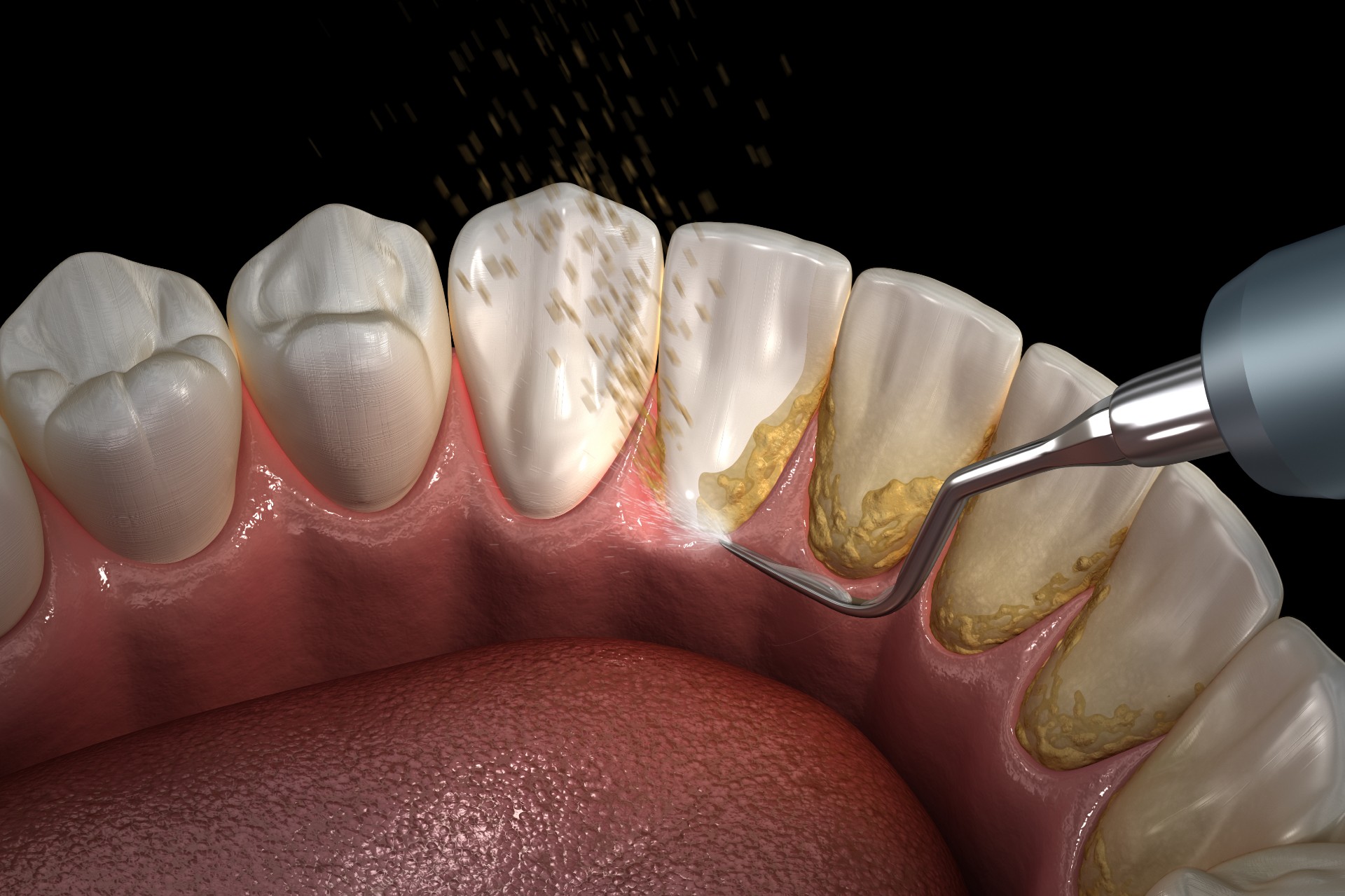
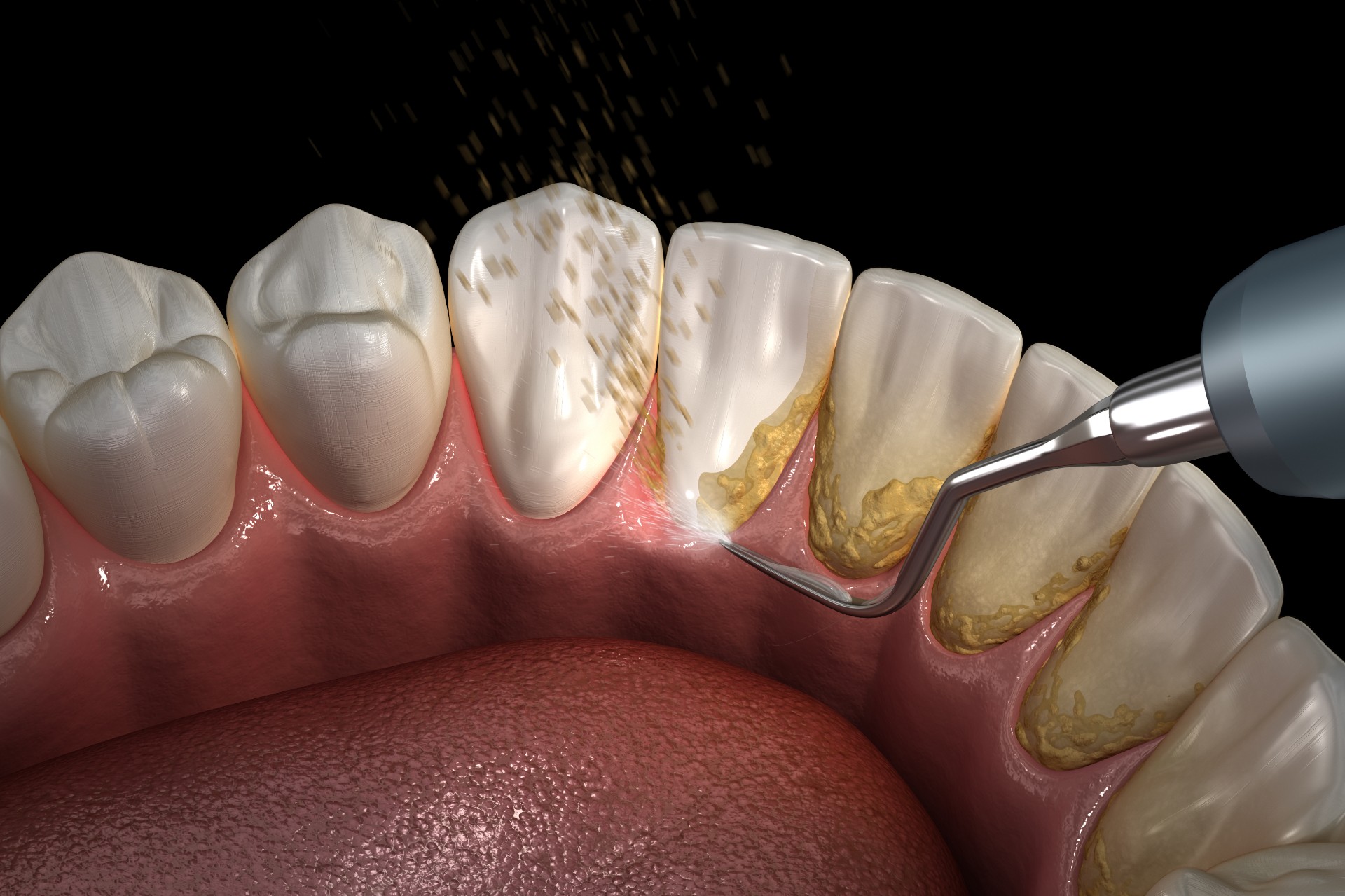
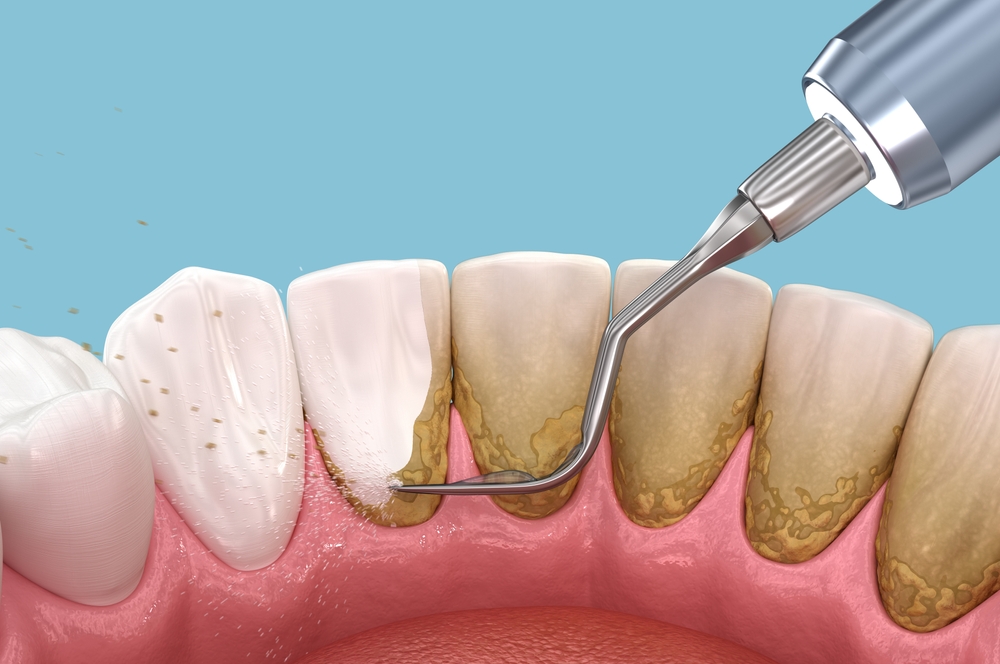
A dental cleaning procedure is a preventive appointment where a dentist or dental hygienist removes plaque and tartar. They clean above and below the gumline to reduce inflammation and protect your gums and teeth. This care helps stop gingivitis and can slow or prevent periodontitis.
If you have asked yourself what is a dental cleaning procedure, think of it as a reset for your mouth. Your at-home routine handles daily buildup. The professional cleaning handles the hard, stuck-on deposits you can’t remove on your own.
Key parts include:
- Checking your health history and risk factors to plan your care.
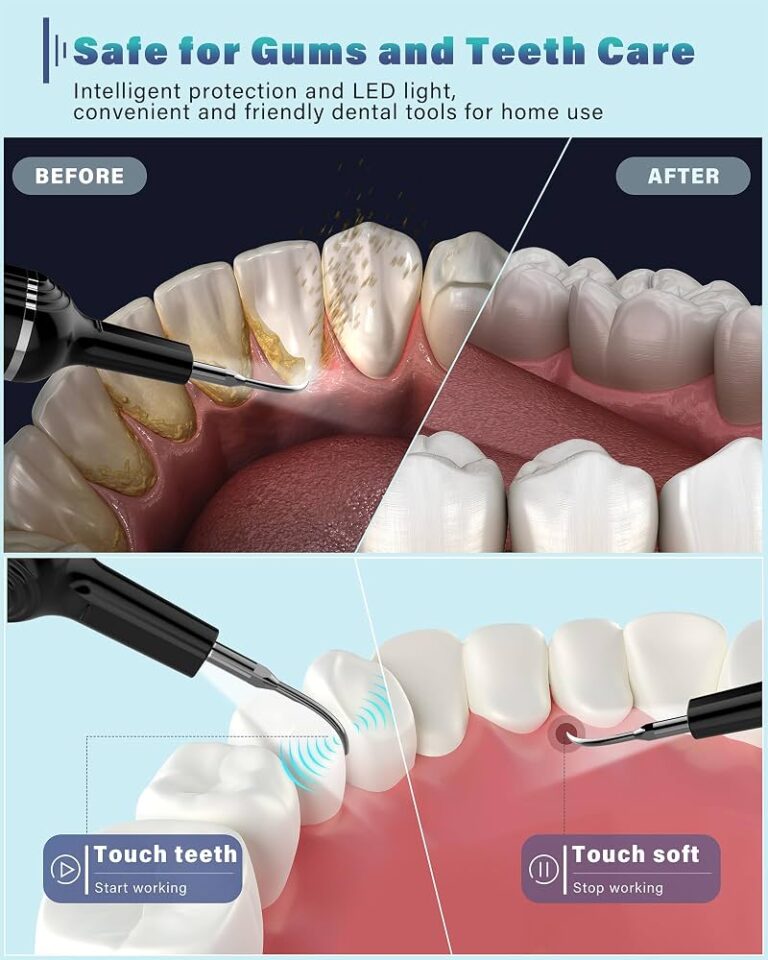
- Removing plaque and tartar with ultrasonic tools and hand instruments.
- Polishing and flossing to smooth surfaces and remove stain.
- Fluoride or other treatments to strengthen enamel when needed.

Step-by-step: What happens during a dental cleaning procedure
If you have ever wondered what is a dental cleaning procedure from start to finish, here is a simple flow.
- Medical and dental review. Your provider asks about medications, allergies, and recent changes.
- Exam and gum measurements. They may measure pocket depths and look for bleeding or recession.
- X-rays when needed. These help find decay, bone loss, and tartar below the gums.
- Plaque and tartar removal. An ultrasonic scaler loosens deposits. Hand tools refine tight spots.
- Polishing. A soft cup and paste smooth surfaces to slow new buildup.
- Flossing. The team removes any paste left and checks contact points.
- Fluoride or desensitizer. This step helps reduce sensitivity and strengthen enamel.
- Home-care coaching. You get tips tailored to your mouth and lifestyle.
- Next steps. You schedule the right recall interval and any follow-up care.

Types of dental cleanings and when each is used
Not all cleanings are the same. Your gums and bone level guide the choice.
- Routine prophylaxis. For healthy gums or mild gingivitis. Done on a regular schedule.
- Periodontal maintenance. For patients with past gum disease. Focuses on deeper areas and ongoing stability.
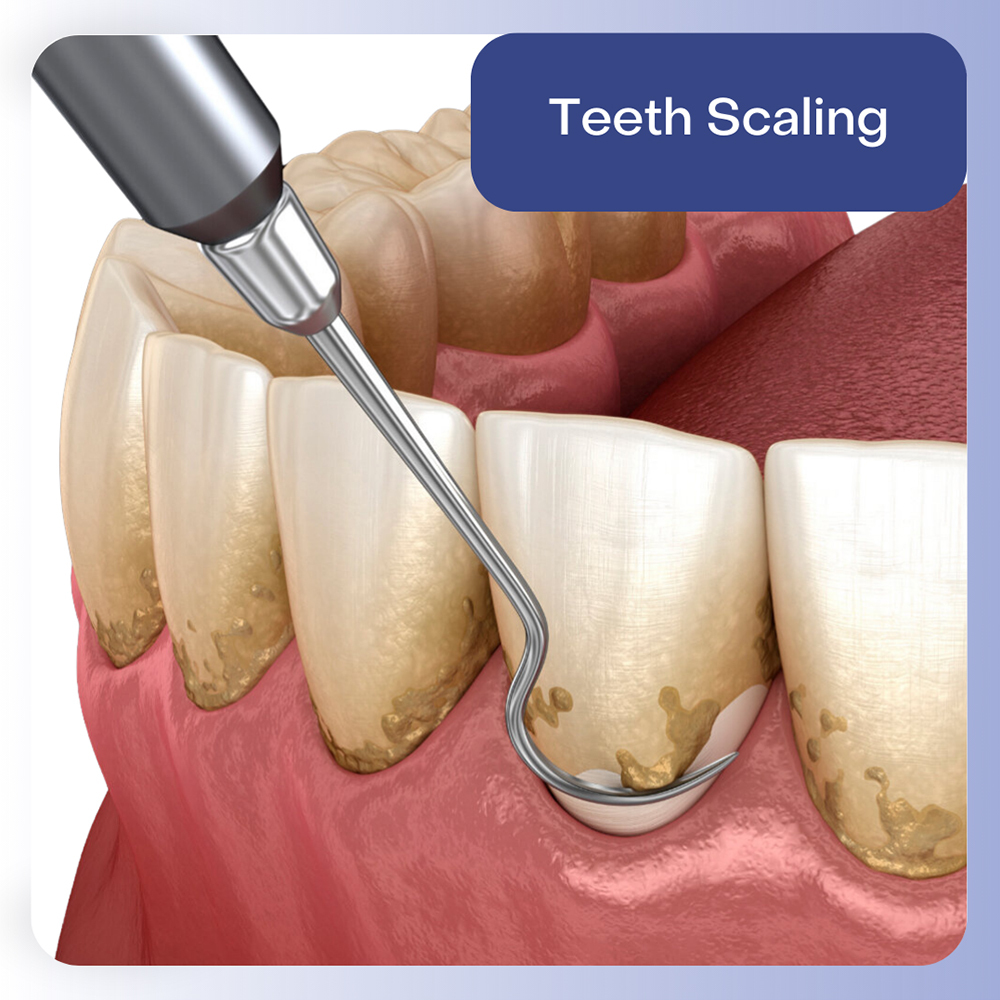
- Scaling and root planing (deep cleaning). For active periodontitis. Removes deposits under the gums and smooths roots.
- Full-mouth debridement. Used when heavy buildup blocks a full exam. It clears the way for a complete evaluation.
Each type still answers the question of what is a dental cleaning procedure, but the depth of care and goals differ.
Benefits, limitations, and risks
A balanced view helps you set real expectations.
Benefits:
- Lowers your risk of gum disease and tooth loss.
- Freshens breath and reduces bleeding and swelling.
- Helps catch problems early, which saves money and time.
- Supports whole-body health by reducing oral inflammation.
Limitations:
- It is not a whitening treatment, though some stain lifts.
- Results are not permanent without daily home care.
- Very deep problems may need periodontal or surgical care.
Possible side effects:
- Short-term sensitivity to cold or touch.
- Mild soreness or bleeding for a day or two.
- Rare gum irritation if you brush too hard after.
These points are consistent with current clinical guidance and common chairside experience.
Who needs it, how often, and red flags you should watch
What is a dental cleaning procedure schedule? It depends on your risk.
Common intervals:
- Every 12 months for very low-risk adults with great home care.
- Every 6 months for most healthy patients.
- Every 3 to 4 months for higher-risk patients or those with gum disease.
Your risk rises with smoking or vaping, dry mouth, diabetes, braces, pregnancy, and a high-sugar diet.
Red flags you should not ignore:
- Bleeding when brushing or flossing.
- Bad breath that does not improve.
- Gums that look puffy or recede.
- Hard, yellow or brown tartar near the gums.

Preparation and aftercare
Good prep makes the visit smoother and faster.
Before your visit:
- Brush and floss as usual, but do not scrub hard.
- Eat a light snack and drink water. Stay hydrated.
- Bring a list of medications and note any health changes.
- Tell the team about sensitivity, anxiety, or time limits.
After your visit:
- If you got fluoride, wait 30 minutes before eating or drinking.
- Choose soft foods and mild temperatures for the day if tender.
- Use a desensitizing toothpaste if cold bothers you.
- Brush gently, floss daily, and avoid smoking or vaping.
If soreness lasts more than two days or gets worse, call your dentist.

Cost, time, and insurance basics
Here is a simple overview for US readers. Actual fees vary by region and provider.
- Routine prophylaxis may range from about $75 to $200.
- Periodontal maintenance often ranges from about $90 to $250.
- Scaling and root planing can range from about $200 to $400 per quadrant.
- Fluoride can add about $20 to $50. X-rays can range from about $25 to $150.
- Visits run 30 to 90 minutes, based on your needs.
Many plans cover two routine cleanings a year. Periodontal care may have different limits. Ask your office to check benefits and give a pre-estimate. Use HSA or FSA funds if you have them.
When people ask what is a dental cleaning procedure going to cost, the most honest answer is, it depends on your mouth and the type of cleaning you need.
At-home care that supports your dental cleaning procedure
Your daily routine keeps your results going.
- Brush twice a day with a fluoride toothpaste. Consider an electric brush.
- Clean between teeth daily with floss or interdental brushes.
- Rinse with a fluoride or alcohol-free mouthwash if your dentist suggests it.
- Limit frequent snacking and sugary drinks. Sip water often.
- If you grind your teeth, ask about a night guard.
- Treat dry mouth with saliva substitutes and frequent sips of water.
This is where what is a dental cleaning procedure meets your habits. The team handles deep cleanup. You handle the day-to-day defense.
Choosing a provider and questions to ask
A good fit lowers stress and boosts results.
What to look for:
- Clear communication and gentle technique.
- Modern tools and strong infection control.
- A plan based on your risk, not a one-size approach.
Smart questions:
- Will you measure my gums and track pocket depths?
- Do you use both ultrasonic and hand instruments?
- What is my personalized interval and why?
- How do you manage sensitivity or dental anxiety?
- What is included in the fee, and what is extra?
These questions frame what is a dental cleaning procedure for your unique mouth and goals.
My experience: what I’ve learned from hundreds of cleanings
Over the years, I have sat chairside with many patients who dreaded cleanings. The turning point is almost always comfort, clarity, and small wins. When people understand what is a dental cleaning procedure and why each step matters, they relax.
Practical lessons:
- Numbing gel on the gums can make a big difference. Ask for it early.
- A sip of water before you sit helps with dry mouth and reduces gagging.
- If cold bothers you, request warm water from the ultrasonic scaler.
- Track your gum scores like fitness stats. Celebrate lower bleeding points.
- Do not skip floss the week before your visit. It can cut soreness after.
Common mistakes to avoid:
- Brushing extra hard before the appointment. It can irritate your gums.
- Delaying care because of fear. Tartar hardens and makes the next visit harder.
- Assuming six months fits everyone. Risk-based timing works better.
Frequently Asked Questions of what is a dental cleaning procedure
How long does a dental cleaning procedure take?
Most routine visits take 30 to 60 minutes. Deep cleanings or complex cases can take 60 to 90 minutes or more.
Does a dental cleaning procedure hurt?
Mild pressure or sensitivity is common, but sharp pain is not. Tell your provider so they can use numbing gel or adjust tools.
Is a dental cleaning procedure necessary if I brush and floss?
Yes. Daily care cannot remove hardened tartar once it forms. Professional tools reach spots your brush and floss cannot.
What is the difference between a dental cleaning and a deep cleaning?
A routine cleaning focuses above the gums. A deep cleaning (scaling and root planing) removes deposits below the gums and smooths roots.
Can a dental cleaning procedure whiten my teeth?
It removes surface stains, which can make teeth look brighter. It does not bleach the enamel like a whitening treatment.
How often should I get a dental cleaning procedure?
Most people do well every six months. Higher-risk patients often need every three to four months, while very low risk can be yearly.
What should I avoid after a dental cleaning procedure?
Avoid very hot or very cold foods if you feel sensitive. If you had fluoride, wait 30 minutes before eating or drinking.
Conclusion
A dental cleaning procedure is simple, science-backed care that protects your gums, brightens your smile, and helps prevent bigger problems. You now know what is a dental cleaning procedure, the steps involved, the types available, and how to keep results strong at home.
Take the next step. Book your visit, ask smart questions, and commit to one small daily habit this week. If you found this helpful, share it, subscribe for more practical oral health guides, or leave a question in the comments so I can help.