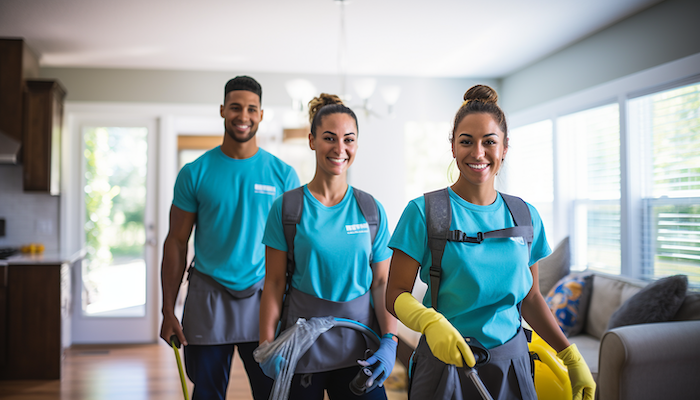
How To Set Up A Cleaning Business From Home: 2026 Guide
Starting a cleaning business from home is one of the easiest ways to become your own boss with low startup costs and steady demand. You can launch a profitable home-based cleaning business in just a few weeks with the right planning, legal setup, and marketing strategy.
I've helped friends and small business owners map out their launch plans, and the ones who succeed share a few habits: they start lean, treat every client like gold, and learn the business side as they go. Whether you're dreaming about leaving your 9-to-5 or just want a flexible side hustle, running a cleaning business from home is a realistic path. In this guide, I'll walk you through every step, from choosing your niche to landing your first paying clients, so you can build a cleaning business that actually grows.
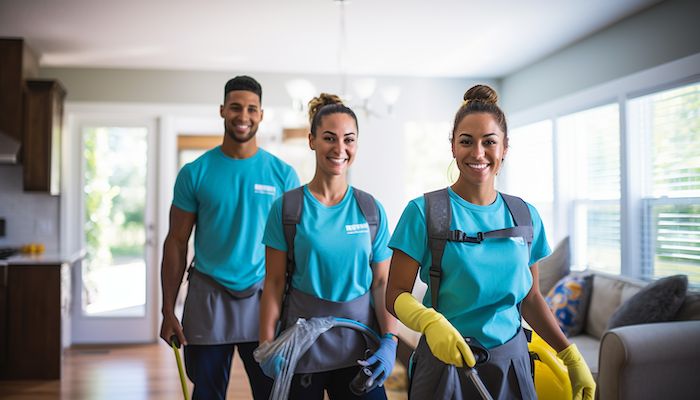
Why a Home-Based Cleaning Business Is a Smart Move in 2025
The cleaning industry is booming, and it's one of the few service-based businesses that practically runs itself once you get the foundation right. The U.S. cleaning services market is worth over $60 billion and continues to grow year after year, driven by busy professionals, aging populations, and post-pandemic hygiene awareness.
What makes this opportunity special is the low barrier to entry. You don't need a fancy office, expensive equipment, or a business degree. Many successful cleaning companies started in someone's spare bedroom with a vacuum cleaner and a few spray bottles. As the owner, you get to set your own hours, pick your clients, and scale at your own pace, all while working from home.
Pick the Right Cleaning Niche for Your Business
Before you start scrubbing toilets, take a minute to think about what kind of cleaning you actually want to do. Choosing a niche helps you stand out, attract the right clients, and charge higher rates.
Here are some popular cleaning niches to consider:
- Residential cleaning, including regular house cleaning, deep cleaning, and move-in/move-out cleaning
- Commercial cleaning, such as offices, retail stores, and medical facilities
- Specialty services like carpet cleaning, window washing, or post-construction cleanup
- Eco-friendly or green cleaning for clients who want non-toxic products
- Airbnb and short-term rental turnovers, which are in huge demand in tourist areas
When I started exploring this space, I noticed that niche cleaning businesses often charge 20 to 40 percent more than general ones. For example, eco-friendly cleaning attracts health-conscious clients willing to pay a premium, while Airbnb turnovers bring in recurring weekly income. Pick a niche that matches your skills, interests, and local demand.
Create a Simple Business Plan
You don't need a 50-page business plan, but you do need a clear roadmap. A solid plan keeps you focused, helps you spot problems early, and gives you a way to measure progress.
Include these key elements in your plan:
- Your target market and ideal client
- The services you'll offer and your pricing structure
- Startup costs, including supplies, insurance, and marketing
- Monthly revenue goals and break-even point
- Growth plans for the first 12 months
Keep it to one or two pages. The goal is clarity, not complexity. Treat it like a GPS for your business, simple, accurate, and easy to update as you learn.
Handle the Legal Side and Set Up Your Business Properly
This part sounds boring, but skipping it is one of the biggest mistakes new cleaning business owners make. Getting the legal stuff right protects you, your clients, and your future income.
Here are the basic legal steps:
- Choose a business structure. Most home-based cleaning businesses start as a sole proprietorship or LLC. An LLC gives you personal liability protection and is easy to set up online.
- Register your business name with your state or county.
- Get an EIN (Employer Identification Number) from the IRS, even if you don't plan to hire employees right away.
- Open a separate business bank account to keep your finances clean and organized.
- Check local licensing requirements. Some cities require a general business license or a specific cleaning service permit.
I always tell people not to skip the LLC step. It costs a little more upfront, but it separates your personal assets from your business and builds trust with clients.
Get the Right Insurance Coverage
Insurance might not be exciting, but it's essential. One accident or broken item could cost thousands of dollars without coverage.
Here are the main types of insurance to consider:
- General liability insurance to cover accidental damage or injuries on the job
- Bonding, which protects clients against theft and gives you a competitive edge
- Workers' compensation insurance if you plan to hire employees
- Commercial auto insurance if you use your vehicle for business
Most clients feel more comfortable hiring a bonded and insured cleaner. You can often get a basic policy for under $500 a year, which is well worth the peace of mind.
Buy the Right Cleaning Supplies and Equipment
You don't need to spend a fortune on supplies, but investing in quality tools will save you time and make your work look more professional.
Here's a basic starter kit:
- A reliable commercial vacuum cleaner
- Microfiber cloths and mop pads
- Eco-friendly cleaning solutions or your own DIY mix
- Spray bottles, buckets, and squeegees
- Protective gloves and masks
- A sturdy caddy or backpack to carry everything
Pro tip from my own experience: start with the essentials and upgrade as you grow. You can always add a carpet cleaner or pressure washer once you start earning more. Many clients also appreciate when you bring your own supplies, so don't rely on them to provide anything.
Set Smart Pricing That Actually Makes You Money
Pricing is where most new cleaning business owners get stuck. Charge too little and you'll burn out. Charge too much and you'll struggle to find clients. The key is finding the sweet spot that reflects your value and covers your costs.
Here are some common pricing models:
- Hourly rates, usually between $25 and $50 per hour for residential cleaning
- Flat-rate pricing per job, which clients often prefer for predictability
- Per-square-foot pricing for larger homes or commercial spaces
Research what other cleaners in your area charge, then price your services based on your experience, niche, and the value you provide. A deep cleaning service for a 2,000-square-foot home might cost $200 to $300, while a standard weekly clean could be $100 to $150. Remember, cheap prices attract cheap clients. Aim for fair rates that respect your time and skill.

Build a Professional Brand and Online Presence
Even a small home-based cleaning business needs a professional image. Clients want to feel confident that you're legit, reliable, and easy to work with.
Start with these branding basics:
- Choose a clean, simple business name and logo
- Create a basic website with your services, pricing, and contact info
- Set up social media profiles on Facebook and Instagram
- Collect customer reviews on Google, Yelp, and Nextdoor
- Design business cards and a simple flyer for local marketing
You don't need to spend thousands on branding. A $50 logo and a DIY website using platforms like Wix or Squarespace can look just as good as a fancy agency design. The goal is to look professional enough that clients feel comfortable booking you online.
Market Your Cleaning Business and Find Your First Clients
Marketing is where the magic happens. Without clients, even the best cleaning business won't survive. The good news is, you can start marketing today without a big budget.
Try these proven marketing strategies:
- Ask friends and family for referrals and offer a small thank-you bonus
- Post in local Facebook groups and neighborhood apps like Nextdoor
- Distribute flyers door-to-door in your target neighborhoods
- Partner with real estate agents, property managers, or Airbnb hosts
- Run a small Google or Facebook ad targeting your local area
- Offer a first-time discount or referral program to attract new clients
When I look back at cleaning businesses that scaled quickly, they all had one thing in common: they got their first 10 clients through personal networks. Once you have happy customers, ask for reviews and referrals. Word of mouth is the most powerful marketing tool in the cleaning industry.
Create a System for Bookings, Scheduling, and Invoicing
Running a cleaning business from home gets messy fast if you try to manage everything in your head. Setting up simple systems early saves you hours every week and helps you look more professional.
Here's what to organize first:
- A booking system using tools like Google Calendar, Calendly, or a cleaning-specific app
- A client management spreadsheet or CRM to track customer info and job history
- Invoicing software like QuickBooks, FreshBooks, or Wave to send professional invoices
- A simple contract or service agreement to protect both you and your clients
- A checklist for each job so nothing gets missed
Automating these tasks early on frees up your time to focus on cleaning and growing your business. Plus, clients love getting automatic reminders and easy online payments.
Know When It's Time to Hire Help and Scale Up
Once your calendar starts filling up, you'll eventually hit a point where you can't take on more work alone. That's a great problem to have, and it's the perfect time to think about hiring.
Here are some signs you're ready to scale:
- You're turning away clients because you're fully booked
- You're working more than 40 hours a week and still can't keep up
- Clients are asking for additional services you don't have time to offer
- You've built a steady base of recurring clients
When you do hire, start with one reliable part-time helper and train them to match your quality standards. Treat them well, pay them fairly, and build a culture of trust. Scaling a cleaning business is much easier when you have a dependable team that shares your standards.
Frequently Asked Questions
How much does it cost to start a cleaning business from home?
You can start a basic residential cleaning business for as little as $500 to $1,500. This covers cleaning supplies, basic insurance, a simple website, and some initial marketing. Commercial or specialty cleaning may require more investment in equipment.
Do I need a license to start a cleaning business?
It depends on your state and city. Most areas require a general business license, and some may require a specific cleaning service permit. Check with your local small business administration or city clerk's office to make sure you're fully compliant.
How long does it take to start making money?
Many home-based cleaning businesses land their first paying client within two to four weeks. With consistent marketing and great service, you can build a full client roster and reach steady monthly income within three to six months.
Should I charge hourly or flat rates?
Hourly rates work well for deep cleans and unpredictable jobs, while flat rates are better for recurring residential clients who want predictable costs. Many successful cleaners use a mix of both depending on the service.
How do I get my first cleaning clients?
Start with friends, family, and neighbors. Post on local social media groups, distribute flyers, and offer a first-time discount. Asking for referrals and collecting online reviews early on will help you grow faster.
Final Thoughts
Starting a cleaning business from home is one of the most practical and profitable small business ideas out there. With low startup costs, growing demand, and the freedom to set your own schedule, it's a smart move for anyone looking to build something of their own. Focus on delivering great service, treat every client like your only one, and keep learning as you grow. The cleaning industry rewards consistency, reliability, and quality, and those are things you can control from day one. Now grab your cleaning caddy, put together your business plan, and take that first step. Your future self will thank you for it. If you found this guide helpful, feel free to share it with someone who's thinking about starting their own business, and drop a comment below with your questions or success stories.