What Is In Eat Cleaner Spray: Full Ingredient Breakdown
Eat Cleaner Spray is a plant-based fruit and vegetable wash made with citric acid, baking soda, and essential oils designed to remove wax, pesticides, and dirt from produce.
If you care about what goes on your food before it hits your plate, you've probably heard about Eat Cleaner Spray. I started using it years ago after a trip to a farm where I watched apples get pulled straight from the tree and rinsed under a hose. That image stuck with me. Store-bought produce doesn't get that kind of gentle treatment. It travels, gets handled, waxed, and sprayed to look pretty. So when I discovered a simple spray that could help clean it at home, I was all in. After hundreds of uses, I can tell you exactly what's inside the bottle, how it works, and whether it's worth a spot next to your dish soap.

What Is Eat Cleaner Spray and How Does It Work
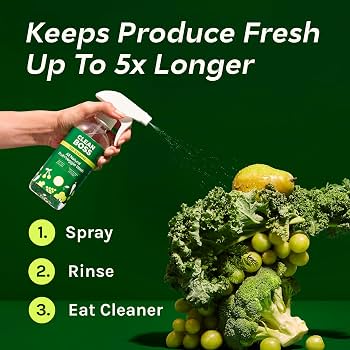
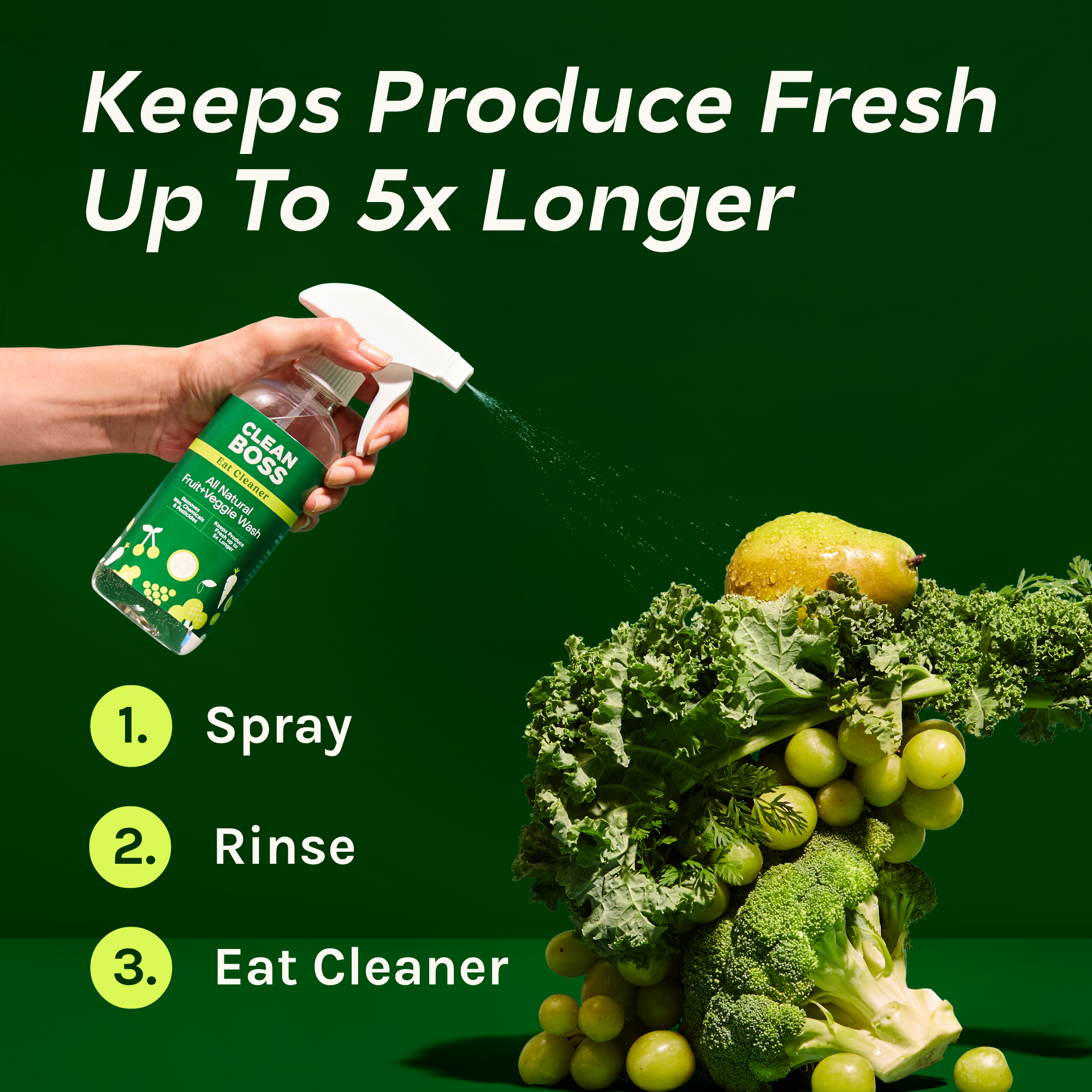
Eat Cleaner Spray is a ready-to-use produce wash that comes in a spray bottle. You spray it directly on fruits and vegetables, let it sit for about 30 seconds, then rinse or rub it off under running water. The formula is designed to break down the waxy coatings, surface residues, and water-resistant chemicals that plain water can't remove on its own.
The product was created by a company focused on food safety for families. It started as a kitchen staple for parents who wanted an extra step between grocery bag and cutting board. Over time, it grew into a trusted brand because it actually works without harsh chemicals.
I keep one bottle in my fridge door and another tucked beside my sink. After using it on everything from strawberries to bell peppers, I noticed a real difference in texture and smell. The produce looked cleaner, and the water running off carried away visible grime I never even knew was there.
Key Ingredients in Eat Cleaner Spray
The ingredient list is short, simple, and food-friendly. Here's what you'll find on the label.
- Citric acid, a natural acid from citrus fruits that breaks down wax and pesticide residues
- Sodium bicarbonate (baking soda), a gentle abrasive that helps lift dirt and neutralize acids
- Plant-based surfactants, mild soap-like compounds that help the formula stick and spread evenly
- Essential oils, such as lemon or grapefruit, for natural scent and added cleaning power
- Filtered water, used as the base to keep the formula stable and safe
- Potassium sorbate, a mild preservative that keeps the product fresh in the bottle
There's no bleach, no alcohol, and no synthetic fragrance. The spray is also free from common allergens like gluten and dairy. The formula is biodegradable, so you can feel good about rinsing it down the drain.
Why You Should Use a Produce Wash Like Eat Cleaner
Even if you buy organic, your produce still touches a lot of surfaces before it reaches you. Think about it. Workers pick it, machines sort it, trucks transport it, and store employees stock it. A produce wash adds one more layer of protection that water alone can't match.
From my own experience, the biggest change came with soft fruits. Strawberries, blueberries, and grapes used to go bad within days. After switching to a spray wash routine, they lasted longer and tasted fresher. I also noticed less grit on leafy greens like spinach and kale, which usually hide soil in the folds.
This isn't just about looks. Waxes can trap bacteria, and pesticide residues have been linked to health concerns over time. A quick spray is a small habit that pays off in peace of mind.
How to Use Eat Cleaner Spray the Right Way
Using the spray is easy, but a few small steps make it work even better.
- Spray generously on dry produce before rinsing
- Let the formula sit for 30 seconds to break down residue
- Rub gently with your hands or a soft brush for stubborn spots
- Rinse thoroughly under cool running water
- Pat dry with a clean towel or spin in a salad spinner
For items with thick skin like melons or avocados, you still want to wash the outside before cutting. Bacteria from the rind can transfer to the flesh when you slice through. A quick spray before cutting keeps the inside safer.
I also use it on herbs like parsley and basil. Just a light mist, a gentle swish in a bowl of water, and the grit floats right off. It saves me from chewing on a sandy bite of cilantro.
Common Questions About Eat Cleaner Ingredients
Is it safe for all types of produce? Yes, it's gentle enough for soft berries, leafy greens, and even baby carrots. The formula is non-toxic and food-grade.
Does it change the taste of fruits? No, when rinsed properly, it leaves no flavor behind. The essential oils add a faint citrus scent that fades quickly.
Can I use it on organic produce? Absolutely. Organic fruits can still carry natural wax, soil, and handling residue. A wash helps remove all of it.
Is it better than DIY vinegar washes? Homemade mixes often smell strong and can leave a vinegary taste. Eat Cleaner is balanced, mild, and ready to use without mixing.
What Makes Eat Cleaner Different From Other Produce Washes
Most produce washes on the market fall into two camps. Some are too harsh, with strong chemicals that feel risky around food. Others are too weak, basically just scented water. Eat Cleaner hits the middle ground.
The formula is powered by food-safe acid and gentle surfactants, not industrial cleaners. It removes what it should without stripping natural protective layers from the produce. That's a big deal. You want clean food, not stripped food.
I tried at least three other brands before settling on this one. Some left a film, others had overpowering scents. Eat Cleaner was the first one that felt like it belonged in my kitchen, not a science lab.
Where to Buy and What to Look For
You can find Eat Cleaner Spray at most major grocery stores, including Walmart, Target, and Whole Foods. It's also available online through Amazon and the brand's website. Look for the original fruit and vegetable wash formula, and check that the bottle is sealed properly.
The 16-ounce spray bottle is the most common size and lasts about a month with regular use. There's also a travel-size version that fits in a gym bag or carry-on, which is perfect for washing produce on the go or at a hotel.
Things to Keep in Mind
While the spray is effective, it's not a magic fix. It works on the surface, so it won't reach pesticide residues that have soaked into the skin of thin fruits. For those, peeling is the only real option.
Also, always rinse after spraying. The wash is safe, but it's meant to lift residue, not stay on the food. A quick rinse ensures everything washes away cleanly.
Some people with very sensitive skin might notice mild tingling from the citric acid. If that happens, just wear gloves or use a brush instead of your hands. It's a small adjustment that keeps the routine easy.
Final Thoughts
Eat Cleaner Spray takes the guesswork out of washing produce. With a short list of safe, food-grade ingredients, it does what water can't without adding anything you don't want. From apples to zucchini, a quick spray is a habit that fits into any kitchen routine.
After years of daily use, I still keep a bottle within arm's reach. It saves time, cuts down on waste, and gives me confidence that my family is eating the cleanest version of our food possible. Give it a try on your next grocery haul and see the difference for yourself.
If you found this guide helpful, share it with a friend who's always wondering how to clean produce the right way. Drop a comment below with your favorite fruit to wash, and let me know how it goes.