What Is In Eyeglass Cleaner Spray: Ingredients Revealed
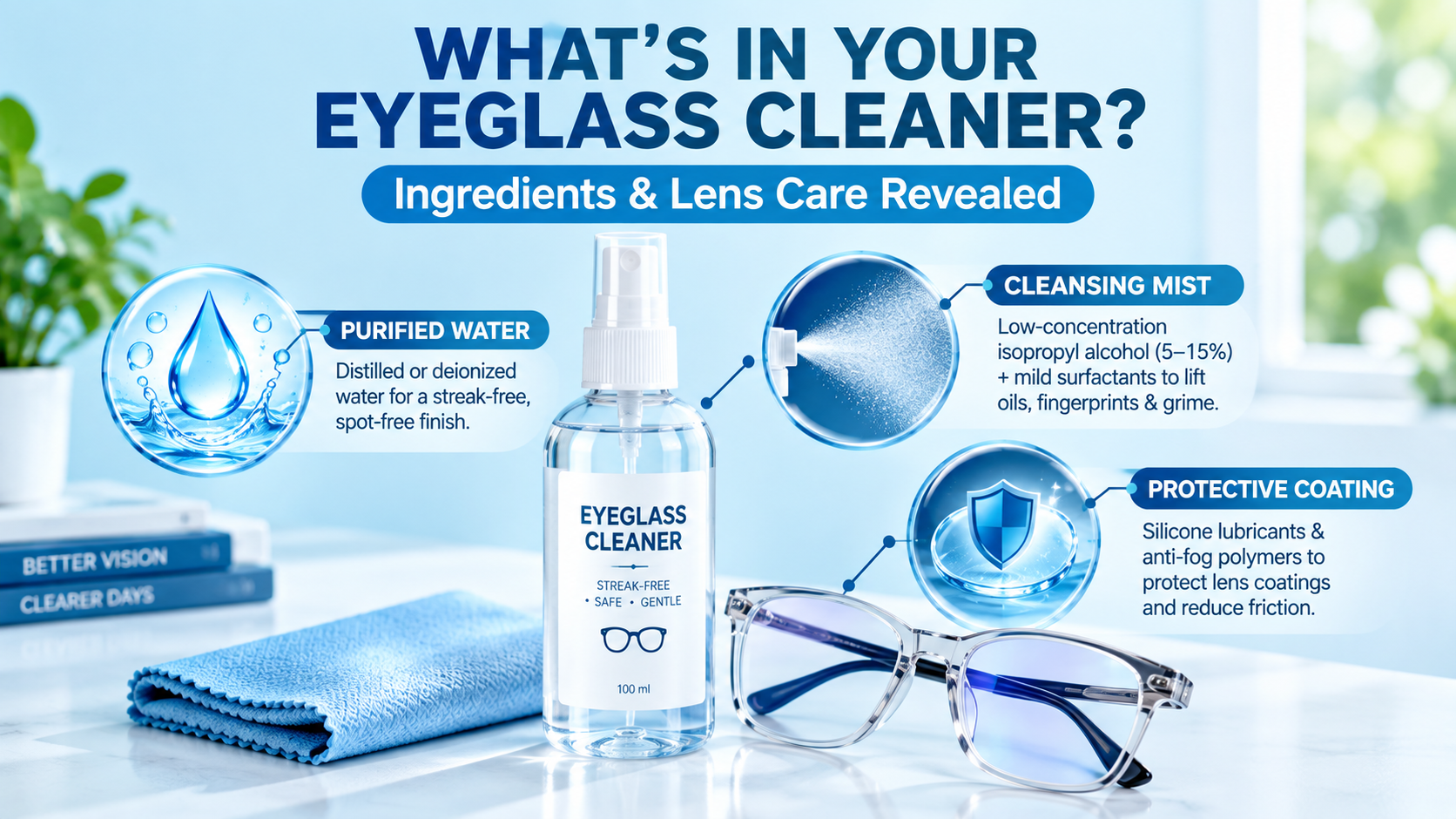
Eyeglass cleaner spray typically contains purified water, isopropyl alcohol, mild surfactants, and sometimes silicone-based lubricants or anti-fog agents to safely clean lenses without streaking.
If you've ever wondered what makes that little bottle of eyeglass cleaner work so well at removing smudges, dust, and oily fingerprints, you're not alone. I remember when I first started wearing glasses years ago, I had no idea what was actually inside that spray. I'd just grab the bottle, mist my lenses, and wipe them down with whatever cloth was nearby. After learning more about lens care, I realized the ingredients matter more than I thought. Whether you use store-bought spray or a DIY mix, knowing what's in your eyeglass cleaner helps you protect your lenses, your eyes, and even your wallet.
Common Ingredients Found in Eyeglass Cleaner Spray
Most commercial eyeglass cleaners share a similar core formula. They blend a few simple ingredients that work together to lift dirt and leave lenses crystal clear. Let's break down what you typically find inside the bottle.
Purified or Distilled Water
Water acts as the main base for almost every eyeglass cleaner. Purified or distilled water is preferred because it contains fewer minerals than tap water. Minerals like calcium and magnesium can leave behind spots or streaks once the water evaporates. Using distilled water keeps the final wipe clean and clear.
In DIY recipes, distilled water is a must. I learned this the hard way when I tried using tap water in a homemade mix and ended up with cloudy spots on my lenses. Lesson learned: always use distilled water if you're mixing your own solution.
Isopropyl Alcohol
Isopropyl alcohol is a common active ingredient in most sprays. It helps dissolve oily residues, fingerprints, and smudges that water alone can't remove. Alcohol also evaporates quickly, which speeds up drying and reduces streaking.
Most formulas use a concentration between 5% and 15% alcohol. Higher concentrations can damage certain lens coatings, especially anti-reflective or hydrophobic layers. If your glasses have specialty coatings, check the label or stick to gentler options.
Mild Surfactants or Detergents
Surfactants are the cleaning agents that lift dirt and oil off the lens surface. In eyeglass cleaners, these are usually very mild. Common surfactants include gentle compounds like coco-glucoside or other plant-derived cleaners. Their job is to break the surface tension of water so it can spread evenly and grab onto grime.
You won't see harsh detergents like sulfates in quality eyeglass sprays. These could strip coatings or irritate skin if contact happens near your eyes.
Silicone-Based Lubricants
Some premium sprays include silicone compounds or similar lubricants. These additives help reduce friction when you wipe your lenses. Less friction means fewer tiny scratches over time. They can also leave a thin protective layer that repels dust and water.
I noticed a real difference when I switched to a spray with silicone. My lenses stayed cleaner longer, and wiping felt smoother. If you wear glasses all day, this small upgrade can feel like a big deal.
Anti-Fog Agents
Anti-fog additives are becoming more popular, especially for people who wear masks, work outdoors, or move between hot and cold environments. These ingredients create a thin film that reduces surface tension, preventing water droplets from forming fog.
Common anti-fog compounds include surfactants or specialized polymers. They don't last forever, but they can buy you several hours of clear vision in tricky conditions.
Preservatives
Because most eyeglass cleaners are water-based, they need preservatives to prevent bacterial and fungal growth. Preservatives are usually present in tiny amounts, but they're important for shelf stability. Common options include mild compounds like benzalkonium chloride or phenoxyethanol.
If you have sensitive skin or allergies, it's worth checking the ingredient list. Some people react to certain preservatives, even in small doses.
Optional Fragrance or Dye
Some brands add a light fragrance or a subtle color to make the product feel more pleasant. These ingredients don't affect cleaning power. They're purely cosmetic. If you prefer a clean, unscented formula, look for fragrance-free versions. Many optometrist-recommended sprays skip dyes and scents altogether.

How These Ingredients Work Together
A good eyeglass cleaner isn't just one magic ingredient. It's the balance of several components working as a team. Here's how the formula plays out in real life:
- Water dilutes and spreads the active ingredients across the lens surface.
- Alcohol cuts through oily fingerprints and helps it dry fast.
- Surfactants grab onto dirt and lift it away from the glass or coating.
- Silicone or lubricants reduce friction during wiping and add a light protective layer.
- Anti-fog agents help prevent condensation in humid or temperature-shifting environments.
This combination is what makes the spray so effective compared to wiping your glasses with a dry cloth, which often just smears oil around.
Are DIY Eyeglass Cleaner Sprays Safe?
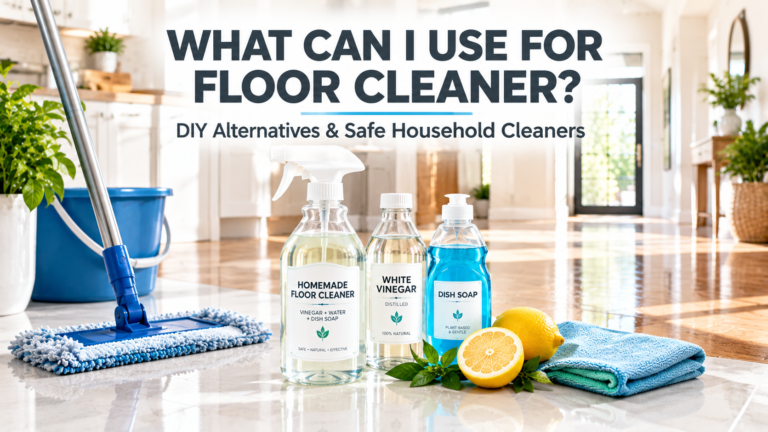
Many people prefer making their own cleaner at home. A simple DIY mix usually includes:
- Distilled water (around 90%)
- A small amount of isopropyl alcohol (around 10%)
- A drop or two of mild dish soap (optional)
This basic recipe works for most standard lenses. Still, I always caution against using homemade solutions on glasses with anti-reflective, blue light, or mirror coatings. Alcohol and even mild soap can slowly wear down these layers over time.
Also, never use vinegar, ammonia, bleach, or window cleaners like Windex on your eyeglasses. These are too harsh. They can strip coatings, damage frames, and even cause eye irritation if residue remains.

What Ingredients Should You Avoid in Eyeglass Cleaner?
Not every cleaner is made equal. Some products contain ingredients that can do more harm than good. Watch out for:
- High concentrations of alcohol (over 20%) can weaken lens coatings.
- Ammonia or bleach damages anti-reflective layers.
- Acetone or harsh solvents can cloud plastic lenses.
- Heavy fragrances or dyes may irritate sensitive eyes.
- Tap water in the formula can leave mineral spots.
If you want a safer option, look for sprays labeled "optometrist-recommended" or "safe for coated lenses." These are usually formulated with gentler ingredients.
How to Choose the Right Eyeglass Cleaner for Your Lenses
Different lenses need different care. Here's how to pick a cleaner that fits your glasses:
- For standard plastic lenses, most mild commercial formulas work fine.
- For anti-reflective or blue light lenses, choose alcohol-free or low-alcohol sprays.
- For polarized or mirrored lenses, look for sprays specifically labeled safe for specialty coatings.
- For kids' glasses, pick fragrance-free, dye-free, and gentle formulas.
- For anti-fog needs, choose a spray that includes anti-fog additives.
If you're unsure, ask your eye doctor. I always recommend bringing your cleaner to your next appointment. Your optometrist can tell you quickly whether the ingredients are safe for your specific lenses.

Tips for Using Eyeglass Cleaner Spray the Right Way
Even the best cleaner won't help if you use it the wrong way. Here's what I've learned from years of wearing glasses:
- Always use a clean, microfiber cloth. Paper towels or shirt fabric can scratch lenses.
- Spray the cleaner onto the cloth, not directly onto the lenses. This prevents liquid from seeping into the frame edges.
- Wipe gently in one direction, then flip the cloth and buff dry.
- Avoid using the same cloth for days without washing it. Oils and grit build up and cause scratches.
- Store your spray bottle in a cool, dry place. Heat and sunlight can break down ingredients over time.
These small habits make a big difference. I once scratched a pair of expensive lenses by using a rough tissue. Now I keep a soft microfiber cloth in every bag I carry. Trust me, it's worth the small investment.
Frequently Asked Questions
Is eyeglass cleaner spray safe for anti-reflective lenses?
Yes, but only if it's labeled safe for coated lenses. Choose alcohol-free or low-alcohol formulas to protect the anti-reflective layer from wearing off over time.
Can I use eyeglass cleaner on my phone screen?
In most cases, yes. Most eyeglass cleaners are gentle enough for phone screens, tablets, and camera lenses. Just check the label to make sure it's safe for electronics.
How long does a bottle of eyeglass cleaner last?
Most bottles last 6 to 12 months once opened. After that, the alcohol may evaporate, and preservatives can lose effectiveness. If the smell changes or the formula looks cloudy, it's time to replace it.
Are there any eco-friendly eyeglass cleaner options?
Yes. Several brands now offer biodegradable, plant-based formulas. You can also make a simple DIY version using distilled water, a tiny amount of alcohol, and a drop of castile soap.
What should I do if I accidentally get cleaner in my eye?
Rinse your eye gently with clean water or saline for several minutes. If irritation continues, contact your eye doctor. Most eyeglass cleaners use mild ingredients, so serious reactions are rare.
Conclusion
Knowing what's in eyeglass cleaner spray helps you take better care of your lenses and your eyes. Most sprays rely on a simple mix of purified water, isopropyl alcohol, mild surfactants, and sometimes silicone or anti-fog agents. These ingredients work together to lift grime, reduce streaking, and protect delicate coatings. Choosing the right formula for your lenses and using it the right way can extend the life of your glasses and keep your vision crystal clear every day.
If you've been using the same cleaner for years without checking the label, now is a great time to look. Your eyes deserve the best care, and the right spray makes that easy. Share your favorite eyeglass cleaner tips in the comments, and feel free to ask any questions you still have about lens care.