How to do teeth cleaning at home: Honest Review
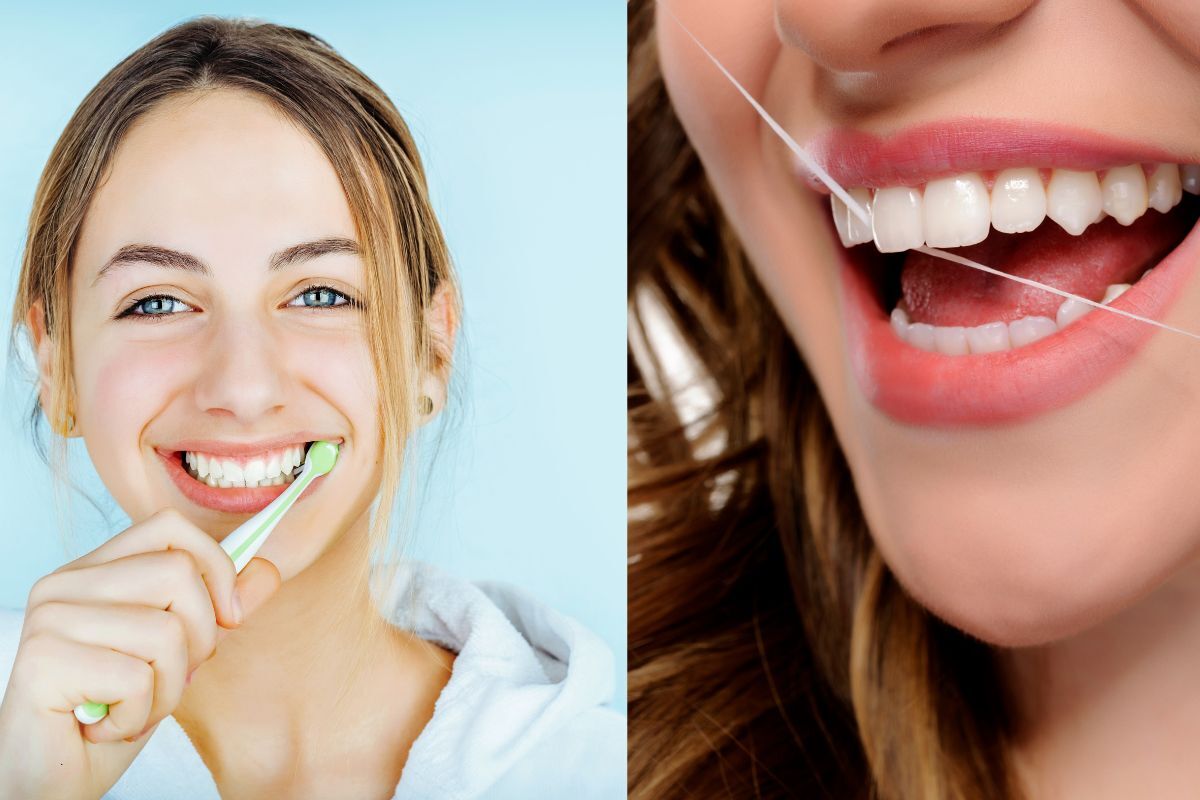
Brushing twice a day with fluoride toothpaste, flossing daily, and rinsing with mouthwash are the core steps for effective at-home teeth cleaning.
If you've ever caught a glimpse of plaque buildup in the mirror or felt that fuzzy film on your teeth before bed, you know the struggle. Maintaining a bright, healthy smile doesn't always require an expensive trip to the dentist. With the right knowledge and a few simple habits, you can master teeth cleaning at home and keep your smile shining between professional visits. After years of personal trial and error, plus countless conversations with dental hygienists, I've learned what truly works, and what doesn't, when it comes to caring for your teeth on your own. Let me walk you through everything you need to know.
Why At-Home Teeth Cleaning Matters More Than You Think
Your mouth is home to millions of bacteria, some good and some harmful. When you eat, these bacteria feed on the sugars and starches left behind, creating a sticky film called plaque. If plaque isn't removed regularly, it hardens into tartar, which can only be removed by a dental professional. Over time, this buildup leads to cavities, gum disease, and even tooth loss.
Brushing and flossing at home is your first line of defense. According to the American Dental Association, proper oral hygiene can prevent most common dental issues, including gingivitis and early-stage periodontitis. Think of it like washing your hands to avoid germs. The same principle applies to your mouth, just a little more detailed.
I've personally seen the difference consistent home care makes. Years ago, I used to skip flossing because I thought brushing was enough. A routine dental visit revealed early signs of gum inflammation. That wake-up call pushed me to build better habits, and my checkups have been smooth sailing ever since.
The Essential Tools You Need for At-Home Teeth Cleaning
Before diving into the step-by-step process, let's talk about what you actually need. Having the right tools makes the job easier and far more effective.
- Toothbrush: A soft-bristled toothbrush is ideal. Hard bristles can wear down enamel and irritate your gums. Electric toothbrushes are even better because they do much of the work for you, removing more plaque than manual brushing in many cases.
- Fluoride toothpaste: Fluoride strengthens enamel and helps reverse early signs of decay. Any ADA-approved fluoride toothpaste will do the job.
- Dental floss: This is non-negotiable. Floss reaches the tight spaces between your teeth where your brush simply can't go.
- Mouthwash: A therapeutic mouthwash can reduce bacteria, freshen breath, and help with gum health. Look for one that fights plaque and gingivitis.
- Tongue scraper: Often overlooked, but your tongue harbors bacteria that contribute to bad breath and plaque.
- Interdental brushes or water flossers: Great alternatives or additions to traditional floss, especially if you have braces or wider gaps between teeth.
Step-by-Step Guide: How to Do Teeth Cleaning at Home Properly
Now that you have your tools ready, let's break down the actual process. Follow these steps daily, and you'll notice a real difference in how your teeth look and feel.
- Rinse first: Start by rinsing your mouth with water to loosen food particles and prepare your teeth for brushing.
- Apply toothpaste: Use a pea-sized amount of fluoride toothpaste on your brush. More than that is just wasteful and can cause excess foam.
- Brush at a 45-degree angle: Hold your toothbrush against your gum line at a 45-degree angle. Use gentle, circular motions rather than harsh back-and-forth scrubbing, which can damage your gums and enamel.
- Cover all surfaces: Spend about 30 seconds on each quadrant of your mouth, making sure to clean the outer, inner, and chewing surfaces of every tooth. Don't forget the backs of your molars.
- Brush your tongue: Gently brush your tongue or use a tongue scraper to remove bacteria and freshen your breath.
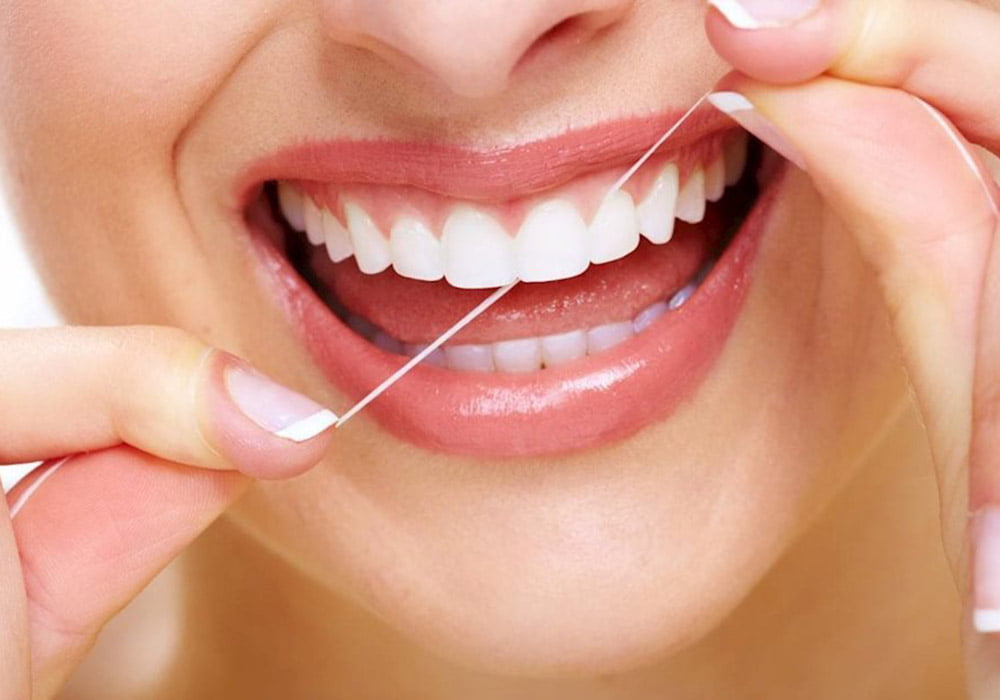
- Floss like a boss: Take about 18 inches of floss, wind most of it around your middle fingers, and use a gentle sawing motion to guide it between your teeth. Curve the floss into a C-shape around each tooth and slide it under the gum line. Use a clean section of floss for each tooth.
- Rinse with mouthwash: Finish by swishing with mouthwash for about 30 seconds. This helps kill lingering bacteria and leaves your breath fresh.
- Repeat twice daily: Once in the morning and once before bed is the gold standard. Brushing before bed is especially important because saliva production drops while you sleep, making your mouth more vulnerable to bacteria.
Common Mistakes to Avoid During Teeth Cleaning at Home
Even with the best intentions, many people make small errors that reduce the effectiveness of their routine. Here are some pitfalls to watch out for.
- Brushing too hard: Aggressive brushing doesn't clean better. It erodes enamel and causes gum recession. Gentle pressure is all you need.
- Skipping flossing: If you skip flossing, you're leaving about 40 percent of your tooth surfaces uncleaned. It's like washing only part of your body in the shower.
- Using an old toothbrush: Replace your toothbrush or electric brush head every three to four months, or sooner if the bristles are frayed. A worn-out brush is far less effective.
- Rinsing with water after brushing: Spitting out toothpaste and not rinsing allows the fluoride to stay on your teeth longer, giving it more time to strengthen enamel.
- Brushing immediately after eating: Especially after acidic foods or drinks, wait at least 30 minutes. Brushing right away can spread acid and damage softened enamel.
- Ignoring your gums: Healthy teeth need healthy gums. Be gentle but thorough along the gum line to prevent inflammation and disease.
Natural Remedies and Add-Ons for a Brighter Smile
If you want to take your at-home dental care a step further, there are some natural options worth exploring. While none of these replace brushing and flossing, they can complement your routine.
- Oil pulling: Swishing a tablespoon of coconut oil in your mouth for 10 to 20 minutes may reduce harmful bacteria and improve gum health. Just don't swallow it.
- Baking soda paste: Occasionally brushing with a paste made of baking soda and water can help remove surface stains. Use it sparingly, as it's mildly abrasive.
- Apple cider vinegar rinse: Diluted apple cider vinegar can act as a natural whitener, but use it rarely. Its acidity can erode enamel if overused.
- Activated charcoal: While trendy, charcoal toothpastes are controversial. They may lift surface stains but can also wear down enamel with frequent use. Proceed with caution.
- Eating crunchy fruits and vegetables: Apples, carrots, and celery act as natural scrubbers for your teeth while stimulating saliva production, which helps neutralize acids.
How Often Should You Really Clean Your Teeth at Home?
The standard recommendation is twice a day, but there's more to it. Let's look at the ideal frequency for each aspect of oral care.
- Brushing: Twice a day for two minutes each time. Three times a day is fine, especially after meals, but avoid overdoing it to prevent enamel wear.
- Flossing: Once a day is sufficient. Nighttime is best because it removes the day's buildup before you sleep.
- Mouthwash: Once or twice a day after brushing and flossing.
- Tongue cleaning: Once a day, usually in the morning.
- Professional cleanings: Every six months for most people, though some may need more frequent visits based on their dental health.

Understanding the Connection Between Diet and Teeth Cleaning
What you eat plays a massive role in how clean your teeth stay. You can have the best brushing routine in the world, but if your diet is full of sugar and acid, you're fighting an uphill battle.
Sugary snacks and drinks feed the bacteria in your mouth, leading to more acid production and plaque buildup. Acidic foods and beverages, like soda, citrus, and wine, can erode enamel directly. Sticky foods, such as dried fruit or candy, cling to your teeth and feed bacteria for hours.
On the flip side, crunchy vegetables, cheese, nuts, and water all help keep your teeth clean. Cheese, in particular, contains calcium and phosphates that can help remineralize enamel. Water washes away food particles and keeps your mouth hydrated, supporting saliva production.
I learned this the hard way during a year when I was drinking way too much iced coffee and soda. Despite brushing regularly, I started noticing more sensitivity and staining. After cutting back on acidic drinks and drinking more water, the sensitivity faded within months.
When to See a Professional Despite Great Home Care
Even the most diligent at-home routine can't replace professional dental cleanings. Dentists and hygienists have specialized tools to remove tartar, detect early cavities, and spot signs of oral cancer or gum disease that you might miss.
If you notice any of the following, it's time to book an appointment sooner rather than later.
- Bleeding gums that don't improve with better brushing and flossing
- Persistent bad breath or a bad taste in your mouth
- Tooth sensitivity to hot, cold, or sweet foods
- Loose teeth or changes in how your teeth fit together
- Pain or swelling in your gums or jaw
Think of your dentist as your partner in oral health. No matter how good your home routine is, professional oversight is essential for long-term wellness.
Building a Sustainable Teeth Cleaning Habit That Actually Sticks
Knowing what to do is one thing. Doing it consistently is another. Here are some tips to make at-home teeth cleaning a natural part of your day.
- Set a routine: Brush and floss at the same times every day. Pair them with habits you already have, like washing your face or making coffee.
- Use a timer: Most people brush for less than a minute. Use a two-minute timer or an electric toothbrush with a built-in timer to ensure you're brushing long enough.
- Keep supplies visible: Store your toothbrush, floss, and mouthwash where you can see them. Out of sight often means out of mind.
- Track your progress: Use a habit tracker app or a simple calendar to mark off each day you complete your routine.
- Reward yourself: Treat yourself to a new toothbrush, a fun toothpaste flavor, or a whitening treatment after hitting milestones.
When I first started flossing regularly, it felt like a chore. But after a few weeks, it became second nature. Now, if I skip it, my teeth feel off. That's the power of habit.

Frequently Asked Questions
How long should I brush my teeth at home?
You should brush for a full two minutes, spending about 30 seconds on each quadrant of your mouth. Most people rush through brushing in under a minute, which isn't enough to remove all plaque and food debris.
Is it safe to use whitening products at home?
Yes, over-the-counter whitening strips, gels, and toothpastes are generally safe when used as directed. However, excessive use can lead to tooth sensitivity and enamel damage. For best results, talk to your dentist about professional options.
Can I remove tartar at home without a dentist?
Unfortunately, no. Once plaque hardens into tartar, it can only be safely removed by a dental professional using specialized tools. Trying to scrape it off yourself can damage your enamel and gums.
How do I know if I'm brushing too hard?
If your toothbrush bristles fray quickly, your gums bleed often, or you notice your gums receding, you're likely brushing too hard. Switch to a soft-bristled brush and use gentle, circular motions instead of aggressive scrubbing.
Are electric toothbrushes really better than manual ones?
Studies show that electric toothbrushes, especially those with rotating or sonic technology, can remove more plaque than manual brushes. They're especially helpful for people with limited dexterity or those who tend to brush too hard.
Conclusion
Mastering teeth cleaning at home isn't complicated, but it does require consistency and the right technique. By brushing twice a day with a soft-bristled brush, flossing daily, using mouthwash, and paying attention to your diet, you can maintain a healthy, confident smile between dental visits. Remember, small daily habits add up to big results over time. Start with one or two changes this week, and build from there. Your future self, and your dentist, will thank you. Got questions or your own tips to share? Drop them in the comments below. I'd love to hear what's worked for you.