How To Choose The Best Window Cleaner For Your Home: Best Guide
Choosing the best window cleaner comes down to matching the product's formula to your glass type, cleaning routine, and streak-free standards. Pick the wrong one, and you'll spend extra time buffing away haze, dealing with residue, or even damaging specialty coatings on modern windows.
After testing dozens of sprays, concentrates, and DIY mixes over the years, I can tell you that the "best" cleaner is rarely the most expensive one. It's the one that fits how you clean, how often you clean, and what kind of windows you have. In this guide, I'll walk you through everything you need to know to make a confident choice, from ingredients to application methods, so your windows sparkle without the frustration.

Understand Your Window Type Before Choosing a Cleaner
Before you grab any bottle off the shelf, take a close look at your windows. The material, coating, and age of the glass all play a role in which cleaner will work best and which could cause damage.
Standard Annealed or Tempered Glass
Most homes have standard glass windows, and these are the easiest to clean. You can use almost any commercial window cleaner, including ammonia-based formulas like Windex, vinegar-based sprays, or plant-based options. Standard glass is durable and doesn't react negatively to most cleaning agents.
Low-E Coated Windows
Low-emissivity glass has a microscopic metallic coating that reflects heat. If you use abrasive cleaners, ammonia, or harsh chemicals, you can strip this coating over time. For Low-E windows, stick to mild, non-abrasive cleaners like diluted dish soap or vinegar solutions. Always spray the cleaner on the cloth, not directly on the glass, to avoid seeping into the edges where the coating is most vulnerable.
Tinted or Film-Coated Windows
Tinted windows require extra care. Ammonia and alcohol-based cleaners can break down the tint or cause it to bubble and peel. Use a gentle, ammonia-free cleaner and a soft microfiber cloth. If you're unsure whether your windows are tinted, check the edges for a slight color or film.
Skylights and High Windows
For skylights or hard-to-reach windows, you'll want a cleaner that works well with a squeegee or a microfiber applicator. Some cleaners are specifically designed for professional use and dry slower, giving you more time to wipe before streaking. Look for products labeled "squeegee-friendly" or "professional grade."

Know the Key Ingredients That Matter
The ingredient list tells you almost everything you need to know about a window cleaner. While flashy packaging might catch your eye, the formula inside is what determines performance, safety, and surface compatibility.
Ammonia-Based Cleaners
Ammonia is a powerful degreaser and cuts through grime quickly, which is why it's a staple in many traditional glass cleaners. It works well on interior windows that have fingerprints, grease, or smoke film. However, ammonia produces strong fumes that can irritate your eyes, nose, and lungs. It's also not safe for tinted glass, Low-E coatings, or natural stone window sills.
Vinegar-Based Cleaners
Vinegar is a natural, non-toxic option that works surprisingly well on most windows. A simple 50/50 mix of white vinegar and water can tackle light dust, smudges, and water spots. The downside is the smell, which dissipates quickly but can be off-putting during use. Vinegar is safe for almost all window types, including tinted and Low-E glass.
Alcohol-Based Cleaners
Isopropyl alcohol evaporates fast, which helps prevent streaks. Many streak-free formulas contain alcohol as a key ingredient. Alcohol works best when combined with other surfactants and water. It's effective on interior windows but can be drying on hands, so wear gloves if you have sensitive skin.
Plant-Based or Eco-Friendly Cleaners
If you have kids, pets, or respiratory sensitivities, plant-based cleaners are a great option. They typically use ingredients like corn-derived solvents, coconut surfactants, and essential oils. While they may cost a bit more, they're biodegradable, non-toxic, and safe for most surfaces. The cleaning power is usually strong enough for routine maintenance but might require extra elbow grease for heavy buildup.
Surfactants and Chelating Agents
These are the "unsung heroes" in window cleaners. Surfactants reduce surface tension so the cleaner spreads evenly, while chelating agents bind to minerals in hard water and prevent spotting. If you live in an area with hard water, look for a cleaner that specifically mentions "hard water safe" or "spot-free" on the label.

Match the Cleaner to Your Cleaning Method
The way you clean matters just as much as the product you choose. Some cleaners are designed for spray-and-wipe, while others are formulated to work best with a squeegee or microfiber pad.
Spray and Wipe with Microfiber
This is the most common method for homeowners. You spray the cleaner directly onto the glass or onto a microfiber cloth, then wipe in a circular or S-pattern motion. For this method, choose a cleaner that evaporates quickly and leaves no residue. Microfiber cloths are essential because they trap dirt and absorb moisture without leaving lint behind.
Squeegee Method
Professional window cleaners almost always use a squeegee because it delivers the most streak-free results. For this method, you'll want a cleaner that has some lubricity so the squeegee glides smoothly, but not so much that it drips. Some pros even add a tiny drop of dish soap to a bucket of water for extra slip. If you prefer this method, look for concentrates you can dilute, as they're more cost-effective.
Magic Eraser or Melamine Foam
For really stubborn spots like hard water stains, bug splatter, or paint flecks, a melamine foam sponge can work wonders. Pair it with a mild cleaner or just water. Avoid using magic erasers on coated or tinted glass, as the abrasive nature can dull the finish over time.

Consider Safety, Smell, and Indoor Air Quality
Window cleaning might seem like a low-risk chore, but the products you use can impact your health, especially if you're cleaning frequently or in poorly ventilated spaces.
Fume Sensitivity
If you or anyone in your household has asthma, allergies, or chemical sensitivities, opt for fragrance-free, VOC-compliant cleaners. Ammonia and strong synthetic fragrances are common triggers. Plant-based or simple vinegar solutions are usually the safest bet.
Pet and Child Safety
Pets and curious kids can easily get into cleaning supplies. Look for cleaners with child-safe caps and non-toxic formulations. Even better, make your own cleaner with vinegar, water, and a few drops of dish soap. It's cheap, effective, and completely safe if accidentally ingested in tiny amounts.
Ventilation
Even with mild cleaners, always open a window or turn on a fan when cleaning indoors. This helps any fumes dissipate quickly and speeds up drying time, which reduces streaking.

Evaluate Cost and Environmental Impact
Price and sustainability go hand in hand for many homeowners today. The good news is that you don't have to sacrifice one for the other.
Concentrates vs. Ready-to-Use
Concentrated cleaners cost more upfront but save money in the long run. You dilute them with water in a reusable spray bottle, which also reduces plastic waste. Ready-to-use sprays are more convenient but generate more packaging waste over time.
Refill Programs
Some brands offer refill pouches or bulk options that cut down on plastic use by up to 80%. If you're eco-conscious, look for these programs. It's a small change that adds up over years of regular cleaning.
DIY Options
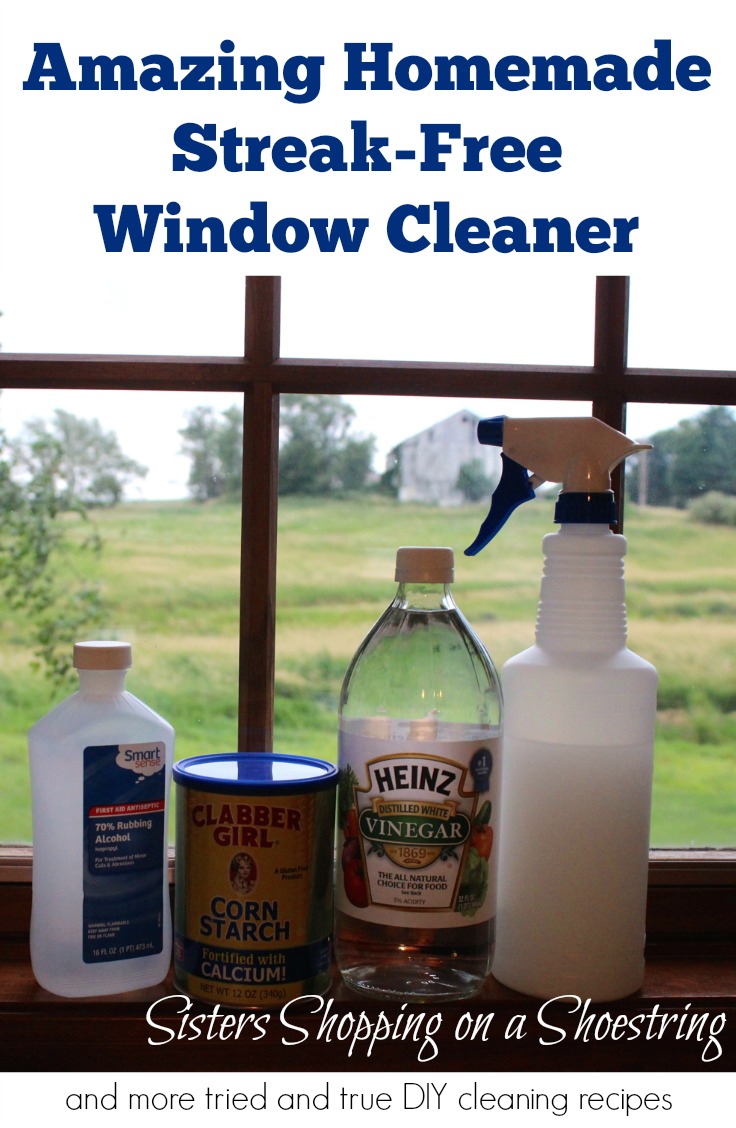
A DIY cleaner using distilled water, white vinegar, and a drop of dish soap costs pennies per bottle. It's the most sustainable and budget-friendly option, though it may not match the polishing power of a premium commercial product.

Test Before You Commit to a Full Clean
Once you've narrowed down your options, always do a small spot test, especially on coated, tinted, or older windows.
How to Test
Spray a small amount of cleaner on an inconspicuous corner, like the edge of a window. Wait 30 seconds, then wipe with a microfiber cloth. Check for any discoloration, streaking, or damage. If everything looks good, you're safe to clean the rest of the window.
Read Reviews and Ingredient Lists
Before buying, scan online reviews from other homeowners. Look for comments about streaking, smell, and effectiveness on different window types. Also, read the full ingredient list. If you see "ammonia" or "bleach" and you have tinted windows, put it back on the shelf.

Frequently Asked Questions About Choosing the Best Window Cleaner
What is the safest window cleaner for tinted windows?
The safest option for tinted windows is an ammonia-free and alcohol-free cleaner. Many plant-based formulas are specifically labeled as tint-safe. You can also use a mild solution of distilled water and a few drops of baby shampoo, which cleans without damaging the film.
Can I use vinegar on all types of windows?
Vinegar is safe on most window types, including standard glass, Low-E glass, and tinted windows. However, it's not recommended for natural stone sills, as the acid can etch marble, granite, or travertine over time. Always wipe up any spills on stone surfaces immediately.
How do I prevent streaks when cleaning windows?
To prevent streaks, clean on a cloudy day or when the window is cool to the touch. Direct sunlight causes the cleaner to evaporate too fast, leaving residue. Use a high-quality microfiber cloth and wipe in an S-pattern. If streaks appear, buff them away with a dry microfiber cloth.
Are professional window cleaning products worth the cost?
Professional-grade concentrates are worth it if you clean large windows frequently or want a flawless finish. They're more concentrated, so a little goes a long way, and they often contain additives that reduce streaking and repel dust. For occasional cleaning, a standard spray is usually sufficient.
What is the best homemade window cleaner recipe?
The best homemade window cleaner is a 50/50 mix of distilled water and white vinegar, with a tiny drop of dish soap for extra cleaning power. Use distilled water to avoid mineral spots. Shake well before each use and store in a spray bottle.
Conclusion
Choosing the best window cleaner for your home doesn't have to feel overwhelming. Start by identifying your window type, then match the formula to your cleaning method and household needs. Whether you prefer the convenience of a ready-to-use spray, the eco-friendliness of a concentrate, or the simplicity of a DIY mix, the right product is out there waiting for you.
A sparkling window is one of the easiest ways to make your home feel brighter, cleaner, and more inviting. Take a few minutes to assess your needs, try a small test, and enjoy the crystal-clear results. If you found this guide helpful, feel free to share it with fellow homeowners or drop a comment below with your favorite window cleaning tips.