how to do a thorough teeth cleaning at home: Honest Review
A thorough at-home teeth cleaning uses the right brushing and flossing technique, the right tools, and a few minutes twice a day to remove plaque before it turns into tartar.
I still remember the day my dentist leaned back, pulled off his gloves, and said, "Whatever you're doing at home, keep doing it." I had been practicing a strict at-home routine for years, and that one comment made every minute spent on my teeth feel worth it. You don't need fancy gadgets or expensive products to get a dentist-level clean at home. You just need a clear plan, a little consistency, and a few insider tricks most people never learn. Let me walk you through exactly how to do a thorough teeth cleaning at home so your smile stays fresh, healthy, and confident between visits.
Why a Thorough At-Home Teeth Cleaning Matters More Than You Think
Your mouth is a busy place. Every single day, a thin, sticky film called plaque builds up on your teeth and along your gumline. This film is full of bacteria, and when it mixes with sugar and starch from your food, it creates acids. Those acids slowly eat away at your enamel, irritate your gums, and lead to cavities, gingivitis, and bad breath.
Here's the part most people miss. Plaque is soft, so you can remove it yourself at home. But if you skip cleaning for even a day or two, plaque hardens into tartar. Once tartar forms, no amount of brushing or flossing at home can get it off. Only a professional cleaning with special tools can remove it. That's why a solid home routine is your first line of defense.
Think of it like this. Going to the dentist twice a year is like getting your car detailed. Brushing and flossing at home is like washing it every week. Skip the weekly washes, and even the best detail job won't save you from buildup. A consistent at-home cleaning routine keeps plaque under control, protects your enamel, freshens your breath, and saves you money on expensive dental work down the road.

Gather the Right Tools Before You Start
Before you begin your cleaning routine, make sure you have the right tools on hand. Using the wrong tools is like trying to paint a wall with a screwdriver. It might work in a pinch, but you'll never get great results.
Here's what you need for a proper at-home teeth cleaning:
- A soft-bristled toothbrush that fits comfortably in your mouth
- Fluoride toothpaste to strengthen enamel
- Dental floss or floss picks for between teeth
- A tongue scraper to clean your tongue
- An antibacterial or fluoride mouthwash for rinsing
- A water flosser if you have braces, implants, or tight spaces between teeth
- Interdental brushes for cleaning around bridges or wide gaps
I learned this lesson the hard way. For years, I used a hard-bristled toothbrush because I thought it cleaned better. Turns out, it was slowly wearing down my enamel and making my gums recede. Once I switched to a soft brush, my gums stopped bleeding within a week. Soft bristles are gentle on your gums but still tough on plaque when you use the right technique.
If you want to level up, consider an electric toothbrush. Studies show that electric toothbrushes, especially those with rotating or sonic heads, remove more plaque than manual brushes. They also help you time your brushing with built-in two-minute timers. Honestly, once I switched, I never went back.

Follow the Correct Brushing Technique
Most people think brushing is simple. Squeeze some toothpaste, scrub for 30 seconds, rinse, done. But there's actually a proper technique that makes a huge difference.
Here's a step-by-step approach to brushing your teeth the right way:
- Start by placing your toothbrush at a 45-degree angle to your gums.
- Use gentle, circular motions to brush the outer surfaces of your teeth.
- Move to the inner surfaces using the same circular motion.
- Tilt the brush vertically and use up-and-down strokes to clean the inside of your front teeth.
- Brush the chewing surfaces of your molars using a back-and-forth motion.
- Spend about 30 seconds on each quadrant of your mouth for a total of two minutes.
- Be gentle. Brushing too hard can damage your enamel and cause gum recession.
A common mistake I see all the time is people brushing side to side like they're scrubbing a floor. This can wear down enamel and leave plaque behind. Small, gentle circles are much more effective. Also, don't forget your gumline. That's where plaque loves to hide, and it's the first place gum disease starts.
Another tip: replace your toothbrush every three to four months, or sooner if the bristles start to fray. A worn-out brush doesn't clean as well and can even harbor bacteria.

Don't Skip Flossing, It Does the Heavy Lifting
If brushing is the star of the show, flossing is the unsung hero. Your toothbrush can only reach about 60% of your tooth surfaces. The other 40% sits between your teeth and just below the gumline. If you skip flossing, you're leaving nearly half your mouth uncleaned.
Here's how to floss the right way:
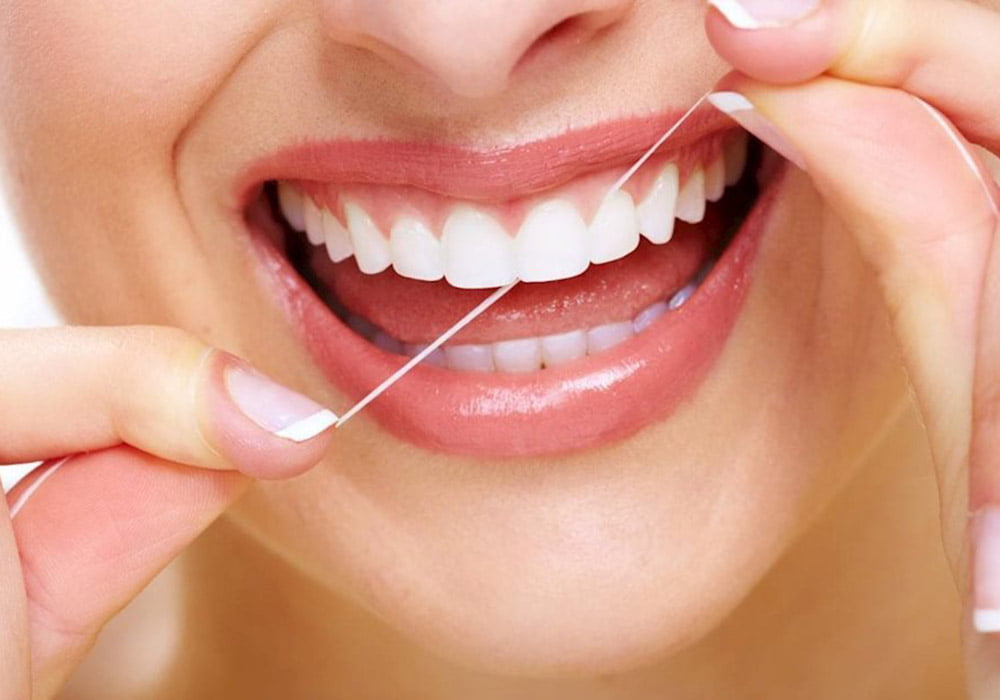
- Break off about 18 inches of dental floss and wind most of it around one of your middle fingers.
- Wind the remaining floss around the same finger on the opposite hand.
- Hold the floss tightly between your thumbs and forefingers.
- Gently guide the floss between your teeth using a rubbing motion.
- When the floss reaches the gumline, curve it into a C shape against one tooth.
- Slide it gently into the space between the gum and the tooth.
- Hold the floss tightly against the tooth and gently rub the side of the tooth with up-and-down motions.
- Repeat on the other side of the gap and move to the next tooth.
I'll be honest. I used to hate flossing. It felt tedious, and my gums bled every time. But my dentist told me something that stuck with me. Bleeding gums are a sign of inflammation, not a reason to stop flossing. The more consistently I flossed, the less my gums bled. Within a month, the bleeding was completely gone.
If traditional floss feels awkward, try floss picks or a water flosser. The key is finding a tool you'll actually use every day. The best flossing tool is the one you'll stick with.
Clean Your Tongue for Fresher Breath
Your tongue is like a sponge for bacteria. Tiny bumps called papillae trap food particles, dead cells, and bacteria. If you don't clean your tongue, all that bacteria contributes to bad breath, plaque buildup, and even a coated tongue that looks and feels unpleasant.
A tongue scraper is a simple tool that removes this buildup quickly and easily. To use it, place the scraper at the back of your tongue and gently pull it forward. Rinse the scraper after each pass, and repeat two or three times. If you don't have a tongue scraper, you can use your toothbrush, but a scraper is more effective.
I started using a tongue scraper about five years ago, and the difference was noticeable within a day. My breath stayed fresher longer, and my tongue looked pink and clean instead of white and coated. It's such a small step, but it makes a big difference.

Rinse With the Right Mouthwash
Mouthwash isn't just for fresh breath. The right mouthwash can help reduce bacteria, strengthen enamel, and reach spots your brush and floss might miss.
Look for a mouthwash that contains fluoride to help protect against cavities, or one with antibacterial ingredients like chlorhexidine or cetylpyridinium chloride to reduce plaque and gingivitis. If you have sensitive teeth, choose a mouthwash designed for sensitivity.
Swish the mouthwash around your mouth for about 30 seconds after brushing and flossing. Don't rinse with water afterward. You want the active ingredients to stay on your teeth as long as possible.
One thing to keep in mind. Mouthwash is an addition, not a replacement. It won't remove plaque on its own. Think of it as the final polish after brushing and flossing.
Establish a Twice-Daily Routine and Stick With It
Consistency is the secret ingredient. You can have the best tools and the perfect technique, but if you only clean your teeth once a day or skip days, you're not getting the full benefit.
The American Dental Association recommends brushing twice a day for two minutes each time and flossing once a day. The best times are in the morning after breakfast and at night before bed. Nighttime brushing is especially important because saliva production drops while you sleep. Saliva helps wash away food particles and neutralize acids, so without it, your teeth are more vulnerable overnight.
I find it helpful to keep my toothbrush, toothpaste, and floss in plain sight, like right on the counter. When the tools are easy to see, you're more likely to use them. You can also set a reminder on your phone until the routine becomes second nature.
Add These Extra Steps for a Truly Thorough Clean
If you want to take your at-home cleaning to the next level, consider adding a few extra habits to your routine. These small changes can have a big impact on your oral health.
Watch What You Eat and Drink
Your diet plays a huge role in your oral health. Sugary snacks, sodas, and acidic drinks feed the bacteria in your mouth and weaken your enamel. Try to limit these and drink plenty of water throughout the day. Water helps rinse away food particles and keeps your mouth hydrated.
Crunchy fruits and vegetables like apples, carrots, and celery act like natural toothbrushes. They scrub your teeth as you chew and stimulate saliva production, which helps neutralize acids.
Stay Hydrated
Dry mouth is one of the biggest risk factors for cavities and bad breath. When your mouth is dry, bacteria thrive. Drink water consistently throughout the day, and consider chewing sugar-free gum to boost saliva flow.
Limit Snacking
Every time you eat, your mouth becomes more acidic, and your enamel softens temporarily. If you snack constantly throughout the day, your teeth never get a chance to recover. Try to stick to set meal times and give your mouth a break in between.
Consider Professional Cleanings
Even with the best at-home routine, you should still visit your dentist for a professional cleaning every six months. A dental hygienist can remove tartar buildup, check for early signs of decay, and give you personalized advice based on your specific needs.

Common Mistakes to Avoid During At-Home Teeth Cleaning
Even people who brush and floss daily make mistakes that can reduce the effectiveness of their routine. Here are some of the most common pitfalls and how to avoid them.
Brushing too hard can wear down enamel and cause gum recession. Use gentle pressure and let the bristles do the work. Rushing through brushing leaves plaque behind. Always aim for a full two minutes. Skipping the back teeth is common because they're harder to reach. Make a conscious effort to clean your molars thoroughly. Using an old toothbrush reduces cleaning power. Replace your brush every three to four months. Forgetting to floss is a habit that leaves almost half your tooth surfaces uncleaned. Make flossing a non-negotiable part of your routine.
I used to rush through brushing in the morning because I was always running late. I started using an electric toothbrush with a built-in timer, and it changed everything. The timer keeps me accountable, and my teeth have never felt cleaner.

Tools and Habits for Special Dental Needs
Some people have unique dental situations that require extra care. If you wear braces, have dental implants, or have gaps between your teeth, a standard routine might not be enough.
Braces
Brackets and wires create lots of tiny spaces where food and plaque can hide. Use a special orthodontic brush or a water flosser to clean around brackets. Floss threaders can help you get floss under the wires.
Implants and Bridges
These dental restorations need just as much care as natural teeth. Use a soft brush and non-abrasive toothpaste to clean around implants. Floss threaders or water flossers are great for cleaning under bridges.
Sensitive Teeth
If you have sensitive teeth, choose a toothpaste and mouthwash designed for sensitivity. Avoid extremely hot or cold foods, and use a soft-bristled brush. If sensitivity persists, talk to your dentist. It could be a sign of enamel loss or gum recession.
Dry Mouth
If you suffer from dry mouth, drink water often, chew sugar-free gum, and consider using a mouthwash designed for dry mouth. Your dentist may also recommend a saliva substitute.
Signs Your At-Home Routine Is Working
How do you know if your at-home teeth cleaning routine is actually doing its job? Here are a few signs to look for.
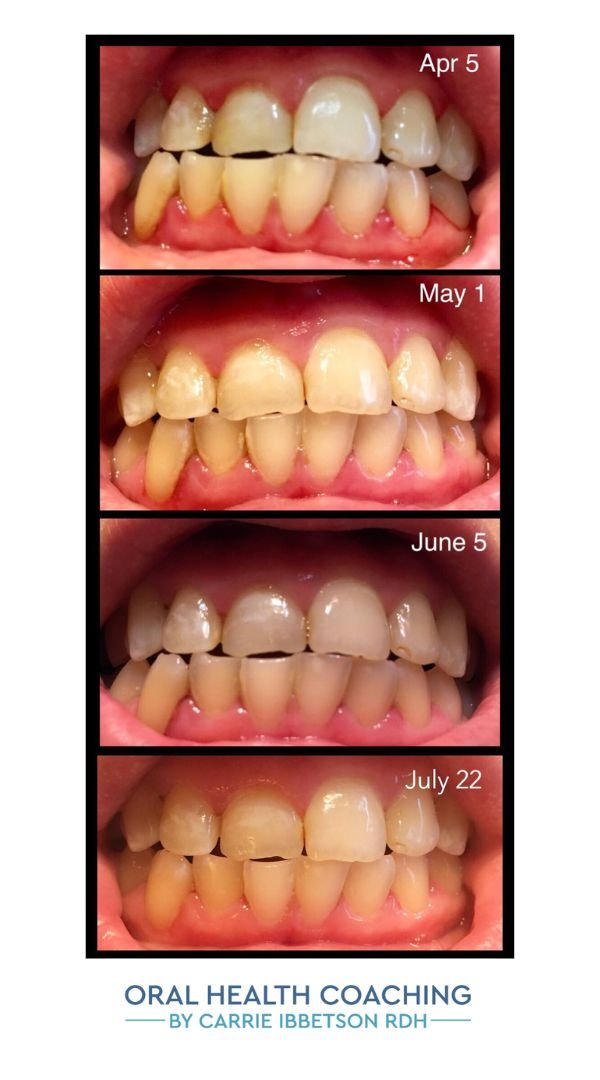
Your breath stays fresh throughout the day. Your gums look pink and firm, not red or swollen. Your teeth feel smooth and clean when you run your tongue over them. You don't see any bleeding when you brush or floss. You have fewer cavities and less tartar buildup at your dental visits.
If you notice persistent bad breath, bleeding gums, or tooth sensitivity, it could be a sign that something is off with your routine or that you need professional help. Don't ignore these warning signs. Your mouth is often the first place to show signs of other health issues, so paying attention can benefit your overall well-being too.
Frequently Asked Questions About At-Home Teeth Cleaning
How often should I clean my teeth at home?
You should brush your teeth at least twice a day, once in the morning and once before bed. Flossing should be done at least once a day, ideally at night before brushing. Maintaining this routine helps remove plaque and prevents tartar buildup between dental visits.
Can I remove tartar at home?
No, once plaque hardens into tartar, it cannot be removed with regular brushing or flossing. Tartar requires professional cleaning by a dentist or hygienist using special tools. However, a consistent at-home routine can prevent plaque from turning into tartar in the first place.
Is an electric toothbrush better than a manual one?
Electric toothbrushes are generally more effective at removing plaque, especially for people who have difficulty brushing properly with a manual brush. They also have built-in timers to help you brush for the full two minutes. However, a manual toothbrush can be just as effective if used with proper technique.
How long should I brush my teeth each time?
You should brush for a full two minutes each time, spending about 30 seconds on each quadrant of your mouth. Most people brush for less than a minute, which is not enough to remove all the plaque. Using a timer or an electric toothbrush with a built-in timer can help.
Is mouthwash necessary for a thorough cleaning?
Mouthwash is not strictly necessary, but it can be a helpful addition to your routine. An antibacterial or fluoride mouthwash can reduce bacteria, strengthen enamel, and freshen breath. It works best when used after brushing and flossing, not as a replacement for them.
How to Make Your At-Home Teeth Cleaning a Lasting Habit
Keeping your teeth clean at home is one of the easiest and most powerful things you can do for your health. With the right tools, a few minutes twice a day, and a little consistency, you can keep your smile bright, your breath fresh, and your dental bills low. The trick is to start small, stay consistent, and make your routine something you actually enjoy.
I'd love to hear from you. What does your at-home teeth cleaning routine look like? Do you have any favorite tools or tips that work for you? Drop a comment below and share your story. If you found this guide helpful, share it with a friend or family member who could use a refresher on their dental care routine.