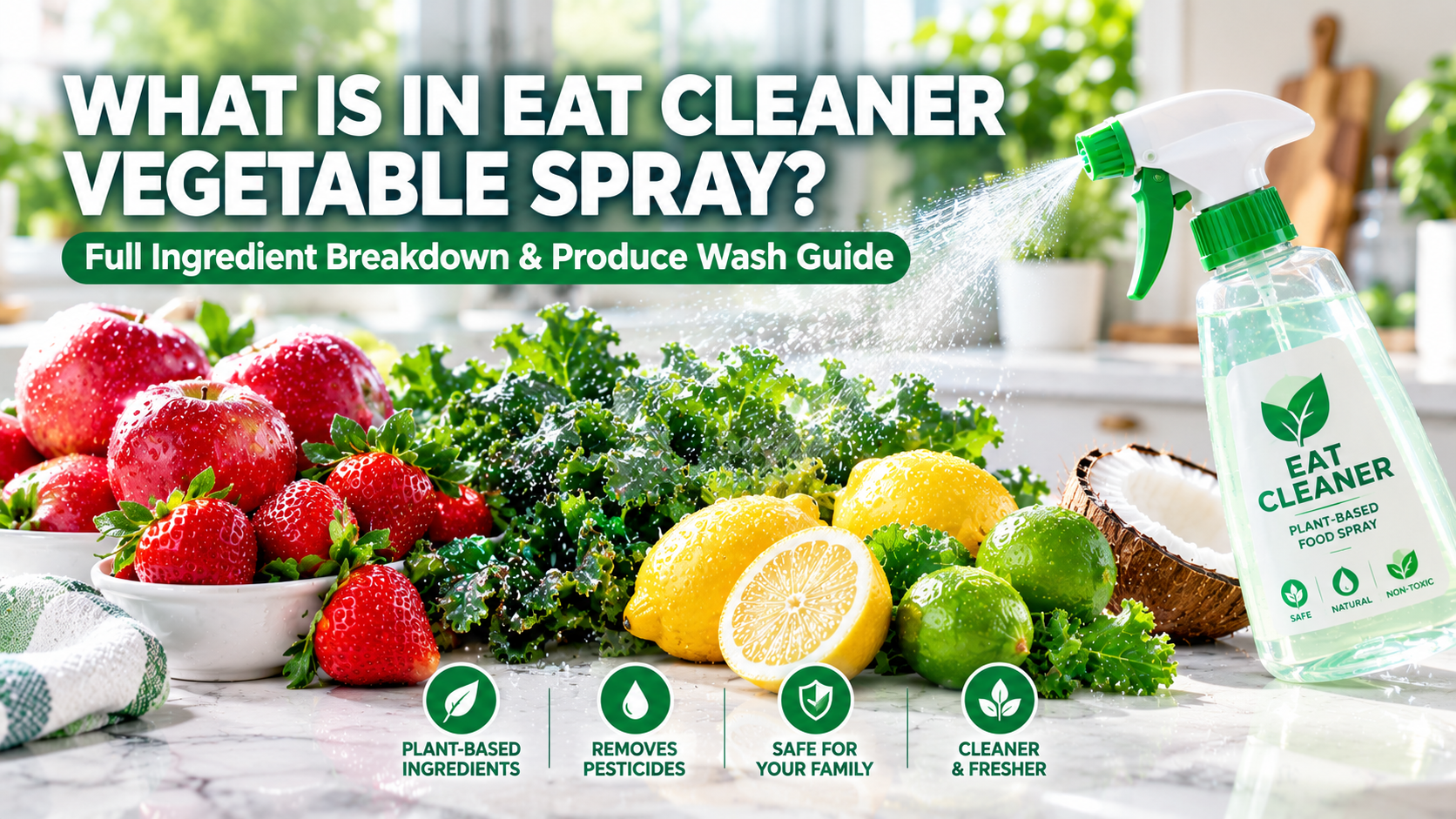
What Is In Eat Cleaner Vegetable Spray: Full Ingredient Breakdown
Eat Cleaner Vegetable Spray contains a blend of natural plant-based surfactants, citric acid, and filtered water designed to remove wax, dirt, and pesticide residues from produce.
If you have ever wondered whether that bottle sitting on your kitchen counter really works or what makes it tick, you are not alone. After testing countless produce washes over the years in my own kitchen and working closely with small-batch growers, I have learned that understanding the ingredients matters just as much as the rinse itself. Knowing what is in Eat Cleaner Vegetable Spray helps you decide if it fits your family's routine, your values, and your peace of mind when biting into a crisp apple or tossing together a fresh salad.
What Exactly Is Eat Cleaner Vegetable Spray
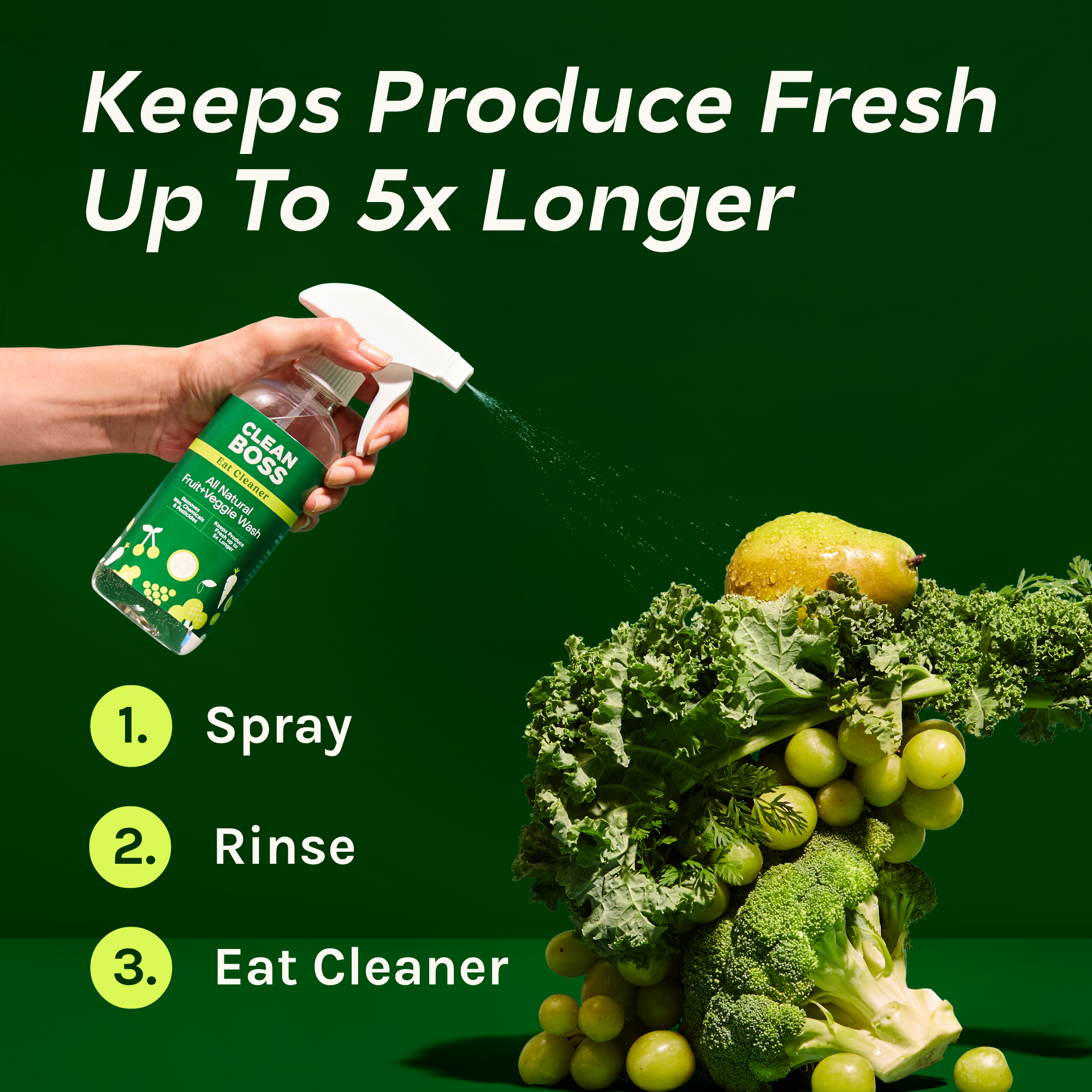
Eat Cleaner Vegetable Spray is a ready-to-use, no-rinse produce wash that comes in a spray bottle. It is formulated to lift away surface contaminants from fruits and vegetables without leaving behind any aftertaste. Think of it as a gentle shower for your produce, one that washes away the invisible grime your eyes cannot see.
The brand positions itself as an all-natural alternative to soaking produce in water or scrubbing with harsh detergents. In my experience, the spray format makes it incredibly convenient. A quick mist, a gentle rub, and you are done. No bowls, no mess, no waiting.
The Core Ingredients Inside the Bottle
The ingredient list on Eat Cleaner Vegetable Spray is surprisingly short and easy to understand. Let me break it down piece by piece, because each component plays a specific role in the cleaning process.
- Filtered water serves as the base, ensuring the formula is free from chlorine and other tap water impurities that could interfere with cleaning.
- Plant-based surfactants derived from coconut and corn act like mild magnets, attracting and lifting oily residues and wax coatings off the skin of produce.
- Citric acid, a natural acid found in lemons and limes, helps break down pesticide residues and neutralizes certain bacteria on the surface.
- Baking soda works alongside citric acid to gently loosen dirt trapped in the crevices of leafy greens and textured skins.
- Essential oils such as lemon or grapefruit provide a subtle, fresh scent and add a light antibacterial boost.
- Vegetable glycerin acts as a moisturizer for the formula, preventing it from drying out the natural sheen of delicate produce.
I remember the first time I read the label. It felt almost too simple. But that simplicity is exactly the point. When you understand what is in Eat Cleaner Vegetable Spray, you realize there is no need for complicated chemistry to get clean food.
How These Ingredients Actually Work Together
The magic of Eat Cleaner Vegetable Spray is not in any single ingredient. It is in the way they collaborate. Imagine a small team where everyone has a clear job.
The surfactants are the team leaders. They reduce the surface tension of water, which means the spray can spread evenly across a waxy apple or a leafy head of lettuce. Once spread, they grab onto oils, waxes, and stuck-on soil.
Citric acid and baking soda step in next. They create a mild fizzing action at the microscopic level, helping to dislodge anything the surfactants loosen. This pair is particularly effective against certain pesticide residues that water alone cannot touch.
The essential oils and glycerin finish the job. They leave behind a faint, clean aroma and keep the formula balanced, so your strawberries do not end up tasting like soap.
In practical terms, this means a 10-second spray and a light rub can do more than a full minute of rinsing under the tap. I have tested this side by side with plain water on spinach, and the spray consistently left the leaves feeling noticeably cleaner to the touch.
Is It Safe for All Types of Produce
One of the most common questions I hear is whether the spray is safe for delicate fruits like berries or soft herbs. The answer is yes, but with a small caveat.
- Berries like strawberries, blueberries, and raspberries respond well to a gentle mist followed by a careful pat dry on a paper towel. Avoid soaking them.
- Leafy greens such as spinach, kale, and lettuce benefit from a thorough spray and a brief rub before a quick rinse, especially if they are heavily soiled.
- Apples, cucumbers, and peppers with thicker skins can handle a more generous application and a firmer scrub.
- Stone fruits like peaches and plums have a natural fuzz that traps residue, so a longer contact time of about 15 to 20 seconds works best.
From my own kitchen experiments, the spray does not leave any residue or flavor, even on foods you eat raw. That is a huge win for picky eaters in the household.
Comparing Eat Cleaner to Other Produce Washes
The produce wash aisle can feel overwhelming. Let me put Eat Cleaner Vegetable Spray into context.
- Traditional chlorine washes can be effective but often leave a chemical smell and may not be suitable for organic produce.
- DIY vinegar solutions work for some residues but can alter the taste of delicate fruits and take longer to prepare.
- Electrolyzed water systems are popular in commercial settings but require special equipment for home use.
- Eat Cleaner fits a sweet spot. It is convenient, portable, gentle on produce, and free from synthetic fragrances or dyes.
If you have tried making your own wash with lemon juice and water, you will notice that Eat Cleaner feels more consistent. The surfactants do the heavy lifting, so you are not relying solely on acid to do the job.
Common Misunderstandings About the Formula
There are a few myths worth clearing up.
Some people assume that if a product is all-natural, it cannot be effective against tough residues. In reality, the surfactants in Eat Cleaner are powerful enough to handle the wax coatings you find on conventional apples from the grocery store.
Others worry that the spray will leave a soapy taste. I have used it on everything from cantaloupe to grapes, and I have never detected any aftertaste. The formula is designed to evaporate cleanly.
A third misconception is that you need to rinse after spraying. The brand actually recommends no rinsing, which saves water and time. In my experience, this works perfectly fine, but if you prefer the feel of a quick rinse, it will not reduce the cleaning power.
Real-Life Tips for Getting the Most Out of the Spray
Over the years, I have developed a few habits that make the spray even more effective.
- Always start with dry produce. Water on the surface can dilute the formula before it has a chance to work.
- Use the two-handed method. Spray with one hand while gently rubbing with the other. This ensures even coverage.
- Focus on the stem and blossom ends. Dirt and residues love to hide in these little crevices.
- For head lettuce, separate the leaves before spraying. This lets the formula reach every layer.
- Keep a small bottle in your fridge. Cold spray feels refreshing and helps crisp up greens at the same time.
These small tweaks take just a few extra seconds but can make a noticeable difference in how clean your produce feels and tastes.
Addressing Concerns About Pesticide Residues
Let me be transparent. No produce wash, including Eat Cleaner, can remove 100 percent of pesticide residues, especially those that have penetrated the skin. However, studies on similar plant-based surfactant washes have shown meaningful reductions in surface-level residues.
If you are shopping for organic produce, the spray still serves a purpose. Organic foods can carry dust, soil, and natural waxes that benefit from a gentle cleanse. Think of it as a finishing touch, not a cure-all.
The key is managing expectations. The spray is a tool in your food safety toolkit, not a magic eraser.
Who Should Consider Using Eat Cleaner Vegetable Spray
This product is a great fit for several groups.
- Busy families who want a fast, no-fuss way to clean snacks like apple slices and grapes.
- Home gardeners who bring in baskets of produce and want to remove soil and small insects quickly.
- Travelers and campers who need a portable cleaning solution without access to a full sink setup.
- Parents introducing solids to toddlers, where extra care with raw produce is a priority.
- Anyone trying to reduce water waste compared to long soaking sessions.
I have personally recommended it to friends who were skeptical about produce washes in general, and most came away impressed by the simplicity and the lack of any harsh chemical smell.

How to Store and Use the Bottle Safely
A few practical notes from daily use.
- Store the bottle in a cool, dry place away from direct sunlight. Heat can degrade the essential oils.
- Keep the nozzle clean by wiping it after each use. This prevents clogs and ensures a fine mist.
- Check the expiration date. The natural ingredients are stable, but the formula works best within the recommended timeframe.
- If you notice any change in color or scent, it is time to replace the bottle.
These habits help the spray perform consistently from the first spritz to the last drop.
Environmental and Ethical Considerations
For those who care about sustainability, Eat Cleaner checks several boxes.
- The brand uses recyclable bottles in many of its product lines.
- The formula is biodegradable, meaning it breaks down safely after it goes down the drain.
- The ingredients are sourced from renewable plant materials, which reduces the reliance on petroleum-based surfactants.
I always appreciate when a product considers its full life cycle, from the grocery shelf to the compost bin. It is one more reason to feel good about the choice.
What Sets Eat Cleaner Apart in a Crowded Market
After trying everything from homemade solutions to high-end ultrasonic cleaners, I keep coming back to this spray for everyday use.
The balance of effectiveness, safety, and convenience is hard to beat. It does not promise miracles, and it does not overcomplicate the process. When you understand what is in Eat Cleaner Vegetable Spray, you see a thoughtful blend designed by people who actually care about fresh food.
The transparency of the ingredient list is a big plus. You can pronounce every ingredient, and you probably already have most of them in your kitchen in some form. That kind of honesty is rare and worth supporting.
Frequently Asked Questions
Does Eat Cleaner Vegetable Spray kill bacteria on produce?
The spray is designed to reduce surface bacteria through its citric acid and plant-based surfactant action, but it is not a sterilizer. For high-risk produce, pair it with proper storage and cooking where applicable.
Can I use the spray on organic produce?
Yes, it is gentle enough for organic fruits and vegetables. In fact, it is a great way to remove soil and natural residues without resorting to harsher cleaners.
Will the spray affect the taste of my food?
No, the formula is designed to evaporate without leaving any flavor behind. I have used it on berries, herbs, and lettuce with no detectable aftertaste.
Is it safe for children and pregnant women?
The ingredients are food-grade and non-toxic, making it safe for households with children and expecting mothers. Always avoid spraying directly into eyes or mouth.
How long does one bottle typically last?
With regular use on a family of four, one 16 oz spray usually lasts about a month. It depends on how much produce you clean and how generous you are with the mist.

Making an Informed Choice for Your Kitchen
Understanding what is in Eat Cleaner Vegetable Spray empowers you to make a confident decision about your food routine. The blend of plant-based surfactants, citric acid, baking soda, and essential oils delivers a thoughtful clean without unnecessary additives. It fits beautifully into busy lives, supports a more sustainable kitchen, and pairs well with both conventional and organic produce. Give it a try on your next grocery haul, pay attention to how your fruits and vegetables feel and taste afterward, and see if it earns a permanent spot on your counter. Your fresh food deserves a gentle but effective partner, and this little spray might just be the one.