How Often Should Air Ducts Be Cleaned: 2026 Guide
Air ducts should be cleaned every 3 to 5 years for most homes, but you may need it sooner if you have pets, allergies, smokers, recent renovations, or visible mold and dust buildup.
Think of your air ducts like the lungs of your home. They quietly circulate the air you breathe every single day, but most of us never think about what is actually inside them until something goes wrong. Over the years, I have seen ducts clogged with pet hair, construction dust, and even small insects. Cleaning them is not just about appearance. It is about the quality of the air your family breathes and the efficiency of your HVAC system. In this guide, I will walk you through exactly how often you should clean your air ducts, the warning signs you should never ignore, and what really happens during a professional cleaning.
:max_bytes(150000):strip_icc()/GettyImages-1499489976-4a10881306e94768aaf394247cca7155.jpg)
Why Air Duct Cleaning Matters
Your HVAC system pushes air through a network of ducts that run behind walls, above ceilings, and under floors. Every time the system runs, it pulls air through these passages. If the ducts are dirty, that air carries dust, pollen, pet dander, and other particles straight into your living spaces.
Here is what clean ducts actually do for you:
- Improve indoor air quality and reduce allergens
- Help your HVAC system run more efficiently
- Remove unpleasant odors trapped in ductwork
- Lower the risk of mold spreading through the vents
- Extend the life of your heating and cooling equipment
In my own experience working with homeowners, the ones who keep up with duct maintenance tend to have fewer repair calls and notice a real difference in how fresh their home feels.
General Cleaning Frequency Guidelines
While there is no single rule that fits every home, most HVAC professionals agree on a general range. The National Air Duct Cleaners Association recommends cleaning every 3 to 5 years. However, your home may need it more often depending on a few key factors.
Standard Homes Without Special Conditions
If you live in a typical home without pets, smokers, or allergy sufferers, scheduling a duct cleaning every 3 to 5 years is usually enough. Routine filter changes and HVAC maintenance will keep things in good shape between cleanings.
Homes With Pets
Pet hair and dander build up faster than most people realize. I have opened ducts in homes with two or three pets and found thick layers of fur clinging to the interior walls. If you have pets, plan on cleaning your ducts every 2 to 3 years. You should also change your HVAC filter every 30 to 60 days.
Homes With Allergy or Asthma Sufferers
For families dealing with allergies, asthma, or respiratory issues, clean air is not a luxury. It is a necessity. In these homes, ducts should be cleaned every 2 to 3 years, and filters should be upgraded to HEPA-grade options to trap finer particles.
Homes With Smokers
Tobacco smoke leaves a sticky residue inside ductwork that is tough to remove with regular maintenance. If someone smokes indoors, you will need duct cleaning every 2 years or even sooner, depending on how often smoking happens inside.
Homes After Renovations or Construction
Construction dust is one of the worst culprits for dirty ducts. Drywall dust, sawdust, and debris can settle deep into your system and circulate for months after a project is done. Always schedule a duct cleaning after any major renovation, even if your last cleaning was recent.
Homes With Mold or Moisture Issues
If you have had water damage, roof leaks, or high humidity problems, mold can grow inside your ductwork. This requires immediate cleaning along with addressing the moisture source. Mold in ducts is not something you want to ignore because it spreads spores every time the system runs.

Warning Signs Your Air Ducts Need Cleaning
Sometimes your home will tell you when it is time. Here are the most common signs I have seen over the years:
- Visible dust blowing out of vents when the system kicks on
- Dark streaks or dust rings around vent covers
- A musty or stale smell coming from the registers
- Unexplained spikes in allergy or asthma symptoms
- Inconsistent airflow from room to room
- Higher than normal energy bills without a clear reason
- Recent water damage or visible mold near vents
- Pests or rodents nesting inside the ductwork
If you notice one or more of these signs, do not wait for your next scheduled cleaning. Get the ducts inspected right away.
What Happens During a Professional Duct Cleaning
Understanding the process can help you feel more confident about hiring a professional. A proper duct cleaning is not just a quick vacuum job. It involves specialized equipment and a thorough step by step approach.
A typical professional cleaning includes:
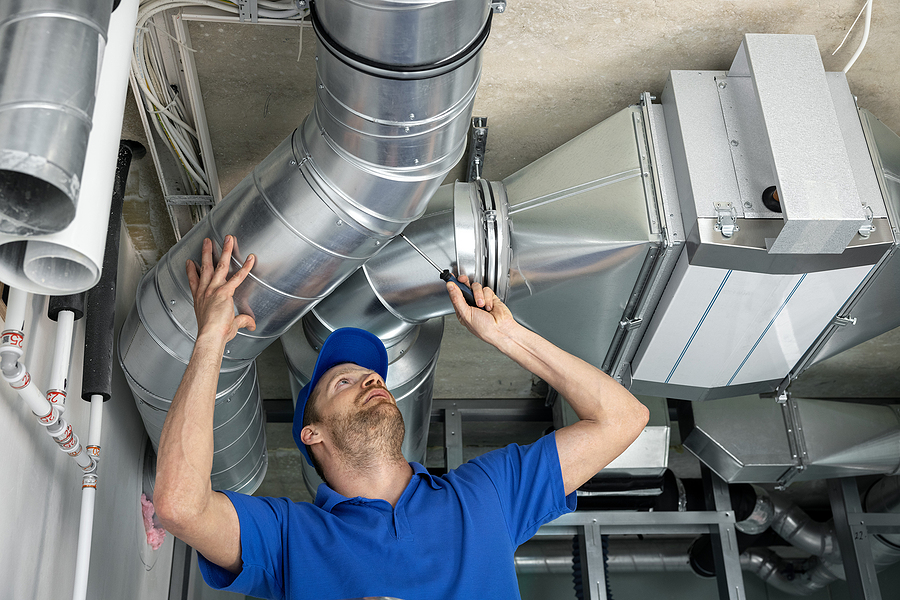
- Inspection of the entire duct system using cameras or mirrors
- Sealing of all supply and return vents to create negative pressure
- Use of high powered vacuums to pull debris out of the ducts
- Agitation tools like brushes and air whips to loosen stubborn buildup
- Cleaning of all registers, grilles, and the air handler unit
- Sanitizing treatments if mold or bacteria are present
- Final inspection to confirm the system is clean and intact
The whole process usually takes 2 to 4 hours depending on the size of your home and the condition of the ducts. A good technician will walk you through what they find and show you before and after photos.
Can You Clean Air Ducts Yourself?
I get this question a lot. The short answer is that you can handle basic maintenance, but a deep clean requires professional equipment. Here is what you can realistically do on your own:
- Vacuum the vent covers with a brush attachment
- Replace the HVAC filter every 1 to 3 months
- Keep the area around vents clear of dust and furniture
- Use a damp cloth to wipe down accessible duct sections
For anything beyond surface cleaning, you need commercial grade vacuums and rotary brushes. These tools cost thousands of dollars and require training to use safely. Trying to DIY a full duct cleaning can also damage your ducts if you are not careful, which leads to costly repairs.
The Connection Between Duct Cleaning and Energy Efficiency
Dirty ducts force your HVAC system to work harder. When air has to push through layers of dust and debris, the blower motor uses more energy. Over time, this added strain can shorten the life of your system and drive up your monthly utility bills.
I have seen homeowners save 10 to 25 percent on their energy costs simply by cleaning their ducts and changing their filters regularly. It is one of the most cost effective maintenance tasks you can do, especially when compared to the price of replacing a furnace or AC unit early.
How to Find a Trusted Duct Cleaning Service
Not all duct cleaning companies are created equal. Some use bait and switch pricing, show up with outdated equipment, or skip important steps. Here is how to find someone you can trust:
- Look for NADCA certified technicians
- Ask for a written estimate before any work begins
- Make sure they use truck mounted vacuum equipment
- Request before and after photos of your ducts
- Check online reviews and ask for local references
- Avoid companies that offer unrealistically low prices
- Confirm they carry proper insurance and licensing
A reputable company will never pressure you or make you feel rushed. They will take time to explain what they found and what your options are.
Common Myths About Air Duct Cleaning
There is a lot of misinformation out there. Let me clear up a few things I hear all the time.
Myth 1: Duct Cleaning Is a Scam
When done properly by a qualified professional, duct cleaning is a real service with real benefits. The scams come from shady operators, not the service itself. Focus on hiring a reputable company and you will see the difference.
Myth 2: New Homes Do Not Need Duct Cleaning
New construction homes often have dusty, debris filled ducts from the building process. I always recommend cleaning the ducts before moving into a newly built home, no exceptions.
Myth 3: Duct Cleaning Is Only for Allergy Sufferers
Even healthy households benefit from cleaner air. Dust, pet hair, and pollutants affect everyone, not just people with allergies.
Myth 4: You Only Need to Clean Ducts Once
Ducts get dirty over time. Cleaning them is an ongoing maintenance task, not a one time fix. Think of it like changing the oil in your car. You have to keep up with it.
How to Keep Your Ducts Clean Longer
Between professional cleanings, a few simple habits can go a long way:
- Change your HVAC filter on schedule
- Use high quality pleated filters instead of cheap fiberglass ones
- Vacuum your home regularly, especially carpets and rugs
- Keep pets groomed to reduce shedding
- Control indoor humidity with a dehumidifier if needed
- Seal gaps around vents to keep dust from entering
- Schedule annual HVAC tune ups to catch issues early
These small steps can add years between professional cleanings and keep your air fresh year round.
Frequently Asked Questions
How long does air duct cleaning take?
Most professional duct cleanings take between 2 and 4 hours. Larger homes or systems with heavy buildup may take longer. The technician should give you a time estimate before starting.
Is air duct cleaning messy?
When done correctly, duct cleaning should not create a mess in your home. Professionals seal the vents and use high powered vacuums to contain the dust. Some light dust near the vents is normal, but your home should be clean when they finish.
How much does air duct cleaning cost?
The average cost ranges from $300 to $500 for a typical home. Prices vary based on the size of your system, the number of ducts, and the level of contamination. Always get a written quote before agreeing to any work.
Can dirty air ducts make you sick?
Yes, dirty ducts can circulate mold spores, bacteria, allergens, and dust that trigger respiratory issues, headaches, and allergy flare ups. While duct cleaning is not a cure for illness, it can reduce these triggers and improve overall air quality.
How do I know if my ducts have mold?
Look for dark spots or a musty smell coming from your vents. You may also notice allergy symptoms that get worse when the HVAC system is running. A professional inspection is the only way to confirm mold inside ductwork.
Conclusion
Keeping your air ducts clean is one of the simplest ways to protect your health, lower your energy bills, and extend the life of your HVAC system. For most homes, a cleaning every 3 to 5 years is a solid baseline, but pets, allergies, smokers, and recent renovations can mean you need it sooner. Pay attention to the warning signs, stay on top of filter changes, and choose a certified professional when it is time for a deep clean. Your home will breathe better, and so will you. If you found this guide helpful, share it with a friend or drop a comment below with your own duct cleaning experiences.