How To Start A Home Cleaning Service Business: 2026 Guide
Starting a home cleaning service business is one of the most accessible ways to build a profitable, recession-resistant company with low startup costs and high demand. If you're willing to put in the work, learn the ropes, and treat every home like it's your own, you can turn a simple cleaning routine into a thriving business that gives you freedom, flexibility, and real income.
I remember when I first started helping friends clean their homes just to make some extra cash on the weekends. What started as a side hustle quickly turned into something much bigger. I saw how much people valued walking into a fresh, spotless space after a long week. That's when it clicked: this wasn't just about mopping floors. It was about giving people back their time and peace of mind. If you're thinking about starting a home cleaning service, let me walk you through everything I wish I had known from day one.
Understanding the Home Cleaning Industry
The home cleaning industry is booming, and for good reason. Busy families, working professionals, and elderly homeowners all need reliable help keeping their homes clean and healthy. The demand is steady year-round, which makes this type of business incredibly stable compared to others that rise and fall with the economy.
One of the biggest reasons people love this business is the low barrier to entry. You don't need a fancy degree, expensive equipment, or a huge office space to get started. Many successful cleaning business owners begin with just a few basic supplies, a reliable vehicle, and a strong work ethic. The U.S. cleaning services industry generates billions in revenue each year, and the residential segment continues to grow as more households outsource their cleaning needs.
Another thing that makes this industry attractive is its scalability. You can start solo, build a loyal client base, and then hire employees to take on more jobs. Some owners eventually expand into commercial cleaning, carpet cleaning, or even move-out services. The possibilities are genuinely endless once you build a solid foundation.

Researching Your Local Market
Before you invest a single dollar, take time to understand your local market. Every neighborhood has different needs, and what works in a big city might not work in a small town. Start by identifying your target customers. Are you aiming for busy families, retired homeowners, working professionals, or short-term rental hosts? Each group has different expectations and price points.
Look at your competitors too. Check out other cleaning companies in your area, read their reviews, and see what they charge. This isn't about copying them. It's about understanding what the market will bear and finding gaps you can fill. Maybe the existing companies don't offer eco-friendly products, or maybe they're unreliable when it comes to scheduling. These are opportunities for you to stand out.
Pricing is another critical piece of the puzzle. Research what local competitors charge per hour or per square foot. Keep in mind that underpricing can hurt your business just as much as overpricing. You want to be competitive, but you also need to cover your costs, pay yourself fairly, and still make a profit. A little research now can save you a lot of headaches later.
Creating a Solid Business Plan
A business plan might sound like a lot of work, but it's actually one of the most valuable tools you can have. Think of it as your roadmap. It doesn't have to be a 50-page document. A simple plan outlining your services, target market, pricing strategy, marketing approach, and financial goals will do the trick.
Start by defining your services. Will you offer basic cleaning, deep cleaning, move-in or move-out cleaning, or maybe specialized services like post-construction cleanup? Each service type has its own pricing structure and time commitment, so be clear about what you'll provide from the start.
Next, map out your startup costs. These typically include cleaning supplies, equipment, insurance, marketing materials, and possibly a website. If you plan to hire employees right away, you'll also need to budget for payroll, training, and background checks. Having a clear picture of your expenses helps you set realistic income goals and avoid cash flow problems.
Finally, think about your growth strategy. Where do you want your business to be in one year? Five years? Do you want to stay small and personal, or do you dream of building a team of 20 cleaners? Setting goals gives you direction and helps you make smarter decisions along the way.
Choosing Your Business Structure and Getting Licensed
Choosing the right business structure is more important than most people realize. It affects your taxes, your personal liability, and how you manage profits. The most common options for small cleaning businesses are sole proprietorship, limited liability company (LLC), and corporation. Many cleaning business owners start as sole proprietors because it's the simplest and cheapest option. However, an LLC offers personal liability protection, which means your personal assets are protected if someone sues your business.
Once you've chosen your structure, you'll need to register your business and get any required licenses or permits. Requirements vary by state and city, so check with your local government to find out what's needed. Some areas require a general business license, while others have specific regulations for cleaning services. You might also need to register for sales tax or get an employer identification number if you plan to hire staff.
Insurance is another must-have. At minimum, you'll want general liability insurance to cover accidental damage to a client's property, and bonding insurance to protect against theft. Some clients may even require proof of insurance before they hire you. Skipping this step might save you money upfront, but it could cost you everything if something goes wrong.

Investing in the Right Equipment and Supplies
Quality supplies make a huge difference in the results you deliver, and happy clients are the foundation of a successful cleaning business. At the start, you don't need to go overboard. A solid set of microfiber cloths, a good vacuum, mops, buckets, scrub brushes, and eco-friendly cleaning solutions will cover most jobs.
If you're focused on green cleaning, invest in products that are non-toxic, biodegradable, and safe for pets and children. Many clients today actively look for eco-friendly cleaning services, and this can be a powerful way to differentiate yourself from competitors. Plus, using safer products is better for your health too, since you'll be exposed to them every day.
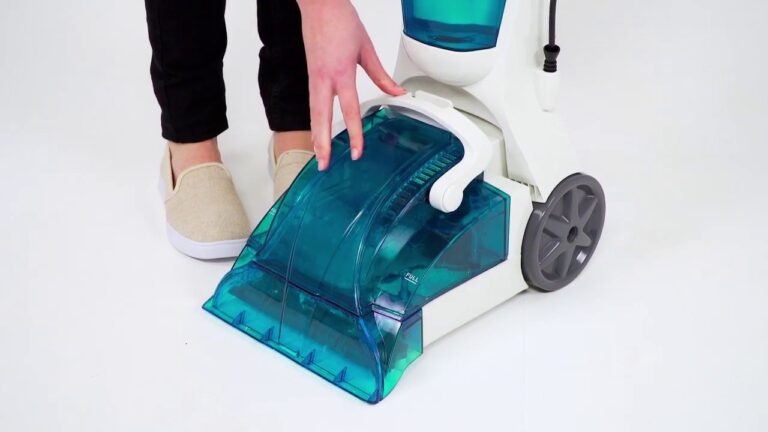
As your business grows, you can upgrade to professional-grade equipment like commercial vacuums, steam cleaners, and carpet extractors. These tools speed up your work and deliver better results, which means happier clients and more referrals. Don't forget about smaller items like gloves, aprons, and shoe covers, which show clients that you take professionalism seriously.
Setting Competitive Prices and Billing Systems
Pricing your services correctly is one of the trickiest parts of starting a cleaning business. Charge too much, and clients will go elsewhere. Charge too little, and you'll burn out trying to keep up. The key is finding a balance that reflects the quality of your work while still being attractive to your target market.
Many cleaning companies charge by the hour, while others use flat rates based on the size of the home or the type of service. Hourly rates are simple and flexible, but flat rates give clients more certainty and can actually help you earn more by working efficiently. Decide what works best for your business model, and be transparent about it from the start.
Don't forget to factor in travel time, supplies, and overhead costs when setting your prices. Some cleaners add a small travel fee for jobs that are far from their home base. Others include all supplies in their flat rate. Whichever approach you choose, make sure your pricing is clear and easy to understand. Hidden fees are one of the fastest ways to lose a client's trust.
For billing, consider using simple invoicing software or apps designed for small businesses. Tools like QuickBooks, FreshBooks, or even PayPal make it easy to send invoices, track payments, and manage your finances. Offering multiple payment options, including credit cards and digital wallets, also makes life easier for your clients.
Marketing Your Cleaning Service
Even the best cleaning service won't survive if nobody knows it exists. That's where marketing comes in. The good news is, you don't need a massive budget to get the word out. Start with the basics: a professional logo, a clean website, and active social media profiles. These create a strong first impression and help potential clients feel confident in hiring you.
Word-of-mouth marketing is incredibly powerful in the cleaning industry. Happy clients tell their friends, family, and neighbors, and those referrals often turn into loyal long-term customers. To encourage referrals, consider offering a small discount or bonus to clients who send new business your way. A simple thank-you note after each job also goes a long way toward building strong relationships.
Local SEO is another must. When someone searches "house cleaning near me," you want your business to show up. Claim your Google Business Profile, add your service area, upload photos, and ask satisfied clients to leave reviews. The more positive reviews you have, the more likely new clients will choose you over your competitors.
Don't overlook traditional marketing either. Flyers, business cards, and door hangers still work, especially in tight-knit neighborhoods. Partnering with local real estate agents, property managers, or Airbnb hosts can also bring in steady streams of clients. Networking is one of the oldest tricks in the book, and it still works like a charm.

Building a Loyal Client Base
Getting your first client is exciting, but keeping them is what really builds a business. The cleaning industry thrives on trust and consistency, so once you land a client, your goal is to make them feel like they can't imagine life without you.
Communication is everything. Show up on time, do what you promised, and check in regularly to make sure your clients are happy. If something goes wrong, own it, fix it, and make it right. A single mistake handled well can actually strengthen a relationship, but a mistake ignored can destroy one.
Personalization also helps. Remember the details that matter to your clients. Do they prefer certain products? Do they have pets that need extra care? Do they want you to focus on specific areas each visit? Small touches like these show that you care, and they turn one-time clients into long-term customers.
Consider creating a client loyalty program to reward repeat business. This could be a discount after a certain number of cleanings, a free add-on service once a year, or a referral bonus. Loyalty programs not only keep your current clients happy but also motivate them to spread the word about your business.
Hiring and Training Employees
At some point, you'll likely need help. Whether it's because your client list has grown or because you want to scale back the physical work yourself, hiring employees is a big step. Start slow. Bring on one or two reliable people who share your work ethic and attention to detail.
Before hiring, make sure you have a solid training program in place. Every employee should know your cleaning standards, your products, and your expectations. Consistency is what sets professional cleaning companies apart, and that consistency comes from proper training. Create checklists, demonstrate your techniques, and do quality checks regularly to make sure your standards are being met.
Background checks and reference checks are non-negotiable. You're sending these people into people's homes, and trust is everything. A bad hire can damage your reputation in ways that take years to repair. Take your time, trust your gut, and don't settle for less than the best.
Managing Finances and Growing Your Business
Money management is where many small cleaning businesses stumble. It's easy to mix personal and business expenses, lose track of receipts, and underestimate taxes. The sooner you set up good financial habits, the smoother your business will run.
Open a separate business bank account and use accounting software to track income and expenses. Set aside money for taxes regularly, and consider working with an accountant who understands small businesses. They can help you find deductions, plan for growth, and avoid costly mistakes.
Once your finances are under control, think about growth. Could you expand into new service areas? Add commercial cleaning to your offerings? Offer specialty services like window washing or organization? Each new service is a chance to attract new clients and increase revenue without dramatically increasing your workload.

Frequently Asked Questions
How much money do you need to start a home cleaning service?
You can start a basic home cleaning service for as little as $500 to $1,000, covering cleaning supplies, basic equipment, marketing materials, and insurance. Your costs will increase if you plan to hire employees or offer specialty services right away.
Do I need a license to start a cleaning business?
Licensing requirements depend on your state and city. Most areas require a general business license, and some may have additional regulations for cleaning services. Check with your local government to make sure you're fully compliant.
How do I find my first cleaning clients?
Start by telling friends, family, and neighbors about your services. Use social media, local Facebook groups, and community boards to spread the word. Offering a small discount for first-time clients can also help you build your initial client base.
Is it better to charge hourly or by the job?
Both methods work, but flat-rate pricing often makes clients feel more comfortable because they know the cost upfront. Hourly pricing can be riskier because a slower job cuts into your profits. Choose the method that fits your business model best.
How can I compete with larger cleaning companies?
Focus on personalized service, attention to detail, and reliability. Larger companies often struggle with consistency, so delivering a personal touch can help you stand out. Building strong relationships and offering eco-friendly options are great ways to differentiate yourself.
Conclusion
Starting a home cleaning service business is one of the smartest moves you can make if you're looking for a low-cost, high-reward opportunity. The demand is real, the startup costs are manageable, and the freedom it offers is hard to beat. By taking the time to research your market, create a clear plan, invest in the right tools, and treat every client like gold, you can build a business that grows steadily and rewards you for years to come.
The cleaning industry isn't just about scrubbing bathrooms and dusting shelves. It's about giving people something truly valuable: more time, more energy, and more peace of mind. If you bring passion, professionalism, and a personal touch to your work, there's no limit to how far you can go.
Take the first step today. Sketch out your plan, gather your supplies, and put yourself out there. Your future clients are waiting, and your future self will thank you for getting started now.