How To Make A Floor Cleaner At Home: 5 Easy DIY Recipes For 2026
You can make a floor cleaner at home using simple ingredients like white vinegar, baking soda, and essential oils for a fresh, effective clean.
If you've ever stood in the cleaning aisle staring at a wall of colorful bottles, wondering what's actually inside them, you're not alone. The truth is, most store-bought floor cleaners are loaded with harsh chemicals, artificial fragrances, and dyes that can irritate your skin, harm pets, and even affect indoor air quality. Making your own floor cleaner at home is easier than you might think, and it puts you in control of what touches your floors and your family. Over the years, I've tested dozens of DIY floor cleaner recipes in my own home, from simple vinegar solutions to more aromatic blends with essential oils, and I'm excited to share what actually works. Whether you're trying to save money, reduce waste, or just prefer a more natural approach, this guide will walk you through everything you need to know.

Why Make Your Own Floor Cleaner
There are plenty of good reasons to skip the store-bought stuff and mix your own floor cleaner at home. For starters, it's incredibly budget-friendly. A gallon of white vinegar costs a fraction of what you'd pay for a branded cleaner, and a single bottle can last for months. Beyond the savings, homemade floor cleaners are customizable. You can adjust the scent, strength, and ingredients based on your floor type and personal preferences. Many people also turn to DIY solutions because they want to avoid harsh chemicals like ammonia, phthalates, and synthetic fragrances, which can trigger allergies or respiratory issues. If you have kids or pets crawling around on freshly mopped floors, that peace of mind matters a lot. Plus, making your own cleaner significantly cuts down on plastic bottle waste, which is a small but meaningful step toward a more sustainable household. The effectiveness is another big win. When you use the right combination of ingredients, homemade floor cleaners can cut through grime, disinfect surfaces, and leave your home smelling fresh, all without the chemical overload.
Essential Ingredients You'll Need
Before you start mixing, it's helpful to gather the right ingredients. Most of these are probably already sitting in your pantry or under your kitchen sink. White vinegar is the star of most DIY floor cleaner recipes because it's a natural degreaser and mild disinfectant. Baking soda works wonders for tackling tough stains and neutralizing odors. Castile soap, which is a plant-based liquid soap, adds gentle cleaning power without leaving residue. Warm water helps dissolve everything and acts as the base for your solution. Essential oils like lavender, tea tree, lemon, or eucalyptus not only smell amazing but also offer natural antibacterial properties. For hardwood floors, you might also want olive oil or a few drops of lemon juice to add shine. A few other helpful items include a spray bottle or bucket for mixing, a measuring cup, and a soft mop or microfiber cloth for application. The beauty of this list is that these ingredients are affordable, widely available, and safe for most floor types when used correctly.
Basic DIY Floor Cleaner Recipe for Most Floors
This all-purpose recipe works beautifully on tile, linoleum, laminate, and sealed hardwood. It's the one I use most often in my own home, and it never disappoints. Start by grabbing a large bucket or spray bottle. Combine one gallon of warm water with one cup of white vinegar. Add two to three drops of dish soap or castile soap to help cut through grease. If you want a pleasant scent, add five to ten drops of your favorite essential oil. Lavender and lemon are my go-to choices because they leave the house smelling incredibly fresh. Stir or shake the mixture gently to combine everything. Before mopping the entire floor, test the solution in a small, hidden area to make sure it doesn't affect the finish. Once you're confident it's safe, mop as usual, making sure to wring out your mop well so the floor isn't left overly wet. There's no need to rinse, but if you notice any streaks, you can go over the floor a second time with just clean water. This simple recipe is effective, affordable, and gentle enough for regular use.
Homemade Floor Cleaner for Hardwood
Hardwood floors need a little extra love and care. Too much water can warp the wood, and harsh chemicals can strip the finish. The good news is that you can still make a fantastic cleaner at home that keeps your hardwood looking beautiful. Mix two cups of warm water with one-quarter cup of white vinegar and one teaspoon of olive oil. The olive oil helps condition the wood and adds a subtle shine without leaving a greasy residue. Add a few drops of lemon essential oil for a clean, fresh scent. Pour the mixture into a spray bottle for easy application. Lightly mist a microfiber mop or cloth and wipe the floor in the direction of the wood grain. Avoid soaking the floor, and always dry it promptly with a clean towel to prevent water damage. I learned this the hard way early on when I left a bit too much water on my oak floors and noticed a slight dull spot the next day. A quick buff with a dry cloth fixed it, but it taught me to always be cautious with moisture on wood. With the right approach, your hardwood floors can look just as stunning as they do with expensive commercial products.

DIY Floor Cleaner for Tile and Grout
Tile floors are tough, but the grout between them can be a magnet for dirt, mildew, and stains. This slightly stronger recipe is perfect for deep cleaning tile and brightening grout lines. In a small bowl, mix one-half cup of baking soda with one tablespoon of dish soap to form a thick paste. Add one-quarter cup of hydrogen peroxide and stir until smooth. For an extra cleaning boost, add a few drops of tea tree essential oil, which is known for its antifungal and antibacterial properties. Apply the paste directly onto the grout lines using an old toothbrush or small scrub brush. Let it sit for about ten minutes to allow the ingredients to penetrate the grime. Scrub gently in a circular motion, then rinse with warm water and wipe clean. For regular mopping, you can use a simpler solution of one cup of white vinegar mixed with one gallon of warm water. The vinegar helps dissolve soap scum and hard water deposits that often build up on tile. After years of dealing with dingy grout in my bathroom, this method has been a total game-changer. It brings back that crisp, clean look without any scrubbing for hours.
Scented Floor Cleaner Options for a Fresh Home
One of the best parts of making your own floor cleaner is choosing exactly how your home will smell. Essential oils are the secret to creating a signature scent that matches your mood or the season. Lavender is calming and perfect for bedrooms, while lemon and orange oils bring a bright, energizing vibe to kitchens and living areas. Tea tree oil has a more medicinal, clean scent and works wonders for bathrooms because of its natural antibacterial properties. Peppermint and eucalyptus are invigorating and great for mudrooms or any space that needs a fresh burst. If you want a more complex fragrance, try blending two or three oils together. A mix of lemon and lavender creates a clean, floral aroma, while peppermint and eucalyptus feels like a spa day for your floors. Just remember that a little goes a long way. Five to ten drops per gallon of cleaning solution is plenty. Using too much essential oil can leave a film on your floors or even make them slippery, so always start with less and add more if needed.
Common Mistakes to Avoid When DIY-ing Floor Cleaners
Even though homemade floor cleaners are simple to make, there are a few pitfalls you'll want to steer clear of. The biggest mistake people make is using too much vinegar. While vinegar is a wonderful natural cleaner, using it undiluted or in excessive amounts can damage certain types of flooring, especially natural stone like marble or granite. The acidity can etch and dull the surface over time. Another common error is mixing vinegar and baking soda together in a sealed container. This combination creates a fizzing reaction that's satisfying to watch but largely cancels out the cleaning power of both ingredients. If you want to use them together, apply them separately rather than mixing them in the same solution. Overwetting your floors is another issue, particularly with hardwood and laminate. Excess water can seep into seams and cause warping, swelling, or mold growth. Always wring out your mop thoroughly and dry the floor quickly. Skipping the spot test is also risky. Even natural ingredients can react differently with various floor finishes, so it's always smart to test a small, inconspicuous area first. Finally, don't forget to label your bottles. It's easy to mix up your homemade cleaner with other liquids, and clear labeling helps prevent any accidents.
Storage and Shelf Life Tips
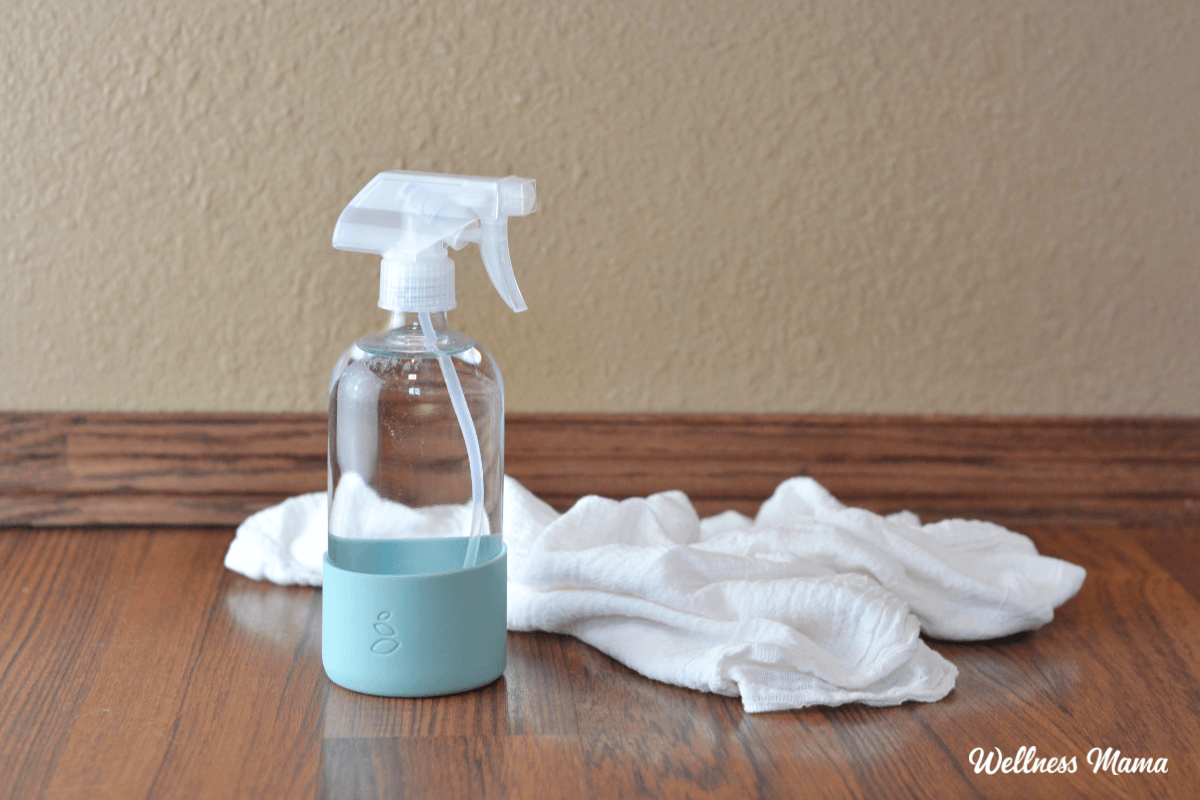
Homemade floor cleaners don't contain the preservatives that commercial products do, so they won't last forever. However, with proper storage, you can extend their usability. Always store your DIY cleaner in a clean, sealed container, preferably a glass bottle or a heavy-duty plastic jug. Keep it in a cool, dark place like under the kitchen sink or in a laundry room cupboard. Most vinegar-based solutions stay effective for several months. If you notice any cloudiness, strange odors, or mold growth, it's time to toss the batch and make a fresh one. Adding essential oils can actually help extend shelf life slightly because of their natural antimicrobial properties. For smaller batches, consider mixing only what you'll use within a week or two. This ensures maximum freshness and cleaning power. I usually mix mine in a one-gallon jug and refill my spray bottle as needed, which makes the process super convenient.
When to Use a Commercial Cleaner Instead
While homemade floor cleaners work wonderfully for most situations, there are times when a commercial product might be the better choice. If you're dealing with a serious mold infestation, biohazard cleanup, or a contagious illness in your home, stronger disinfectants may be necessary. Commercial cleaners are also formulated for specific issues like heavy wax buildup, stubborn grease in commercial kitchens, or specialized flooring materials that require specific care. If you have a sealed warranty on your floors, it's worth checking the manufacturer's recommendations. Some warranties specify which cleaning products are approved, and using the wrong cleaner could void your coverage. Additionally, if you have pets that are sensitive to essential oils or vinegar, you may need to be extra cautious about your ingredients. Always prioritize safety and effectiveness over the desire to go fully DIY. There's no shame in reaching for a commercial product when the situation calls for it.
Frequently Asked Questions About Making Floor Cleaner at Home
Can I use apple cider vinegar instead of white vinegar?
Yes, you can use apple cider vinegar in most DIY floor cleaner recipes, but keep in mind that it has a stronger color and scent. White vinegar is usually preferred because it's clear and nearly odorless once it dries. If you don't mind the faint amber tint and mild apple scent, apple cider vinegar works just as well for cleaning.
Is homemade floor cleaner safe for pets?
Most homemade floor cleaners using vinegar, water, and pet-safe essential oils are fine once the floors dry. However, some essential oils like tea tree, peppermint, and citrus can be toxic to cats and dogs if ingested in large amounts. Always research which essential oils are safe for your specific pets, and make sure floors are completely dry before allowing them to walk on freshly mopped surfaces.
How often should I mop my floors with a DIY cleaner?
For most households, mopping once a week is enough to keep floors clean and fresh. High-traffic areas like kitchens and entryways might need more frequent attention, while bedrooms can usually go longer between moppings. The great thing about homemade cleaners is that they're gentle enough for regular use without worrying about chemical buildup.
Can I use a DIY floor cleaner in a steam mop?
It depends on the steam mop. Some manufacturers warn against using anything other than water in their machines, as additives can damage internal components or leave residue. If your steam mop allows for cleaning solutions, dilute your homemade cleaner heavily and check the user manual first to avoid voiding the warranty.
Will vinegar leave a strong smell on my floors?
Vinegar has a noticeable smell during cleaning, but it dissipates quickly as the floors dry. Within fifteen to thirty minutes, the scent should be completely gone, leaving behind a clean, neutral finish. If the vinegar smell bothers you, adding a few drops of essential oil can help mask it during the cleaning process.
Making your own floor cleaner at home is one of the simplest ways to take control of what goes into your cleaning routine. With just a few affordable, natural ingredients, you can create effective solutions tailored to your specific floor type, scent preferences, and household needs. From sparkling tile to gleaming hardwood, the recipes and tips shared here can help you achieve professional-level results without the chemicals, cost, or plastic waste. Give one of these recipes a try this week, experiment with your favorite essential oil blends, and see just how easy and rewarding DIY cleaning can be. If you discover a combination you love, share it in the comments below. I'd love to hear what works for your home.