What’s Good For Cleaning Wood Floors: Best Guide
A simple mix of warm water and a small amount of pH-neutral wood floor cleaner works best for most hardwood floors, keeping them clean without damaging the surface. But finding the right product and method can feel tricky when you want your floors to look great for years. I've spent years testing different cleaners on my own hardwood floors and helping friends figure out what truly works versus what causes damage. In this guide, I'll walk you through everything you need to know about cleaning wood floors the right way, from daily care to deep cleaning methods that protect your investment.
Understanding Wood Floor Types and Their Cleaning Needs
Before you grab any cleaner, it helps to know what type of wood floor you have. Different finishes and wood species respond differently to moisture, pH levels, and cleaning agents. Treating an engineered hardwood floor the same as a solid oak floor can lead to warping, dullness, or even permanent staining. I learned this the hard way when I used a vinegar solution on my sister's antique pine floors and left white spots that took weeks to fade.
The most common wood floor types include solid hardwood, engineered hardwood, laminate, and bamboo. Solid hardwood is made from a single piece of wood and can be refinished multiple times. Engineered hardwood has a real wood veneer over a plywood base, making it more sensitive to excess water. Laminate floors aren't real wood but have a photographic layer that mimics wood, and bamboo is technically a grass but requires similar care to hardwood. Each type has specific cleaning requirements that I'll cover in detail.
Your floor's finish matters just as much as the wood type. Polyurethane finishes create a protective barrier that's water-resistant and durable. Wax finishes need gentle, solvent-based cleaners and benefit from buffing. Oil finishes penetrate the wood and require specific oil-based soaps. Penetrating sealers fall somewhere between wax and polyurethane. Knowing your finish helps you choose cleaning products that won't strip away protection or leave residue.
Best Cleaning Solutions for Wood Floors
Commercial Wood Floor Cleaners
Commercial wood floor cleaners are specifically formulated to clean without leaving residue or damaging finishes. Brands like Bona, Murphy, and Method offer reliable options that many flooring manufacturers actually recommend. I've used Bona's hardwood floor cleaner for years on my own floors and have never had issues with streaking or dullness.
When choosing a commercial cleaner, look for pH-neutral formulas that won't break down your floor's finish. Avoid products containing ammonia, bleach, or harsh solvents, as these can strip protective coatings and discolor wood over time. Spray bottles with ready-to-use formulas are convenient for spot cleaning, while concentrated versions mixed with water offer better value for whole-floor cleaning. Always check that the product is compatible with your specific floor type before applying it across your entire space.
DIY Cleaning Solutions
A simple DIY solution involves mixing a few drops of mild dish soap with warm water. This creates a gentle cleaning mixture that removes dirt without leaving harmful residues. I use this method monthly on my kitchen hardwood, and it works wonderfully for everyday grime.
For deeper cleaning, some people swear by diluted vinegar solutions, but this approach requires caution. The National Wood Flooring Association generally recommends against using vinegar on wood floors because the acidity can break down finishes over time. If you do try it, use a very diluted ratio of about one-half cup of white vinegar per gallon of water, and never use this method on wax finishes. I tested vinegar on a hidden corner of my floor for six months and noticed slight dulling compared to the rest of the surface.
Another safe DIY option involves mixing a small amount of olive oil with lemon juice for floors with a wax finish. This old-fashioned method cleans while conditioning the wood, but it should never be used on polyurethane finishes as it creates a slippery, hazy film. Always test any DIY solution in an inconspicuous area first before treating your entire floor.
What to Avoid Using on Wood Floors
Several common household items can seriously damage wood floors. Steam mops are particularly harmful because the heat and moisture force water into seams and under the finish, causing swelling and warping. I watched a friend destroy her beautiful maple floors in just three months with daily steam mopping.
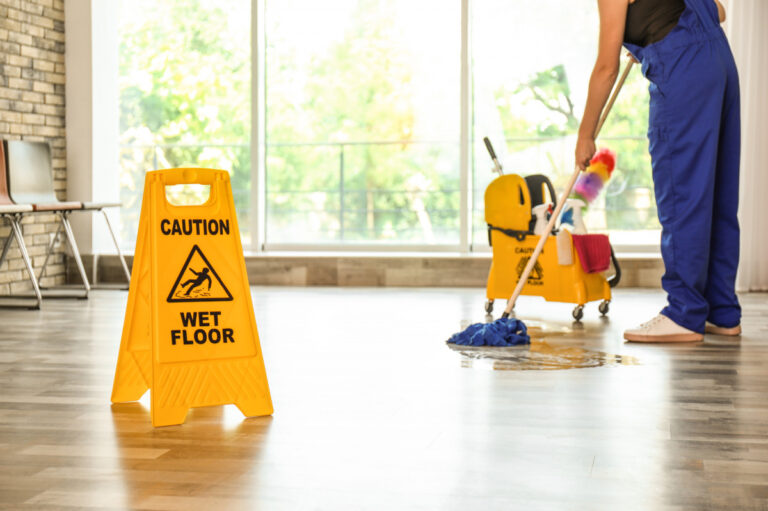
Vinegar, ammonia, and bleach-based cleaners should be avoided because their chemical properties break down protective finishes. Oil soaps not designed for modern polyurethane finishes leave residue that's nearly impossible to remove. Excessive water of any kind is the enemy of wood floors, as it penetrates seams and causes swelling, cupping, and potential mold growth. A damp mop that you can wring out thoroughly is essential, never a soaking wet one.
Step-by-Step Cleaning Process
Daily and Weekly Maintenance
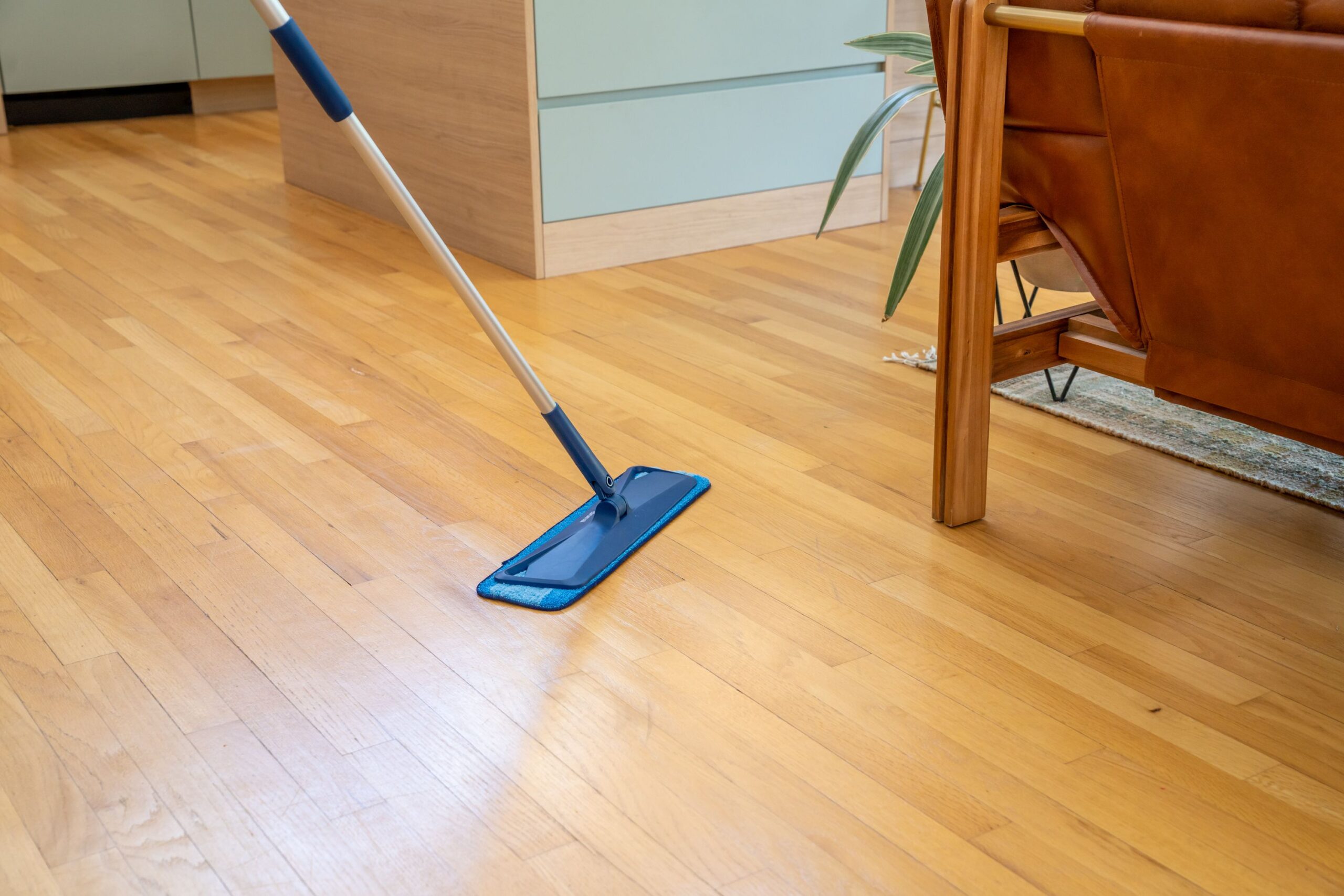
Regular maintenance prevents dirt buildup that scratches and dulls wood surfaces. Start by sweeping or vacuuming with a hard-floor attachment to remove loose debris. Microfiber dust mops work exceptionally well because they attract dust rather than just pushing it around. I sweep my floors every other day and notice significantly less wear compared to when I only cleaned weekly.
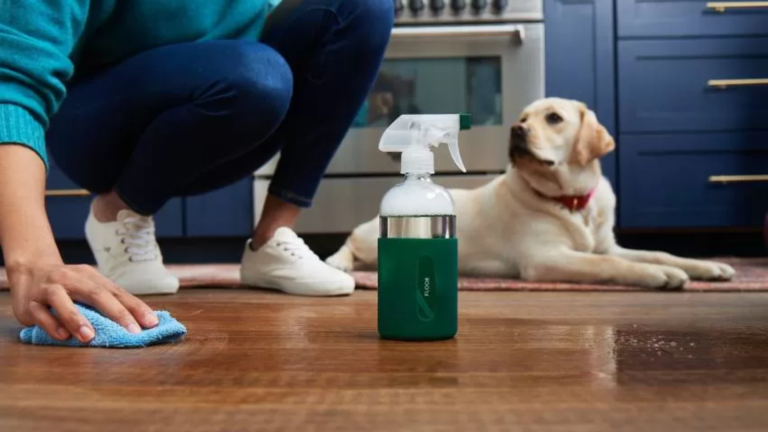
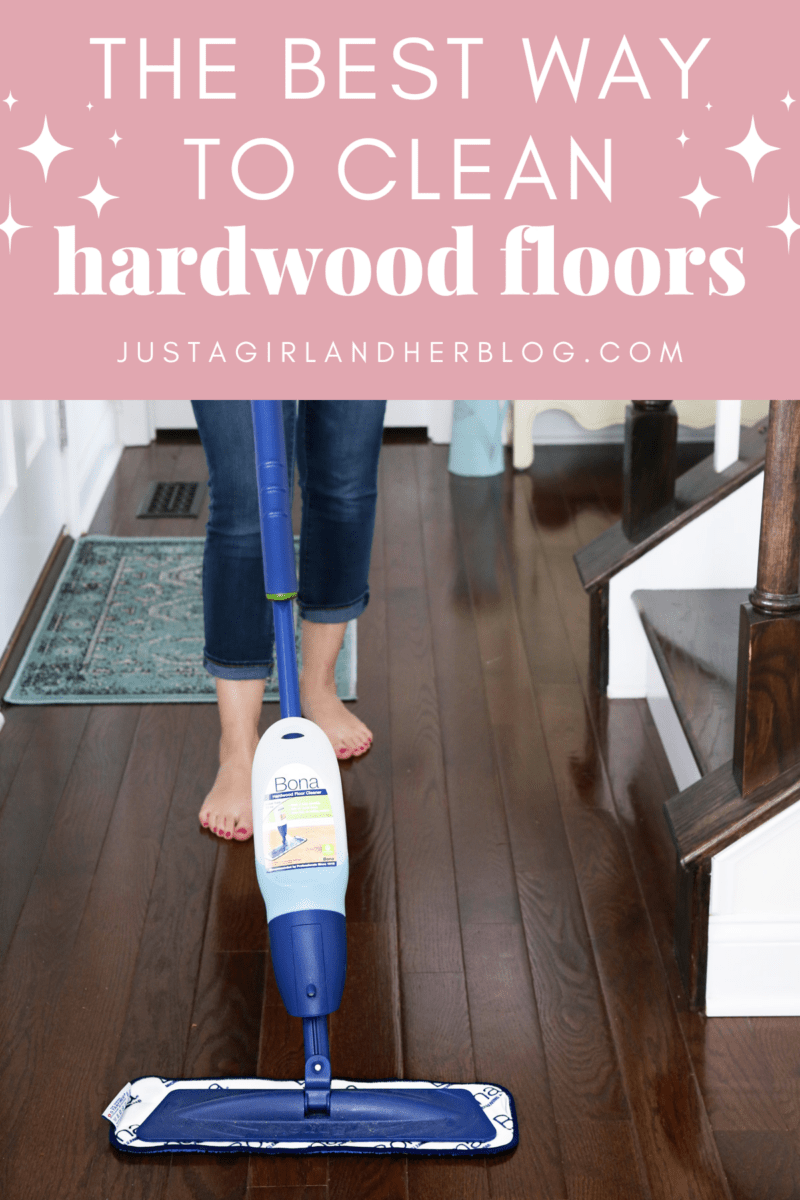
For weekly cleaning, use a slightly damp microfiber mop with your chosen cleaning solution. Work in sections, rinsing the mop frequently and changing water when it becomes dirty. Avoid scrubbing motions that can damage finishes. Instead, use gentle, overlapping strokes in the direction of the wood grain. Allow floors to air dry completely before walking on them, which typically takes about 15 to 20 minutes.
Deep Cleaning Methods
Deep cleaning should happen every two to three months, or more frequently in high-traffic areas. Start by thoroughly vacuuming or sweeping to remove all loose dirt. Then apply your chosen wood floor cleaner according to product instructions, working in small sections to prevent the cleaner from drying on the surface.
For stubborn spots like heel marks or sticky residue, use a soft cloth dampened with your cleaning solution and gentle pressure. Avoid using scrub brushes or abrasive pads that can scratch finishes. After deep cleaning, consider applying a wood floor polish or restorer if your floors look dull. These products add a protective layer and restore luster without requiring full refinishing. I restored my parents' ten years old oak floors using a polish product, and they looked almost new afterward.
Handling Tough Stains and Spills
Address spills immediately by blotting rather than wiping, which prevents spreading the liquid. For water-based spills like juice or coffee, blotting with a clean cloth usually removes everything. For oil-based stains, a cloth slightly dampened with mineral spirits can help, but test in an inconspicuous area first.
Pet stains require special attention because the ammonia in urine can damage finishes. Blot up as much as possible, then clean with a specialized pet stain remover designed for wood floors. For stubborn stains that have set, you might need to lightly buff the affected spot with fine steel wool and refinish that area. I successfully removed a red wine stain from my dining room floor using a baking soda paste left overnight, then wiped clean and polished.
Protecting Your Wood Floors Long-Term
Preventive Measures
Prevention is far easier than restoration when it comes to wood floors. Place doormats at every entrance to trap dirt before it reaches your floors. I installed walk-off mats at all three entrances in my home and reduced visible scratches by about seventy percent. Use furniture pads under all chair and table legs, and lift furniture when moving rather than dragging it across the surface.
Maintain consistent indoor humidity between thirty-five and fifty-five percent to prevent wood from expanding and contracting excessively. During dry winters, a humidifier helps prevent gaps between boards. In humid summers, air conditioning or dehumidifiers prevent swelling and cupping. Direct sunlight fades wood over time, so consider using curtains or blinds during peak sun hours, especially for floors with rich, dark stains.
Choosing the Right Cleaning Tools
The right tools make cleaning easier and more effective. Microfiber mop heads are ideal because they trap dirt and absorb moisture without leaving lint. Avoid sponge mops that push dirty water across floors. For vacuuming, use only hard-floor attachments and disable beater bars that can scratch surfaces.
Keep multiple microfiber cloths on hand for spot cleaning and spill response. A spray bottle for your cleaning solution allows controlled application without over-wetting floors. I keep a caddy with all my supplies on each floor of my home, making quick cleanups much more convenient and ensuring I never put off cleaning because supplies aren't readily available.
Seasonal Care Considerations
Each season brings unique challenges for wood floor maintenance. Salt and sand from winter boots scratch floors and leave residue, requiring more frequent cleaning during colder months. Place heavy-duty mats inside and outside entryways during winter, and consider keeping a basket of slippers by the door for guests.
Spring cleaning is ideal for deep cleaning wood floors after winter's grime. Summer brings humidity challenges that may require running air conditioning or dehumidifiers. Fall preparation includes checking for gaps between boards before heating season starts. Adjusting your care routine seasonally keeps floors looking their best year-round and extends their beauty significantly.

Frequently Asked Questions
Can I use a steam mop on wood floors?
No, steam mops should never be used on wood floors. The heat and moisture penetrate seams and damage finishes, causing swelling, warping, and permanent damage. Stick to damp mops with appropriate cleaners for safe and effective results.
How often should I clean my wood floors?
Dry cleaning like sweeping or dust mopping should happen several times weekly. Damp mopping with cleaner should occur weekly in most homes, with deep cleaning every two to three months. High-traffic areas may need more frequent attention to prevent buildup.
Is vinegar safe for wood floors?
Vinegar is generally not recommended for wood floors because its acidity can break down protective finishes over time. Use pH-neutral wood floor cleaners instead, or very mild dish soap solutions if you prefer DIY options.
What removes sticky residue from wood floors?
Goo Gone or similar citrus-based removers work well for sticky residue, but test in an inconspicuous area first. Alternatively, a cloth dampened with warm water and gentle dish soap can soften sticky spots for removal without damaging the surface.
Can I use Murphy's oil soap on polyurethane floors?
Traditional Murphy's oil soap isn't recommended for modern polyurethane finishes because it leaves residue that's difficult to remove. If you prefer Murphy's products, they now make a formula specifically designed for hardwood floors that works well on polyurethane finishes.
Final Thoughts
Cleaning wood floors doesn't require expensive products or complicated methods. The key is consistency, gentle products, and avoiding excessive moisture. Stick with pH-neutral cleaners, use microfiber tools, and address spills promptly. Your wood floors will reward you with decades of beauty when treated with proper care. Start with a simple routine today, and you'll notice the difference in how your floors look and feel within weeks. If you have specific questions about your floor type or stubborn issues, don't hesitate to reach out for personalized advice.