What To Use For Floor Cleaner: Best Guide
The best floor cleaner depends on your floor type, but a mix of warm water, white vinegar, and a few drops of dish soap works wonders on most hard surfaces. If you want a clean home without harsh chemicals or mystery ingredients, the answer is often sitting in your pantry right now.
I still remember the first time I scrubbed my kitchen floor with a fancy store-bought cleaner and ended up with a sticky residue that attracted more dirt than it removed. That tiny disaster sent me down a rabbit hole of testing every homemade and commercial floor cleaner I could get my hands on. Over the years, I have mopped everything from old hardwood to porcelain tile and learned that not every floor likes the same soap. Today, I am going to walk you through exactly what to use for floor cleaner based on your floor type, cleaning style, and budget, so you can stop guessing and start mopping with confidence.
Understanding Different Floor Types and Their Cleaning Needs
Before you grab any bottle off the shelf, you need to know what is actually under your feet. Treating a hardwood floor like a tile floor is one of the fastest ways to ruin its finish, and using too much water on laminate can cause swelling that costs hundreds to fix.
Hardwood Floors
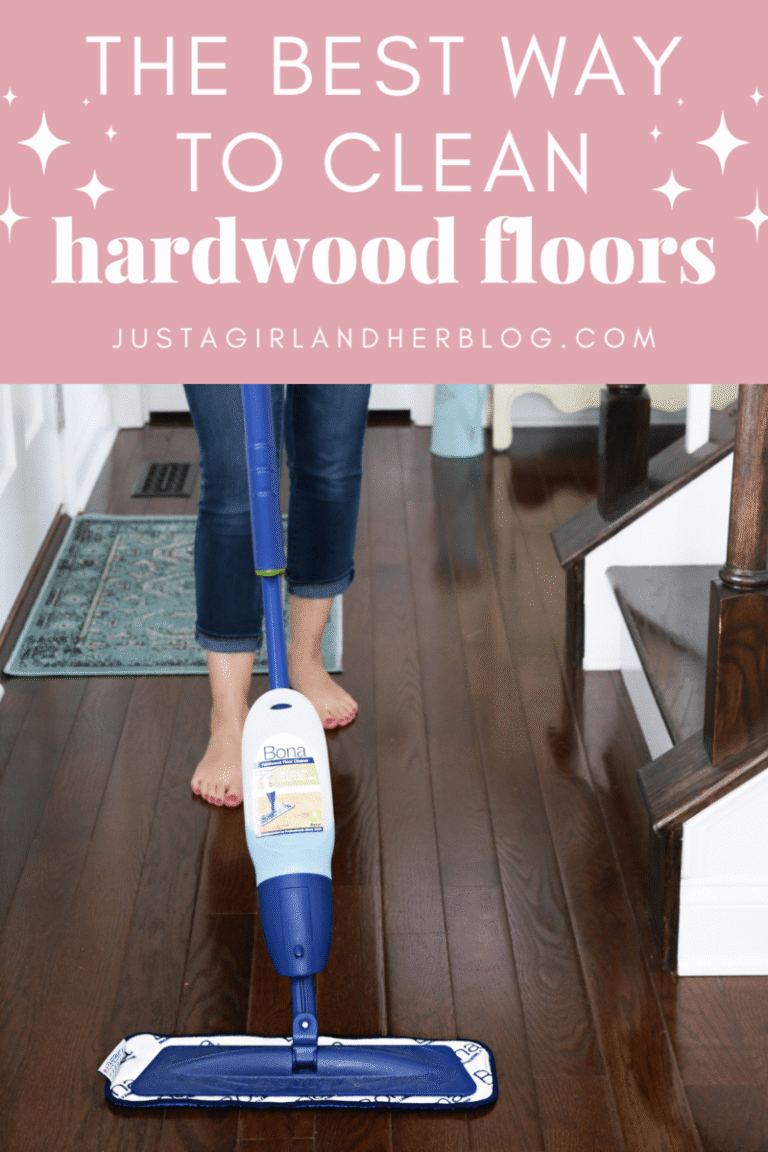
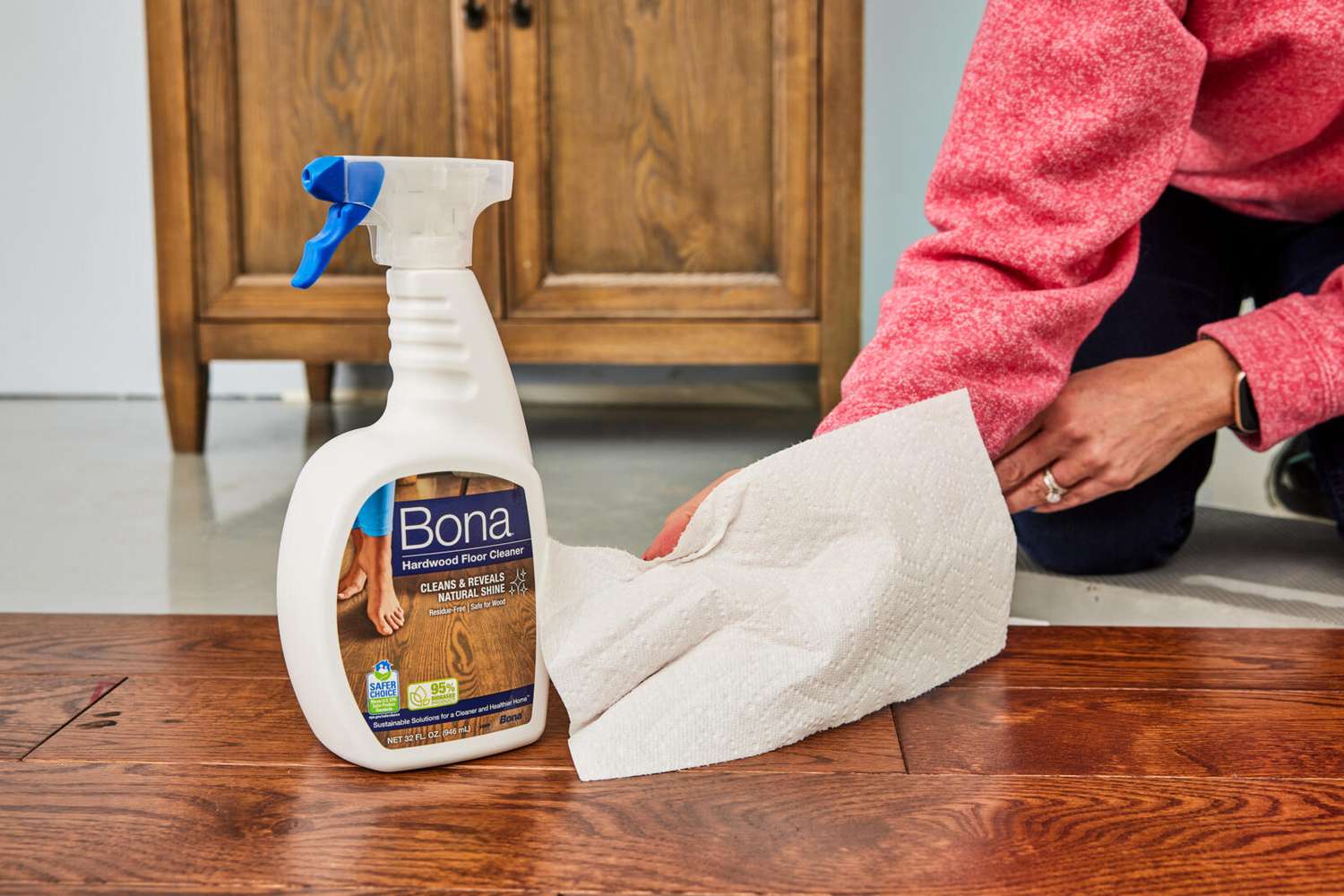
Hardwood is gorgeous but very picky. It hates standing water and anything too acidic. The best cleaner for hardwood is a pH-neutral solution, either a gentle commercial hardwood cleaner or a DIY mix of water with a small amount of castile soap. Avoid vinegar and lemon juice on waxed or oiled wood because they can strip the protective layer over time.
Tile and Grout
Ceramic and porcelain tile are tough, which means you can be a little braver here. A warm water and vinegar mix cuts through grease on kitchen tile, and a baking soda paste helps lift old stains from grout lines. For really grimy grout, oxygen bleach works better than chlorine bleach because it brightens without weakening the grout itself.
Laminate and Vinyl
Laminate and luxury vinyl plank look like wood but behave more like a sponge. Too much water seeps into the seams and causes swelling. The safest approach is a damp mop, not a wet one, and a cleaner made specifically for laminate or a mild dish soap diluted heavily in water.
Natural Stone Like Marble or Travertine
Stone floors are porous and acid-sensitive. That "natural lemon fresh" cleaner at the store might literally etch your marble. Use only pH-neutral stone cleaners or a tiny bit of mild dish soap in warm water, and wipe dry quickly to prevent water spots.
Carpet and Area Rugs
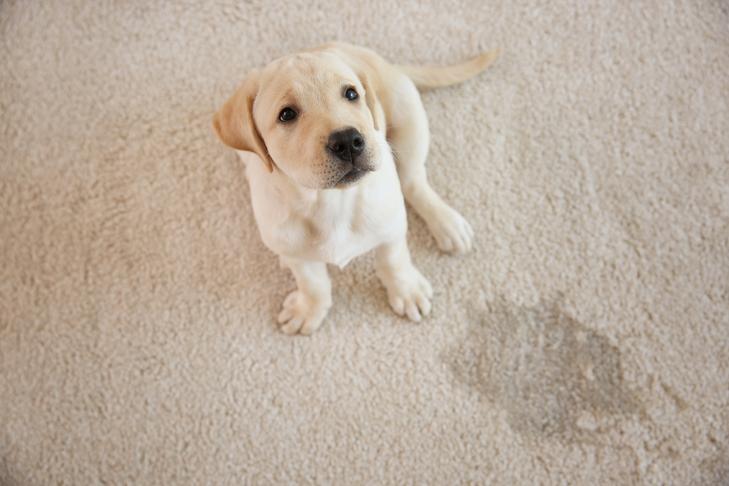
Carpets need a different game plan entirely. Most carpet stains respond well to a mix of water, white vinegar, and a drop of dish soap, applied with a cloth and blotted, never rubbed. For deep cleans, a rented or owned carpet extractor with a pet-safe enzymatic solution does the best job.

DIY Floor Cleaner Recipes That Actually Work
Homemade floor cleaners are cheap, eco-friendly, and free of weird fragrances. After years of testing, these are the only DIY recipes I still keep in my cleaning caddy.
All-Purpose Hard Floor Cleaner
This is my everyday workhorse for tile, vinyl, and sealed laminate.
You will need:
- One gallon of warm water
- Half a cup of white vinegar
- One teaspoon of castile soap or mild dish soap
- Optional: ten drops of essential oil like lavender or tea tree for scent
Mix everything in a bucket right before you mop. The vinegar handles grease and light soap scum, while the castile soap breaks down everyday grime. I have used this recipe on my kitchen tile for five years and it still looks great.
Gentle Hardwood Floor Cleaner
If your wood floors are sealed, this mix is safe and leaves no residue.
You will need:
- Two cups of warm water
- One tablespoon of castile soap
- Five drops of lemon or orange essential oil for a fresh scent
Dampen a microfiber mop, wring it out very well, and mop in the direction of the wood grain. Never soak the floor, and dry it within a few minutes with a soft cloth.
Grout Brightener Paste
For stained grout lines around the kitchen or shower entry, this paste works like a charm.
You will need:
- Half a cup of baking soda
- Enough hydrogen peroxide to make a thick paste
Apply the paste to grout lines, let it sit for five minutes, then scrub with an old toothbrush. Rinse with clean water and dry. I used this on my back entry tile and it pulled up years of grey grime in one session.

Pet-Safe Floor Cleaner
If you have dogs or cats who walk on the floor and then lick their paws, you want something non-toxic.
You will need:
- One gallon of warm water
- One quarter cup of white vinegar
- One teaspoon of unscented castile soap
This mix has no essential oils and no harsh fumes. It cleans well, dries fast, and is safe if your pet happens to walk across it before it dries.
Commercial Floor Cleaners Worth Buying
Sometimes you just want to grab a bottle and go. After testing dozens of options in homes and rental properties, I have a short list of commercial cleaners I actually trust.
For Hardwood and Engineered Wood
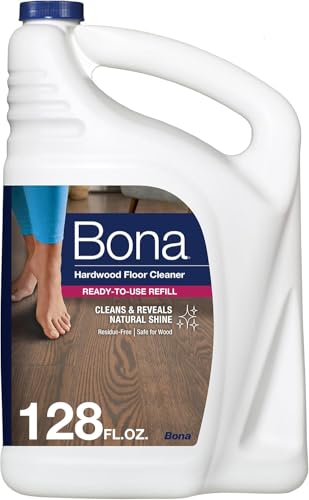
Look for waterless formulas that come in a spray bottle or pre-mixed solution. These usually contain plant-based surfactants and leave no dulling residue. A good hardwood cleaner should dry clear and not require rinsing.
For Tile and Stone
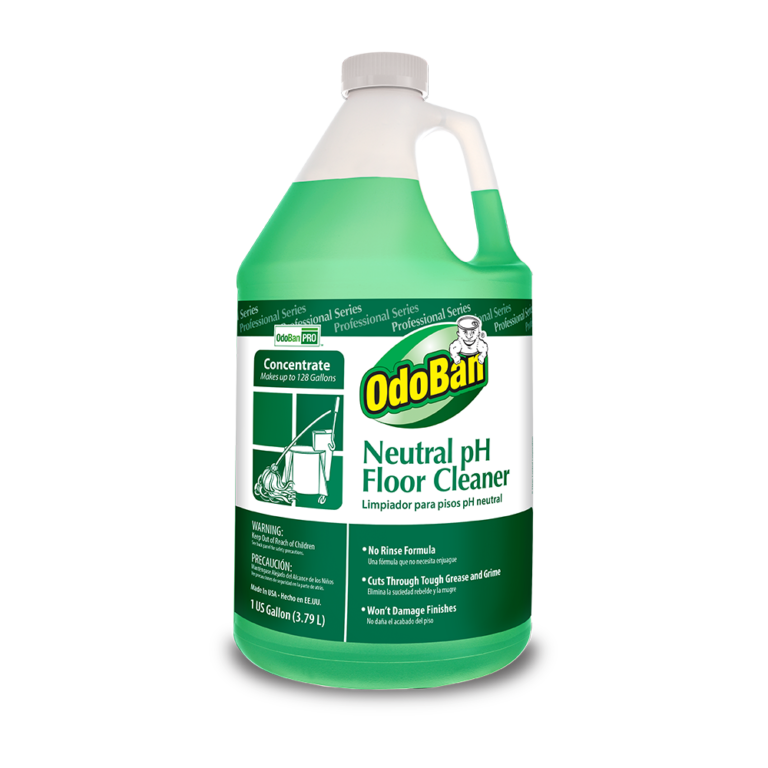
A neutral pH tile cleaner with a spray-and-wipe design works well for everyday messes. For periodic deep cleans, an alkaline tile cleaner cuts through body oils and soap residue in bathrooms better than an acidic one.
For Laminate and Vinyl
The best laminate cleaners are spray-on, no-rinse formulas that avoid leaving streaks. Many come with a microfiber mop pad included, which makes life easier.
For Carpet Spot Treatments
Enzymatic cleaners are the gold standard for pet stains and food spills because they actually break down organic matter instead of just masking the smell. Oxygen-based carpet cleaners are great for brightening older rugs without bleach.
For Multi-Surface Convenience
If you want one bottle for the whole house, a plant-based multi-surface cleaner is a solid choice. Just make sure it explicitly says safe for your floor type before you use it.

Common Mistakes to Avoid When Choosing a Floor Cleaner
I have made most of these mistakes myself, so learn from my errors.
Using Too Much Soap
More soap does not mean more clean. It usually means more residue. A little goes a long way, and extra soap attracts dirt back onto the floor within hours.
Using Vinegar on the Wrong Floors
Vinegar is amazing on tile but disastrous on marble, travertine, or unsealed stone. It also dulls the finish on older hardwood over time.
Mixing Cleaners
Never mix vinegar and hydrogen peroxide, ammonia and bleach, or any two cleaners together. The fumes can be dangerous, and the reaction can damage your floor.
Skipping the Test Spot
Always test a new cleaner in a hidden corner first. Some products look safe on the label but react with certain sealants and leave cloudy marks.
Soaking the Floor
A dripping mop is your enemy on wood and laminate. Always wring until damp, mop quickly, and dry the surface if your floor manufacturer recommends it.

Tools That Make Your Floor Cleaner Work Better
Even the best floor cleaner fails if you use the wrong mop.
Microfiber Mop
A flat microfiber mop picks up more dirt than a sponge mop and is gentle on every floor type. It also washes in the laundry and lasts for years.
Spray Mop
A spray mop lets you control how much solution hits the surface, which is perfect for laminate and wood.
Steam Mop
A steam mop uses only hot water and works wonders on tile and vinyl, but should not be used on hardwood or laminate because the heat and moisture can damage them.
Traditional Sponge Mop
Still useful for messy jobs and tight corners, but rinse it often and replace it when the sponge starts to smell.
Vacuum First, Mop Second
Always vacuum or sweep before mopping. Mopping over loose dirt just pushes it around and scratches the floor.

How Often Should You Clean Your Floors?
Frequency matters as much as the cleaner you pick.
- High traffic areas like kitchens and entryways should be mopped once or twice a week.
- Bathrooms benefit from a quick mop every few days to keep soap scum at bay.
- Bedrooms and guest rooms can go a week or more between mops.
- Hardwood in low traffic spots only needs a damp mop once a week to stay gorgeous.
If you have pets or kids, plan on more frequent cleaning. A good daily sweep and a weekly mop keeps most homes looking fresh without wearing out the finish.
Eco-Friendly and Budget-Friendly Floor Cleaning Tips
You do not have to spend a fortune to keep your floors spotless.
Reuse Old Spray Bottles
Save your empty commercial spray bottles and refill them with your DIY mix. It cuts plastic waste and saves money.
Buy Concentrates in Bulk
A little concentrated soap or vinegar goes a long way. One gallon of concentrate can replace dozens of store-bought spray bottles.
Make a Floor Cleaning Station
Keep a small caddy under the sink with your mop, microfiber pads, and a spray bottle of your favorite mix. When everything is ready to go, you will actually mop more often.
Try Microfiber Cloths First
For small spills and sticky spots, a damp microfiber cloth often handles the job without any cleaner at all.

Frequently Asked Questions
What is the safest floor cleaner for homes with kids?
A simple mix of warm water and a tiny amount of castile soap is one of the safest options. It has no synthetic fragrance, no dyes, and no harsh fumes. Rinse the floor with clean water afterward if your child is still in the crawling stage.
Can I use bleach in my floor cleaner?
Bleach works on white grout and certain tile surfaces, but it is too harsh for wood, laminate, or stone. It can yellow over time, damage sealants, and leave strong fumes. For most households, oxygen bleach is a safer alternative.
What is the best floor cleaner for pet accidents?
An enzymatic cleaner is best because it breaks down urine and odor at the molecular level. If you want a DIY option, blot the area with a mix of equal parts water and white vinegar, then sprinkle baking soda on top, let it dry, and vacuum.
Is vinegar safe for floor cleaning?
Vinegar is safe for most ceramic and porcelain tile, as well as some vinyl floors when diluted. It is not safe for marble, travertine, granite, or waxed hardwood. Always check your floor manufacturer guidelines before using vinegar.
What do professional cleaners use on floors?
Most professional cleaners use neutral pH cleaners designed for specific floor types. They often steam clean tile and use microfiber mops with controlled moisture on wood. They also avoid strong fragrances and focus on residue-free results.
Wrapping Up
Choosing the right floor cleaner does not have to feel like chemistry class. Match the cleaner to your floor type, skip the harsh chemicals when a gentle DIY mix will do, and always start by vacuuming before you mop. With the recipes above and a good microfiber mop, your floors will look cleaner, last longer, and smell fresher without breaking the bank. Try one of the DIY recipes this week, see how your floors respond, and share your favorite mix with a friend who is still buying expensive spray bottles every month.