What To Use For Laminate Floor Cleaning: Best Tips
Use a damp microfiber mop with a mild, laminate-safe cleaner or a simple mix of water and vinegar for safe laminate floor care. Laminate floors look gorgeous when they're clean, but using the wrong product can leave streaks, dull the finish, or even cause swelling over time. After testing dozens of methods in my own home and talking with flooring professionals, I've learned that gentle, pH-balanced solutions and dry-cleaning habits are the real secrets to keeping laminate floors looking new.

Why Choosing the Right Laminate Floor Cleaner Matters
Laminate floors are built tough, but the top wear layer is sensitive to harsh chemicals and standing water. Many store-bought cleaners contain ammonia, bleach, or wax that can permanently damage the protective coating. I've personally watched a beautiful oak-look laminate lose its shine after just three uses of a popular "all-purpose" cleaner. Once the protective film breaks down, no amount of polishing will bring it back.
That's why knowing what to use for laminate floor cleaning protects both the look and the lifespan of your investment. The best products are mild, quick-drying, and leave no residue. They clean without attacking the surface or seeping into the seams between planks.
Best Products to Use for Laminate Floor Cleaning
When it comes to cleaning laminate floors, I always recommend sticking with products specifically designed for laminate or hardwood. Here are the most reliable options I've used over the years.
Commercial Laminate Floor Cleaners
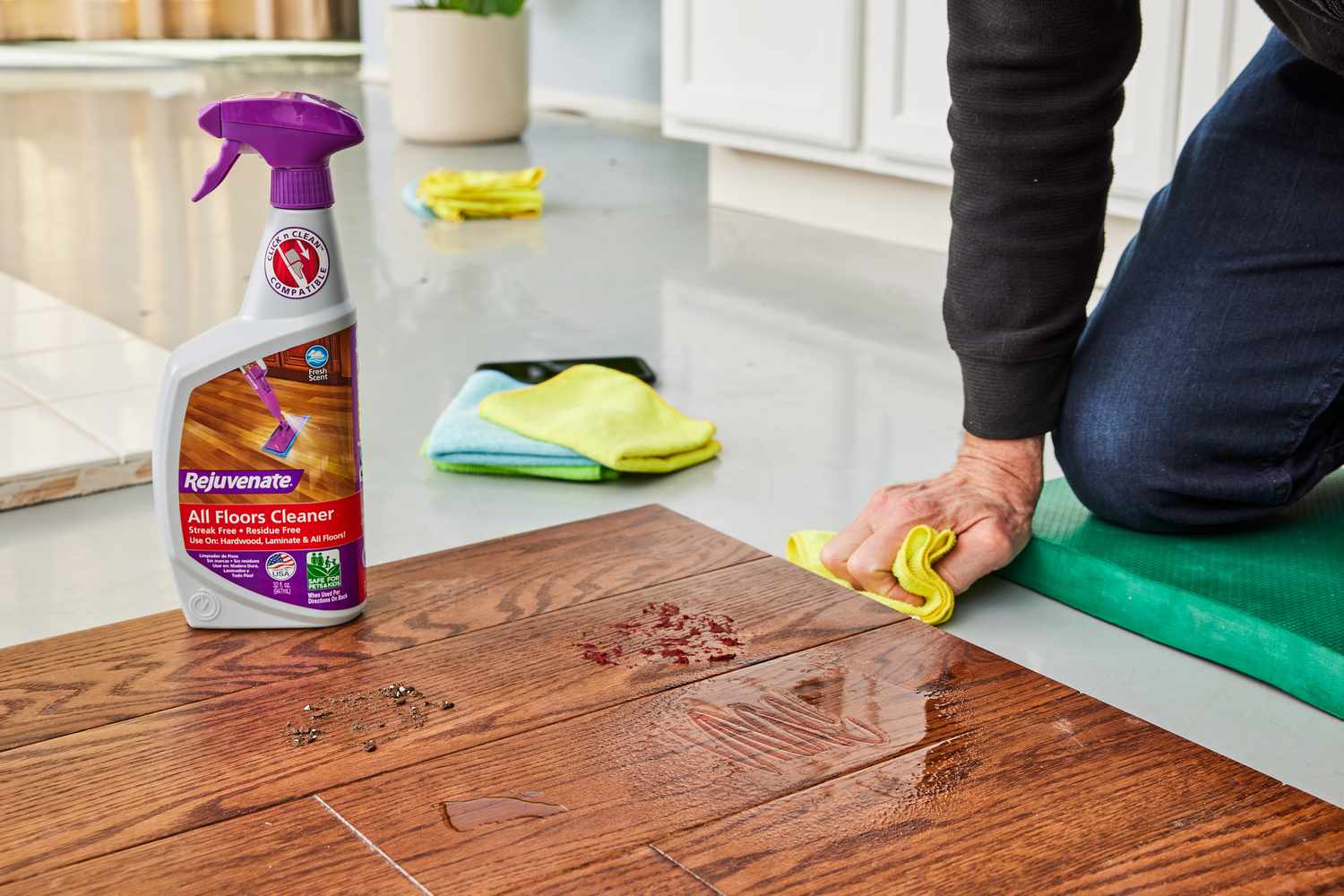
Brands like Bona, Method, and Armstrong make dedicated laminate formulas that are gentle and effective. They typically come in spray bottles or refill pouches. These cleaners are pH-neutral, which means they won't strip the finish or leave a cloudy film. I keep a Bona spray bottle on my mop handle at all times because it's fast and leaves no streaks.
DIY Laminate Floor Cleaner
If you prefer a homemade solution, mix one gallon of warm water with one cup of white vinegar. This simple combo cuts through grime, neutralizes odors, and dries quickly without leaving residue. For a softer scent, add a few drops of baby oil or mild dish soap. Just be sure to wring the mop thoroughly so the cloth is only slightly damp.
Mild Dish Soap Solution
A few drops of clear dish soap in warm water also works in a pinch. The key is to use a tiny amount so there's no soapy film left behind. I tested this in my kitchen during a spaghetti night, and it removed sticky spots without dulling the finish. Always follow with a dry mop pass to absorb leftover moisture.
Tools You Should Use for Laminate Floor Cleaning
The right tools make a bigger difference than people realize. Even the best cleaner can damage laminate if applied with the wrong mop.
Microfiber Mop
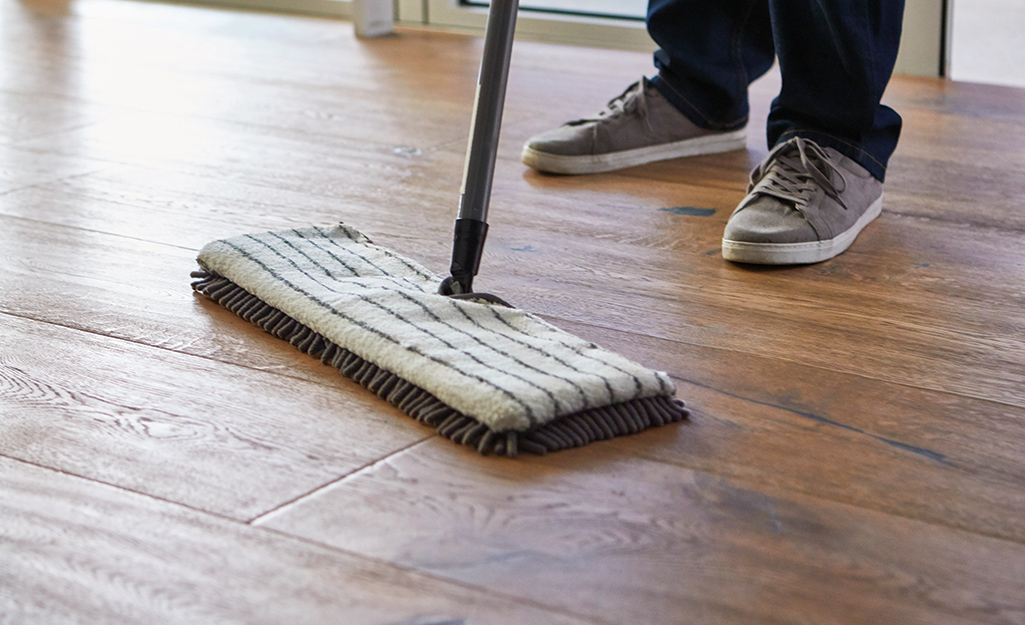
A flat microfiber mop is the gold standard for laminate floors. It picks up dust, pet hair, and spills without scratching the surface. I switched from a sponge mop to microfiber years ago, and the difference in cleanliness and drying time was immediate. Microfiber is also washable, which saves money in the long run.
Spray Mop
A spray mop lets you control how much moisture hits the floor. Since laminate hates standing water, this is a huge plus. You lightly mist the surface and wipe in one pass. I keep one in my laundry room for quick touch-ups between deep cleans.
Vacuum or Soft-Bristle Broom
Dry debris should always be removed before any wet cleaning. Use a vacuum without a beater bar or a soft-bristle broom. I vacuum my floors every other day because we have two dogs, and it prevents dirt from acting like sandpaper under foot traffic.
Cleaning Methods That Work Best for Laminate Floors
How you clean matters just as much as what you use. A good routine keeps laminate floors looking fresh without causing wear.
Dry Mop or Sweep First
Always start with a dry microfiber mop or soft broom to pick up dust and grit. Skipping this step means you'll be pushing dirt around with a wet mop, which can cause micro-scratches over time. I spend about three minutes dry mopping before any wet cleaning.
Damp Mop in Small Sections
Work in small areas so the floor doesn't stay wet for long. Lightly mist the surface and wipe in the direction of the planks. I do a 5×5 foot section at a time, which keeps the mop head from getting overloaded. This method prevents moisture from seeping into the joints.
Dry Immediately After Cleaning
Once you finish a section, follow up with a dry microfiber pad to soak up any remaining moisture. This step is non-negotiable in my house. Even a small puddle left behind can cause swelling or white haze over time.
Common Mistakes to Avoid When Cleaning Laminate Floors
Laminate is forgiving, but certain habits can shorten its life fast. Here are mistakes I've made or seen others make.
Using Too Much Water
Laminate is made from compressed wood fibers, and water is its enemy. Never pour water directly on the floor or use a soaking wet mop. The first time I installed laminate, I made this mistake and ended up with buckled planks near the entryway. Lesson learned.
Using Harsh Cleaners
Stay away from bleach, ammonia, or oil-based cleaners like Murphy's Oil Soap. These can break down the protective layer and leave a permanent haze. Always read the label and look for "safe for laminate" wording.
Using Wax or Polish
Laminate floors have a built-in finish, so waxing or polishing is unnecessary. In fact, it can make the floor slippery and create buildup that's hard to remove. If your laminate is dull, it may just need a proper clean, not a shine product.
Using a Steam Mop
Steam mops are popular, but most flooring manufacturers warn against them. The heat and moisture can force steam into the seams and cause swelling or delamination. I tested one on a sample board, and it permanently warped within minutes.
How to Handle Tough Spots on Laminate Floors
Even with regular cleaning, accidents happen. The key is to treat spots quickly without damaging the surface.
Sticky Spills
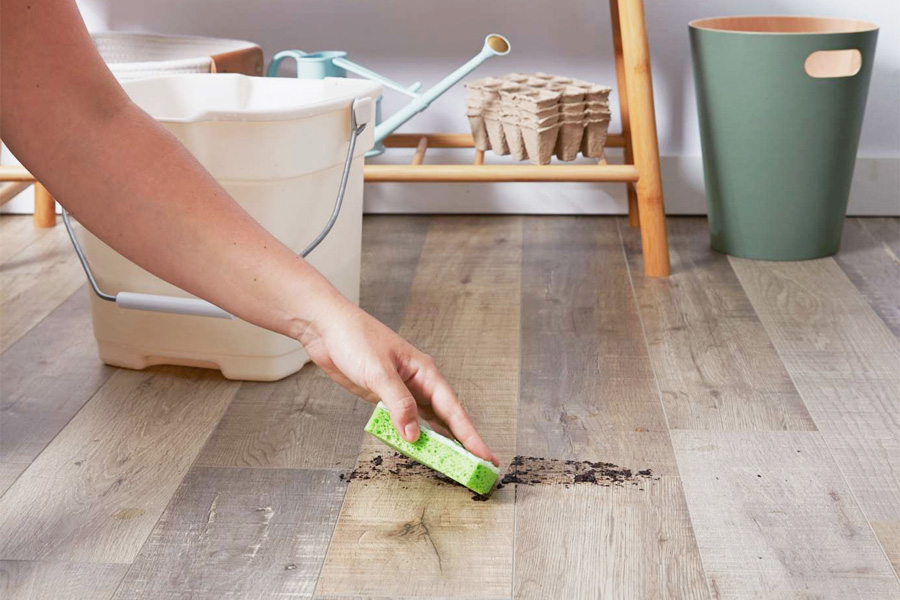
For sticky messes like juice or syrup, use a damp microfiber cloth with a tiny drop of dish soap. Wipe gently and follow with a dry cloth. I keep a small spray bottle of water nearby for these moments.
Scuff Marks
Scuffs from rubber or shoes often wipe away with a dry microfiber cloth. For stubborn marks, a little bit of rubbing alcohol on a cotton pad works wonders. Test in a hidden spot first.
Pet Stains
For pet accidents, blot the area right away and clean with a vinegar-water solution. Avoid ammonia-based cleaners because they can smell like urine to pets and encourage repeat accidents. I learned this the hard way with a new puppy.
DIY vs Store-Bought Laminate Floor Cleaners
Both options work, but each has its pros and cons. I've used both for years, and here's how they compare.
DIY Cleaners
The vinegar and water mix is cheap, eco-friendly, and easy to make. It's great for regular maintenance and gentle on the finish. However, it doesn't offer any protective qualities, and overusing vinegar can dull certain finishes over time.
Store-Bought Cleaners
Commercial laminate cleaners are formulated for daily use and often include tiny amounts of protectants. They're convenient and consistent. The downside is cost, and some formulas contain fragrances that may bother sensitive noses.
For most households, a rotation of both works best. I use the DIY mix weekly and a commercial spray for quick touch-ups.
How Often Should You Clean Laminate Floors?
Consistency matters more than frequency when you use the right method. Here's the routine that works in my home with two kids and two dogs.
- Dry mop or vacuum every other day to remove surface debris.
- Damp mop once a week with a laminate-safe cleaner.
- Spot clean spills and accidents immediately.
- Deep clean every two to three weeks using a fresh microfiber pad.
This schedule keeps the floor looking clean without overexposing it to moisture.
Tips for Maintaining Laminate Floors Long-Term
Beyond cleaning, a few simple habits extend the life and beauty of laminate floors.
- Place doormats at every entrance to catch dirt before it reaches the floor.
- Add felt pads under furniture legs to prevent scratches.
- Keep pet nails trimmed to avoid gouges.
- Avoid rubber-backed rugs, which can trap moisture and leave residue.
- Maintain stable indoor humidity between 35 and 65 percent to prevent expansion or contraction.
These small steps have kept my laminate floors looking new for over five years, even with heavy daily traffic.

Frequently Asked Questions
Can I use vinegar on laminate floors?
Yes, a diluted mix of one cup white vinegar per gallon of warm water is safe for laminate. It's gentle, effective, and dries quickly. Just avoid using it undiluted or too often, as excessive acidity may dull the finish over time.
Is Swiffer Wet Jet OK for laminate?
Most laminate manufacturers approve Swiffer WetJet with the laminate-specific pads and solution. The key is using only a light mist and changing pads frequently. I use mine for quick pickups between deep cleans.
What should I not use on laminate floors?
Avoid bleach, ammonia, oil soaps, wax, and steam mops. These can damage the wear layer, leave residue, or force moisture into the seams. Stick with pH-neutral, laminate-safe cleaners for the best results.
How do I make laminate floors shine again?
Clean it properly first. Often, dullness comes from residue buildup. Use a microfiber mop with a laminate cleaner and follow with a dry pass. Avoid polishes, which can leave a waxy film.
Can I use a steam mop on laminate floors?
Most manufacturers strongly advise against steam mops. The heat and moisture can warp planks and break down adhesive. Stick with a damp microfiber mop for safe, effective results.
Conclusion
Choosing what to use for laminate floor cleaning doesn't have to be complicated. Stick with a gentle, laminate-safe cleaner, a microfiber mop, and light moisture. Avoid harsh chemicals, steam, and standing water. With the right routine and a few protective habits, your laminate floors can stay beautiful and shiny without much effort. Try one of these methods today and feel the difference under your feet, and let me know your favorite cleaning trick in the comments.