How To Start A Home Cleaning Company: Best Guide
Starting a home cleaning company requires a solid business plan, proper licensing, quality supplies, and effective marketing to attract and retain residential clients.
I still remember the day I helped my cousin launch her first home cleaning business from her kitchen table. She had zero clients, no website, and only a handful of supplies, but within eighteen months, she had a full crew servicing over sixty homes every month. That journey taught me something powerful: starting a home cleaning company is one of the most accessible paths to entrepreneurship, but only if you build it the right way from day one. Whether you want to earn steady income on your own or scale into a multi-team operation, this guide will walk you through every essential step with real-world clarity and no fluff.
Understanding the Home Cleaning Industry
The residential cleaning industry is booming, and it's not slowing down anytime soon. With more dual-income households, aging populations, and busy professionals outsourcing chores, demand for trusted home cleaning services has never been higher. This makes it a perfect moment to start a cleaning business, even on a small scale.
Before you invest a single dollar, take time to understand the landscape. Most home cleaning companies fall into a few categories: regular residential cleaning, deep cleaning, move-in and move-out cleaning, and specialty services like post-construction or eco-friendly cleaning. Knowing which niche fits your skills and market is your first real strategic move.
A common misconception is that all you need is a mop and a bucket. In reality, successful cleaning businesses rely on systems, consistency, and trust. Clients are inviting you into their private spaces, so reputation matters more than price. That is why building a brand centered on reliability, professionalism, and quality is non-negotiable from the start.
Create a Simple but Solid Business Plan
Every thriving home cleaning company starts with a clear plan. You do not need a fifty-page document; you need a focused roadmap that covers your services, target market, pricing, and financial goals.
Start by defining your service area. Will you serve a single neighborhood, an entire city, or a specific zip code radius? Local focus helps you control travel time and keep costs predictable. Next, decide on your initial service offerings. It is smarter to launch with two or three core services rather than trying to do everything at once.
Outline your startup costs in detail. These typically include cleaning supplies, equipment, transportation, insurance, marketing, and software for scheduling and invoicing. Then set realistic revenue targets for your first three, six, and twelve months. A good rule of thumb is to aim for breaking even within the first four to six months if you are operating lean.
Your business plan should also define your unique value proposition. Are you offering eco-friendly products, flexible scheduling, background-checked staff, or a satisfaction guarantee? Whatever it is, make it clear and make it the heart of your brand story.
Choose the Right Business Structure
Selecting the right legal structure protects your personal assets and sets the foundation for taxes and growth. Most solo cleaning operators start as a sole proprietor because it is simple and inexpensive. However, forming an LLC is often a smarter move because it separates your personal finances from your business liabilities.
If you plan to hire employees or bring on a partner down the road, an LLC or S-Corp structure gives you more flexibility and credibility. Register your business name, obtain an EIN from the IRS, and check with your state and city for any required cleaning business licenses or permits. Requirements vary by location, so always verify with your local small business administration office.
Do not skip business insurance. General liability insurance and bonding are essential. Clients want to know that if something gets damaged or stolen, they are protected. Being insured and bonded instantly sets you apart from fly-by-night competitors.

Set Up Your Pricing and Service Packages
Pricing is one of the trickiest parts of starting a home cleaning company. Charge too little, and you will burn out. Charge too much without proof of quality, and you will struggle to get clients. The sweet spot lies in understanding your local market and positioning yourself with clear value.
Research what other cleaning companies in your area charge per hour or per square foot. Most residential cleaning services in the United States charge between 120 and 250 dollars for a standard home cleaning, depending on size, condition, and location. Deep cleanings and move-out cleanings typically cost more due to the extra labor involved.
A smart approach is to offer tiered packages. For example, a basic package might include dusting, vacuuming, mopping, and bathroom cleaning. A premium package could add inside oven cleaning, window sills, baseboards, and fridge interiors. This gives clients choices and increases your average ticket size without requiring extra sales effort.
Avoid quoting prices over the phone without seeing the home first, or at the very least, asking detailed questions about size, pets, and specific requests. Accurate quoting leads to satisfied clients and predictable income.
Invest in the Right Cleaning Supplies and Equipment
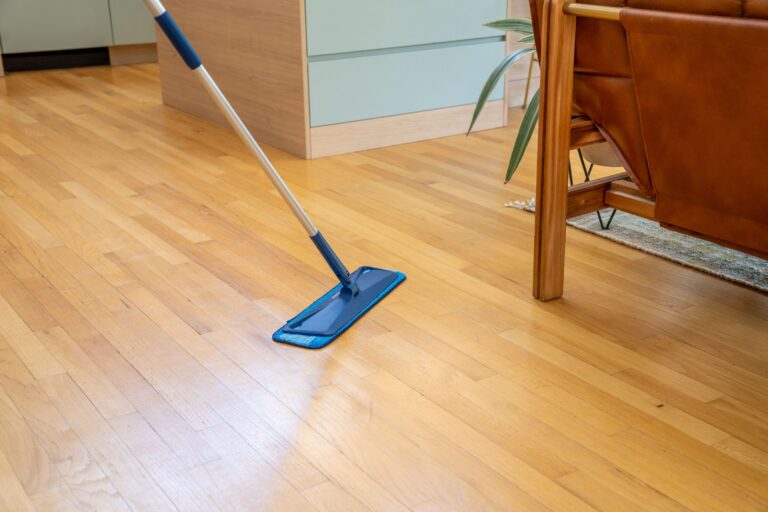
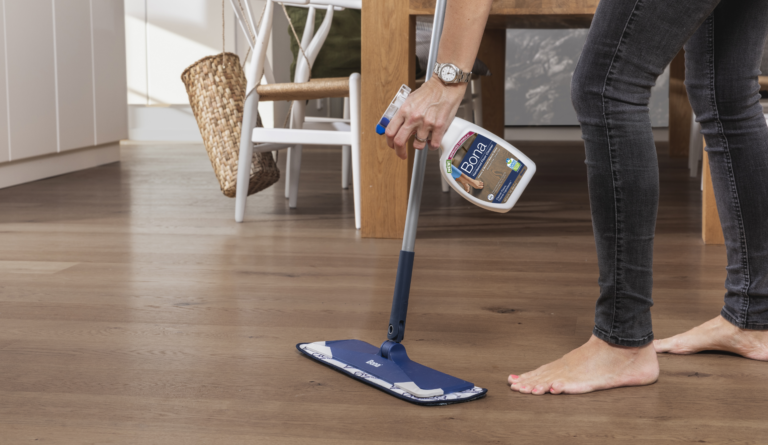
Your supplies are your tools of the trade, and cutting corners here will cost you in the long run. Start with high-quality, professional-grade microfiber cloths, vacuum cleaners, mops, and extendable dusters. These items are durable, efficient, and make your team look professional on the job.
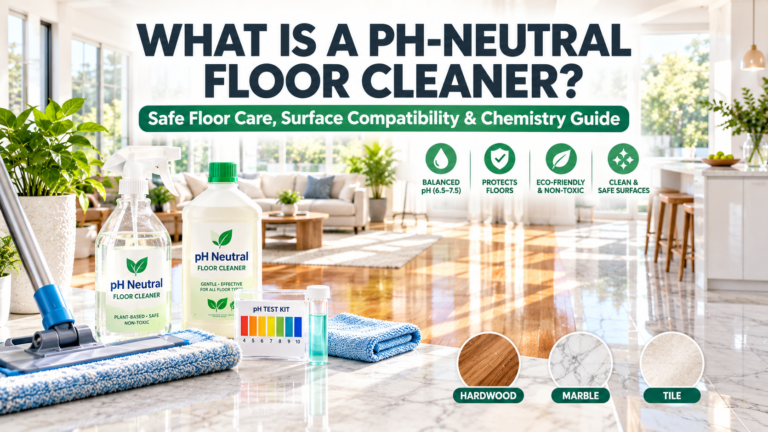
For cleaning solutions, consider offering both traditional and green options. Many homeowners today prefer non-toxic, pet-safe products, so having an eco-friendly line can be a real competitive advantage. Brands like Seventh Generation, Method, and Better Life are popular choices, but you can also create your own blends using simple ingredients like vinegar, baking soda, and essential oils.
Organize your supplies in a portable caddy or backpack so you can move quickly between rooms. Time is money in this business, and efficiency on-site directly impacts your profit margin. Label everything, keep an inventory checklist, and reorder supplies before they run out to avoid last-minute store runs.

Build a Memorable Brand and Online Presence
Your brand is more than a logo. It is the feeling people get when they hear your company name. Start by choosing a clean, professional business name that is easy to remember, spell, and pronounce. Make sure the domain name and social media handles are available before you commit.
Create a simple, mobile-friendly website that clearly explains your services, pricing, service area, and how to book. Include before-and-after photos, client testimonials, and a strong call to action. Most clients will judge your credibility within seconds of landing on your site, so invest in clean design and fast load times.
Claim your Google Business Profile immediately. This is the single most important marketing tool for any local cleaning company. Encourage happy clients to leave reviews, and respond to every review, positive or negative. A profile with fifty glowing five-star reviews will outperform a flashier competitor every single time.
Use social media to showcase your work. Before-and-after shots, time-lapse cleaning videos, and quick cleaning tips perform incredibly well on Instagram, Facebook, and TikTok. You do not need to go viral. You just need to stay visible and helpful in your local community.
Develop a System for Finding and Keeping Clients
Getting your first ten clients will feel like pulling teeth, but after that, momentum builds quickly. Start with your personal network. Tell friends, family, neighbors, and former coworkers that you are now in the cleaning business. Offer a referral bonus or a discount for first-time clients who book through someone you know.
Partner with local real estate agents, property managers, and Airbnb hosts. These professionals constantly need reliable cleaners and can become a steady source of recurring business. Offer them a small commission or discounted rate in exchange for consistent referrals.
Do not overlook traditional marketing. Flyers, door hangers, and business cards in local coffee shops, community boards, and mailboxes still work, especially in tight-knit neighborhoods. Combine that with targeted Facebook and Google ads aimed at homeowners in your service area. Even a small daily budget of 10 to 20 dollars can generate solid leads when your ads are well-written and geo-targeted.
Once you land a client, focus on retention. Send a quick thank-you message after the first job, follow up before the next appointment, and consider a loyalty program like a free deep clean after ten recurring visits. Keeping an existing client is far cheaper than finding a new one, and referrals from loyal customers are your most powerful growth engine.

Set Up Smart Operations and Scheduling
Running a cleaning business without systems is like trying to clean a house with no supplies. You will waste time, energy, and money. Invest in scheduling and invoicing software designed for cleaning businesses. Tools like Jobber, Housecall Pro, and ZenMaid let you manage appointments, send automatic reminders, track payments, and route your team efficiently.
Use a simple CRM or even a well-organized spreadsheet to keep track of client preferences, access codes, pets, and special instructions. The more personalized your service feels, the more clients will trust you with their homes and recommend you to others.
Time your jobs carefully. Most professional cleaners aim to complete a standard home cleaning in two to three hours for a two-bedroom home. Train yourself or your team to work efficiently without sacrificing quality. Set clear checklists for every job so nothing is missed and every visit feels consistent.
If you plan to hire, start with one reliable helper and grow slowly. Look for people with experience, strong work ethics, and a friendly attitude. Always run background checks and provide proper training on your systems, products, and customer service standards.
Handle the Money Side with Confidence
Money conversations can feel awkward, but handling finances professionally is critical. Set clear payment terms from the very first job. Most cleaning companies require a card on file or payment at the time of service. Offering online payments through tools like Stripe, Square, or your scheduling software makes life easier for both you and your clients.
Set aside 25 to 30 percent of every payment for taxes. Self-employment taxes catch many new business owners off guard, so planning ahead prevents stress during tax season. Consider hiring a small business accountant in your first year to make sure everything is set up correctly.
Track every expense, from cleaning supplies to gas mileage. These deductions add up quickly and can save you thousands at tax time. Apps like QuickBooks Self-Employed or Wave make bookkeeping simple, even if numbers are not your thing.

Frequently Asked Questions
How much money do I need to start a home cleaning company?
You can start a basic home cleaning company for as little as 500 to 1,500 dollars if you already have basic supplies and reliable transportation. A more professional launch with branded uniforms, a website, insurance, and premium supplies typically costs between 2,000 and 5,000 dollars. Many entrepreneurs grow this business gradually, reinvesting early profits into better equipment and marketing.
Do I need a license to start a cleaning business?
Licensing requirements vary by state and city, but most areas require a basic business license and sometimes a specific cleaning or service license. It is also wise to register for an EIN, get general liability insurance, and consider bonding. Checking with your local small business administration office ensures you meet all legal requirements from day one.
Should I start alone or hire employees right away?
Starting solo is the smartest move for most new cleaning business owners. It lets you learn the workflow, understand client expectations, and control quality before bringing others in. Once you are consistently booked solid and turning away work, that is the right time to hire your first helper.
How do I find my first cleaning clients?
Your first clients usually come from your personal network, local partnerships, and targeted online marketing. Tell everyone you know, leave flyers in high-traffic areas, set up your Google Business Profile, and offer an intro discount to first-time clients. Consistency in showing up and asking for referrals will build your client base faster than any single marketing tactic.
What is the average profit margin for a home cleaning company?
Home cleaning companies typically enjoy profit margins between 10 and 30 percent, depending on efficiency, pricing, and overhead. Solo operators often see higher margins because labor costs are lower. Scaling with a team reduces margins slightly but dramatically increases total revenue when managed well.
Wrap Up and Take the First Step
Starting a home cleaning company is one of the most practical, rewarding, and scalable businesses you can build today. With low startup costs, strong demand, and the ability to grow at your own pace, it is a perfect fit for driven individuals who love creating clean, welcoming spaces.
The key to success lies in treating it like a real business from the very beginning. Build a clear plan, price your services wisely, invest in quality supplies, and focus relentlessly on client satisfaction. Protect your company with proper licensing, insurance, and smart systems. Then market consistently, ask for referrals, and never stop improving.
You do not need to have every answer figured out before you start. You just need to take that first step, keep learning, and stay consistent. Your future clients are out there waiting for someone just like you to show up, do an amazing job, and earn their trust. If this guide helped you, share it with a friend who is dreaming of starting their own business, or drop a comment below with your biggest question about launching your cleaning company.