What Can I Use Instead Of Tineco Cleaning Solution: Best Alternatives
You can safely replace Tineco cleaning solution with hot water, diluted white vinegar, or a small amount of gentle dish soap, depending on the mess you're tackling. After years of testing different floor cleaners with my own Tineco vac, I've discovered that some pantry staples work just as well as the branded formula, and they're far gentler on your machine and your wallet.
If you've ever stood in front of your Tineco wondering whether you really need to buy another bottle of the official solution, you're not alone. Many owners start searching for alternatives once the bottle runs out, once they notice the price creeping up, or once they realize how often they mop. I went down this exact rabbit hole myself, partly out of curiosity and partly because my local store kept running out of the brand name formula. What I learned is that your machine cares about two things: clean water and the right amount of surfactant. Beyond that, you have plenty of flexibility. Let me walk you through the best options, what to avoid, and how to mix things safely.

Why the Tineco Solution Matters (and Why You Can Skip It)
The official cleaning solution exists for a reason. It's designed to break down greasy residue, neutralize odors, and keep the internal tubes and brushes free of buildup. Most formulas also contain mild antibacterial agents and a low-foam design so your vacuum doesn't choke on bubbles. That's important because too much foam can damage the motor or leave residue on your floors.
But here's the inside scoop after dozens of cleanings: your machine doesn't actually need that specific brand to function well. The Tineco system is designed to work with clean water as the primary cleaning agent. The solution is basically a performance booster, not a necessity. As long as you use something low-sudsing, non-corrosive, and free of harsh chemicals, you're in good shape.
Think of it like cooking. A recipe calls for a specific stock, but if you understand the role it plays (moisture, flavor, body), you can swap it with something that does the same job. The same logic applies here.
Safe Alternatives You Probably Already Have at Home
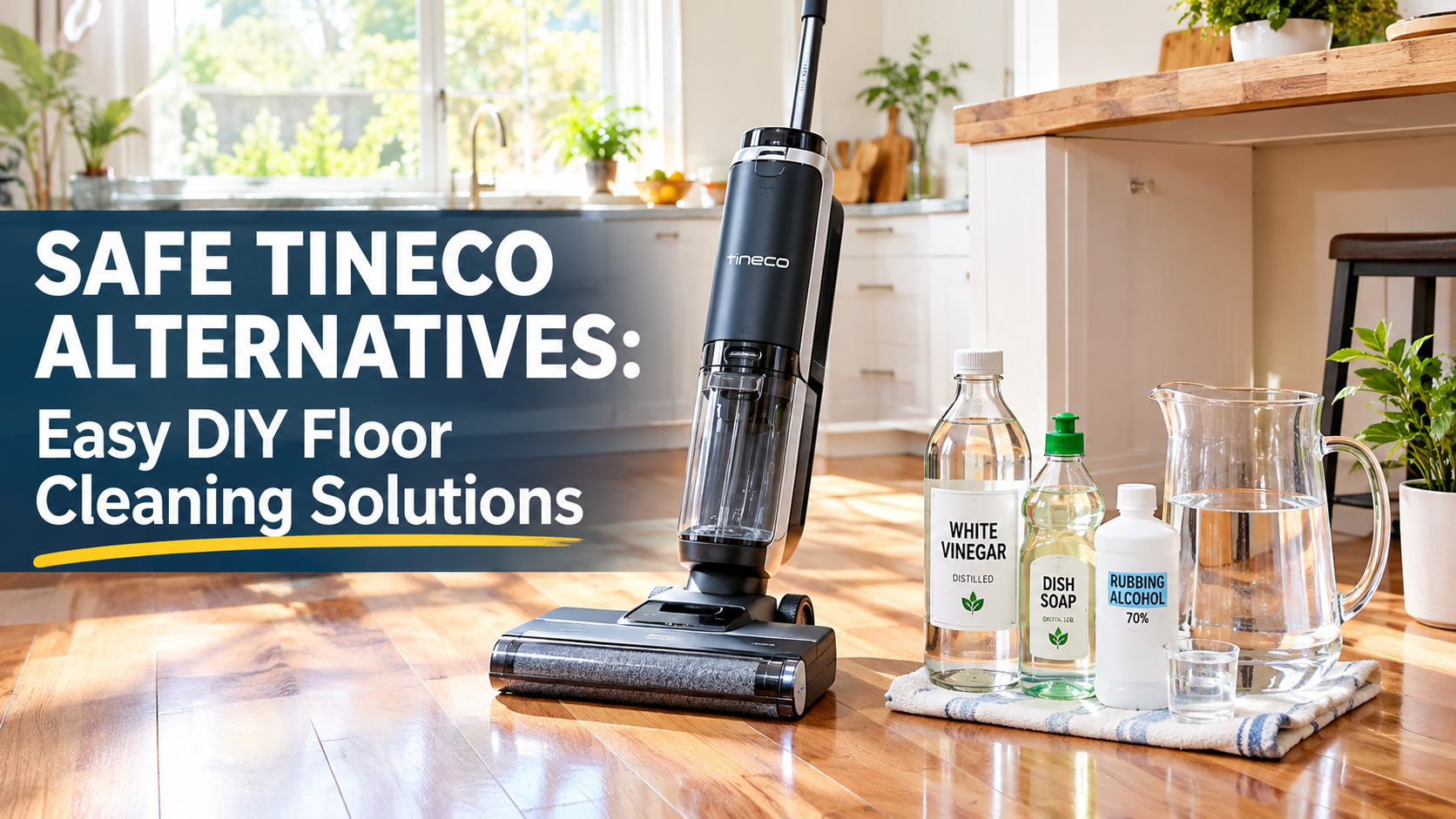
You don't need a special order or a fancy brand to keep your floors spotless. Here are the alternatives I've personally tried and trusted over the years, along with what each one does best.
Hot Water Alone
Sometimes the simplest answer is the right one. If you're doing daily maintenance mopping and your floors aren't heavily soiled, plain hot water works beautifully. It cuts light dust, sticky spots, and everyday grime without leaving any chemical residue behind.
This is my go-to on hardwood, laminate, and tile when I'm in a hurry. Just fill the tank with hot water from the tap. Not boiling, but warm enough to help dissolve grime. You'll be surprised how much dirt comes up without adding a single drop of solution.
The one drawback is that hot water alone doesn't disinfect or deodorize. If you have pets, kids, or just a busy household, you'll want a little something extra for a deeper clean.
White Vinegar (Diluted)
White vinegar is the MVP of natural cleaning. It's mildly acidic, which means it breaks down mineral deposits, sticky residue, and soap scum without harming sealed flooring. It also neutralizes odors, so your floors smell fresh without that fake "clean scent" perfume.
Here's the safe ratio: mix one part white vinegar to three or four parts warm water. Never use undiluted vinegar in your Tineco. The acidity can wear down rubber seals over time if used too concentrated, and your floors may end up with a dull finish.
I use this combo in my kitchen after cooking nights. It lifts greasy footprints and leaves a subtle crisp scent that fades within minutes. It's also one of the cheapest options around, so you can mop as often as you want without guilt.
Gentle Dish Soap (A Tiny Amount)
If your floors have seen real action, think muddy paw prints, sticky juice spills, or bathroom traffic, a drop of dish soap can save the day. The key word here is drop. A single small squirt per full tank is more than enough. Too much creates foam, and foam is the enemy of your Tineco's suction system.
Choose a clear, dye-free dish soap without heavy fragrances or moisturizers. Those additives leave film on the surface and can clog the brush roll. I personally keep a bottle of basic unscented soap next to my machine for this exact reason.
Rinse the tank thoroughly after using soap. Leftover residue can cause buildup in the lines, and that buildup is the number one cause of clogging and odor.
Rubbing Alcohol for Streak-Free Shine
This one surprised me when I first tried it. A capful of rubbing alcohol mixed into your water tank helps the solution evaporate faster, which means fewer streaks on glossy surfaces like hardwood or polished tile. It also gives a slight antibacterial boost.
Just be careful with the ratio. About one tablespoon per full tank is plenty. Too much alcohol can dry out certain wood finishes, so spot test first if your floors are older or unsealed.
I use this trick when I'm cleaning before guests come over. The floors dry in record time and look like they were just professionally polished.
Store-Bought Third-Party Floor Cleaners
If you'd rather grab something off the shelf, several brands make Tineco-compatible formulas. Look for ones labeled as "low foam," "machine safe," and "no rinse required." Brands like Bona, Hoover, and Bissell often offer solutions that work across multiple machines.
These are great if you want the convenience of a pre-mixed formula without paying the Tineco premium. Just read the ingredients. Avoid anything with bleach, ammonia, or heavy wax, since those can damage seals and leave buildup.
I've tested a few of these and honestly, the performance is nearly identical to the Tineco brand. The only thing you give up is the signature scent, and that's a small trade-off for saving a few dollars.
What NOT to Put in Your Tineco
Now that we've covered the good stuff, let's talk about what to avoid. This list comes from both personal mistakes and feedback from other Tineco owners who've learned the hard way.
- Bleach: It corrodes internal parts, damages seals, and releases fumes when mixed with warm water. Even diluted bleach is risky.
- Ammonia-based cleaners: They can discolor flooring and leave toxic residue.
- Essential oils in high concentration: They smell great, but they leave oily buildup in the tubes.
- Wax or polish: These coat the inside of your machine and clog the brush roll.
- Powdered cleaners: They don't fully dissolve and can scratch internal components.
If you're ever unsure, just remember this rule: if you'd hesitate to use it on a baby's floor, don't put it in your Tineco.
How to Mix and Use Alternatives Safely
Mixing your own solution is simple, but a few habits will save you from headaches later.
- Always use warm water, not hot. Boiling water can warp the tank.
- Mix in a separate container, then pour into the tank. This prevents undissolved soap from gumming up the works.
- Rinse the tank after every use, especially if you've added soap or vinegar.
- Run clean water through the machine once a month as a "flush" to clear residue.
I've been following this routine for over two years, and my Tineco still runs like the day I unboxed it. A little care goes a long way.

Comparing Your Options at a Glance
Here's a quick cheat sheet to help you choose based on the situation.
- Daily light cleaning: Hot water only
- Greasy or sticky messes: Diluted vinegar
- Deep clean with soap: A single drop of dish soap
- Streak-free shine: Water plus a splash of rubbing alcohol
- Set-it-and-forget-it convenience: Third-party low-foam formula
Each option has its moment. I rotate between them depending on the mess, and that's the beauty of going DIY. You're not locked into one product.
Common Mistakes to Avoid
Let me save you from the mistakes I've already made. First, never assume "more is better." A heavy hand with vinegar or soap will only cause foam and residue. Second, don't ignore the manufacturer's guidelines for cleaning the brush roll. Even with gentle solutions, the brushes need a rinse every few weeks. Third, avoid mixing cleaning agents. Vinegar plus dish soap, for example, creates a foamy mess that can damage your machine.
When I first started experimenting, I overdid it with vinegar, and my floors looked cloudy for days. Lesson learned: less is more.

Frequently Asked Questions
Can I use just water in my Tineco?
Yes, plain water works fine for light, everyday cleaning. It's the safest option and won't leave any residue. For deeper cleans, you'll want to add a mild cleaning agent.
Will vinegar damage my floors?
Diluted vinegar is safe for most sealed hardwood, tile, and laminate floors. However, avoid using it on unsealed wood, natural stone, or waxed surfaces, as the acid can dull or damage the finish.
How often should I clean my Tineco tank?
Rinse the tank after every use, and do a deep clean of the entire system once a month. This prevents buildup, odors, and clogs, especially if you're using homemade solutions.
Is dish soap safe for all Tineco models?
Most models handle a small amount of clear, dye-free dish soap well. Just make sure the soap is low-sudsing and free of moisturizers or bleach additives. Always rinse the tank thoroughly afterward.
Can I mix two different solutions together?
It's best to avoid mixing. Combining vinegar with dish soap, for example, creates foam that can damage the motor. Stick to one cleaning agent at a time and rinse the tank between uses.
Final Thoughts
Finding the right alternative to Tineco cleaning solution isn't about finding a perfect replacement. It's about understanding what your machine actually needs: clean water, mild surfactant, and a rinse cycle now and then. Once you know that, the options open up. From hot water alone to a splash of vinegar or a drop of dish soap, you probably already own everything you need for a sparkling floor.
Start simple. Test small. See how your floors respond. Within a few uses, you'll find your own perfect mix. And when you do, you'll wonder why you ever paid premium prices for the branded bottle.