What To Use For Cleaning Car Seats: Best 2026 Guide
The best way to clean car seats depends on the material, but a mix of mild soap, water, fabric cleaner, or leather conditioner works for most cars. For fabric seats, use a quality upholstery cleaner or a homemade solution of dish soap, white vinegar, and warm water. For leather, a pH-balanced leather cleaner and conditioner is the safest choice.
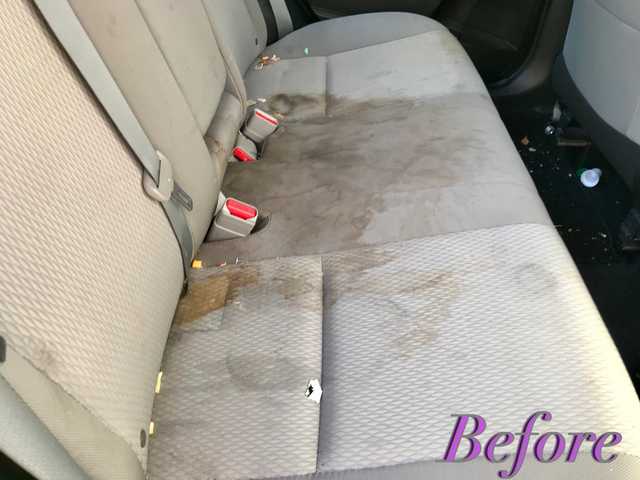
Keeping your car seats clean isn't just about looks. It's about comfort, hygiene, and protecting your vehicle's value. Over the years, I've tested dozens of products, made my share of mistakes, and learned what really works. Whether you're dealing with coffee spills, pet hair, or years of built-up grime, this guide will walk you through exactly what to use for cleaning car seats, based on the material and the mess.
Understanding Car Seat Materials
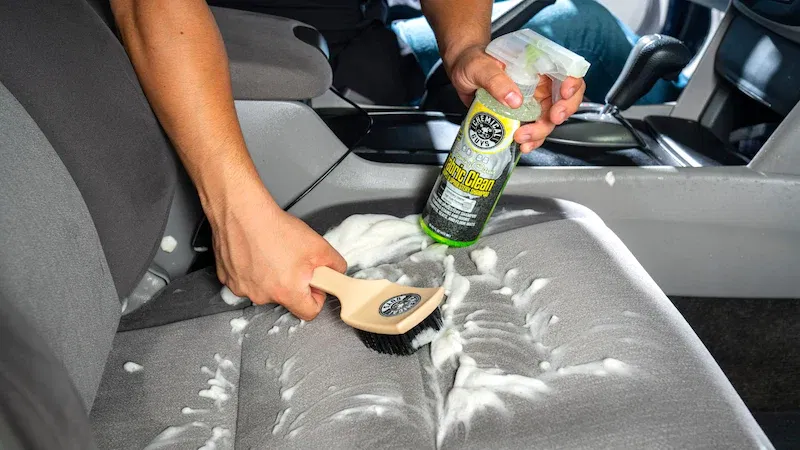
Before you reach for any cleaner, you need to know what type of material you're working with. Using the wrong product can cause discoloration, cracking, or permanent damage.
The most common car seat materials include:
- Cloth or fabric
- Leather
- Faux leather or vinyl
- Alcantara or suede
- Nylon or polyester blends
Each material reacts differently to water, soap, and chemicals. Fabric seats are the most forgiving, while leather and Alcantara require special care.
What to Use for Cleaning Fabric Car Seats
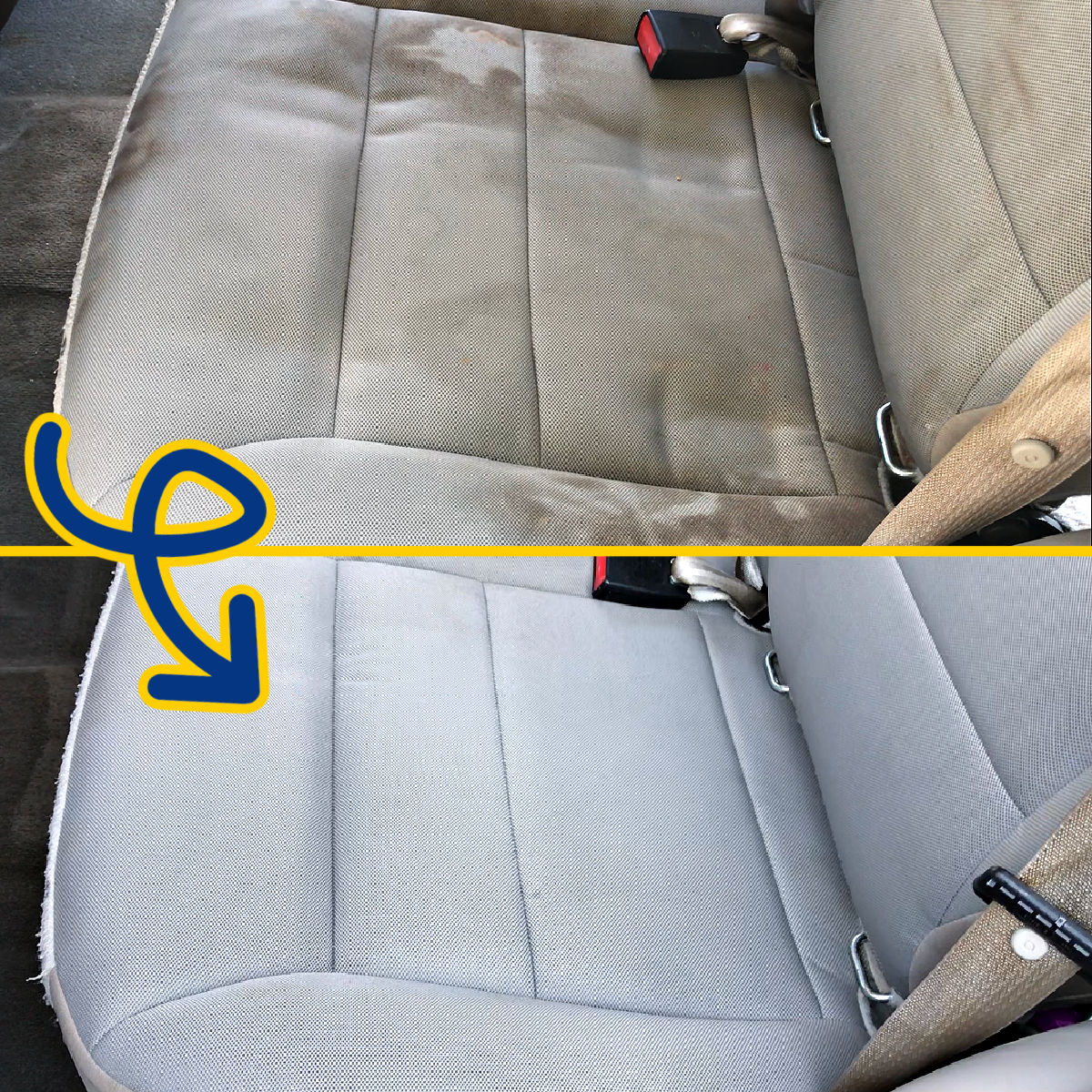
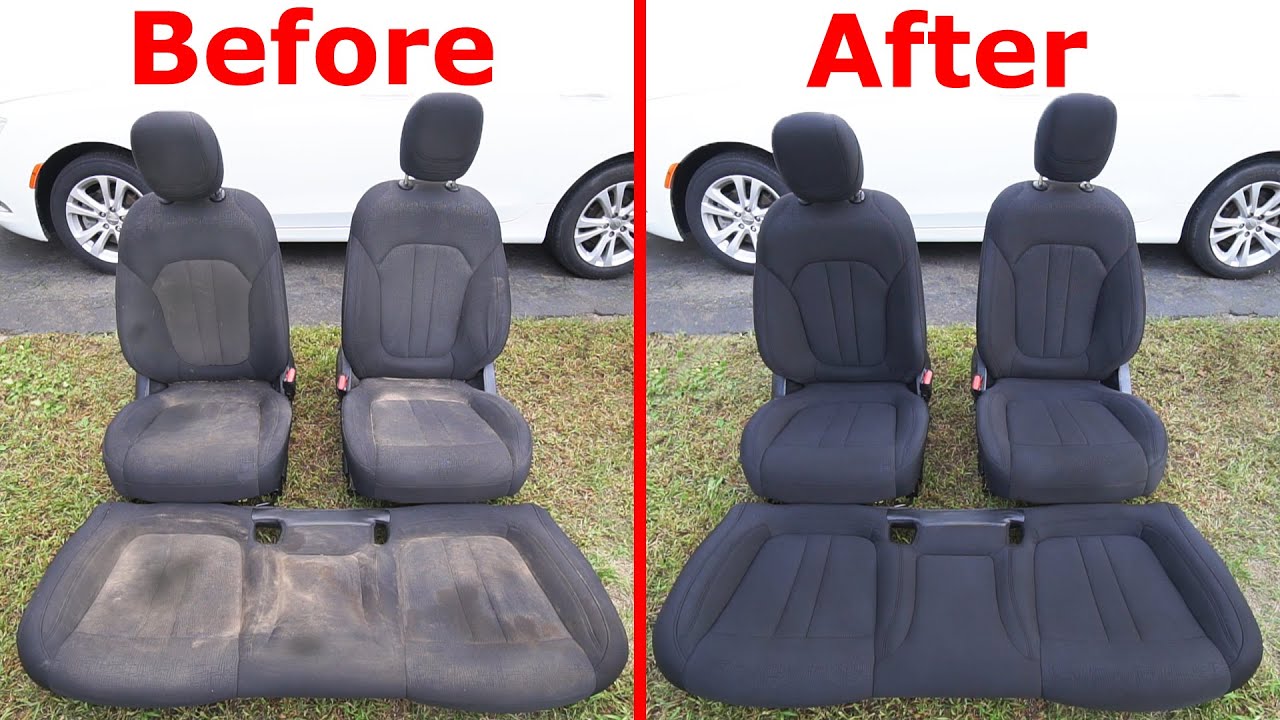
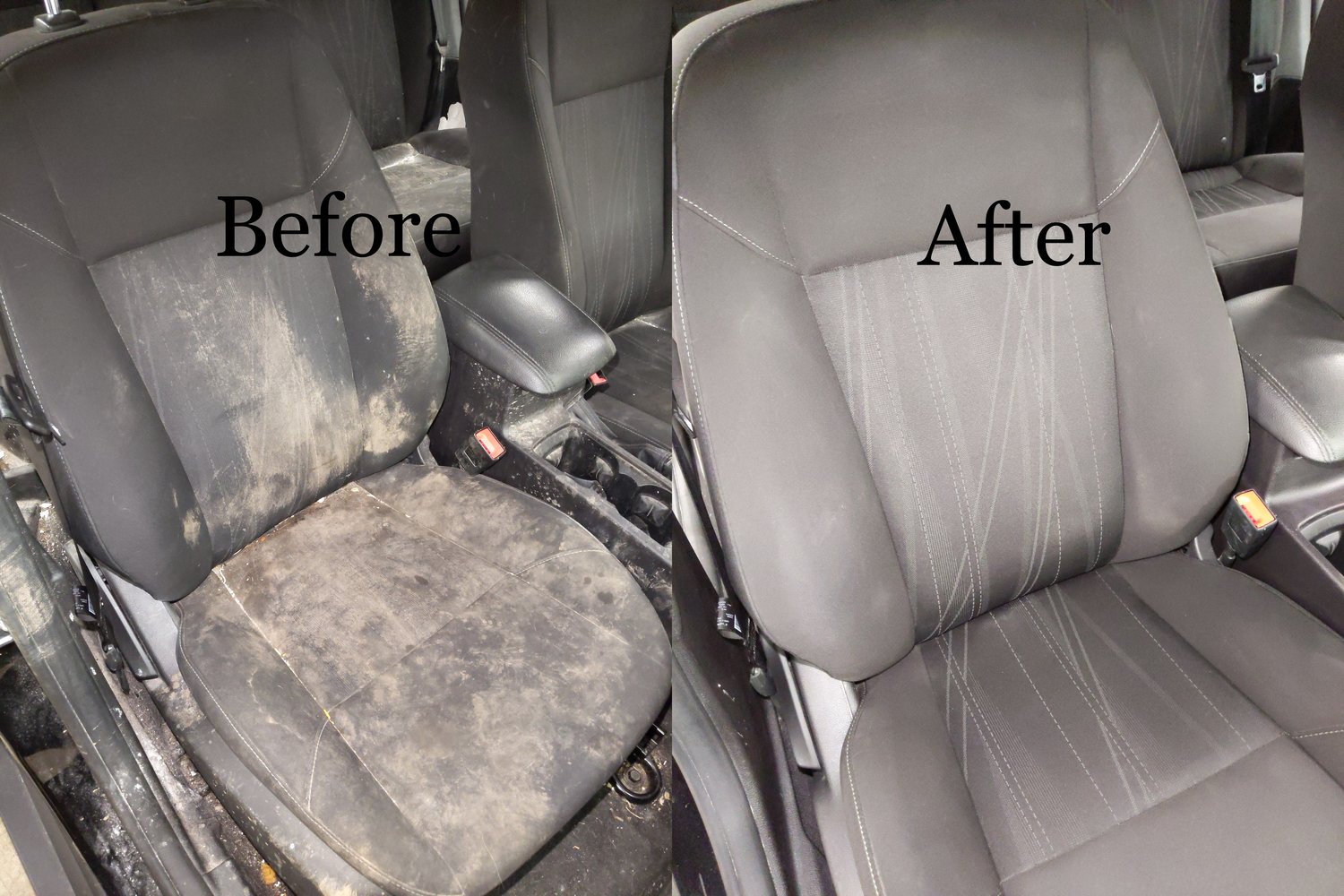
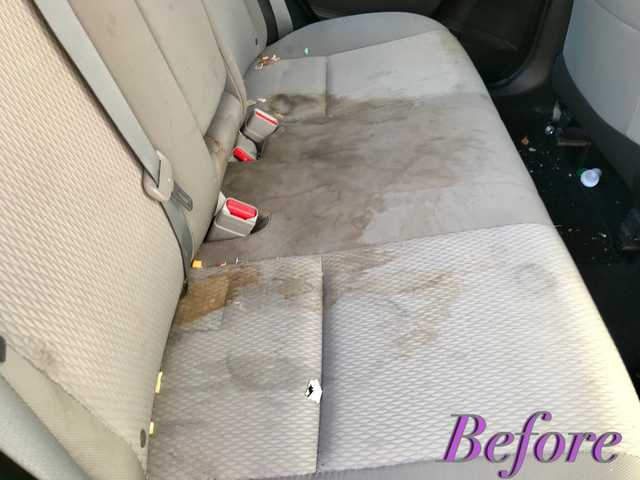
Fabric seats are durable but tend to absorb stains and odors. The good news is they're also the easiest to clean with household items.
For most fabric car seats, a simple DIY solution works wonders:
- Mix one tablespoon of dish soap with one cup of warm water
- Add one tablespoon of white vinegar for odor removal
- Use a spray bottle to apply lightly
- Scrub gently with a soft-bristle brush
- Wipe clean with a microfiber cloth
If you prefer store-bought options, look for a pH-balanced upholstery cleaner designed for automotive use. Avoid bleach or harsh chemicals, as they can fade the fabric.
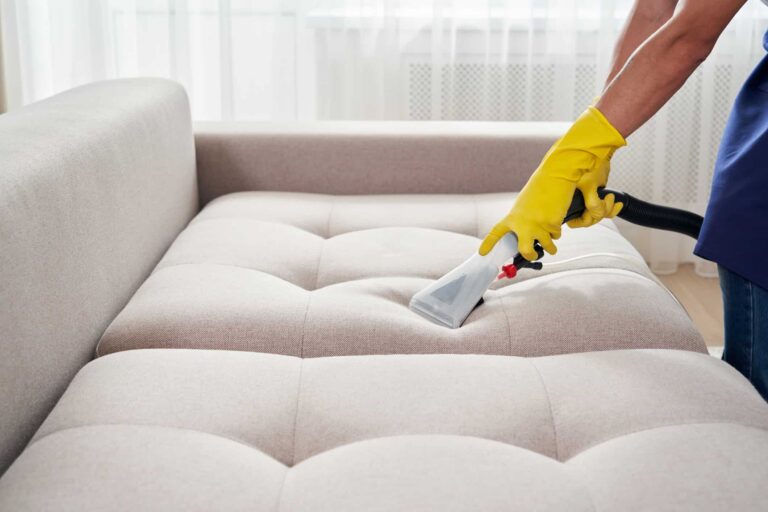
For deep stains like coffee, ink, or food, a carpet cleaner or foam-based upholstery shampoo can lift stubborn spots. I've personally had great results with a small handheld extractor on fabric seats, especially when dealing with pet messes.
What to Use for Cleaning Leather Car Seats
Leather seats look luxurious but need gentle care. Harsh cleaners can strip the natural oils, leading to cracking and fading over time.
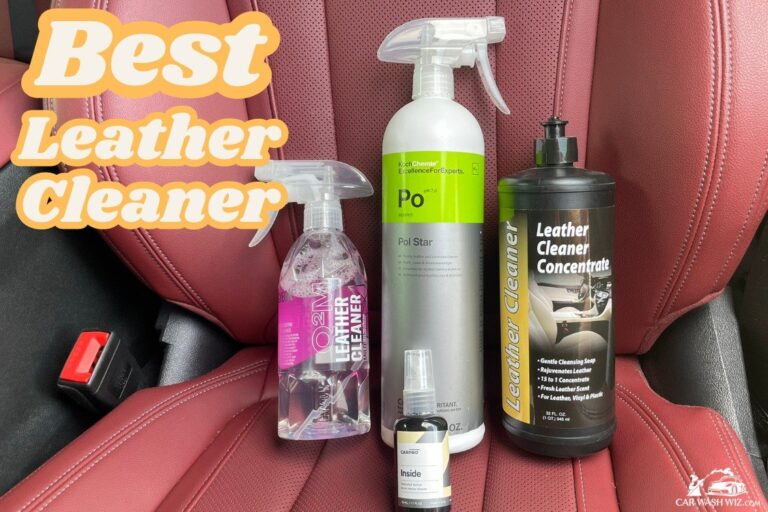
For leather, always use a product specifically made for automotive leather. Here's a simple routine that works:
- Vacuum the seats first to remove loose dirt
- Apply a small amount of leather cleaner to a microfiber cloth
- Wipe in gentle, circular motions
- Follow up with a leather conditioner to keep the material supple
Avoid using household products like vinegar, baby wipes, or all-purpose cleaners on leather. They can dry out the surface and cause long-term damage. A good leather care kit is worth the investment, especially if your car has premium seats.
/how-to-clean-leather-car-seats-5204366-07-c3e3dbdf4eef4c3cad5c8de095d0b54d.JPG)
What to Use for Cleaning Faux Leather and Vinyl Seats
Faux leather and vinyl are common in modern vehicles because they're affordable and easy to maintain. Still, they need the right products to stay in good shape.
You can clean these surfaces with:
- A mild soap and water solution
- A dedicated vinyl cleaner
- A mixture of warm water and a few drops of dish soap
Avoid using anything abrasive or oil-based, as it can break down the protective coating. After cleaning, a light application of vinyl protectant can help prevent cracking and UV damage.
What to Use for Cleaning Alcantara and Suede Seats
Alcantara and suede are delicate materials often found in high-end vehicles. They require special care to maintain their soft texture and appearance.
For these materials, use a dedicated suede or Alcantara cleaner. Here's how to clean them safely:
- Vacuum with a soft brush attachment
- Apply a small amount of cleaner to a microfiber cloth
- Blot gently rather than scrubbing
- Let it air dry completely
Never soak Alcantara or use excessive water. It can leave water marks and ruin the texture. If your car has these seats, it's worth investing in a proper suede cleaning kit.
:max_bytes(150000):strip_icc()/how-to-clean-cloth-car-seats-4693504-01-B-550a4fe9d4a340b2b13b276ac06af6c8.jpg)
DIY Cleaning Solutions That Work
If you're in a pinch, some household items can do the job just as well as commercial products. Here are a few tried-and-true DIY recipes:
- Baking soda paste for tough stains (mix with a small amount of water)
- Club soda for fresh spills
- Cornstarch for grease stains
- White vinegar and water for general cleaning
One of my favorite tricks is sprinkling baking soda on fabric seats, letting it sit for 15 minutes, and then vacuuming it up. It neutralizes odors and lifts light stains without any scrubbing.

Tools You Need for the Job
Having the right tools makes cleaning car seats much easier. Here's a basic list of what you'll want on hand:
- Microfiber cloths
- Soft-bristle brush
- Spray bottle
- Wet/dry vacuum or extractor
- Vacuum with upholstery attachment
- Cotton swabs for tight spaces
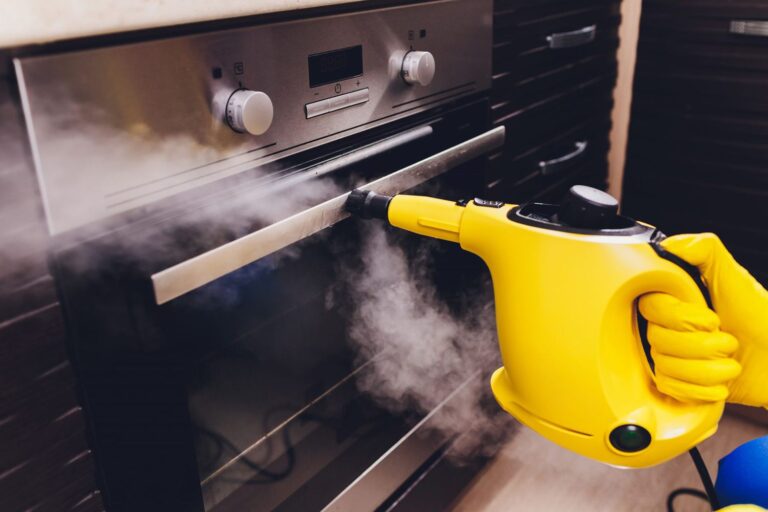
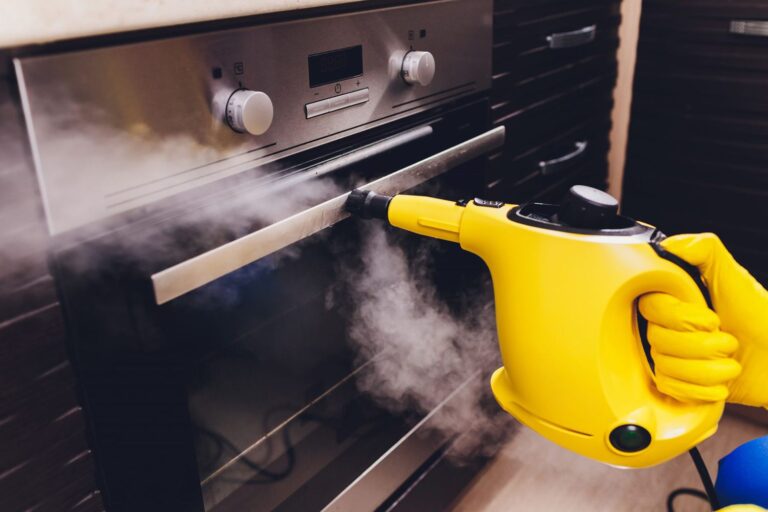
A handheld steamer is also a great tool for sanitizing and loosening dirt from fabric seats. Just be careful with leather and electronics.
Common Mistakes to Avoid
Over the years, I've seen people make the same cleaning mistakes over and over. Here are a few to watch out for:
- Using too much water, which can lead to mold and mildew
- Scrubbing too hard, which can damage fibers or leather
- Skipping the conditioner on leather seats
- Using household cleaners not designed for cars
- Not testing products in a hidden area first
Always test any cleaner on a small, inconspicuous spot before applying it to the entire seat. This simple step can save you from a costly mistake.
How Often Should You Clean Car Seats?
The frequency depends on how often you use your car and whether you have kids or pets. A good rule of thumb is to do a light cleaning once a month and a deep clean every three to six months.
If you notice stains, odors, or visible dirt, don't wait. The sooner you address a spill, the easier it is to remove. Regular maintenance also helps preserve the material and keeps your car looking newer for longer.
Frequently Asked Questions
Can I use dish soap to clean car seats?
Yes, dish soap mixed with water is safe for most fabric and vinyl seats. Just make sure to dilute it well and avoid using it on leather.
What is the best homemade car seat cleaner?
A mix of dish soap, white vinegar, and warm water works well for fabric seats. For leather, stick to a dedicated leather cleaner.
Can I use baby wipes on leather seats?
No, baby wipes contain alcohol and other chemicals that can dry out leather. Use a proper leather cleaner instead.
How do I remove tough stains from car seats?
For tough stains, use an upholstery cleaner or a baking soda paste. Let it sit for a few minutes before scrubbing gently.
Is steam cleaning safe for car seats?
Steam cleaning is safe for fabric seats but should be used with caution on leather and electronics. Always follow the manufacturer's guidelines.
Final Thoughts
Cleaning your car seats doesn't have to be a chore. With the right products and a little know-how, you can keep your interior looking fresh and feeling comfortable for years to come. Whether you prefer store-bought cleaners or DIY solutions, the key is to match the product to the material and clean regularly. If you're unsure about a particular seat type, a quick test in a hidden spot can save you from accidental damage. And if you want professional results without the hassle, a detailing service is always a solid option. Your car is one of your biggest investments, and a clean interior makes every drive more enjoyable.