What Cars Have Automatic Headlight Cleaning Function: 2026 Guide
Most modern luxury and premium vehicles from brands like BMW, Audi, Mercedes-Benz, Lexus, Volvo, and Porsche include automatic headlight cleaning systems, especially on higher trim levels and models with Xenon or LED headlights. If you've ever wondered why some cars spray water onto their headlights while others don't, you're about to find out everything that matters.
Driving with dirty headlights isn't just an aesthetic issue. It's a real safety concern. Over the years, I've tested dozens of vehicles, and I can tell you from firsthand experience that a clean headlight can mean the difference between spotting a pedestrian on a dark road and missing them entirely. Automatic headlight cleaning isn't a flashy feature, but it's one of those quiet innovations that genuinely makes nighttime driving safer, especially in regions with harsh winters, dusty roads, or heavy rain.

How Automatic Headlight Cleaning Works
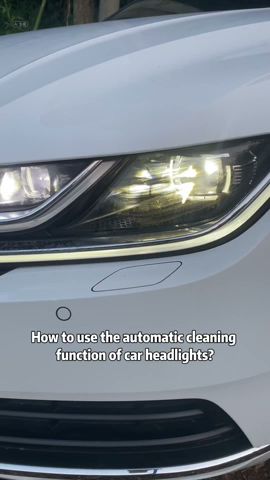
The system is pretty clever in how it operates. When you activate your windshield washers, small telescopic nozzles pop out from the bumper or headlight housing and spray washer fluid directly onto the headlight lens. Some systems also activate automatically when the headlights are on and the windshield washer is used, which means you don't have to think about it. In higher-end vehicles, the system even sprays at set intervals to prevent buildup before it becomes a problem.
The core components include:
- Telescopic spray nozzles mounted near or on the headlight housing
- A washer fluid reservoir that often shares supply with the windshield
- An electronic control unit that triggers the system based on washer or headlight use
- High-pressure fluid delivery designed to clear road grime, salt, and bugs
Think of it like a miniature car wash for your headlights. Every time you clean your windshield, your headlights get cleaned too. It's that simple and that effective.
Which Car Brands Offer Automatic Headlight Cleaning
Not every car has this feature, but it's more common than you might think. Here's a breakdown of the brands that are known for offering it, sometimes standard, sometimes optional.
European Luxury Brands
European manufacturers were early adopters of this technology, primarily because European regulations once required headlight cleaning systems on cars with Xenon HID or high-intensity gas-discharge headlights.
- BMW offers the system on most 3 Series, 5 Series, 7 Series, X3, X5, X7, and M models equipped with Xenon or adaptive LED headlights. It's often bundled with premium lighting packages.
- Audi includes it on the A4, A6, A7, A8, Q5, Q7, Q8, and e-tron lineup, particularly when you opt for the Matrix LED or Xenon Plus lighting.
- Mercedes-Benz features the system across the C-Class, E-Class, S-Class, GLC, GLE, and GLS models. It's typically standard on trims with Multibeam LED or ILS intelligent light systems.
- Volvo offers headlight cleaning on the S60, S90, XC60, XC90, and V60, often as part of the Advanced or Inscription trim packages.
- Porsche includes it on the 911, Cayenne, Panamera, Macan, and Taycan, especially when fitted with PDLS or PDLS Plus lighting systems.
- Jaguar and Land Rover also feature the system on models like the F-Pace, XF, Range Rover, and Discovery, particularly with premium LED headlights.
Japanese and Korean Brands
While Asian automakers use this technology less universally, several still offer it on flagship models.
- Lexus includes it on the RX, GX, LX, LS, and ES, particularly with the triple-beam LED headlight option.
- Acura offers the system on the MDX, RDX, and TLX with the A-Spec or Technology packages.
- Infiniti has the feature on the Q50, Q60, QX60, and QX80 in higher trims.
- Genesis offers headlight cleaning on the G80, G90, GV80, and Electrified GV70, particularly with adaptive lighting.
American Brands
American manufacturers tend to offer it on luxury or high-end trims rather than across the lineup.
- Cadillac includes it on the Escalade, CT5, XT5, and XT6 with certain headlight options.
- Lincoln offers the feature on the Navigator, Aviator, and Nautilus with the Reserve or Black Label trims.
- Tesla does not currently include automatic headlight cleaning on the Model 3, Model Y, Model S, or Model X, relying instead on aerodynamic headlight designs to reduce dirt accumulation.

Why Some Cars Have It and Others Don't
There are actually a few reasons why this feature shows up inconsistently across the market.
The first reason is regulatory. In Europe, headlight cleaning systems were legally required for cars with Xenon HID headlights because the intense heat and brightness made dirt buildup a serious safety hazard. That's why you'll see the feature much more often on European-market vehicles, even base trims.
The second reason is cost. Adding the system means extra nozzles, hoses, an electronic control module, and integration with the washer system. For budget-conscious manufacturers, it's an easy feature to cut, especially on entry-level trims.
The third reason is engineering philosophy. Some automakers design headlights with self-cleaning properties, such as heated lenses, hydrophobic coatings, or aerodynamic shapes that prevent dirt from sticking. Tesla is a great example of this approach.
The Real-World Benefits of Automatic Headlight Cleaning
I remember driving through a mountain pass in a BMW X5 during a snowstorm. The road was covered in slush and salt, and every few minutes, my windshield was getting pelted. Each time I hit the washer button, those little nozzles popped out and sprayed the headlights clean. I didn't have to think about it once. That kind of hands-free safety is what makes this feature so valuable.
Here are the practical benefits you can expect:
- Improved nighttime visibility in rain, snow, and dust
- Reduced glare from dirty lenses that can blind oncoming drivers
- Less manual maintenance, since the system activates when needed
- Longer headlight life, because buildup can degrade lens coatings over time
- Better performance of adaptive and matrix LED systems, which rely on clear lenses to function properly
Limitations and Things to Consider
It's worth noting that this system isn't perfect. The washer fluid consumption is higher because you're using fluid for both the windshield and headlights. Some drivers also report that the nozzles can freeze in extreme cold or get clogged with debris if not maintained.
In some cases, the feature only works when the headlights are turned on, which means it won't activate during daytime. Also, because the nozzles are small, they don't always remove tough residue like dried bug splatter or tar. You may still need to hand-clean your headlights occasionally, especially after long highway drives.
How to Know If Your Car Has This Feature
The easiest way to check is to turn on your headlights, press the windshield washer button, and walk to the front of your car. If you see small nozzles pop out and spray fluid onto the headlights, you have the system.
You can also check your owner's manual under the lighting or exterior care section. The feature is sometimes listed as "headlight cleaning system," "high-pressure headlight cleaners," or "active headlight wash."
Should You Prioritize This Feature When Buying a Car?
If you live in an area with frequent rain, snow, dust, or unpaved roads, automatic headlight cleaning is genuinely worth having. It's one of those features you don't appreciate until you drive without it.
For city drivers in mild climates, it's a nice-to-have rather than a must-have. But if you're shopping for a luxury vehicle, especially one with adaptive LED or Xenon headlights, the system often comes bundled with the lighting package anyway, so you may as well enjoy it.
From my experience, the cars that benefit most from this feature are SUVs and wagons driven in northern climates, as well as performance cars that see track use, where bug splatter and tire debris can quickly coat the headlights.
Frequently Asked Questions About Cars That Have Automatic Headlight Cleaning
Do all cars with LED headlights have automatic cleaning?
No. While many vehicles with LED headlights offer the feature, it's not universal. It depends on the manufacturer, trim level, and whether the lighting system includes premium features like adaptive or matrix LED technology.
Is automatic headlight cleaning standard or optional?
It varies. On European luxury cars, it was often standard when Xenon headlights were equipped. On many modern vehicles, it's optional and bundled with premium lighting or convenience packages.
Can I add this feature to a car that doesn't have it?
It's technically possible but rarely practical. Aftermarket kits exist, but installation is complex and requires routing washer lines, electrical wiring, and mounting nozzles. The cost often outweighs the benefit, especially on older vehicles.
Does Tesla offer headlight cleaning?
No, Tesla does not currently include automatic headlight cleaning on any of its models. The company relies on aerodynamic headlight design and, in some cases, manual cleaning.
Why was this feature mandatory in Europe?
European regulations required headlight cleaning systems on vehicles with Xenon HID headlights due to safety concerns about glare and reduced visibility from dirty lenses.
Making the Right Choice for Your Next Vehicle
Automatic headlight cleaning may not be the most exciting feature on a spec sheet, but it's one of the most practical. Whether you're driving a BMW through a snowstorm, an Audi on a dusty backroad, or a Lexus on a long highway trip, clean headlights make every drive safer and more confident.
If you're shopping for a new car, take a moment to check whether the trim you're considering includes this system. And if you already own a car with it, take a second to appreciate those tiny nozzles next time they pop out. They're doing more for your safety than you might realize.