How To Use A Steam Cleaner: Best Tips For 2026
Steam cleaners are easy to use by filling the tank with water, heating it, and gliding the nozzle over the surface you want to clean. Once you get the hang of the basic steps, you can clean almost anything in your home without harsh chemicals. In this guide, I'll walk you through everything I've learned from years of using steam cleaners in my own home and helping others get the most out of theirs.
When I bought my first steam cleaner, I was honestly a little nervous. Would it burn me? Would it leave everything soaking wet? Would it really work as well as the ads said? Turns out, steam cleaning is not only simple to master, it's also one of the most satisfying ways to deep clean your home. From greasy kitchen tiles to dusty upholstery and grimy grout, a steam cleaner can handle it all with nothing but water. Let me show you exactly how to use a steam cleaner the right way so you can get professional-level results at home.
/how-to-use-a-steam-cleaner-GettyImages-1624861289-1a0424500c52462d86947cfae4302b8b.jpg)
Getting to Know Your Steam Cleaner
Before you start blasting steam everywhere, take a few minutes to get familiar with your machine. Every model is a little different, but the basic parts are pretty much the same.
Most steam cleaners come with a water tank, a heating element, a hose or handle, and a set of attachments. Some are canister-style with wheels, others are handheld or upright like a vacuum. The water tank is where the magic starts. You fill it with plain tap water (more on that in a sec), and the machine heats it to around 200 degrees Fahrenheit or higher. That super-hot steam is what kills bacteria, dissolves grease, and lifts dirt from surfaces.
You'll usually find attachments like brushes, nozzles, squeegees, and microfiber cloths. Each one has a job, and using the right one makes a huge difference in your results.
A quick tip from experience: always read the manual that comes with your steam cleaner. I know it's tempting to toss it aside and just start cleaning, but spending ten minutes learning about your specific model can save you from mistakes like using the wrong attachment on a delicate surface.
Preparing Your Steam Cleaner for Use
Prep work is the secret to great steam cleaning. Skimp on this step and you'll spend more time fighting your cleaner than actually cleaning.
Here's what I always do before every session:
- Fill the tank with distilled or filtered water if possible. Tap water can leave mineral buildup inside the machine over time, which clogs the nozzle and shortens its life. If you have hard water like I do, this step is a must.
- If your model requires it, attach the right accessory. For floors, snap on the floor mop head. For grout, use the small brush nozzle. For upholstery, grab the triangular or rectangular brush.
- Make sure all connections are tight. A loose hose or attachment will leak steam and reduce pressure. I learned this the hard way when my first cleaning job left water spots everywhere.
- Plug it in and turn it on. Most steam cleaners need about 5 to 15 minutes to heat up fully. Some have a ready light, others just release a steady stream of steam when they're good to go.
Once you see consistent steam coming out, you're ready to clean.
Step-by-Step: How to Use a Steam Cleaner on Different Surfaces
Now for the fun part. Steam cleaning isn't one-size-fits-all. The technique changes depending on what you're cleaning. Let me walk you through the most common surfaces.
Hard Floors (Tile, Vinyl, Laminate, Hardwood)
For hard floors, slow and steady wins the race. Attach the floor mop head, put a microfiber cloth over it, and glide the cleaner across the floor just like you would with a regular mop. Don't rush. Going too fast means the steam doesn't have time to loosen the dirt.
The microfiber cloth picks up the moisture and grime as you go. I usually flip the cloth halfway through because it gets saturated. For stubborn spots, hold the steamer in one place for a few extra beats. The heat alone can dissolve sticky messes like spilled juice or pet accidents.
One thing to avoid is soaking hardwood. If you have sealed hardwood, go ahead and over. If it's unsealed wood, don't use a steam cleaner. The steam can warp the floor or cause swelling.
Carpets and Rugs
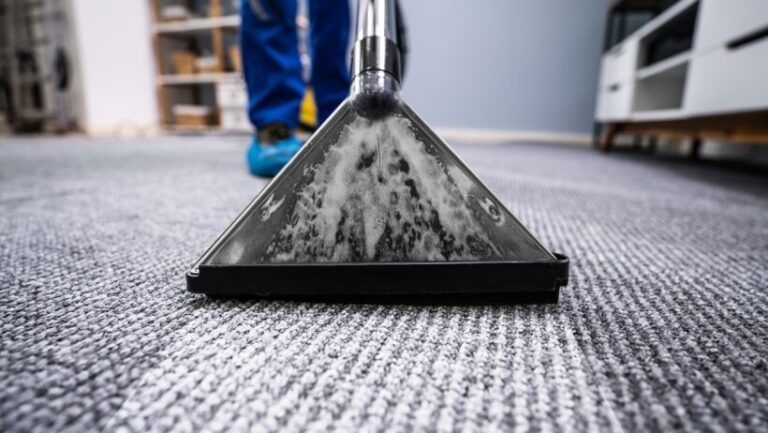
Steam cleaning carpets is one of my favorite uses. It pulls out dirt that vacuums leave behind and freshens up the fibers like nothing else.
Start by vacuuming thoroughly. Seriously, don't skip this. If you leave crumbs and loose dirt, the steam will just turn them into mud. Once the carpet is prepped, use the carpet glider attachment if your model has one. It slides over the carpet and evenly distributes steam.
Work in overlapping rows, just like mowing a lawn. Go slow, let the steam penetrate, and let the machine do the work. Don't press hard or scrub. The heat and moisture are doing the heavy lifting.
When you're done, open the windows or turn on a fan. Carpets can stay damp for a few hours, but they dry much faster than after traditional carpet shampooing.
Bathrooms (Tile, Grout, Sinks, Toilets)
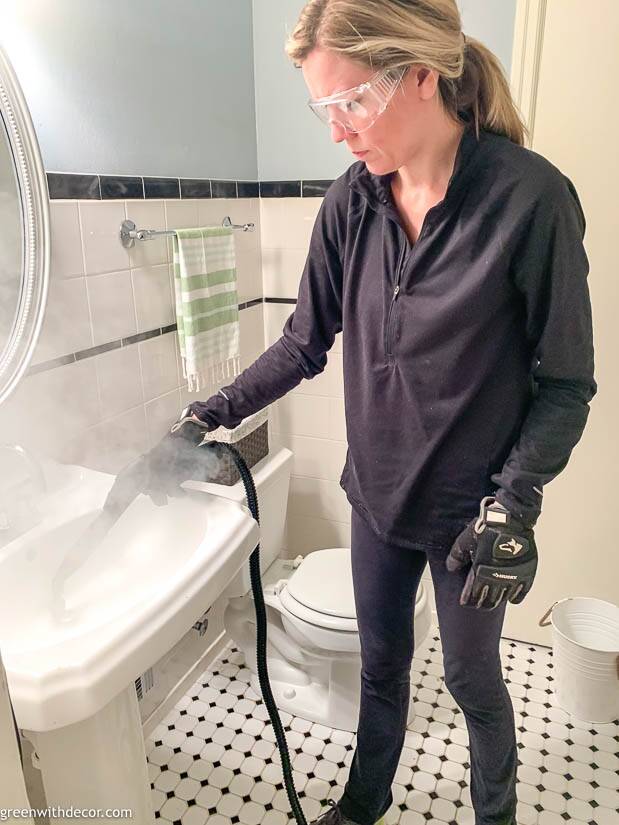
Bathrooms are where steam cleaners truly shine. The heat blasts through soap scum, mildew, and bacteria without any chemicals.
For grout, use the small round brush attachment. Hold the steamer close to the grout line and let the steam penetrate for a few seconds. Then scrub gently with the brush. The grime will lift right out. I cleaned my shower grout last month and couldn't believe the difference. Years of buildup came off in minutes.
For the toilet bowl, some steam cleaners come with a curved nozzle. Steam the inside of the bowl, then flush. For sinks and faucets, the small nozzle works great. It gets into the curves and around the base where germs love to hide.
Be careful around unsealed grout or old tile. If the grout is cracking, test a small spot first to make sure the steam doesn't make things worse.
Kitchen (Counters, Stovetops, Ovens, Sinks)
Your kitchen is another perfect candidate for steam cleaning. Grease and food residue practically melt away.
On countertops, use a cloth attachment and keep the steamer moving. You don't want to concentrate heat on one spot for too long, especially on stone counters like granite or marble. For glass or ceramic cooktops, steam cleaning is a dream. It cuts through cooked-on spills without scratching.
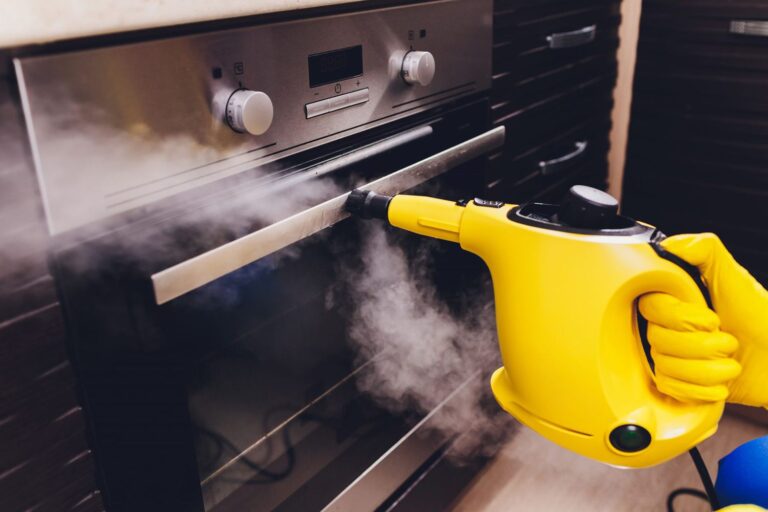
For ovens, remove the racks first. Use the concentrator nozzle to direct steam at the interior walls. The heat softens baked-on grease, and you can wipe it away with a microfiber cloth. I do this every couple of months and my oven looks brand new.
Upholstery and Curtains
Steaming fabric is a great way to freshen it up and kill odors without a full wash.
For couches and chairs, use the upholstery attachment. Hold the steamer a few inches away from the fabric and move it slowly. Don't press the nozzle directly against the fabric or you could leave a watermark. Let the steam work its way in, then let it air dry.
For curtains, you can steam them while they're hanging. Just work from the top down. The steam relaxes wrinkles and removes dust. It's like dry cleaning at home.
Always check the care label first. If it says dry clean only, test a hidden spot before going all in.
Windows and Mirrors
Yes, you can steam clean glass. Use the squeegee attachment and work in vertical strokes. The steam loosens dirt, and the squeegee wipes it away streak-free. It's much faster than traditional window cleaning and leaves no film behind.
Tips and Tricks for Getting the Best Results
Over the years, I've picked up a few tricks that make steam cleaning even more effective:
- Always vacuum or sweep before steam cleaning floors. You'll get way better results.
- Use distilled water to extend the life of your machine. It prevents mineral buildup.
- Work in sections. Don't try to clean the whole house at once. Focus on one room or area at a time.
- Keep extra microfiber cloths nearby. They fill up with moisture fast, especially on big jobs.
- Clean your steam cleaner after use. Empty the tank, wipe down the nozzles, and descale it every few months if you use tap water.
- Test delicate surfaces first. A quick test in a hidden spot can save you from a costly mistake.
One more thing: don't overdo it. Steam cleaning too often or with too much moisture can damage some surfaces. Once a week for floors is plenty for most homes. For spot cleaning, just do it as needed.
Common Mistakes to Avoid
I've made plenty of mistakes with steam cleaners, so let me save you the trouble:
- Don't use it on unsealed wood. It will damage the floor.
- Don't aim it at people, pets, or plants. The steam is hot enough to burn.
- Don't use it on electrical outlets or electronics. Water and steam plus electricity is a bad combo.
- Don't leave it running unattended. Turn it off when you're done.
- Don't fill the tank while the machine is hot. Let it cool down first to avoid burns.
- Don't ignore mineral buildup. If your steam output drops or you see white flakes, descale the machine.
Safety Tips You Shouldn't Skip
Steam cleaners are powerful tools, and safety matters. Always:
- Keep the steamer away from children and pets while it's hot.
- Wear closed-toe shoes in case you drop a hot attachment.
- Don't point the steam at yourself or anyone else.
- Make sure the room is ventilated. Steam adds moisture to the air.
- Let surfaces cool before touching them. They can be very hot right after cleaning.
- Unplug the machine before changing attachments or refilling.
Maintaining Your Steam Cleaner
A little maintenance goes a long way. After each cleaning session, empty the tank and wipe everything down. Every few months, descale the machine by running a vinegar solution through it (check your manual first, as some models don't recommend this). Store it in a dry place with the cord wrapped loosely.
If you take care of your steam cleaner, it can last for many years. Mine is going on six years old and still works like new.
Frequently Asked Questions
Can I use tap water in my steam cleaner?
You can, but it's not ideal. Tap water contains minerals that can build up inside the machine and clog the nozzle over time. If you have soft water, you might get away with it for a while. For most people, distilled water is the safer choice and will extend the life of your steam cleaner significantly.
How often should I descale my steam cleaner?
If you use distilled water, descaling once or twice a year is plenty. If you use tap water, aim for every one to three months. Some signs that you need to descale include reduced steam output, sputtering, or white residue coming out of the nozzle. Always check your owner's manual for the recommended descaling method.
Is steam cleaning safe for pets and kids?
Yes, steam cleaning is one of the safest ways to clean around pets and children because it uses only water and no harsh chemicals. Just keep them away from the machine while it's in operation, since the steam itself and the metal parts can cause burns. Once surfaces dry, they're completely safe.
Can steam cleaning damage hardwood floors?
Steam cleaning can damage hardwood floors if they are unsealed or have a wax finish. The heat and moisture can penetrate the wood and cause warping, swelling, or white haziness. If you have sealed hardwood, steam cleaning is generally safe, but use it sparingly and never leave the steamer in one spot for too long. Always test a small hidden area first.
How long does it take for surfaces to dry after steam cleaning?
Most surfaces dry within 15 to 30 minutes after steam cleaning, especially if you wipe them down with a microfiber cloth immediately after steaming. Carpets and upholstery take longer, usually one to three hours. Good ventilation speeds up drying time significantly. Opening windows or turning on fans helps a lot.
Wrapping It Up
Learning a steam cleaner is one of the best things you can do for your home. It's eco-friendly, chemical-free, and incredibly effective at killing germs and lifting grime. With a little practice, you'll find yourself reaching for it more and more often, for everything from kitchen messes to bathroom grime to dusty upholstery. Stick with these steps, take your time, and don't be afraid to experiment with different attachments. Before long, steam cleaning will become one of your favorite household chores, and that's saying something! Got questions or tips of your own? Drop a comment below. I'd love to hear how steam cleaning works for you.