How To Clean A Couch With A Steam Cleaner: 2026 Best Guide
A steam cleaner deep-cleans your couch by using hot vapor to lift dirt, kill germs, and remove stains without harsh chemicals. If your couch has started looking tired, smells a little off, or has those mystery spots you keep ignoring, you are in the right place. I have steam-cleaned more couches than I can remember, from delicate linen sectionals to kid-proof microfiber, and I am going to walk you through the whole process so your furniture looks, smells, and feels brand new.
Why Steam Cleaning a Couch Is Worth It
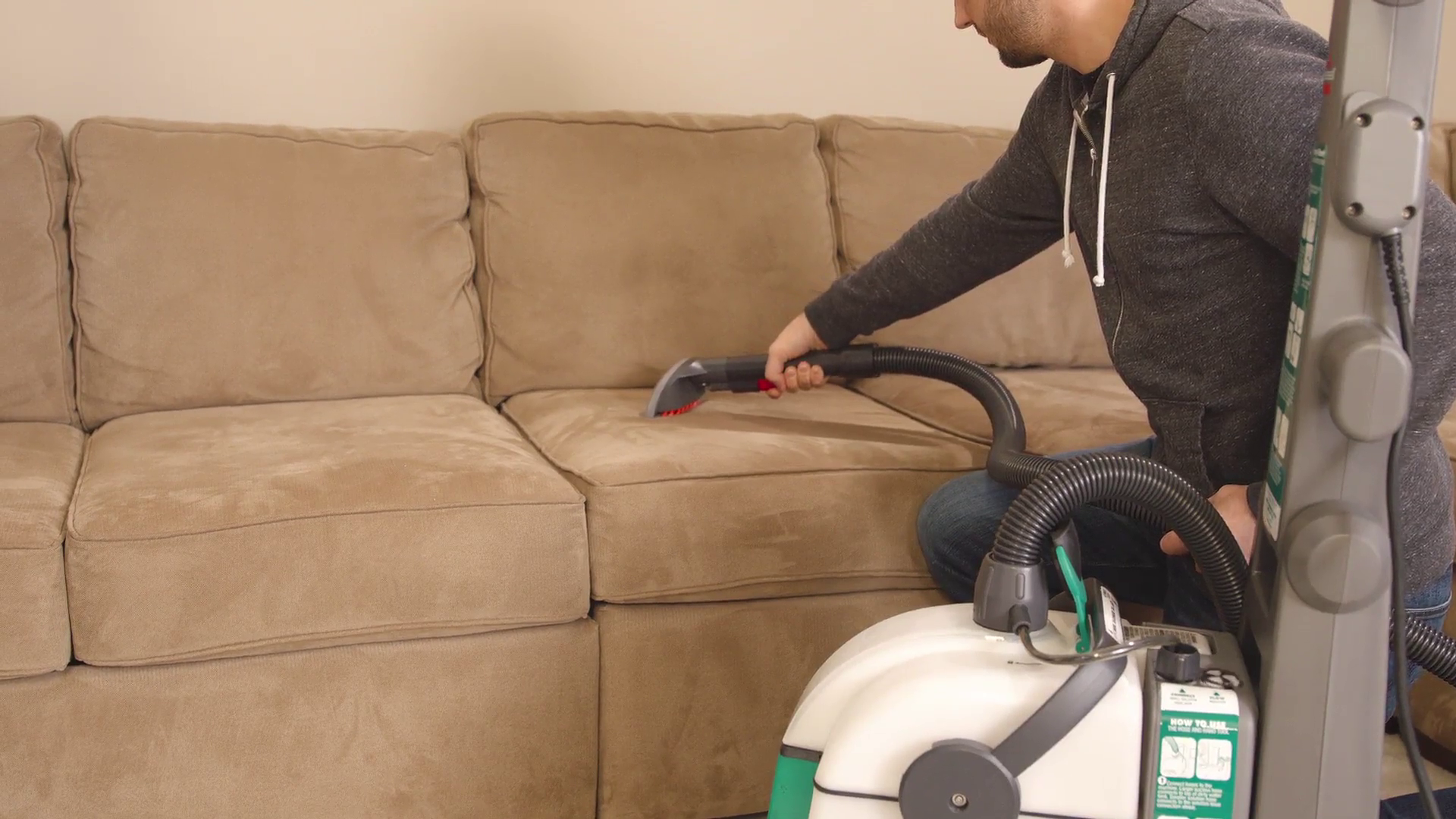
Let me be honest with you. I used to think steam cleaning was just for carpets. Then I tried it on my own sofa after my nephew spilled grape juice all over it, and I was hooked. Steam cleaning a couch is one of the most effective ways to refresh your furniture because it reaches deep into the fabric where vacuuming simply cannot go.
The high-temperature vapor breaks down body oils, pet dander, food crumbs, and allergens that settle into the fibers over time. It also sanitizes without leaving behind chemical residue, which is a big deal if you have kids, pets, or sensitive skin. In my experience, a properly steam-cleaned couch not only looks cleaner but also smells fresher and feels softer to sit on.
If you have been searching for a way to clean your couch that does not involve renting a carpet cleaner or buying expensive products, a handheld or upholstery steam cleaner is a solid investment.
What You Need Before You Start
Before you fire up that steam cleaner, take a few minutes to gather your supplies. I learned the hard way that running back and forth mid-cleaning is annoying and often leads to mistakes.
Here is what you will need:
- A quality upholstery steam cleaner with a fabric or upholstery attachment
- A vacuum cleaner with a brush attachment
- Clean microfiber cloths
- Distilled water (tap water can leave mineral deposits)
- A soft bristle brush for stubborn spots
- Optional: a small amount of mild detergent safe for upholstery
Check the care tag on your couch before you do anything else. I cannot stress this enough. Some materials like silk, velvet, or certain synthetics can react poorly to steam. The tag will usually say "S" for solvent only, "W" for water-based cleaning, "WS" for either, or "X" for professional cleaning only.
Step by Step How to Clean a Couch with a Steam Cleaner
Step 1: Vacuum the Couch Thoroughly
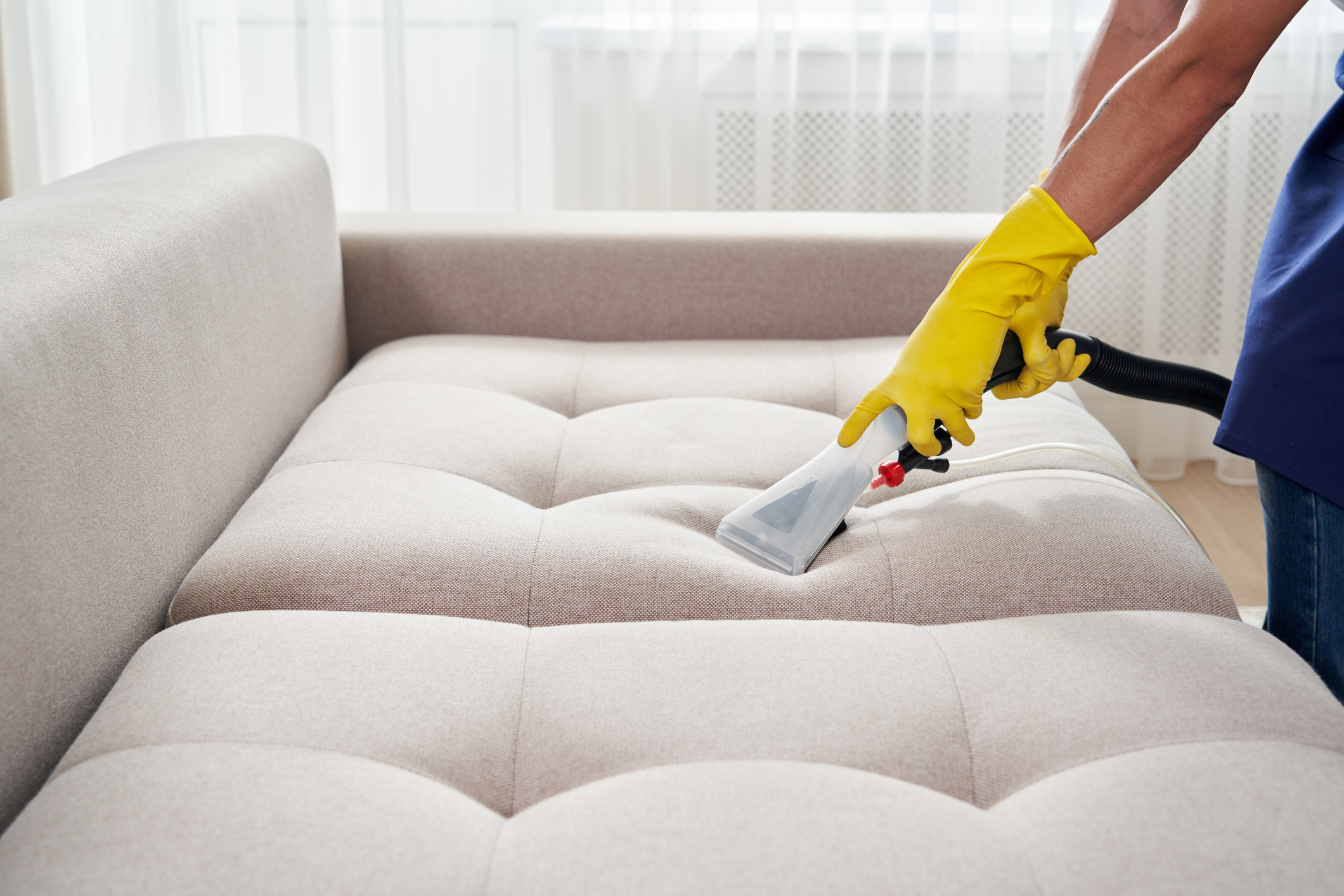
This step is tempting to skip, but do not. Vacuum every cushion, crevice, and seam. I like to use the crevice tool to get between the seat cushions and along the edges where crumbs love to hide. Removing loose dirt first means the steam cleaner can focus on the grime that actually matters.
Step 2: Spot Test in a Hidden Area
Find a spot on the back or under a cushion and test the steam cleaner there. Wait about 10 to 15 minutes and make sure there is no discoloration, shrinkage, or water rings. I have tested on dozens of couches, and even when I think I know the fabric, I still do this every single time. It takes two minutes and can save you from a costly mistake.
Step 3: Pre-Treat Any Stains
If you have visible stains, lightly pre-treat them with a bit of mild detergent or a steam-safe upholstery cleaner. Work it in gently with a soft brush and let it sit for a few minutes. The steam cleaner will do the heavy lifting later, so you do not need to scrub hard.
Step 4: Fill the Steam Cleaner with Distilled Water
Distilled water is your best friend here. Tap water contains minerals that can clog your machine over time and sometimes leave spots on fabric. Fill the reservoir according to your machine's instructions and let it heat up fully before you start.
Step 5: Steam Clean in Sections
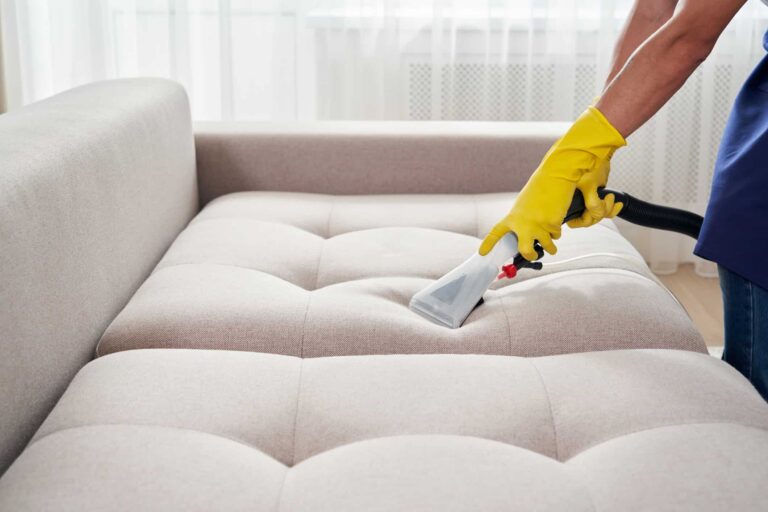
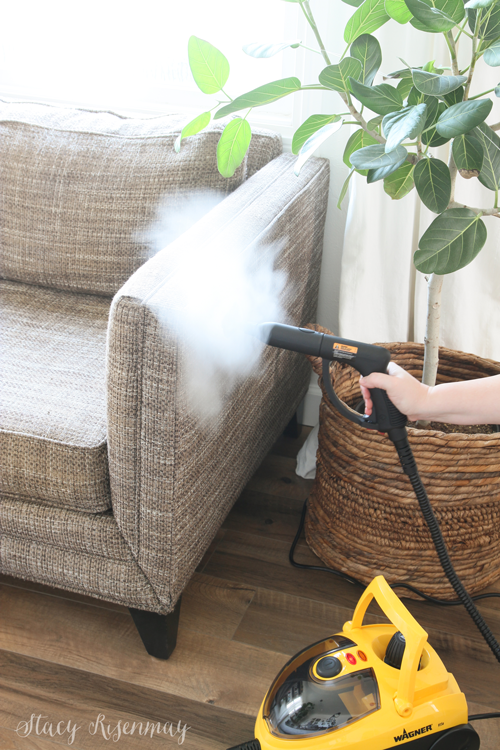
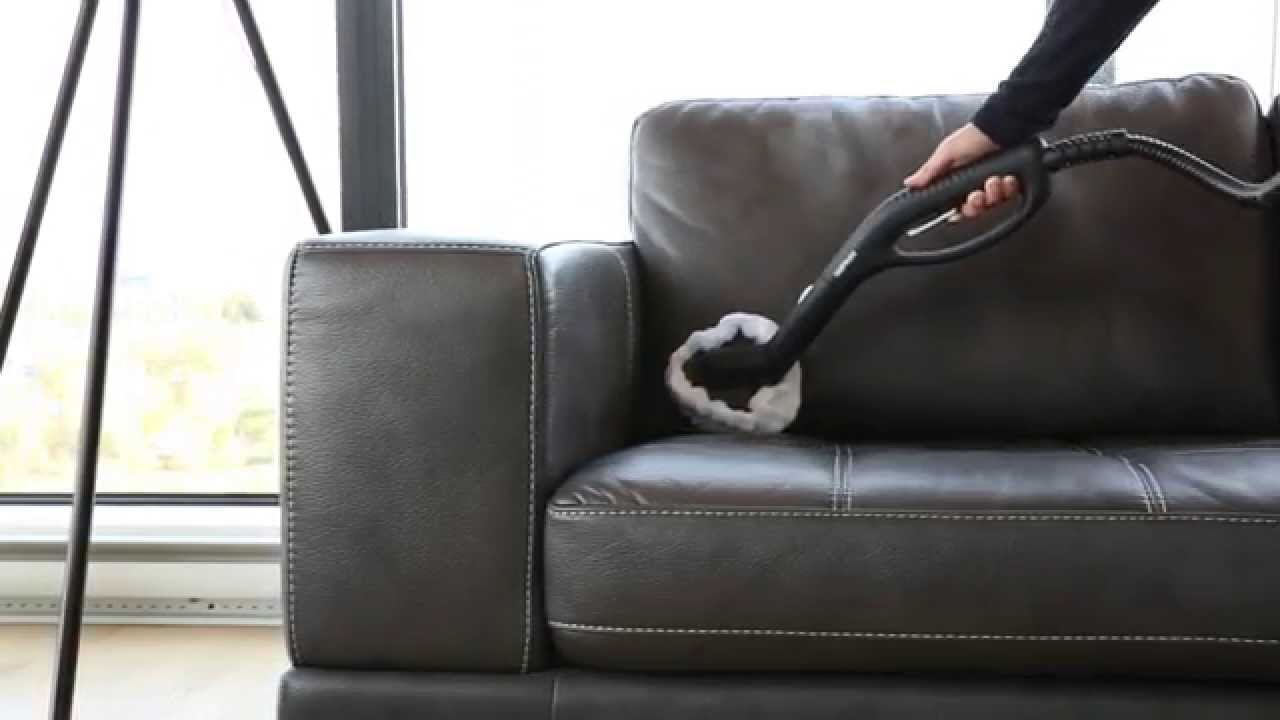
Work in small sections, about the size of a seat cushion at a time. Hold the steamer a few inches above the fabric or gently press the attachment against the surface, depending on your machine. Move slowly in overlapping passes. Do not stay in one spot too long. Excess heat and moisture can damage fabric or leave marks.
I usually start with the least visible cushion so I can get a feel for how the fabric responds before moving to the main seating area.
Step 6: Wipe Down as You Go
Keep a microfiber cloth handy and wipe the area after steaming. This helps lift loosened dirt and absorbs extra moisture. It also helps prevent water spots, especially on darker fabrics.
Step 7: Let the Couch Dry Completely
This is the part most people rush, and it is the part where mistakes happen. Allow the couch to dry for at least 4 to 6 hours, longer if humidity is high. Open windows, turn on fans, or use a dehumidifier to speed things up. Sitting on a damp couch can lead to mold and mildew, which is the opposite of what you want.
Common Mistakes to Avoid When Steam Cleaning a Couch
Over the years, I have seen people make the same mistakes again and again. Here are the biggest ones to watch out for.
Using too much water. More steam does not mean cleaner. Over-wetting the fabric can cause shrinkage, watermarks, and even mildew growth.
Ignoring the care label. I have seen beautiful silk couches ruined because someone assumed steam was safe. Always check the tag.
Skipping the vacuum. Steam cleaners are not designed to pick up loose debris. Without vacuuming first, you are basically pushing dirt around.
Steaming too aggressively. Pressing hard or holding the steamer in one place can scorch or distort the fabric. Gentle, steady passes work best.
Not drying properly. A damp couch is an invitation for musty smells and mold. Give it time and airflow.
Best Couch Fabrics for Steam Cleaning
Not every fabric is created equal when it comes to steam. Here is a quick breakdown based on what I have worked with.
Microfiber is one of the best candidates for steam cleaning. It responds well to heat and moisture and dries relatively quickly. Cotton and linen blends also do well, as long as you do not over-wet them. Polyester blends are usually safe too.
Leather and faux leather need special care. Steam can damage the finish, so I usually recommend a leather-specific cleaner instead. Velvet and silk are delicate and often require professional cleaning. When in doubt, test first or call in a pro.
How Often Should You Steam Clean Your Couch?
This depends on your household. If you have pets, kids, or allergies, every 3 to 4 months is a good rule of thumb. For average use, once or twice a year is plenty. Between deep cleans, vacuum weekly and spot-clean as needed. I personally do a full steam clean every spring and fall, and it keeps my couch looking fresh year-round.
Benefits of Using a Steam Cleaner on Your Couch
There are plenty of reasons to make steam cleaning part of your regular routine.
It is chemical-free, which matters if you have little ones crawling around or pets who nap on the furniture. It kills bacteria, dust mites, and other allergens that vacuuming leaves behind. It removes odors at the source instead of just masking them. It extends the life of your couch by keeping the fabric clean and intact. And honestly, there is something deeply satisfying about watching years of grime lift away in real time.
Tips for Maintaining a Fresh Couch Between Deep Cleans
Once you have put in the work, you will want to keep that couch looking great. Here are a few habits I swear by.
Rotate and flip cushions regularly so they wear evenly. Use washable throws or slipcovers if your couch sees a lot of action. Keep food and drinks in the kitchen when possible. Vacuum at least once a week. And if you have pets, brush them regularly to reduce shedding on the furniture.
Frequently Asked Questions
Can you steam clean any type of couch?
No. Steam cleaning works best on durable, colorfast fabrics like microfiber, cotton, and polyester blends. Delicate materials like silk, velvet, and some leathers can be damaged by heat and moisture. Always check the care label and do a spot test first.
How long does it take for a couch to dry after steam cleaning?
Most couches take 4 to 6 hours to dry fully, though it can take up to 24 hours in humid conditions. Using fans, opening windows, or running a dehumidifier can speed things up. Avoid sitting on the couch until it is completely dry.
Is steam cleaning safe for pet odors?
Yes, steam cleaning is one of the best ways to remove pet odors because it penetrates deep into the fabric and neutralizes odor-causing bacteria. It is also chemical-free, which is safer for your pets.
Do I need to use detergent with my steam cleaner?
Not necessarily. Plain distilled water works well for routine cleaning. For tough stains, you can use a small amount of upholstery-safe detergent, but many people find that steam alone does the job.
Can steam cleaning remove old stains?
It can, but old or set-in stains may need multiple passes or a pre-treatment. In my experience, most stains respond well to steam if they have not been heat-set by a dryer or iron. For really stubborn spots, a professional upholstery cleaner might be your best bet.
Conclusion
Learning how to clean a couch with a steam cleaner is one of the best things you can do for your home and your health. It is simple, effective, and surprisingly satisfying once you see the results. The key is to prep properly, respect the fabric, and give it time to dry. Start with a vacuum, spot test, work in sections, and let the steam do the hard work. Your couch will look better, smell fresher, and last longer. If you found this guide helpful, feel free to share it with a friend or drop a comment below with your own steam cleaning tips. I would love to hear how it goes for you.