How To Use Steam Cleaner: Pro Tips For 2026
A steam cleaner uses high-temperature steam to sanitize, deodorize, and clean surfaces without harsh chemicals, making it fast, eco-friendly, and effective. Once you learn the right technique, you can deep-clean floors, bathrooms, kitchens, upholstery, and even grout with very little effort.
I've been using steam cleaners in my own home and recommending them to friends for years, and I can honestly say they're one of the most underrated cleaning tools out there. The first time I watched steam lift old grime off my bathroom tiles, I felt like I'd discovered a secret. If you've just bought one or are thinking about getting one, this guide will walk you through everything you need to know, from setup to safety, so you can get professional-level results without calling in a pro.
/how-to-use-a-steam-cleaner-GettyImages-1624861289-1a0424500c52462d86947cfae4302b8b.jpg)
What Is a Steam Cleaner and How Does It Work
A steam cleaner is a device that heats water to around 212°F (100°C) or higher, turning it into dry steam that's then sprayed through a nozzle or attachment. This hot vapor breaks down grease, loosens dirt, and kills up to 99.9% of common bacteria and dust mites on contact. Because it uses only water, it's a chemical-free way to deep-clean almost any hard or soft surface in your home.
There are a few main types you'll come across:
- Handheld steam cleaners – Small and great for quick jobs like grout, faucets, or microwave interiors.
- Cylinder or canister steam cleaners – Larger units with bigger tanks, ideal for floors, upholstery, and big cleaning sessions.
- Steam mops – Specifically designed for hard floors, combining a steam function with a mop head.
- Multi-purpose steam cleaners – Come with a variety of attachments for detailed cleaning jobs.
Each type works the same basic way, but the pressure, tank size, and included tools can vary a lot. If you live in a small apartment, a handheld or steam mop might be all you need. For a whole-house deep clean, a multi-purpose model gives you the most flexibility.
Preparing Your Steam Cleaner Before Use
Before you fire up the machine, a little prep goes a long way. I learned this the hard way when I once skipped descaling and ended up with mineral buildup that reduced steam output.
Start by reading the manual that came with your unit. It sounds boring, but every model is slightly different. Then follow these steps:
- Use distilled or filtered water if your area has hard water. Tap water leaves mineral deposits that clog the heating element over time.
- Check all attachments and make sure they're properly locked in place.
- Inspect the power cord for any damage before plugging it in.
- Empty the tank of any leftover water from a previous use.
- Choose the right attachment for your cleaning task before you turn it on.
Once everything is set, you're ready to go.
Step-by-Step Guide on How to Use a Steam Cleaner
Using a steam cleaner isn't complicated, but the order of operations matters. Here's the process I follow every time:
- Fill the water tank according to the manufacturer's instructions. Don't overfill.
- Attach the appropriate tool – microfiber pad for floors, brush for grout, or fabric tool for upholstery.
- Plug in the unit and turn it on. Wait for it to heat up. Most machines take 2 to 15 minutes depending on size.
- Test the steam on a small, hidden area first, especially on delicate surfaces like wood or fabric.
- Hold the nozzle a few inches away from the surface and move slowly in steady strokes.
- Wipe or vacuum away loosened dirt and moisture afterward, depending on the surface.
- Turn off and unplug the machine when you're done, and let it cool before storing.
The key is patience. Let the steam do the work. If you rush, you'll just spread dirt around.
Best Surfaces to Clean with Steam
One of the things I love most about steam cleaning is how versatile it is. Over the years, I've used it on more surfaces than I can count, but these are the ones where it really shines:
- Tile and grout – Steam gets deep into porous grout lines where mops can't reach.
- Hardwood and laminate floors – Use a low-steam setting and a soft microfiber pad to avoid damage.
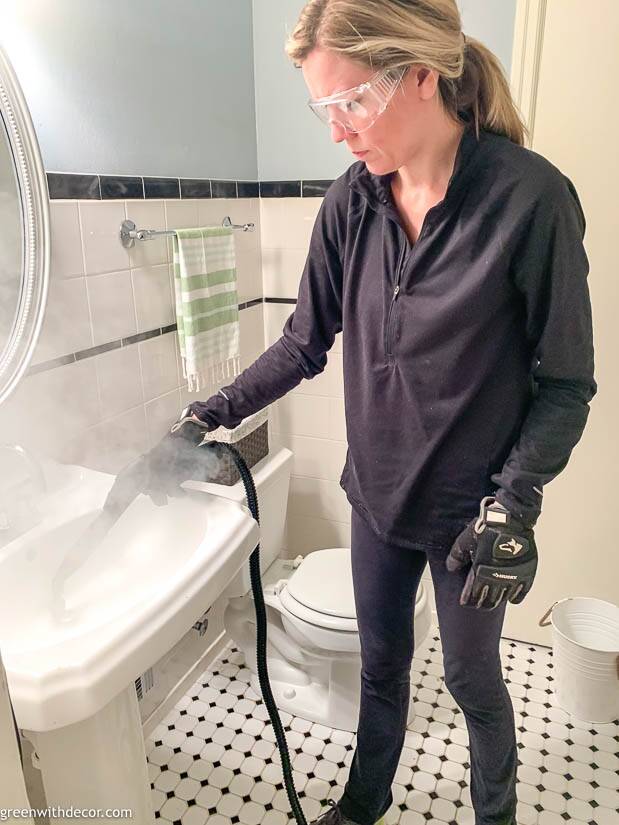
- Bathroom fixtures – Faucets, showerheads, and toilets come out looking almost new.
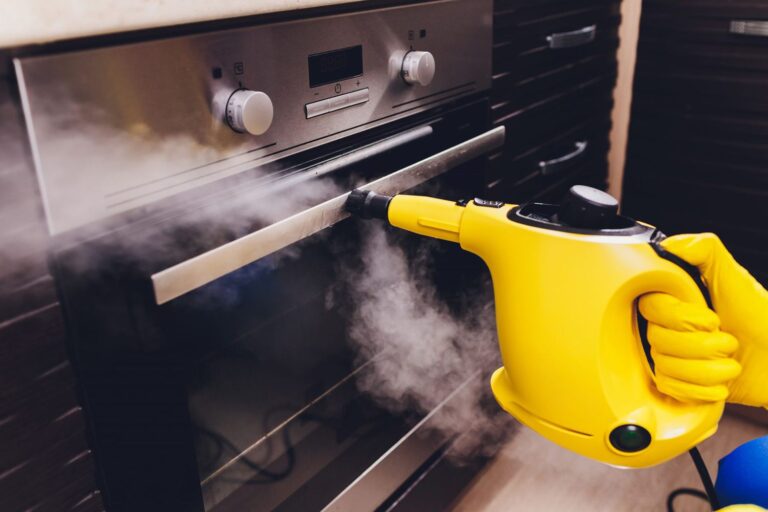
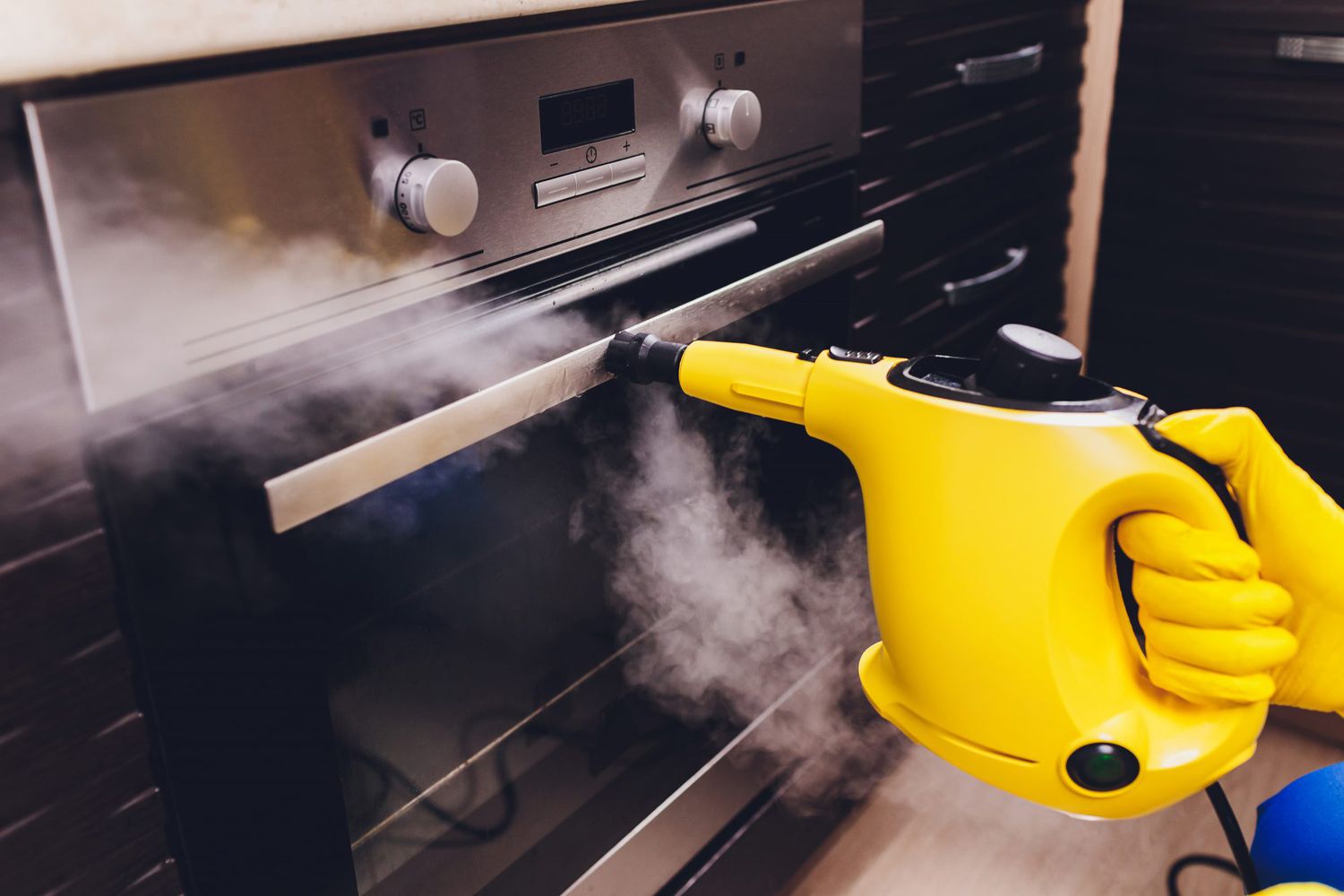
- Kitchen surfaces – Countertops, stovetops, and even inside the oven (with care).
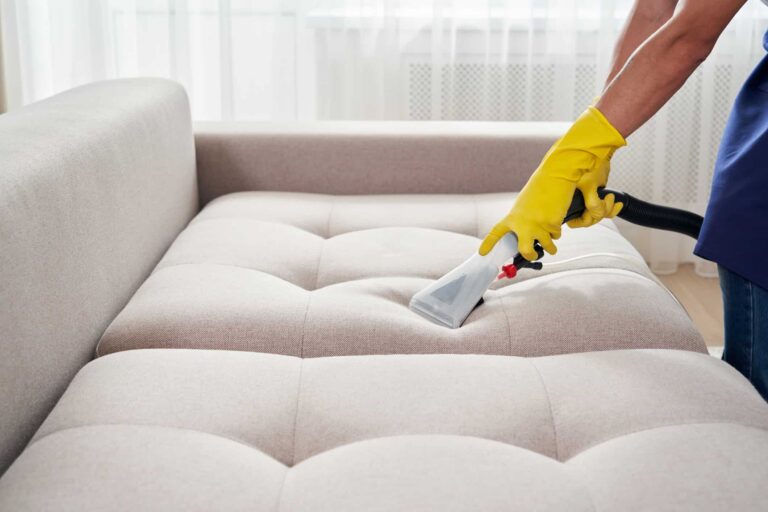
- Upholstery and curtains – Steam refreshes fabrics and removes odors without soaking them.
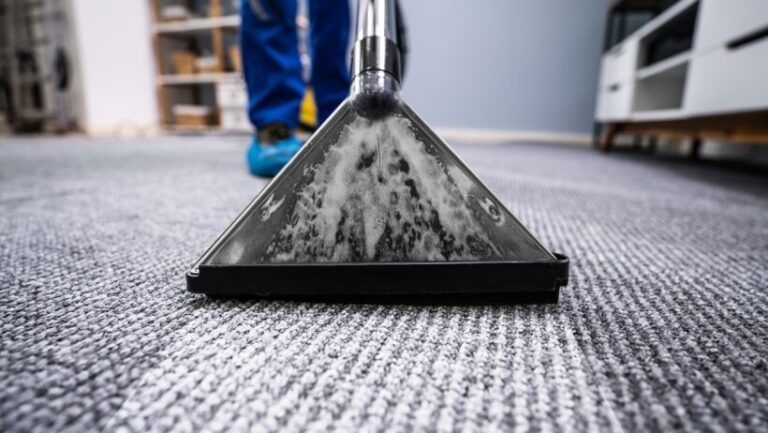
- Carpets and rugs – Steam kills dust mites and lifts stains, especially with a carpet glider attachment.
- Windows and mirrors – Leaves glass streak-free without chemicals.
- Toys and baby gear – Great for sanitizing without harsh residues.
Just remember: never use steam on unsealed wood, delicate silk, or electronics. The heat and moisture can cause permanent damage.
Safety Tips When Using a Steam Cleaner
Steam is essentially boiling water in vapor form, so it can burn you or damage surfaces if you're careless. After one close call where I accidentally aimed the nozzle at my hand, I now follow these rules every time:
- Never point the steam at yourself, other people, or pets.
- Keep the machine out of reach of children and animals.
- Wear closed-toe shoes – just in case of accidental spills.
- Don't use on cold glass in winter, as thermal shock can crack it.
- Avoid electrical outlets and cords.
- Let surfaces cool down before walking on them or touching them.
- Open a window or door when cleaning in tight spaces to release humidity.
A little caution goes a long way in making steam cleaning safe and enjoyable.
Common Mistakes to Avoid
Even though steam cleaners are pretty forgiving, there are a few mistakes I see people make all the time:
- Using too much water – more water doesn't mean more cleaning. Steam needs heat, not volume.
- Skipping the pre-vacuum – dry debris turns to mud when hit with steam. Vacuum first for best results.
- Using tap water exclusively – this leads to limescale buildup and shorter lifespan for your machine.
- Forgetting to change attachments – different jobs need different tools. Using the wrong one reduces effectiveness.
- Over-steaming one spot – this can warp wood or leave water marks on certain surfaces.
Avoiding these mistakes will save you time and protect both your home and your machine.
Maintenance and Cleaning of Your Steam Cleaner
Your steam cleaner needs a little love too. A quick maintenance routine keeps it running like new:
- Empty the tank after every use to prevent bacterial growth.
- Wipe down the nozzle and attachments with a dry cloth.
- Descale regularly by running a vinegar-water cycle if the manual recommends it.
- Replace microfiber pads when they lose texture or smell.
- Store in a dry place with the cap loose to prevent mold or mildew inside.
A well-maintained steam cleaner can last 5 to 10 years, which is a great return on a relatively small investment.
How to Choose the Right Steam Cleaner for Your Needs
Not all steam cleaners are created equal. Here's what I look for when helping friends pick one:
- Tank size – bigger tanks mean longer cleaning sessions without refills.
- Pressure and temperature – higher pressure cuts through grime faster.
- Heat-up time – some models are ready in under a minute.
- Attachments – the more versatile, the more cleaning jobs you can tackle.
- Cord length and weight – matters if you have a multi-story home.
- Brand warranty and reviews – always check what other users say.
For most households, a mid-range multi-purpose steam cleaner offers the best balance of price, power, and flexibility.
Frequently Asked Questions
Can I use a steam cleaner on hardwood floors?
Yes, but only on sealed hardwood. Use a low steam setting and a soft microfiber pad. Never leave the steam in one spot for more than a few seconds, as prolonged heat and moisture can damage the finish or cause warping.
How often should I descale my steam cleaner?
If you use tap water, descale every 4 to 6 uses. With distilled water, you can go longer. Many manufacturers recommend a vinegar rinse cycle or a specific descaling product to keep the heating element free of mineral buildup.
Is steam cleaning safe for pets and kids?
Yes, steam cleaning is actually one of the safest methods because it uses no chemicals. However, keep children and pets away from the machine while it's hot, and make sure surfaces have cooled before allowing them back into the area.
Can a steam cleaner remove old stains from carpet?
Steam cleaners work well on fresh and moderately set stains, especially with a carpet glider attachment. For very old or set-in stains, you may need a dedicated carpet cleaner or a stain pre-treatment before steaming.
Do steam cleaners kill bacteria and viruses?
Yes, the high-temperature steam can kill up to 99.9% of common household bacteria, dust mites, and some viruses on hard, non-porous surfaces. For the best results, hold the nozzle close and move slowly to give the heat enough contact time.
Conclusion
Learning how to use a steam cleaner the right way can completely change how you clean your home. Once you understand your machine, choose the right attachments, and follow a few simple safety rules, you'll wonder how you ever lived without one. The combination of deep sanitizing power, chemical-free operation, and versatility makes steam cleaning one of the smartest upgrades you can make for a healthier, fresher home. Start small with one room or one job, build your confidence, and soon you'll be steam-cleaning everything from floors to faucets like a pro. If you found this guide helpful, drop a comment below with your favorite steam cleaning tip or the surface you're most excited to tackle first.