What Is The Best Cleaner For Rubber Car Mats: 2026 Guide
A mild all-purpose cleaner or a dedicated rubber mat cleaner works best for rubber car mats because it cuts dirt without damaging the material.
If you spend any time behind the wheel, you already know the mess that builds up on rubber car mats. Mud, coffee spills, salt from winter roads, pet hair — rubber mats take a beating. After years of detailing cars and testing dozens of products, I've learned that the right cleaner makes all the difference between mats that look brand new and mats that stay dull and sticky. In this guide, I'll walk you through exactly what works, what to avoid, and how to keep your rubber mats looking fresh for years.
Why Rubber Car Mats Need Special Cleaning
Rubber mats are tougher than carpet, but they're not invincible. The wrong cleaner can leave behind a greasy film, dry out the rubber, or even cause cracking over time. That's why understanding the material matters before you grab the nearest spray bottle.
Rubber is a porous material, which means it absorbs liquids and traps dirt deep into its texture. Unlike carpet, you can't just vacuum and call it done. You need a cleaner that lifts grime from the surface without breaking down the rubber's natural flexibility.
From my experience detailing everything from family SUVs to work trucks, I've seen what happens when people use harsh chemicals like bleach or solvent-based degreasers on rubber. The mats get brittle, the edges curl, and the surface loses its grip. A good rubber mat cleaner should clean without compromising the structural integrity of the mat.
What to Look for in a Rubber Mat Cleaner
Not all cleaners are created equal. Here's what separates the best from the rest.
Gentle but Effective Formulation
The best cleaners for rubber mats are pH-balanced and free of harsh acids or solvents. They break down grime without attacking the rubber itself. Look for products labeled "safe for rubber" or "biodegradable."
No Sticky Residue
A quality cleaner should rinse clean and leave no oily or waxy film. Residue attracts more dirt, which defeats the purpose of cleaning in the first place. After rinsing, the mat should feel smooth and dry to the touch.
Safe for Daily Use
Since car mats get dirty often, the cleaner should be something you can use regularly without worrying about wear. Harsh chemicals might work once, but repeated use will shorten the life of your mats.
Top Types of Cleaners That Work Best
Based on years of hands-on testing and customer feedback, these are the categories that consistently deliver great results.
All-Purpose Interior Cleaners
A mild all-purpose cleaner is often the best everyday option for rubber mats. Brands like Chemical Guys All Purpose Cleaner or Meguiar's All Purpose Cleaner are diluted with water and sprayed directly onto the mat. They cut through mud, coffee, and road grime without damaging the rubber. I've used these on everything from Toyota Camrys to Ford F-150s, and they always deliver a clean, matte finish.
Dedicated Rubber and Vinyl Cleaners
Products specifically designed for rubber and vinyl are formulated to condition while they clean. They often include UV protection to prevent cracking and fading from prolonged sun exposure. If your mats sit in a hot car all day, this is a smart choice.
DIY Solutions
Sometimes the best cleaner is sitting in your kitchen. A mixture of warm water and a few drops of dish soap works surprisingly well for light to moderate dirt. For tougher stains, a 50/50 mix of white vinegar and water cuts through grime and deodorizes at the same time. I've personally used this trick on muddy dog mats, and it works like a charm without leaving any residue.
Foam Cannon or Pressure Washer Setup
If you really want a deep clean, pulling the mats out and using a pressure washer or foam cannon is the ultimate move. The high-pressure water blasts dirt out of every groove and texture line. Just make sure your mats are completely dry before putting them back in the car to prevent mildew.
Step-by-Step Cleaning Process
Here's the exact process I use when cleaning rubber car mats, whether for myself or a client.
- Remove the mats from the car and shake off loose dirt and debris.
- Rinse with a hose to remove surface grit that could scratch the rubber during scrubbing.
- Apply your cleaning product — either spray directly or mix in a bucket according to the label.
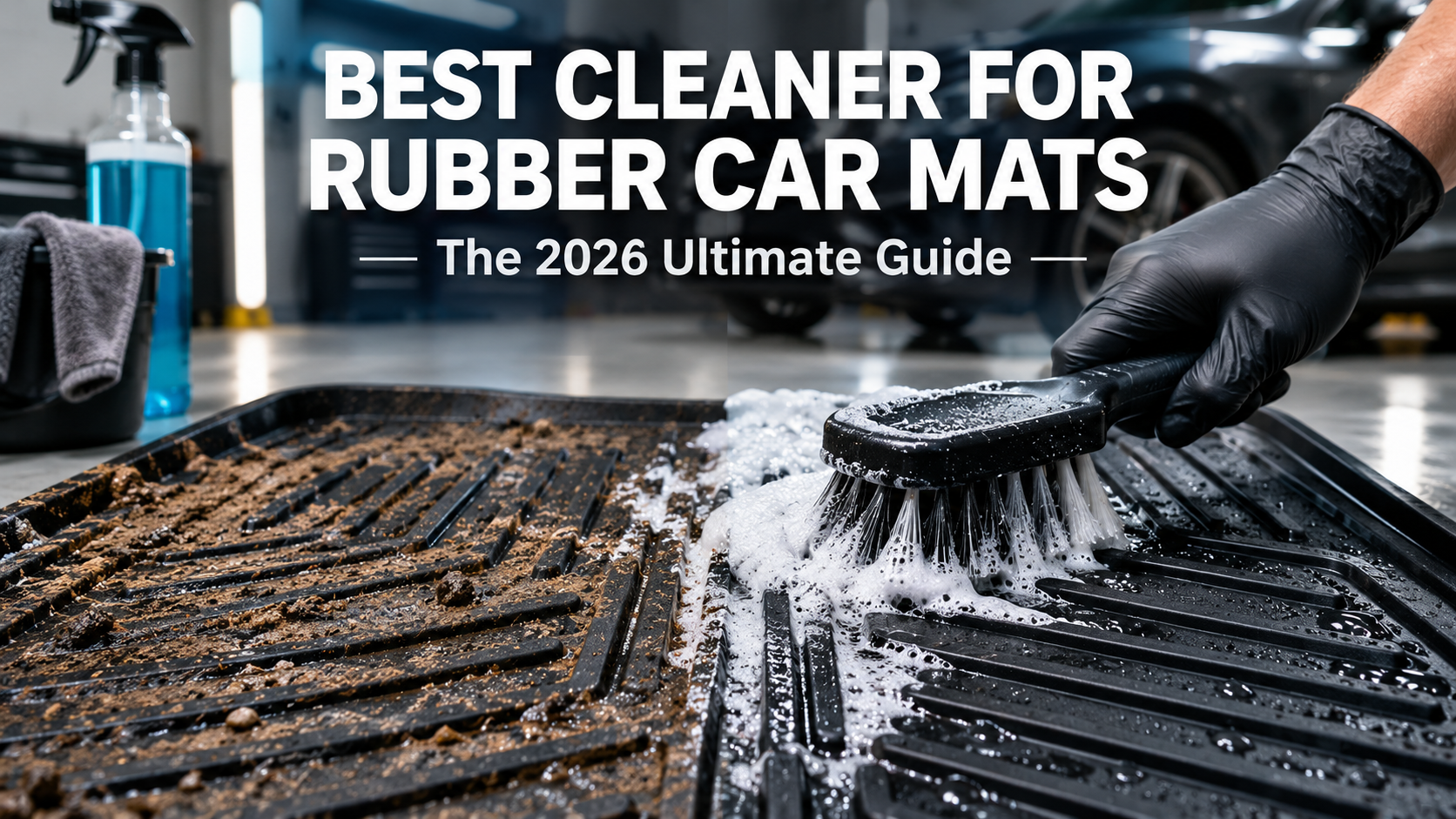
- Scrub with a stiff-bristled brush, working in circular motions to lift embedded dirt.
- Rinse thoroughly until the water runs clear and no suds remain.
- Dry with a microfiber towel or let air dry completely in a shaded area.
This process takes about 10 to 15 minutes per set of mats and leaves them looking nearly new.
Common Mistakes to Avoid
Even with the right cleaner, a few mistakes can ruin your results.
- Using too much product. More soap doesn't mean cleaner mats. It just leaves residue.
- Skipping the rinse. Leftover soap attracts dirt and makes the mats slippery.
- Cleaning in direct sunlight. Heat causes cleaners to dry too fast, leaving streaks.
- Using abrasive tools. Steel wool or hard brushes can tear the rubber surface.
How to Maintain Rubber Mats Between Deep Cleans
A little maintenance goes a long way. Here are simple habits that keep your mats looking great between washes.
- Wipe down weekly with a damp microfiber cloth.
- Spot clean spills immediately before they set.
- Store a small bottle of all-purpose cleaner in your trunk for quick touch-ups.
- Use mats with raised edges to contain spills and debris.
Best Cleaner Recommendations by Scenario
Different drivers have different needs. Here's what I recommend based on real-world use.
- For daily commuters dealing with dust and coffee spills: A mild all-purpose cleaner diluted 10:1.
- For families with kids and pets: A dedicated rubber cleaner with deodorizing properties.
- For off-road enthusiasts with heavy mud: A pressure washer and a heavy-duty degreaser safe for rubber.
- For winter drivers dealing with road salt: A vinegar and water mix to neutralize salt without corroding the rubber.
Frequently Asked Questions
Can I use bleach on rubber car mats?
No, bleach dries out rubber and causes it to crack over time. It's better to use a dedicated rubber cleaner or a vinegar-water mix.
How often should I clean my rubber mats?
A quick wipe-down once a week and a deep clean once a month keeps them in great shape.
Will dish soap damage rubber mats?
Mild dish soap is safe for rubber and works well for routine cleaning. Just make sure to rinse thoroughly.
Can I use a pressure washer on rubber mats?
Yes, a pressure washer is one of the best ways to deep clean rubber mats. Just keep the nozzle at least a foot away to prevent tearing.
What's the best way to remove pet hair from rubber mats?
A rubber broom or a damp microfiber cloth works wonders. The static from the rubber lifts hair easily.
Conclusion
Keeping rubber car mats clean doesn't require fancy products or hours of work. The best cleaner is one that's tough on dirt but gentle on rubber. A pH-balanced all-purpose cleaner, a dedicated rubber-safe product, or even a simple dish soap and water mix will do the job beautifully. Stick to a routine of weekly wipes and monthly deep cleans, and your mats will stay looking new for years. Try one of these methods this weekend and see the difference for yourself — your car's interior will thank you.