What Floor Cleaner Is Safe For Pets: Best Pet-Friendly Picks 2026
Pet-safe floor cleaners are non-toxic, plant-based formulas free from harsh chemicals like ammonia, bleach, and phthalates that can harm dogs and cats. Choosing the right product keeps your floors spotless and your furry friends healthy, especially since pets spend so much time walking, lying, and playing on surfaces around the home.
If you've ever watched your dog lick the kitchen floor after a spill or seen your cat stroll across freshly mopped tiles, you already know why this topic matters. As someone who has lived with pets for years and tested countless cleaning products, I've learned that not every "green" or "natural" label actually means safe. Some cleaners still contain hidden irritants. In this guide, I'll walk you through what truly makes a floor cleaner pet-safe, which ingredients to avoid, which brands work best, and how to clean your floors in a way that keeps tails wagging and whiskers twitching happily.
What Makes a Floor Cleaner Safe for Pets?
A truly pet-safe floor cleaner is one that won't cause harm if your dog, cat, or other animal comes into contact with it before it's fully dry, or even if they happen to lick the surface afterward. Since pets explore the world with their paws, noses, and mouths, the chemicals you use on your floors matter more than you might think.
Pet-safe cleaners generally share a few core qualities:
- Free from harsh chemicals like ammonia, chlorine bleach, phenols, and formaldehyde
- Made with plant-based or biodegradable ingredients
- Low or no volatile organic compounds (VOCs)
- Non-toxic if inhaled, ingested in small amounts, or absorbed through paw pads
- Free from strong artificial fragrances that can irritate respiratory systems
- pH-balanced to avoid skin or paw irritation
When I first brought home my rescue beagle, Max, I learned this lesson the hard way. I'd been using a popular floor cleaner that left behind a strong lemon scent. Within minutes, Max was sneezing, and his paws looked slightly red. A quick call to my vet confirmed that the synthetic chemicals were likely the culprit. That experience pushed me to research and test gentler alternatives, and I've never looked back.
Ingredients to Avoid in Floor Cleaners When You Have Pets
Understanding what to avoid is just as important as knowing what to look for. Many conventional floor cleaners contain chemicals that can cause anything from mild irritation to serious health issues in pets.
Ammonia and Ammonium Compounds
Ammonia is a common ingredient in many glass and multi-surface cleaners. It produces strong fumes that can irritate your pet's eyes, nose, and lungs. Cats are especially sensitive because their respiratory systems are more delicate than ours.
Bleach (Sodium Hypochlorite)
Bleach is a powerful disinfectant, but it's highly toxic to pets. Even diluted bleach can cause chemical burns on paw pads, and ingestion can lead to vomiting, drooling, and severe internal issues. If you must use bleach, keep pets far away until the area is completely dry and ventilated.
Phenols and Pine-Based Cleaners
Phenols are found in many pine-scented cleaners and some disinfectants. Cats in particular cannot metabolize phenols efficiently, which can lead to liver damage over time. Even small, repeated exposures can build up in their system.
Phthalates
Phthalates are often hidden under "fragrance" or "parfum" on ingredient labels. They're used to make scents last longer, but they're known endocrine disruptors and have been linked to liver and kidney issues in animals.
Formaldehyde and Formaldehyde Releasers
These are sometimes found in disinfectants and cleaning wipes. They're known carcinogens and can cause respiratory distress in both humans and pets.
Isopropyl Alcohol
High concentrations of alcohol can be toxic if licked off paws or fur. It also dries out paw pads, leading to cracking and discomfort.
Essential Oils That Are Toxic to Pets
Not all essential oils are safe. Tea tree, eucalyptus, citrus, peppermint, and cinnamon oils can be harmful to cats and dogs, especially in concentrated form. Even "natural" cleaners can pose risks if they contain these oils.
A good rule of thumb: if a cleaner smells strong enough to make you wrinkle your nose, imagine what it's doing to your pet's much more sensitive nose.
Top Pet-Safe Floor Cleaner Types
Now that you know what to avoid, let's look at the safest types of floor cleaners you can use in a home with pets.
Plant-Based and Biodegradable Cleaners
These are made from ingredients like coconut-derived surfactants, plant essential oils that are pet-safe (like lavender in very mild concentrations), and natural enzymes. They clean effectively without leaving behind toxic residues.
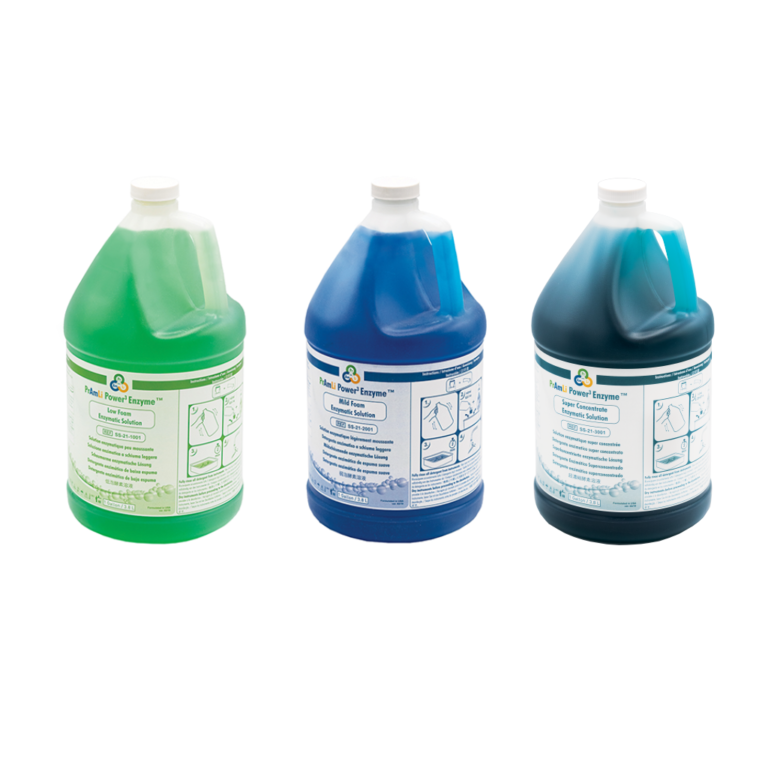
Enzyme-Based Cleaners
Enzyme cleaners use natural bacteria and enzymes to break down dirt, organic stains, and odors. They're especially great for homes with puppies or older pets who may have occasional accidents. Enzymes are completely non-toxic and safe even if licked.
Water-Based Cleaners with Minimal Ingredients
Some of the safest options have very short ingredient lists, often just water, a mild surfactant, and a small amount of safe fragrance or no fragrance at all. These are ideal for homes with sensitive pets.
DIY Natural Floor Cleaners
If you prefer making your own, a simple mix of white vinegar, water, and a few drops of pet-safe essential oil (or none at all) can work wonders on most hard floors. However, vinegar should be avoided on natural stone like marble or granite because the acid can etch the surface.
Best Pet-Safe Floor Cleaner Brands to Consider
Over the years, I've tested dozens of brands. Here are some that consistently perform well in homes with pets, based on both personal experience and feedback from fellow pet owners.
- Better Life Floor Cleaner: Plant-based, non-toxic, and safe for dogs and cats. It cleans well and leaves a light, fresh scent without harsh chemicals.
- Puracy Natural Floor Cleaner: Made with plant-derived ingredients and free from sulfates, parabens, and synthetic fragrances. Great for hardwood and tile.
- Method Squirt + Mop Floor Cleaner: Uses biodegradable ingredients and is available in gentle scents. The formulas are transparent, so you know exactly what's inside.
- Bona Hardwood Floor Cleaner: Specifically designed for wood floors, it's non-toxic and leaves no dulling residue. The pet-friendly version is a favorite among dog owners.
- Biokleen Bac-Out Floor Cleaner: Uses enzyme-based formulas to break down stains and odors naturally. Ideal for households with pets prone to accidents.
- Dr. Bronner's Sal Suds Biodegradable Cleaner: While technically a multi-purpose cleaner, it can be diluted for floor cleaning and is one of the most trusted natural products on the market.
When choosing a brand, always check for third-party certifications like the EPA Safer Choice label or the Leaping Bunny cruelty-free certification. These add an extra layer of trust.
How to Clean Floors Without Risking Your Pet's Health
Even with a pet-safe cleaner, how you clean matters. Here are some practical tips from my own routine with Max and my two cats, Luna and Simba.
- Always read the label and follow dilution instructions. More soap doesn't mean cleaner floors, just more residue.
- Keep pets out of the room while you're actively mopping. Even safe cleaners are best given time to dry.
- Use a damp mop rather than a soaking wet one. Excess water can seep into grout or wood and create hiding spots for mold, which is also harmful to pets.
- Rinse mop heads and cleaning cloths thoroughly after each use to prevent bacterial buildup.
- Allow floors to dry completely before letting pets walk on them. Most pet-safe cleaners dry within 10 to 15 minutes.
- Store all cleaning products in closed cabinets, not under the kitchen sink where curious pets can nose them open.
- Ventilate the area by opening windows or using a fan, especially if your pet has a sensitive respiratory system.
One trick I learned from a professional cleaner: microfiber mops pick up more dirt with less product, meaning you can clean effectively with just a small amount of diluted cleaner and a lot of warm water.
Floor Types and Their Cleaning Needs
Different flooring materials require different approaches, especially when pets are involved.
Hardwood Floors
Hardwood is beautiful but porous. Use a cleaner specifically designed for wood, like Bona or a homemade mix of water and a tiny amount of castile soap. Avoid vinegar on hardwood because it can dull the finish over time.
Tile and Grout
Tile is durable and easy to clean. Pet-safe tile cleaners work well, but pay special attention to grout lines where bacteria can hide. A soft brush and warm water can help.
Laminate and Vinyl
These surfaces are sensitive to excess moisture. Use a barely damp mop and a gentle, non-toxic cleaner. Avoid harsh chemicals that can strip the protective layer.
Natural Stone (Marble, Granite, Travertine)
Acidic cleaners like vinegar or citrus can etch and damage stone. Use a pH-neutral cleaner specifically made for stone surfaces.
Carpet
While not technically a hard floor, many pet owners want to know about carpet-safe options. Enzyme-based cleaners are the gold standard here, breaking down pet stains and odors without leaving toxic residues.
Common Mistakes Pet Owners Make With Floor Cleaners
Even with the best intentions, mistakes happen. Here are some I've made or seen others make, and how to avoid them.
- Assuming "natural" means safe. Some natural ingredients, like certain essential oils, are still toxic to pets.
- Mixing cleaners. Combining ammonia and bleach, for example, creates toxic gases. Never mix cleaning products unless the label explicitly says it's safe.
- Not rinsing thoroughly. Residue left on floors can collect on paws and be licked off later.
- Using too much product. More isn't better. Overusing cleaner leaves sticky residue that attracts dirt and can irritate paws.
- Ignoring warning signs. If your pet sneezes, drools excessively, or avoids a room after cleaning, something in the product may be bothering them.
Benefits of Using Pet-Safe Floor Cleaners
Switching to pet-safe cleaners isn't just about avoiding harm. There are real, everyday benefits you'll notice.
- Healthier air quality inside your home for both pets and humans
- Fewer allergic reactions and respiratory issues
- Safer play environment for puppies and kittens who explore with their mouths
- Peace of mind when accidents happen and pets lick surfaces
- Often more eco-friendly and biodegradable, which is better for the planet
- Gentler on your hands if you clean without gloves
When Max was a puppy, he used to lick everything. Knowing that my floors were clean and non-toxic gave me so much peace of mind during that stage. Now, even as an adult dog, he still occasionally licks the floor after meals, so I always make sure my cleaning routine reflects that habit.
Limitations and Things to Keep in Mind
While pet-safe cleaners are a huge step in the right direction, they're not magic. Here are a few honest limitations to be aware of.
- They may not disinfect as strongly as bleach-based products. If you need true disinfection (like after a pet illness), consult your vet for safe options.
- Some natural cleaners have shorter shelf lives. Check expiration dates and store them properly.
- They can cost more than conventional cleaners, though concentrated formulas often last longer.
- Some still contain mild allergens, so observe your pet when you switch products.
- DIY vinegar solutions aren't safe on every surface.
Being informed helps you make the best choice for your specific home and pets.
A Simple Pet-Safe Cleaning Routine You Can Follow
Here's a quick checklist you can use weekly to keep your floors clean and your pets safe.
- Sweep or vacuum to pick up pet hair, dander, and dirt.
- Fill a bucket with warm water and add the recommended amount of pet-safe floor cleaner.
- Mop in sections, rinsing the mop frequently.
- Allow floors to air dry or use a fan to speed up drying.
- Keep pets out of the cleaned area until it's fully dry.
- Wash mop heads and cleaning cloths after each session.
It's a simple routine, but it makes a noticeable difference in both cleanliness and your pet's comfort.
Final Thoughts on Choosing the Right Floor Cleaner for Pets
Keeping a clean home with pets doesn't mean compromising their health. By understanding which ingredients to avoid and choosing transparent, plant-based, or enzyme-based formulas, you can maintain sparkling floors without worry. The best pet-safe floor cleaner is one that fits your flooring type, suits your pet's sensitivities, and gives you confidence every time you mop.
Your pets trust you to make their environment safe. Choosing non-toxic cleaners is one of the simplest and most powerful ways to honor that trust. So grab a microfiber mop, pick a gentle cleaner, and enjoy a fresh, clean home that your furry family members can safely call their own.
Frequently Asked Questions About Pet-Safe Floor Cleaners
Can I use vinegar to clean floors if I have pets?
White vinegar diluted in water is generally safe for pets on most hard floors, but it should be avoided on natural stone like marble or granite because the acid can damage the surface. Always make sure floors are dry before letting pets walk on them.
Are baby-safe floor cleaners also safe for pets?
Not always. Some baby-safe products still contain ingredients that can irritate pets, especially cats. Always check the full ingredient list and avoid products with phenols, ammonia, or strong essential oils.
How long should floors stay wet after cleaning before pets can walk on them?
Most pet-safe floor cleaners dry within 10 to 15 minutes. To be safe, wait until floors are completely dry and not tacky before allowing pets back into the cleaned area.
What should I do if my pet licks a freshly cleaned floor?
If you've used a pet-safe cleaner and only a small amount was licked, your pet is likely okay. However, if you used a conventional cleaner and notice drooling, lethargy, or vomiting, contact your veterinarian or an emergency pet hotline immediately.
Are steam cleaners safe for pet floors?
Steam cleaners use only heat and water, making them one of the safest options for deep cleaning pet floors. They sanitize without chemicals, which is great for homes with curious pets. Just make sure the floors aren't too hot when pets return to the room.