What Is The Best Window Cleaning Solution: Top Picks For 2026
The best window cleaning solution is a simple DIY mix of distilled water, white vinegar, and a tiny drop of dish soap. It's streak-free, safe, budget-friendly, and works on most glass surfaces. Stick around, because choosing the wrong cleaner can leave annoying smears, damage window tints, or even harm your health if you breathe in harsh chemicals.
When I first started cleaning windows professionally, I grabbed whatever blue spray bottle sat on the shelf at the hardware store. The smell hit my nose like a chemical punch, and within minutes I had streaks everywhere. That one messy afternoon taught me more about window cleaning solutions than any manual ever could. Over the years, I've tested dozens of options—from store-bought sprays to homemade recipes—and I've learned exactly what makes a window cleaner truly great. Let me walk you through everything you need to know so you can pick the best one for your home or business.
What Makes a Great Window Cleaning Solution
A great window cleaning solution does more than just wipe away dirt. It cuts through grease, evaporates without leaving residue, and keeps glass crystal clear. Before you pick a product off the shelf, it's important to understand the key qualities that separate the best cleaners from the rest.
Cleaning Power
The solution must break down grime, fingerprints, dust, and sticky buildup. Most glass cleaners use surfactants—special ingredients that lift dirt away from the surface so it wipes off easily. The stronger the surfactant action, the less elbow grease you'll need. However, too much strength can leave a film behind, so balance is key.
Streak-Free Finish
Nothing ruins a clean window like visible streaks. The best solutions use ingredients like vinegar, alcohol, or ammonia that evaporate fast. Distilled water also helps because it doesn't contain the minerals found in tap water that can leave spots. A streak-free finish is usually the number one thing homeowners care about.
Safety for Surfaces
Some cleaners can damage tinted windows, coated glass, or window films. Harsh solvents might strip protective coatings or cause discoloration. The ideal cleaner is gentle enough for everyday use but tough on grime. Always check the label if your windows have special coatings or treatments.
Safety for People and Pets
Many people prefer non-toxic, eco-friendly window cleaning solutions. Strong chemical smells can trigger allergies, asthma, or headaches—especially in small or poorly ventilated rooms. A safer cleaner keeps your family comfortable and your indoor air fresh.
Cost and Availability
The best window cleaning solution doesn't have to be expensive. In fact, some of the most effective options cost just pennies per bottle. Whether you buy it or mix it yourself, affordability matters—especially if you clean windows often.
Common Types of Window Cleaning Solutions
There are several categories of cleaners, each with its own strengths and weaknesses. Understanding the differences will help you choose the right one for your needs.
Commercial Spray Cleaners
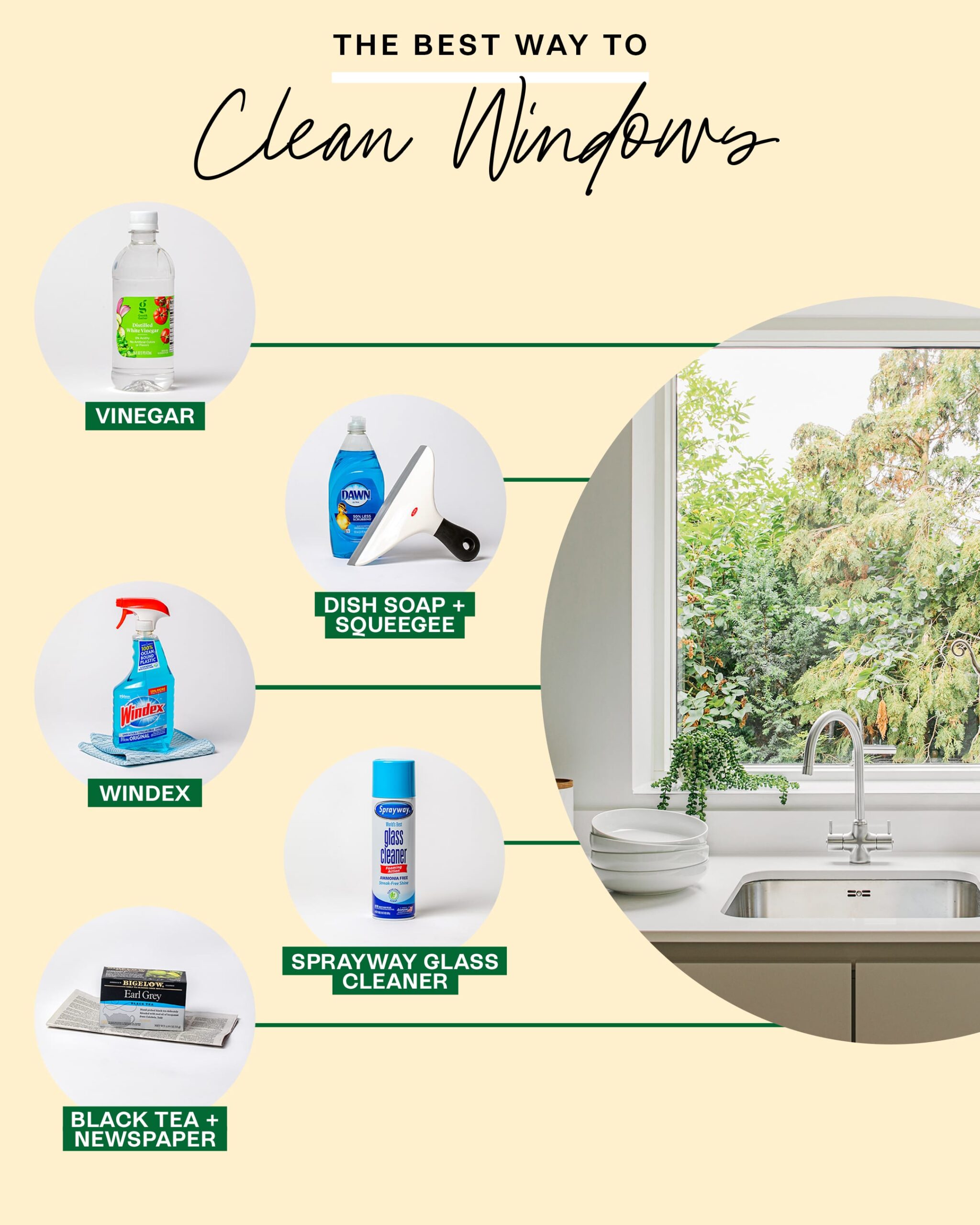
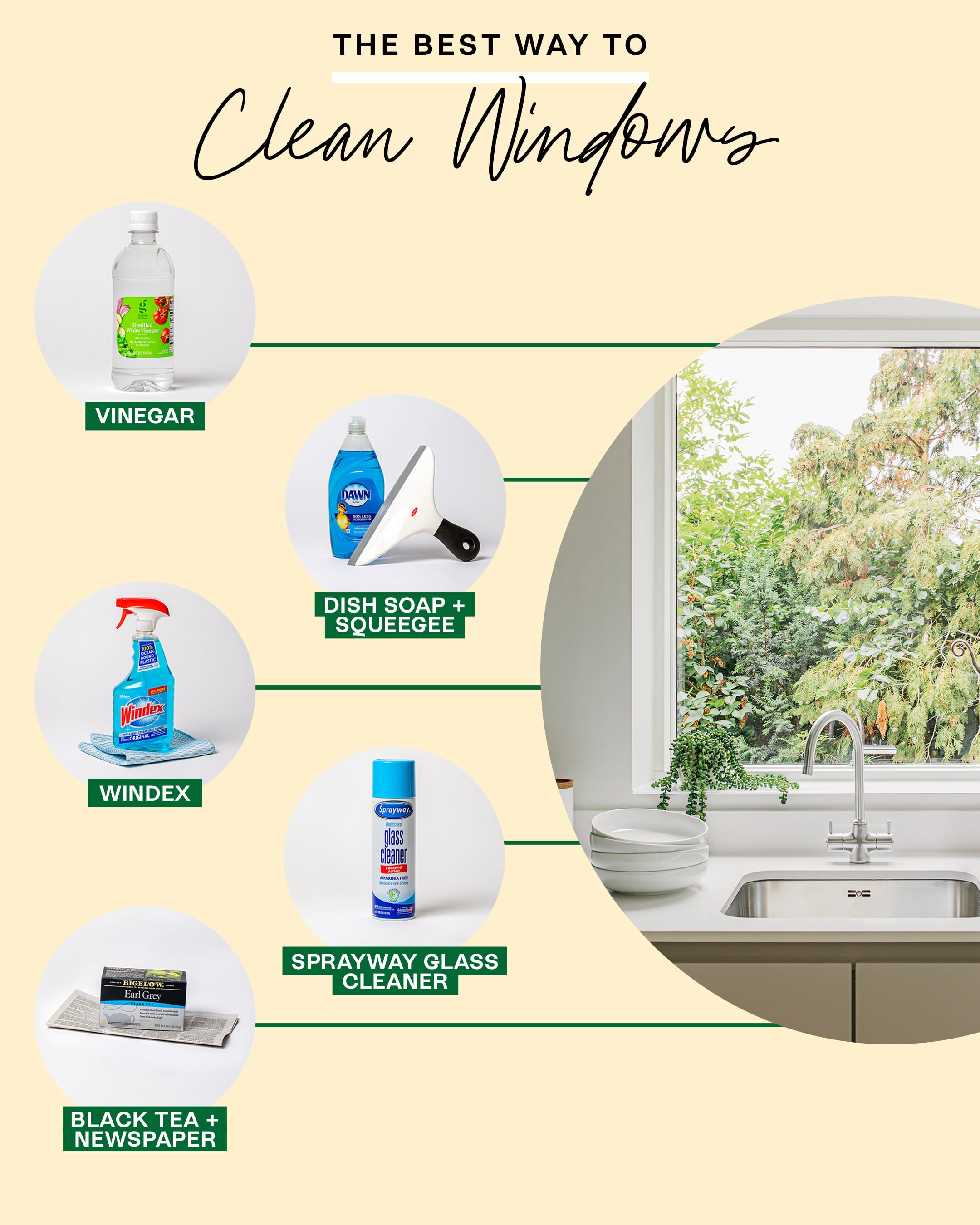
These are the blue or green bottles you see everywhere, like Windex or Glass Plus. They're convenient, widely available, and generally effective on light dirt. Most contain ammonia or alcohol as the main cleaning agent. They're a solid pick for quick touch-ups but can be pricey over time and sometimes leave streaks if you use too much.
Homemade DIY Solutions
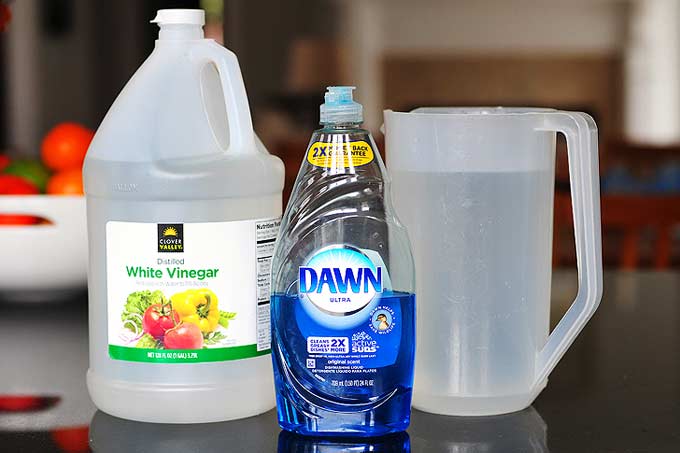
The classic homemade window cleaner is a mix of equal parts white vinegar and water, with a few drops of dish soap. It's cheap, non-toxic, and surprisingly powerful. Many professional cleaners swear by this recipe because it cuts grease and evaporates clean. The only downside is the vinegar smell, which fades as it dries.
Eco-Friendly and Green Cleaners
These are plant-based, biodegradable formulas made without ammonia, bleach, or harsh solvents. Brands like Seventh Generation and Method offer eco-friendly window sprays. They're safer for kids, pets, and people with chemical sensitivities. While they may cost a bit more, they're worth it for a healthier home.
Concentrated Professional Solutions
Janitorial suppliers sell concentrated window cleaning liquids that you dilute with water. They're cost-effective for large jobs and often include additives that boost shine. If you clean a lot of windows—like in an office building or storefront—these are a smart investment.
Squeegee and Water-Fed Pole Solutions
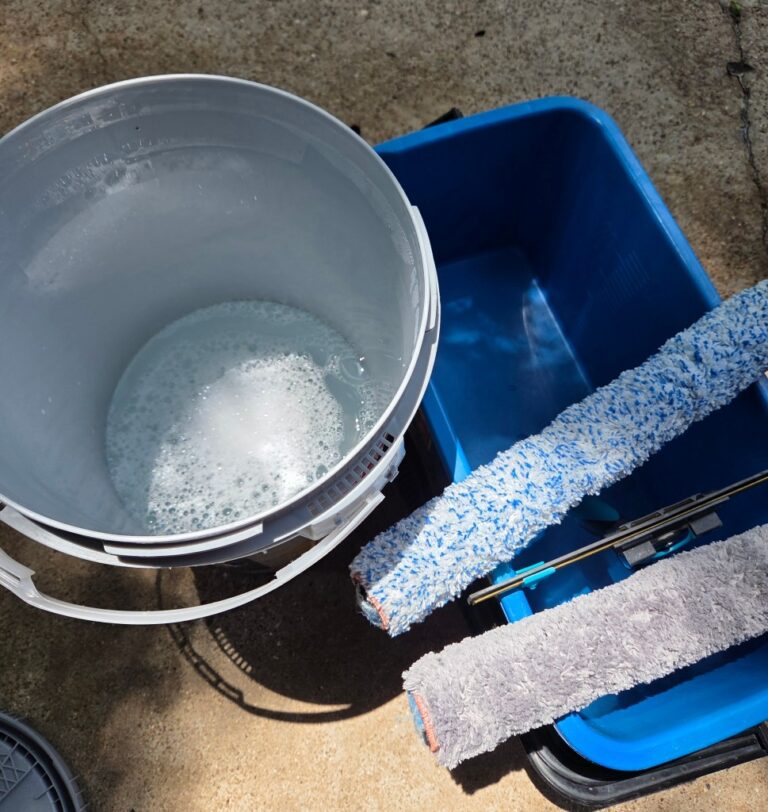
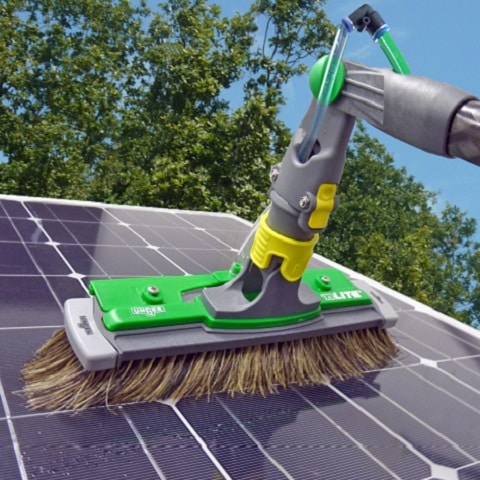
Professional window cleaners sometimes use pure water with a water-fed pole system. This method uses deionized or purified water to rinse windows without any soap. The water leaves no spots because there are no minerals. It's the ultimate streak-free method for high windows or commercial buildings.
The Best DIY Window Cleaning Solution Recipe
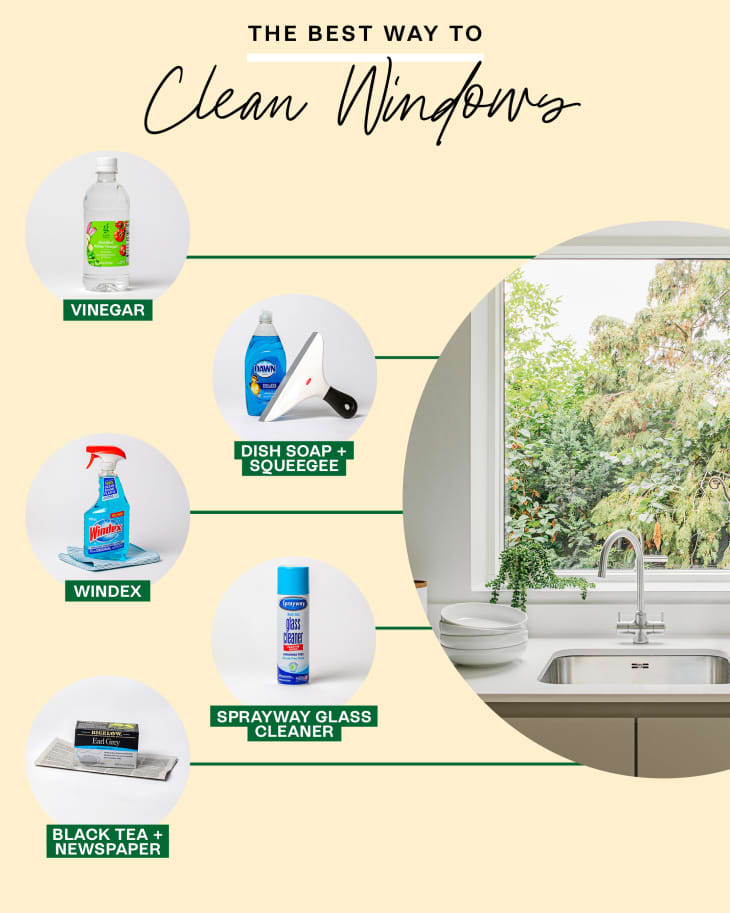
After years of testing, I keep coming back to one simple recipe that beats most store-bought brands. It's easy to make, smells mild, and works beautifully on everything from mirrors to shower doors.
What You Need
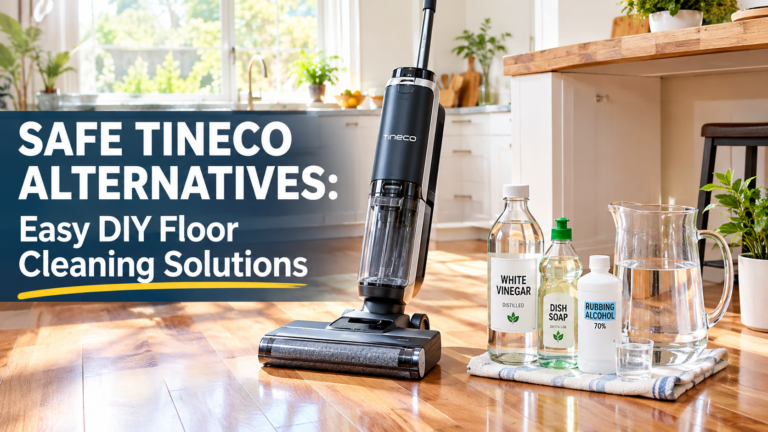
- Two cups of distilled water
- Two tablespoons of white vinegar
- One-half teaspoon of liquid dish soap (dawn or similar)
- One spray bottle
- One microfiber cloth or squeegee
How to Mix It
Start by pouring the distilled water into a clean spray bottle. Add the white vinegar slowly. Then add the dish soap—just a tiny drop is enough because too much soap will cause streaks. Gently swirl the bottle to mix. Do not shake it, because shaking creates bubbles that can leave spots on glass.
Why It Works
Distilled water has no minerals, so it won't leave hard water spots. Vinegar cuts through grease and grime thanks to its mild acidity. Dish soap breaks the surface tension of water, helping the solution spread evenly. Together, they create a cleaner that rivals anything on the store shelf.
Tips for Best Results
- Always use distilled water, not tap water.
- Clean windows on a cloudy day so the solution doesn't dry too fast.
- Wipe with a microfiber cloth or squeegee for a flawless finish.
- If the window is very dirty, do a quick pre-clean with water first.

How to Choose the Right Commercial Window Cleaner
Sometimes buying a ready-made cleaner makes sense—especially if you're short on time. Here's how to pick a good one without wasting money on weak formulas.
Look for Key Ingredients
The best commercial window cleaners usually contain one or more of these:
- Isopropyl alcohol for fast drying
- Vinegar for grease cutting
- Ammonia for tough grime
- Surfactants for dirt lifting
Avoid cleaners with heavy fragrances or dyes, since these can leave residue.
Check for Streak-Free Claims
Many brands advertise "no streaks" or "crystal clear" results. While marketing claims can be exaggerated, customer reviews often reveal which products truly deliver. Look for cleaners with strong ratings on real-use reviews.
Consider Your Window Type
If you have tinted windows, skip ammonia-based products because they can damage the tint. For coated glass or energy-efficient windows, choose a gentle, non-abrasive formula. When in doubt, test the cleaner on a small corner first.
Eco-Friendly Options
If sustainability matters to you, look for green certifications like Green Seal or EPA Safer Choice. These products meet strict environmental and health standards.
Value for Money
Larger bottles or concentrates usually give you more cleaning power per dollar. A cheap cleaner that leaves streaks will cost you time and frustration, so sometimes spending a little more upfront saves you in the long run.

Common Mistakes to Avoid When Cleaning Windows
Even the best window cleaning solution can fail if you make these easy mistakes. I've made most of them myself, so learn from my errors.
Using Too Much Cleaner
More product does not mean cleaner windows. Excess liquid leaves behind residue and takes longer to dry, increasing the chance of streaks. A light mist is all you need.
Cleaning in Direct Sunlight
Hot sun causes the solution to evaporate before you can wipe it off. That almost always leads to streaks. Always clean windows in the shade or on an overcast day.
Skipping the Tools
Paper towels and old rags leave lint behind. Microfiber cloths and squeegees are the gold standard. A good squeegee paired with the right solution will give you professional-level results.
Forgetting the Edges and Corners
Dirt hides in window edges, tracks, and corners. Wipe these areas first or you'll end up smearing grime back onto clean glass.
Neglecting the Frame
A sparkling window looks dull next to a dusty frame. Wipe down the frame and sill as part of your routine for a truly clean look.
When to Call a Professional Window Cleaner
Sometimes the smartest move is to call in the pros. If your windows are hard to reach, heavily soiled, or part of a large building, a professional can save you time and risk. They have commercial-grade solutions, tools, and training that most homeowners don't.
Safety First
Cleaning second-story windows on a ladder is risky. Professionals have the right ladders, harnesses, and water-fed poles to clean high windows safely. If you're not comfortable on a ladder, leave it to them.
Better Results
Professionals use deionized water and professional squeegees to achieve a flawless, streak-free shine. They also know how to spot issues like cracked seals or damaged frames before they get worse.
Saves Time
What takes you a whole Saturday can take a pro a couple of hours. If your time is valuable, hiring a window cleaner is often worth every penny.

Frequently Asked Questions
What is the best homemade window cleaning solution?
The best homemade window cleaning solution is a mix of two cups distilled water, two tablespoons white vinegar, and a half teaspoon of dish soap. It's streak-free, cheap, and safe for most glass surfaces.
Is vinegar safe for all windows?
White vinegar is safe for most standard glass windows. However, avoid vinegar on natural stone, marble, or waxed wood surfaces because the acid can damage them.
Can I use dish soap alone to clean windows?
Dish soap alone will clean windows but usually leaves streaks if not rinsed well. It's best mixed with water and vinegar for a balanced cleaning solution.
Are commercial window cleaners better than homemade ones?
Not necessarily. Many commercial cleaners perform similarly to a good DIY mix. Commercial cleaners offer convenience, while homemade solutions save money and reduce chemical exposure.
How often should I clean my windows?
Most homes benefit from window cleaning two to four times a year. Homes near the ocean, in dusty areas, or with kids and pets may need more frequent cleaning.
Final Thoughts on Choosing the Best Window Cleaning Solution
Finding the best window cleaning solution doesn't have to be complicated. Whether you go with a simple DIY mix of distilled water, vinegar, and dish soap, or pick a trusted eco-friendly spray from the store, the key is using the right tools and technique. Remember to avoid direct sunlight, use microfiber cloths or squeegees, and never over-apply your cleaner. Clean windows instantly make a room feel brighter, fresher, and more inviting. Try the DIY recipe today and see how easy it is to get professional results without harsh chemicals. If you have a favorite window cleaning tip or a question I didn't cover, drop a comment below—I'd love to hear from you.