What Cleaning Solution For Roborock: Safe Options 2026
Use a Roborock-approved cleaning solution or a small amount of mild, non-toxic floor cleaner diluted in water for safe, effective mopping.
Your Roborock is more than a gadget. It's the little helper that keeps your floors spotless while you relax. But here's the thing. Using the wrong cleaning solution can clog the system, leave streaks, or even damage the sensors. After years of testing different formulas and talking to robotic vacuum experts, I've learned exactly what works and what to avoid. Let me walk you through everything you need to know to keep your Roborock running smoothly and your floors truly clean.
Understanding Roborock's Cleaning System
Roborock vacuums use a clever combination of suction, brushes, and a built-in mopping module. The mopping system works by dispensing water or a cleaning mix from a small tank onto a microfiber pad. That pad then glides across your floor, picking up dust and light stains that suction alone might miss.
The key here is that the mopping system was designed to work with specific types of liquids. Too much soap creates foam. Foam can leak into the motor or leave a residue on your floors. Harsh chemicals can corrode the internal tubing or damage the water pump over time.
This is why the choice of cleaning solution matters so much. You want something that cleans well without harming the delicate components inside your robot.
What Cleaning Solution Works Best for Roborock
Roborock's Own Brand Solution
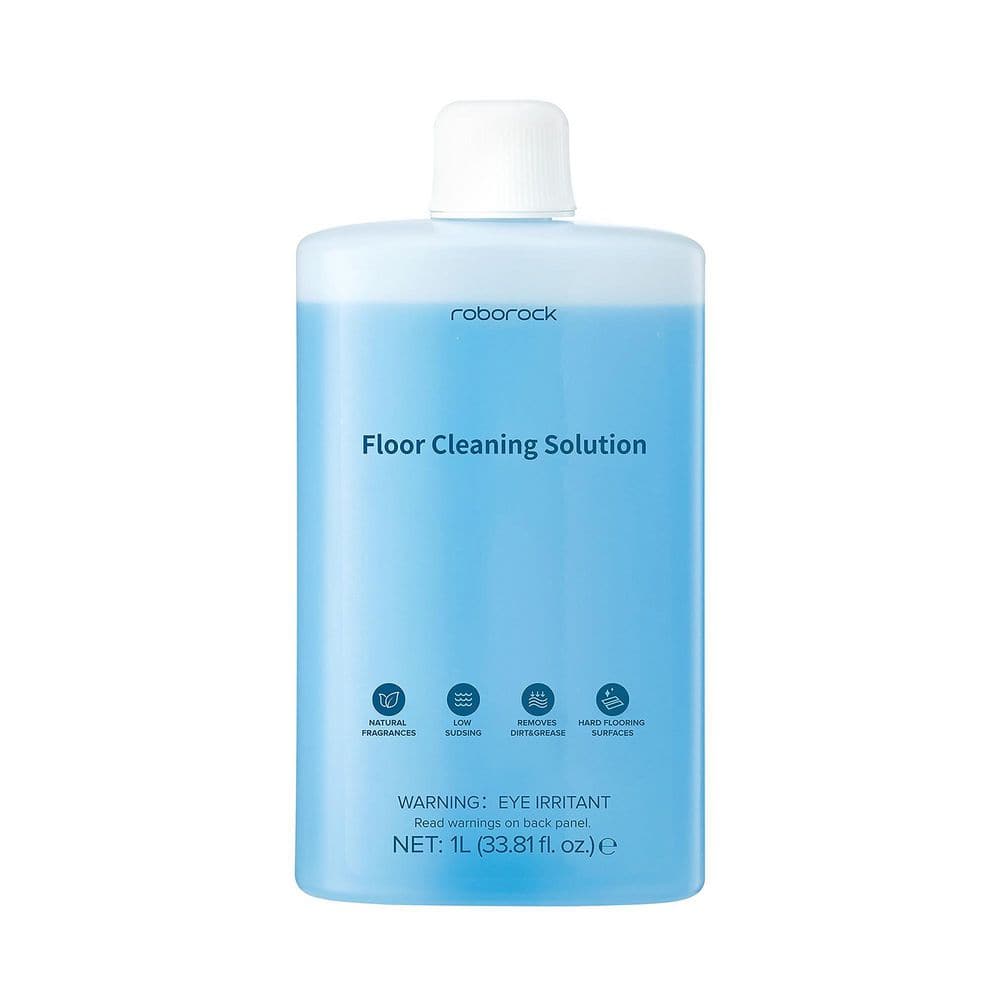
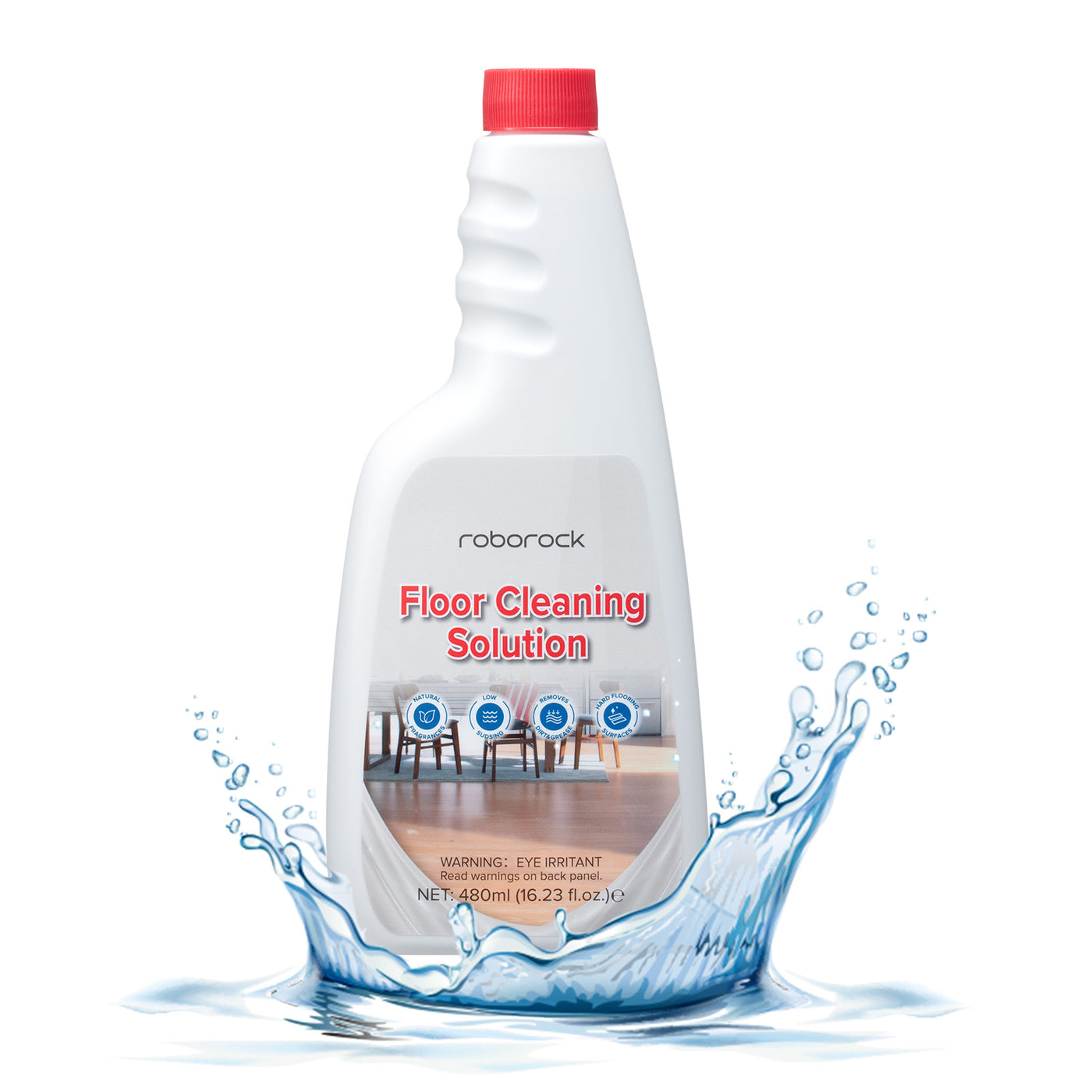
Roborock sells its own branded floor cleaning solution. It's specifically formulated to work with all Roborock models that have mopping features. This is the safest bet because it was tested and approved by the engineers who built the device.
A small amount goes a long way. You typically only need a few drops mixed with water in the tank. It cleans effectively without producing excess foam and leaves no sticky residue behind.
Mild, Non-Toxic Floor Cleaners
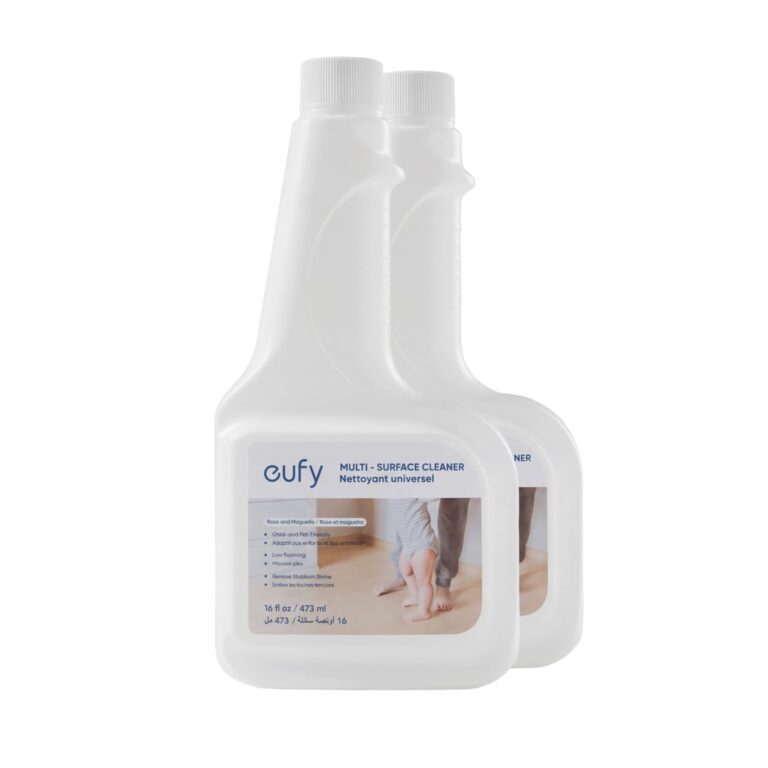
If you don't want to buy the official solution, you can use a gentle, water-based floor cleaner. Look for products that are labeled as safe for sealed hardwood, tile, or laminate floors. The best options are:
- Free of harsh acids or bleach
- Low-foaming or non-foaming
- pH-neutral
- Safe for households with pets and kids
Brands like Bona, Method, and Better Life offer gentle formulas that work well in robotic mops. Just make sure to dilute them heavily before adding them to the water tank.
DIY Water and White Vinegar Mix
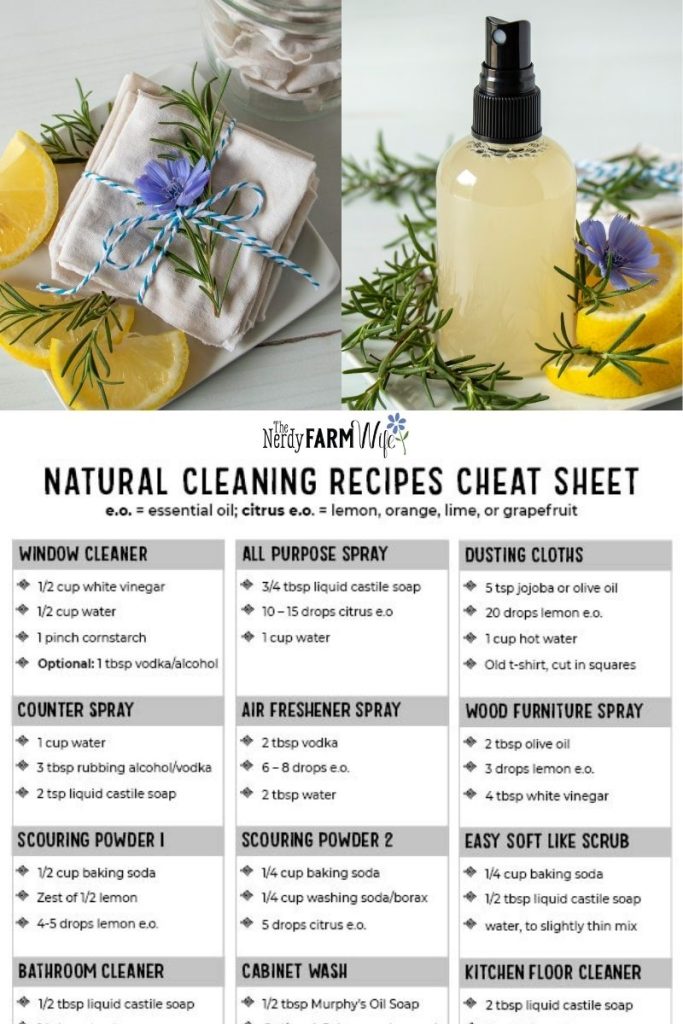
For a budget-friendly option, you can mix water with a tiny amount of white vinegar. The ratio should be roughly 1 tablespoon of vinegar per 2 cups of water. This cuts through grease and light grime without leaving a film.
However, use this sparingly. Vinegar is mildly acidic. Over time, frequent use may affect certain floor finishes or internal seals. I usually recommend this only for occasional deep cleans rather than daily mopping.
Cleaning Solutions to Avoid in Your Roborock
Not everything that cleans your floors the traditional way is safe for your robot. Here's what you should never pour into the tank:
- Bleach or chlorine-based cleaners. These can damage rubber seals and internal parts.
- Ammonia-based products. They produce strong fumes and can corrode plastic components.
- Oil-based or wax cleaners. They leave residue that clogs the microfiber pad and reduces suction.
- Dish soap or laundry detergent. These create heavy foam that can damage the pump and leak into the motor.
- Essential oils in high concentration. While they smell nice, pure oils can gunk up the system.
Think of your Roborock like a small car engine. You wouldn't pour random fluids into it. Stick with what's safe and tested.
How to Properly Add Cleaning Solution to Your Roborock
Using the right solution is only half the battle. How you add it matters just as much. Follow these simple steps for best results.
- Step 1. Empty the water tank completely before refilling.
- Step 2. Add clean, cool water to the tank first.
- Step 3. Add only 2 to 3 drops of approved cleaning solution.
- Step 4. Close the tank cap and gently shake to mix.
- Step 5. Attach the tank back to the robot and start your cleaning cycle.
Never fill the tank with pure cleaning solution. Always dilute. And never add cleaner directly onto the mopping pad. The system is designed to control the flow of liquid for even mopping.
Tips to Keep Your Roborock Mopping Like New
I've tested dozens of robot vacuums over the years, and one thing always holds true. Maintenance is just as important as the cleaning solution itself.
- Rinse the mopping pad after every use. Leftover residue hardens and reduces effectiveness.
- Replace the microfiber pad every 2 to 3 months for optimal cleaning.
- Clean the water tank weekly to prevent mold or mineral buildup.
- Use filtered or distilled water if you live in a hard water area.
- Run a dry sweep before mopping. It helps the mop focus on stains, not debris.
A little care goes a long way. Treat your Roborock well, and it will keep your floors spotless for years.

How Often Should You Clean With Solution vs. Water
If you mop every day, you don't need to add cleaning solution every single time. In fact, most days, plain water works perfectly fine. Save the cleaning solution for deeper cleans or areas with visible grime.
Here's a simple routine I've used for years:
- Daily mopping. Use just water.
- Weekly deep clean. Add a few drops of Roborock-approved solution.
- Monthly refresh. Clean the tank and pad thoroughly to prevent buildup.
This approach not only extends the life of your device but also prevents over-saturation of cleaning chemicals on your floors, which is healthier for kids and pets.
The Science Behind Roborock's Mopping Technology
Roborock uses an electronic water pump to control the flow of liquid onto the mopping pad. This precision system releases water at a consistent rate, ensuring even coverage without flooding.
Most newer models like the Roborock S7, S8, and Q series also feature sonic vibration mopping. This means the pad scrubs your floor up to 3,000 times per minute. When you add the right cleaning solution, the combination of chemistry and motion lifts dirt more effectively than dry sweeping alone.
This is why using a low-foaming, water-based cleaner is so important. It enhances the scrubbing action without interfering with the pump mechanism.

Common Mistakes People Make With Roborock Cleaning Solutions
From my experience, most Roborock owners make the same few mistakes when it comes to cleaning solutions.
- Using too much solution. A little goes a long way. Overloading the tank creates foam and leaves streaks.
- Mixing different cleaners. Combining products can cause chemical reactions that damage seals.
- Ignoring the manual. Each model has specific guidelines. Always check what's recommended.
- Forgetting to empty the tank. Stagnant water breeds bacteria and can clog the system.
- Using the wrong pad. Some pads are designed for water only, while others work better with solution.
Avoiding these simple mistakes will keep your robot running smoothly and your floors looking pristine.
Best Practices for Different Floor Types
Not all floors are the same. Here's how to adjust your cleaning solution based on your floor type.
- Hardwood. Use a gentle, wood-safe cleaner. Avoid vinegar, as it can dull the finish over time.
- Tile. Most mild cleaners work well. A tiny bit of solution helps remove soap scum in bathrooms.
- Laminate. Stick to water or a very light cleaning solution. Too much moisture can seep into seams.
- Vinyl. Almost any gentle floor cleaner works. Just make sure it's non-abrasive.
- Stone. Use pH-neutral cleaners only. Acidic solutions can etch natural stone surfaces.
Always test a small area first before running a full cleaning cycle. This helps you avoid any unwanted reactions with your specific flooring.

Eco-Friendly Cleaning Solutions for Roborock
If you're like me and care about sustainability, there are plenty of eco-friendly options that work beautifully with Roborock.
- Plant-based floor cleaners. Brands like Seventh Generation and Ecover offer biodegradable formulas.
- DIY solutions. Water with a splash of castile soap is gentle and effective.
- Reusable microfiber pads. Washable pads reduce waste compared to disposable ones.
- Distilled water. Prevents mineral buildup without the need for chemical softeners.
Choosing green options doesn't mean sacrificing clean floors. In fact, many eco-friendly products are just as effective as their chemical counterparts.

Frequently Asked Questions
Can I use regular floor cleaner in my Roborock?
Yes, but only mild, non-foaming, water-based cleaners that are safe for sealed floors. Always dilute heavily and check your user manual for approved products.
Is vinegar safe to use in a Roborock?
Vinegar can be used in very small amounts, but it's mildly acidic and not recommended for daily use. Stick to water or an approved cleaning solution for routine mopping.
How much cleaning solution should I add to the water tank?
Only 2 to 3 drops. Roborock tanks are small, and a little cleaning solution goes a long way. Too much can cause foaming and leave residue on your floors.
Can I use essential oils in my Roborock?
Pure essential oils should be avoided. They can clog the system and damage internal parts. If you want a scent, use a cleaner that's lightly infused with natural fragrances.
What happens if I use the wrong cleaning solution?
The wrong solution can cause foaming, clog the water pump, leave streaks, or damage internal seals. In severe cases, it may void your warranty.
Conclusion
Your Roborock is an investment in a cleaner home, and using the right cleaning solution keeps it running at its best. Stick with Roborock-approved formulas or gentle, non-toxic floor cleaners. Avoid harsh chemicals, heavy foaming products, and DIY mixes that could cause long-term damage. A few drops of the right solution, combined with regular maintenance, will keep your floors spotless and your robot humming along for years. Now that you know exactly what to use, it's time to give your Roborock the care it deserves. If you found this guide helpful, feel free to share it with fellow Roborock owners or drop a comment with your own cleaning tips below.