What Is In Keurig Cleaning Solution: Complete 2026 Guide
Keurig cleaning solutions contain citric acid, descaling agents, and surfactants designed to break down mineral buildup, coffee oils, and bacteria inside your machine. Understanding what's actually in that little bottle or pod can change how you care for your brewer, and even help you decide if a DIY mix might work just as well.
I've been deep into coffee gear care for years, testing every cleaning hack and product I could get my hands on. Trust me, what goes into your Keurig cleaner matters more than most people think. It's not just about a fresh-tasting cup. It's about the lifespan of your machine, the quality of your morning brew, and even the health of your home. Let me walk you through exactly what's in Keurig cleaning solution, why those ingredients matter, and what it all means for your daily coffee ritual.

What Is Keurig Cleaning Solution Used For?
Keurig cleaning solution is a specialized liquid or pod designed to clean and descale your single-serve coffee maker. Over time, minerals from water and oils from coffee beans build up inside your machine. This buildup can clog needles, slow down brewing, and leave behind bitter or off flavors in your cup. Cleaning solution helps break all that down.
The primary purpose is two-fold:
- Remove hard water scale and mineral deposits from internal parts
- Clean coffee oil residue that causes rancid tastes and clogs
Think of it like a deep clean for your brewer. Just like your kitchen sink gets grime over time, your Keurig's internal lines and heating element collect residue. The cleaning solution flushes that away and keeps everything flowing smoothly.
Core Ingredients Found in Keurig Cleaning Solution
Most commercial Keurig cleaning solutions, including the brand's own descaling liquid, share a few key ingredients. These components are safe for your machine but tough on buildup.
Citric Acid
This is the star ingredient in most descaling products. Citric acid is a natural acid found in citrus fruits, and it's incredibly effective at dissolving calcium and lime deposits. When hard water sits inside your Keurig, it leaves behind calcium carbonate. Citric acid reacts with that mineral and breaks it down into a soluble form that gets flushed out.
It's gentle enough not to damage metal or plastic parts, which is why manufacturers love using it. You can even find citric acid-based cleaners in organic or eco-friendly product lines.
Descaling Acids (Lactic or Sulfamic Acid)
Some formulas use lactic acid or sulfamic acid instead of or alongside citric acid. These are slightly stronger acids that work faster on heavy scale. They're common in commercial-grade descaling products and are food-safe when used as directed.
Surfactants
Surfactants are cleaning agents that reduce the surface tension of water. In a Keurig cleaner, they help the solution penetrate coffee oil buildup and lift grime from surfaces. Without surfactants, water alone would just slide over oily residue.
Common surfactants in coffee machine cleaners include:
- Sodium lauryl sulfate
- Cocamidopropyl betaine
- Sodium citrate
These are the same kinds of surfactants you'd find in dish soap, just in lower concentrations.
Water and Preservatives
The rest of the solution is mostly purified water, plus small amounts of preservatives to extend shelf life. Some formulas include a tiny bit of fragrance or color indicator to show when the solution is working.
Keurig's Official Descaling Solution vs. Third-Party Options
Keurig sells its own branded descaling solution, and you can also find plenty of third-party options on the market. Both types aim to do the same thing, but the ingredient lists can vary.
Keurig Brand Solution
The official Keurig Descaling Solution uses citric acid as its active ingredient. It's specifically tested and approved for all Keurig models. The brand recommends using it every three to six months, depending on how often you brew and how hard your water is.
Third-Party Alternatives
Many third-party cleaners use similar formulas. Some use vinegar as the active ingredient, while others rely on citric acid or a blend. Vinegar is a popular DIY option, but commercial cleaners often work faster and leave less aftertaste.
When comparing options, look for:
- NSF certification for food safety
- Clear ingredient labeling
- Compatibility with your specific Keurig model
How Keurig Cleaning Solution Works Inside Your Machine
The cleaning process is simple but effective. You pour the solution into the water reservoir, run it through a brewing cycle without a pod, and let it sit for a few minutes. The acids dissolve mineral buildup while the surfactants break down oils. Then you rinse by running several cycles of plain water through the machine.
Here's what happens step by step:
- The solution enters the water tank and mixes with any remaining water
- It heats up as it moves through the brewer's internal lines
- Acids react with mineral scale, turning it into a water-soluble form
- Surfactants loosen and lift coffee oils from the heating element and tubes
- The dirty solution drains into your mug or carafe
- Fresh water rinses away any leftover residue
I've done this dozens of times on different machines, and the difference is always noticeable. The water flows faster, the coffee tastes cleaner, and the machine just runs quieter.
Are Keurig Cleaning Solution Ingredients Safe?
This is a question I get a lot, especially from people who are cautious about chemicals in their kitchen. The short answer is yes, when used as directed.
Food-Safe Formulations
The ingredients in commercial Keurig cleaners are food-safe in the diluted concentrations used for descaling. Citric acid is a common food additive. Surfactants in low doses won't harm you, and the rinse cycle washes away any residue.
What to Watch For
Avoid using industrial-strength descalers not meant for coffee machines. These can contain harsh acids like hydrochloric acid that can damage internal parts. Stick with products labeled for coffee makers or kettles.
If you have sensitive skin or respiratory issues, consider wearing gloves when handling the solution and ventilate your kitchen during the process.
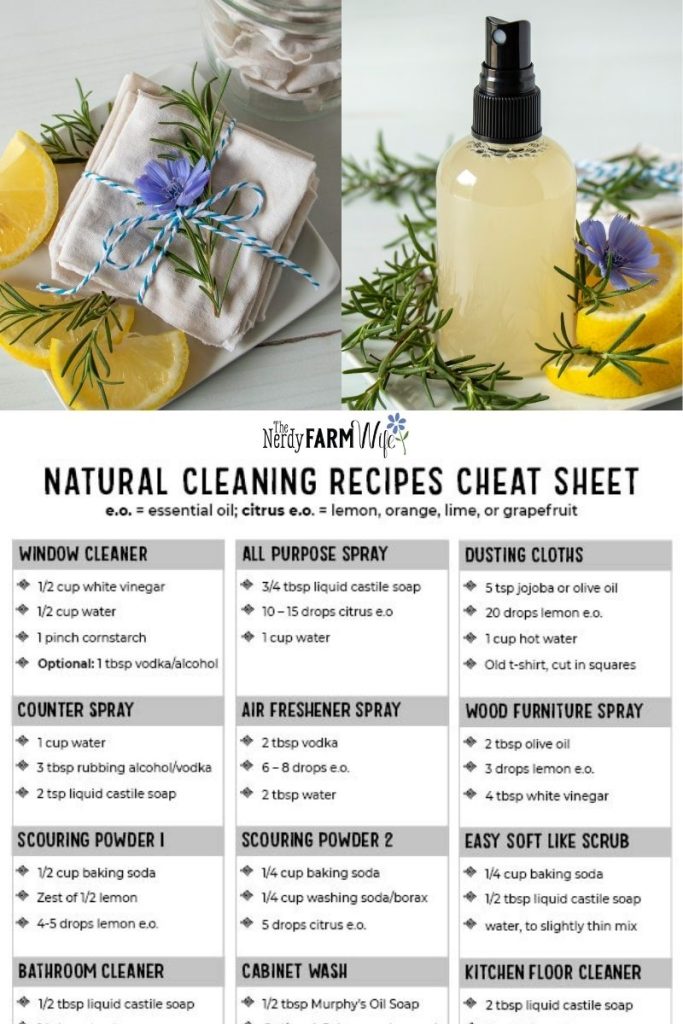
DIY Keurig Cleaning Solution: What You Can Use at Home
If you prefer a homemade approach, you can make a simple cleaning solution using pantry staples. The most common DIY option is white vinegar, but citric acid powder is another great choice.
Vinegar Method
White vinegar contains acetic acid, which works similarly to citric acid for descaling. Mix equal parts water and vinegar, pour it into the reservoir, and run a cleaning cycle. It's effective and cheap, though it can leave a slight smell during the process.
Citric Acid Powder Method
You can buy food-grade citric acid powder online or at grocery stores. Mix one to two tablespoons per quart of water for an effective descaling solution. It works just as well as commercial products and has a milder scent.
Baking Soda Method
Some people use baking soda, but it's less effective for descaling. Baking soda is better for neutralizing odors than dissolving mineral buildup. I wouldn't rely on it for a deep clean.
How Often Should You Clean Your Keurig?
The frequency depends on your water hardness and brewing habits. If you use your Keurig daily with hard water, you should descale every three months. If you have soft water or only brew occasionally, every six months might be enough.
Signs your machine needs cleaning:
- Slower brewing times
- Weak or strange-tasting coffee
- Visible white buildup on the water reservoir
- Unusual noises during brewing
- Water not heating properly

Common Mistakes When Using Keurig Cleaning Solution
Even though the process is simple, there are a few pitfalls I see people run into all the time.
Skipping the Rinse Cycle
After running the cleaning solution, you must rinse the machine with several cycles of plain water. If you skip this, you'll taste the cleaner in your next cup of coffee. I usually run three to four rinse cycles to be safe.
Using Too Much Solution
More isn't always better. Using extra cleaner won't make your machine cleaner, but it can leave residue that's hard to rinse out. Always follow the instructions on the label.
Not Cleaning the External Parts
Cleaning solution is for the internal lines, but you should also wipe down the exterior, drip tray, and pod holder. Bacteria can grow on the needle and drip tray, so a regular wipe-down with soap and water keeps things hygienic.
Ignoring the Water Filter
If your Keurig has a charcoal water filter, replace it every two months or as recommended. A clogged filter puts extra strain on your machine and affects taste.
Environmental Impact of Keurig Cleaning Solutions
Most cleaning solutions come in plastic bottles, which raises concerns about waste. If sustainability matters to you, look for brands that use recycled packaging or offer refill options. Some companies now make concentrated formulas you can dilute at home, reducing packaging waste.
You can also reduce your environmental footprint by:
- Using citric acid powder in your own reusable bottle
- Choosing biodegradable surfactants when available
- Recycling empty bottles properly
How Cleaning Solution Affects Coffee Taste
One of the biggest benefits of regular descaling is better-tasting coffee. When mineral buildup accumulates, it can make your coffee taste bitter, metallic, or dull. Clean internal lines mean the water flows at the right temperature and extracts flavor properly.
I noticed this personally when I started descaling regularly. My morning coffee went from flat and slightly sour to bright and full-flavored. If your coffee has lost its punch, a good cleaning might bring it back.
Alternatives to Commercial Cleaning Solutions
If you want to avoid commercial products altogether, there are a few natural options.
- White vinegar: Cheap, effective, but smelly during use
- Citric acid powder: Food-safe, mild scent, very effective
- Lemon juice: Contains citric acid but can leave a citrus aftertaste
- Bottled water flush: Won't descale but can help if you only have mild buildup
I keep citric acid powder on hand because it's versatile and lasts a long time. A small bag can clean your Keurig dozens of times.

Frequently Asked Questions
Is Keurig cleaning solution the same as vinegar?
No, but they work similarly. Commercial cleaning solution uses citric acid or other descaling acids, while vinegar uses acetic acid. Both dissolve mineral buildup, but commercial solutions often work faster and leave less aftertaste.
Can I use Keurig cleaning solution in other coffee makers?
Most Keurig cleaning solutions are safe for other single-serve or drip coffee makers, but check the label first. Some brands make universal formulas, while others are specifically designed for Keurig machines.
How long does a bottle of Keurig cleaning solution last?
A standard bottle usually lasts for two to three cleanings, depending on the size of your water reservoir. If you descale every three months, one bottle covers six to nine months.
Is Keurig descaling solution toxic?
No, it's not toxic when used as directed. The ingredients are food-safe and dilute during use. Just rinse thoroughly with water afterward to remove any residue.
Can I make my own Keurig cleaning pods?
You can make reusable cleaning pods by filling a reusable filter with citric acid or a small amount of cleaning solution. Just don't put actual liquid cleaner into a pod, as it can cause leaks.
Keeping Your Keurig in Top Shape
Understanding what's in Keurig cleaning solution gives you more control over your coffee routine. The key ingredients are citric acid, surfactants, and water, all working together to keep your machine clean and your coffee tasting great. Whether you go with the brand-name product, a third-party option, or a DIY mix, regular descaling is one of the best things you can do for your brewer.
If you haven't cleaned your Keurig in a while, today is the perfect day to start. Your morning cup will thank you, and your machine will last longer. If you found this guide helpful, share it with a fellow coffee lover or drop a comment with your own cleaning tips.