What to Look for in a Vacuum Cleaner in 2026 (Worth Buying)
Choosing the right vacuum cleaner can feel like a puzzle, with so many options promising spotless floors. But let's cut through the noise. When you're looking for what to look for in a vacuum cleaner to suit your actual needs, it often comes down to understanding a few core aspects that make a real difference in performance and convenience.
Our research indicates that key factors like suction power, filtration system efficiency, and the right attachments for your specific mess are more important than flashy marketing. For instance, a HEPA filter, defined as a filter that can remove at least 99.97% of airborne particles 0.3 micrometers in diameter, is crucial for homes with allergy sufferers, as confirmed by standards set by organizations like the Environmental Protection Agency. Let’s break down how to pick the one that’ll work best for you.
Choosing Your Champion: Vacuum Types Explained
When you're shopping for a vacuum, the first big decision is the type. Each design tackles cleaning in a slightly different way, making some better suited for certain homes or tasks than others. Think about your living space, your cleaning habits, and what kind of dirt and debris you deal with most often.

Uprights: The All-Rounders
Upright vacuums are your classic, go-to machines. They're typically good all-around performers, especially on carpet, thanks to their motorized brush rolls that agitate carpet fibers to lift embedded dirt. Many uprights offer adjustable height settings to accommodate different carpet thicknesses or hard floors. They often have a wider cleaning path than other types, meaning you can cover more ground faster.
A significant portion of the market considers uprights a workhorse for general home cleaning, often balancing power with reasonable maneuverability.
Canisters: Powerhouses in Pieces
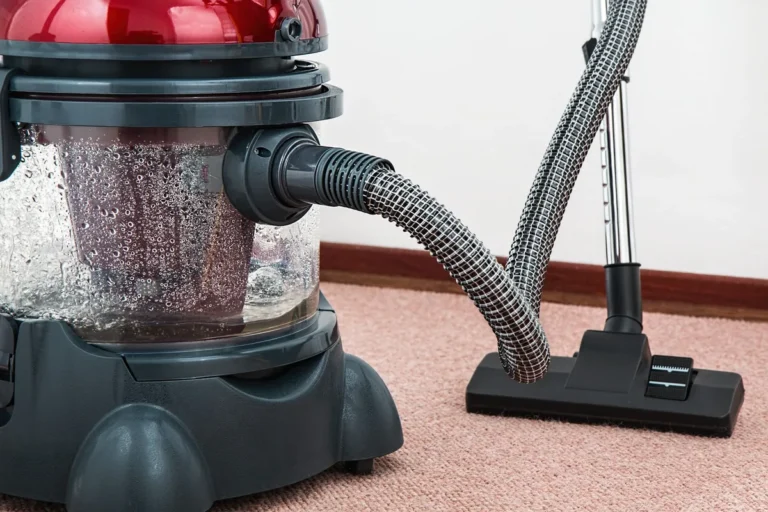
Canister vacuums consist of two main parts: a main body that houses the motor and dustbin (the canister), and a long hose with an attachment. This separation often means they can pack more suction power and be more versatile. The hose and wand design makes them excellent for cleaning stairs, upholstery, and getting into tight corners or under furniture where an upright might struggle. While they might take up a bit more storage space and require you to drag the canister, many find their specialized cleaning capabilities invaluable.
Stick Vacuums: Light & Nimble
Stick vacuums are designed for speed and convenience. They're lightweight, slim, and often cordless, making them perfect for quick cleanups of everyday messes like crumbs or dust on hard floors and low-pile carpets. Many can convert into handheld vacuums, adding to their versatility for spot cleaning or tackling car interiors. While generally not as powerful as their upright or canister counterparts for deep carpet cleaning, their ease of use and storage makes them a popular choice for modern homes.
Cordless Wonders: Freedom to Clean
Cordless vacuums, often stick or handheld models, offer unparalleled freedom. No more wrestling with cords getting tangled or limiting your reach. Battery technology has advanced dramatically, with many offering robust runtimes, though typically less than a corded vacuum. Charging time is also a key factor here, as you'll need to plan for recharges.
These are fantastic for homes where quick, frequent cleanups are needed, or for areas without convenient power outlets.
Robotic Vacuums: Set It and Forget It
Robotic vacuums are essentially small, autonomous discs that patrol your floors, cleaning on a schedule or on command. They’re great for maintaining a baseline level of cleanliness, especially on hard floors and low-pile carpets. Features like smart navigation, obstacle avoidance, and app control are becoming standard. However, they’re not typically a replacement for a robust manual vacuum, as they can struggle with deep-pile carpets, stairs, or very large, complex homes, and still require some pre-tidying to operate effectively.
Key Features That Actually Matter
Beyond the type, the specific features on a vacuum cleaner can dramatically impact its performance and your satisfaction. It’s easy to get lost in marketing jargon, but focusing on a few crucial aspects will help you make a much smarter choice for your home.
Suction Power: What Does It Mean for Your Floors?
Suction power is the heart of any vacuum. Manufacturers often list wattage or airflow (CFM, Cubic Feet per Minute). While high wattage can indicate strong suction, it's not always the best indicator on its own. Air Watts (AW) is a more precise metric, measuring the vacuum's aerodynamic efficiency, essentially how effectively it uses motor power to create suction.
A higher Air Watt rating generally means better cleaning performance, especially on carpets where embedded dirt needs to be lifted. In our research, vacuums with strong Air Watt ratings consistently performed better in pickup tests.
Filtration: Breathing Easier with HEPA
If you or anyone in your household suffers from allergies or asthma, a vacuum’s filtration system is non-negotiable. The gold standard is a HEPA (High-Efficiency Particulate Air) filter.
A true HEPA filter, meeting standards like those set by the U.S. Department of Energy, captures at least 99.97% of particles 0.3 micrometers in size. This includes common allergens like dust mites, pet dander, and pollen. It’s not just about having a HEPA filter, though; the entire vacuum system needs to be well-sealed to prevent dust and allergens from leaking back into the air.
Bagged vs. Bagless: Pros, Cons, and Which is Right for You
This is a classic debate, and both have their advantages. Bagged vacuums use disposable bags that contain the dirt and dust, which can be ideal for allergy sufferers as emptying is minimal and contained. When the bag is full, you simply discard it. Bagless vacuums, on the other hand, use a reusable dustbin that you empty directly into the trash.
This means no ongoing cost for bags, but emptying the bin can release dust into the air, which might be a concern for those with sensitivities.
| Feature | Bagged Vacuums | Bagless Vacuums |
|---|---|---|
| Maintenance | Replace disposable bags | Empty and clean reusable bin |
| Allergy Risk | Lower dust release during emptying | Higher potential dust release |
| Cost | Ongoing cost for bags | No ongoing bag costs |
| Convenience | Simple disposal | No need to buy replacements |
| Performance | Can lose suction as bag fills | Can maintain consistent suction |
Brush Rolls: Fighting Fur and Fuss
The brush roll, or beater bar, is what agitates carpet fibers to loosen dirt, debris, and hair. For homes with pets, a vacuum with a powerful, hair-resistant brush roll is a game-changer. Some brush rolls are designed to minimize hair tangles, making maintenance easier. Many vacuums offer the option to turn the brush roll off, which is essential if you plan to use the vacuum on delicate hard floors or rugs that could be damaged by aggressive brushing.
The Attachment Arsenal: Tools for Every Nook
While the main floor head does the heavy lifting, a good set of attachments can transform your vacuum into a versatile cleaning machine.
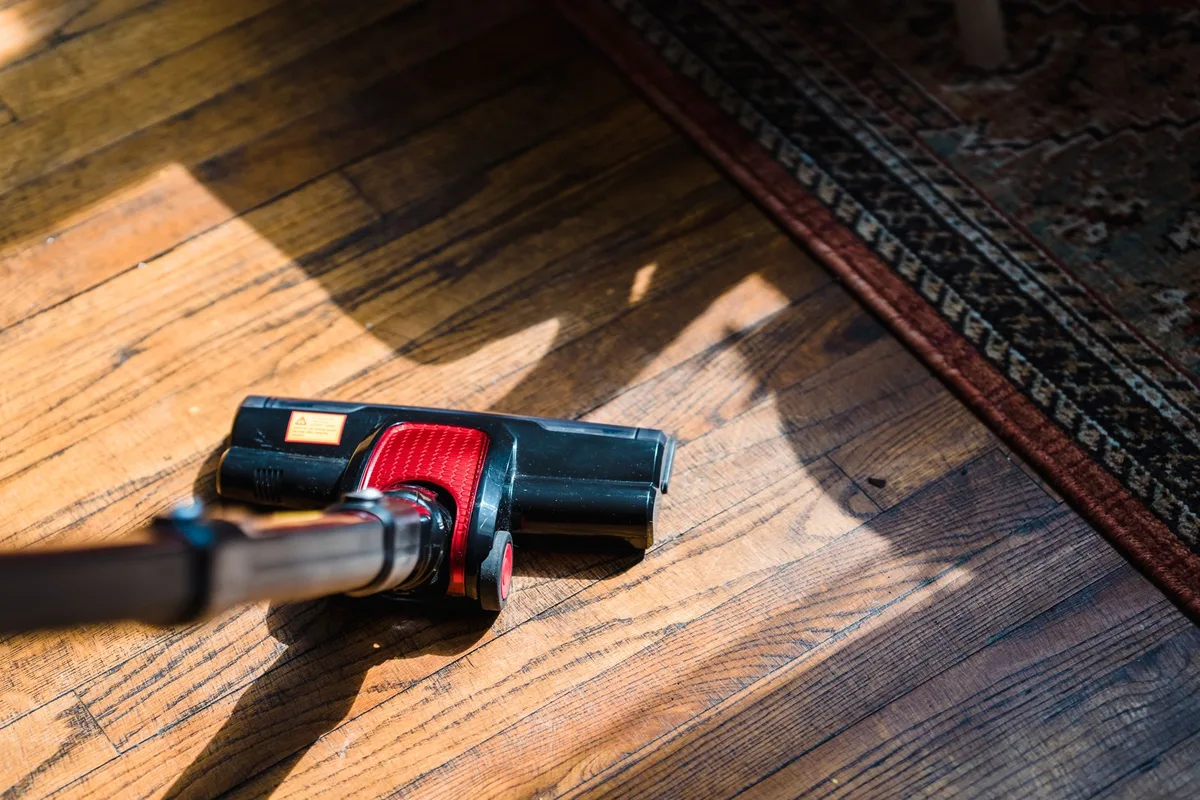
Common and highly useful attachments include:
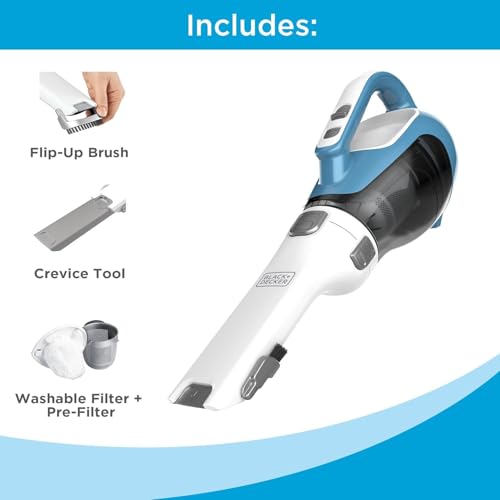
- Crevice tool: Perfect for tight spaces like between sofa cushions, along baseboards, or in car door pockets.
- Upholstery tool: Wider and often with a fabric strip, it’s designed to clean furniture, curtains, and drapes without damage.
- Dusting brush: Features soft bristles to gently remove dust from delicate surfaces like lampshades, bookshelves, or electronics without scratching.
- Pet grooming tool (in some models): Designed to help remove loose pet hair directly from your pet's coat, often with specialized brushes or suction.
Thinking about where you typically encounter messes will help you prioritize which attachments are most important for your cleaning needs.
Your Home, Your Vacuum Needs: Matching Features to Floors
Finding the perfect vacuum isn't just about power; it's about matching that power and its features to the reality of your home. Think of it like choosing the right tool for a specific job around the house. A tool that's amazing for some tasks might be overkill or downright wrong for others.
Here’s how to align what a vacuum can do with what your floors need it to do.
Pet Owners' Picks: Tackling Fur and Odors
If furry friends are part of your family, you know that pet hair can embed itself into carpets and upholstery like magic. For these homes, suction power is critical, but so is the brush roll's ability to actively lift and remove stubborn fur, not just push it around. Look for vacuums specifically marketed for pets; they often feature specialized brush rolls designed to resist tangles and enhanced suction to pull up dander that causes odors.
Allergy Sufferers' Selections: Dust Mite Defense
For those who sneeze at the slightest speck of dust, a vacuum with superior filtration is paramount. As we covered, a sealed system with a true HEPA filter is what you want. This prevents allergens from being recirculated into the air you breathe. When evaluating vacuums, check not only if they have a HEPA filter but if the manufacturer emphasizes sealed system performance.
Aggregate reviews often highlight which models truly keep dust contained.
Hardwood vs. Carpet: Surface-Specific Superstars
Different floor types require different approaches. On hardwood or laminate, you need strong suction to pick up fine dust and debris, but you must be careful not to scratch the finish. A vacuum with a soft roller brush or one that allows you to turn off the main brush roll is ideal for hard surfaces. For carpets, especially plush or high-pile varieties, a motorized brush roll is essential for deep cleaning.
Many vacuums offer adjustable settings or different floor heads to adapt to these surfaces.
Small Spaces vs. Big Homes: Size and Storage Savvy
The size of your home dictates more than just how long you’ll spend vacuuming. In smaller apartments, storage is often at a premium. Lightweight stick vacuums or compact canister models that can be easily stowed away in a closet are lifesavers. For larger homes, you might prioritize a wider cleaning path or longer cord length to avoid frequent unplugging.
Battery life becomes a significant consideration for cordless models if you have a large area to cover on a single charge.
Common Vacuum Pitfalls to Dodge
Even with the best intentions, it's easy to fall into traps when buying or using a vacuum. Understanding these common mistakes can save you frustration and help you pick a machine that truly works.
Why Your Vacuum Loses Suction (and How to Fix It)
The most common complaint about any vacuum is a loss of suction. This is rarely a sign of a motor failure and almost always points to a blockage or a dirty filter. Make it a habit to check your dustbin capacity first; an overflowing bin starves the motor of airflow. Next, inspect the hose and wand for any obvious obstructions.
Finally, and most crucially, clean or replace your filters according to the manufacturer's instructions. A clogged filter will drastically reduce performance, as many user reports confirm.
The Hair Tangle Trap: Avoiding Brush Roll Nightmares
If you have long hair or pets, you've likely battled a brush roll choked with hair. This not only reduces cleaning efficiency but can strain the motor and eventually cause damage. When shopping, look for vacuums that specifically mention pet-hair performance and tangle-resistant brush designs. Some models even come with specialized tools to help cut or remove tangled hair easily.
Regular maintenance, like trimming hair from the brush roll with scissors, is key even with "tangle-free" designs.
Overspending: Features You Don't Actually Need
It's tempting to opt for the vacuum with every single attachment and the highest advertised suction, but ask yourself: will you actually use all of it? Many high-end vacuums include features that are nice to have but don't fundamentally improve core cleaning performance for your specific needs. For example, overly complex digital displays or dozens of niche attachments might inflate the price without providing significant practical benefit if you primarily clean carpets and have no pets.
The Price Tag: What to Expect and What You Get
Vacuum cleaners span a wide price range, from under $50 to well over $1,000. Understanding where your money goes can help you find the best value for your budget and needs.
Budget-Friendly Finds
In the under-$150 range, you'll typically find basic models, often stick vacuums or simpler uprights. They’re great for small apartments, quick cleanups, and homes with mostly hard floors or low-pile carpets. Suction might be less powerful, and filtration might be basic. Durability can also be a concern, with some users reporting parts failing after a year or two of moderate use.
These are best for light duty.
Mid-Range Performers
Stepping up to the $150-$400 range opens up a lot more options. Here, you can expect better suction, more robust build quality, and improved filtration systems like basic HEPA. You'll find more versatile stick vacuums with better battery life, and more capable upright and canister models. These vacuums are often the sweet spot for many households, offering a good balance of performance, features, and price.
Premium Powerhouses
Vacuums costing over $400 often represent the top tier of technology and design. Think advanced HEPA filtration, exceptionally powerful suction (measured in high Air Watts), long-lasting batteries in cordless models, smart navigation in robots, and premium materials for durability. These are generally best for larger homes, demanding cleaning tasks, or for individuals prioritizing the absolute best performance and features available, regardless of cost.
Maintenance: Keeping Your Cleaner Clean
A vacuum cleaner is an investment, and like any tool, it performs best and lasts longer when you take care of it. Regular, simple maintenance is often more important than the initial purchase price.
Filter Care: The Secret to Lasting Suction
Dirty filters are the number one enemy of strong suction. Most vacuums have at least one filter, often more, and they trap fine dust and debris before it reaches the motor. Check your owner's manual for the recommended cleaning schedule. Many washable filters can be rinsed under cold water and must be completely dry before reinstallation, this can take 24-48 hours.
Non-washable filters, including HEPA filters on many models, need to be replaced periodically, usually every six months to a year depending on usage and air quality.
Simple Steps for a Longer-Lasting Vacuum
Beyond filters, a few quick checks can keep your vacuum running smoothly. Regularly empty the dustbin or replace the bag to prevent clogs. Periodically inspect the brush roll for tangled hair or threads and clear them away. Check hoses and attachments for blockages, especially if you notice a drop in suction.
For cordless models, keep the charging contacts clean. These small efforts prevent bigger problems down the road and ensure your vacuum delivers consistent cleaning power.