What Is Hepa Filter in Vacuum Cleaner (2026) — No-BS Picks
When you think about clean air in your home, you probably focus on air purifiers or open windows. But did you know your vacuum cleaner plays a massive role too? That's right, what your vacuum sucks up shouldn't just get recirculated back into the room. Understanding what is a HEPA filter in a vacuum cleaner is key to trapping microscopic nasties.
A High-Efficiency Particulate Air (HEPA) filter is designed to capture a very high percentage of airborne particles. Per a common industry standard, a filter must trap at least 99.97% of particles that are 0.3 microns in diameter to be considered true HEPA. These tiny filters make a world of difference in your home's air quality, especially if you or your family deal with allergies or asthma.
What a HEPA Filter Really Does in Your Vacuum Cleaner
Simply put, a HEPA filter in your vacuum cleaner acts as a super-fine sieve for the air that your machine expels. Most vacuums pull air through the motor and then vent it back into the room. Without a proper filter, this exhausted air can carry fine dust, pollen, pet dander, and other microscopic irritants right back into your living space, sometimes even making the air dustier than before. A HEPA filter captures these tiny particles before the air is released.
This means the air leaving your vacuum is significantly cleaner, helping to reduce allergens and improve overall indoor air quality.
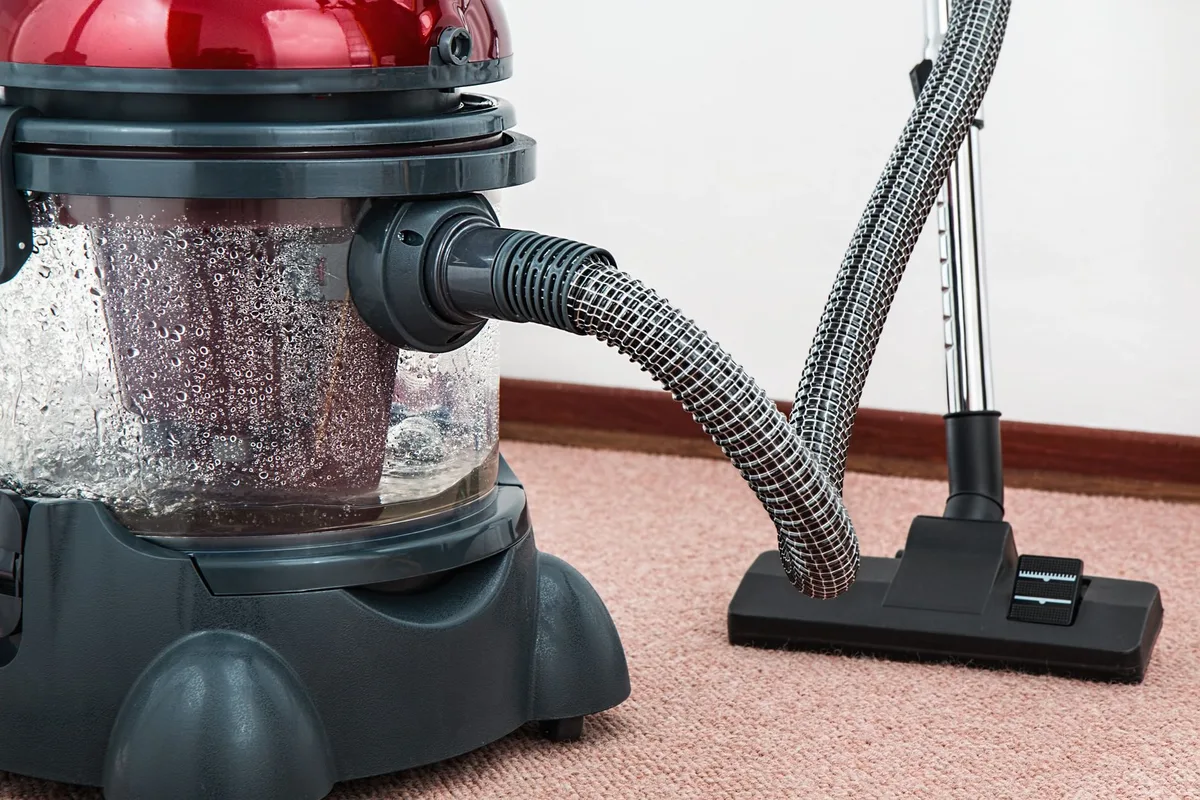
Seeing How a HEPA Filter Works: Visualizing the Clean Air
To really grasp how a HEPA filter works, it helps to see it in action, or at least visualize the process. It's not just about a bag or a simple foam insert; the design is quite clever. We'll break down what you'd see if you could watch the tiny particles getting trapped.
The Microscopic World of Particle Capture
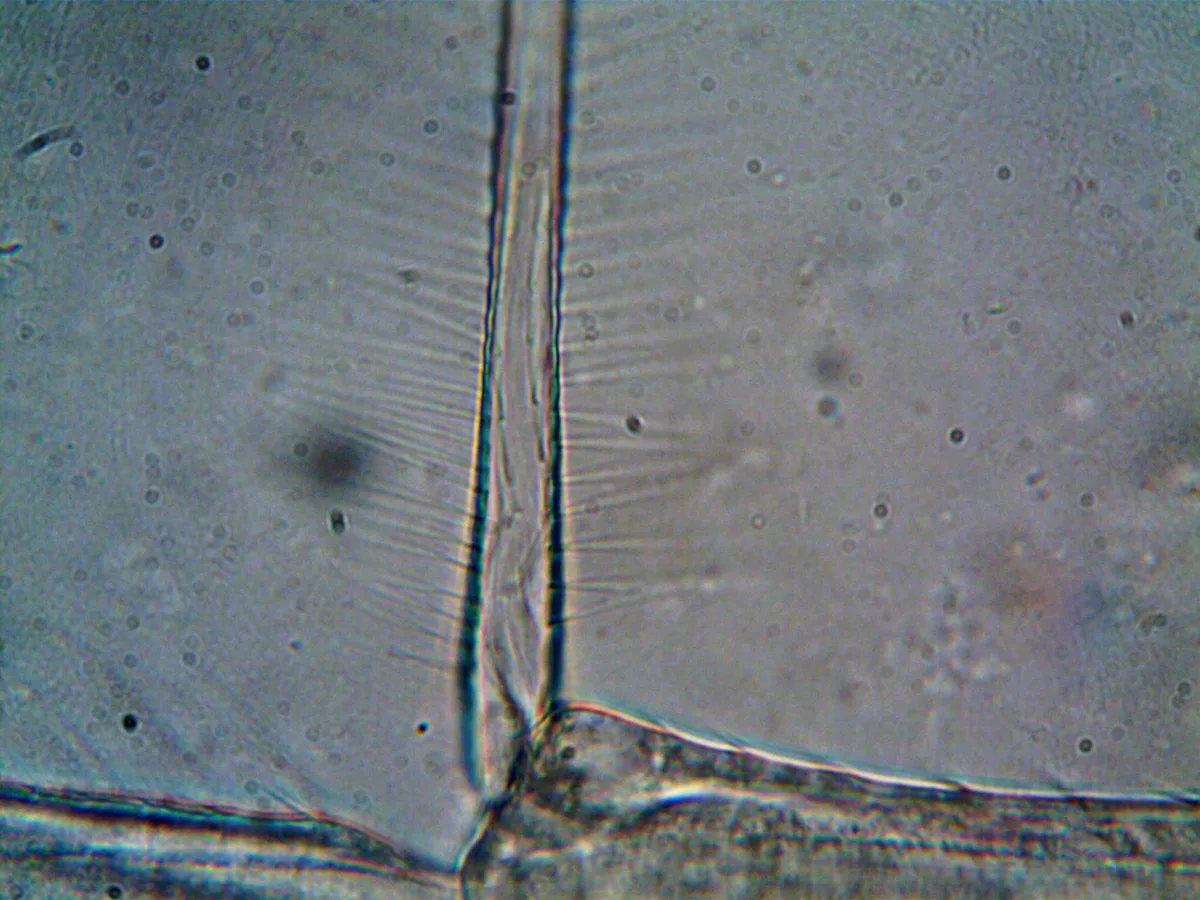
A HEPA filter isn't just a mesh screen that stops big chunks. It's made of a dense mat of fine fibers, usually made from borosilicate glass. These fibers are arranged randomly, creating a highly convoluted path for the air. When air is forced through this maze, particles get trapped through several mechanisms: direct impaction (larger particles hit fibers directly), interception (particles follow the airflow but get caught on fibers as they pass), and diffusion (smaller particles move erratically, increasing their chances of hitting a fiber).
This intricate structure is what allows it to capture particles as small as 0.3 microns.
How Air Flows Through the Filter: A Visual Journey
Imagine the air as a river and the filter fibers as intricate underwater obstacles. As the dirty air enters the vacuum's exhaust system, it's directed into the HEPA filter. Instead of a straight shot out, it's forced to weave through the densely packed, pleated media. The larger particles are too big to navigate the tight spaces and get stuck on the outside layers.
Smaller particles, still carried by the air current, bump into the fibers during their winding journey and adhere to them. The result is that the air exiting the filter is remarkably free of fine dust, allergens, and other microscopic airborne contaminants.
Key HEPA Filter Features to Look For
When you're shopping for a vacuum or just trying to understand the one you have, knowing what to look for in a HEPA filter is important. Not all filters are created equal, and some might be marketed with buzzwords that don't quite meet the official standard.
Understanding HEPA Standards: What "True HEPA" Means
The term "HEPA" is often used loosely. To be considered a "true HEPA" filter, it must meet specific performance criteria. In the U.S., this typically means it must remove at least 99.97% of airborne particles 0.3 microns in diameter. This standard is often referred to as relating to the Most Penetrating Particle Size (MPPS).
Some manufacturers might use terms like "HEPA-type" or "HEPA-like," which do not meet this rigorous standard and capture far fewer microscopic particles. Always look for certifications or specifications that clearly state it meets the true HEPA standard.
Filter Material and Construction: Tiny Fibers, Big Impact
The material and how it's put together are what give a HEPA filter its power. Most true HEPA filters are made from pleated layers of fine borosilicate glass fibers. The pleating design is crucial; it dramatically increases the surface area of the filter within the given space, allowing it to trap more particles without significantly restricting airflow. A well-constructed HEPA filter will also have a good seal around its edges to prevent air from bypassing the filter media.
This integrity ensures that all the air being exhausted has passed through the filtration layers.
Why You Might Want a HEPA Filter in Your Vacuum
Let's be honest, the primary reason most people consider HEPA filters is for health and comfort. Their ability to remove microscopic particles can make a tangible difference in your living environment, especially for households that have specific sensitivities.
Relief for Allergy and Asthma Sufferers
For individuals who struggle with allergies or asthma, the air you breathe indoors can be a constant battle. Common household dust contains a mix of skin cells, fabric fibers, pollen, mold spores, and even dust mite feces, all potential triggers. A vacuum cleaner equipped with a true HEPA filter can significantly reduce the presence of these allergens in your home. By capturing these microscopic irritants instead of redistributing them, a HEPA-filtered vacuum helps create a cleaner, more comfortable living space, potentially leading to fewer allergy flare-ups and asthma symptoms.
Cleaner Air for Homes with Pets and Kids
Pet dander is notorious for being a major allergen, and it's incredibly fine, easily becoming airborne. Similarly, homes with young children are often bustling with activity that stirs up dust. A HEPA filter excels at capturing these microscopic particles, including pet dander and fine dust. This means a vacuum cleaner with HEPA filtration can contribute to a healthier environment for everyone, especially for families with pets or very young children who may be more sensitive.
It's an investment in a cleaner breathing space.
Everyday Problems HEPA Filters Help Solve
Beyond general air quality, HEPA filters are designed to tackle specific microscopic nuisances that standard filters often miss. Thinking about what you can't easily see is where HEPA filtration proves its worth.
Tackling Fine Dust and Invisible Irritants
Microscopic dust particles, often too small to see floating in a sunbeam, are a primary concern for HEPA filters. These particles can settle on surfaces, get stirred up by movement, and be inhaled. A HEPA filter is engineered to capture these fine particles, along with other invisible irritants like mold spores, certain bacteria, and combustion byproducts. By trapping these at the source (your vacuum cleaner's exhaust), you're effectively removing them from your home's air circulation.
Reducing Airborne Dander and Pollen
Pet dander, composed of microscopic skin flakes, is a common allergen that can linger in the air and on surfaces for months. Pollen, tracked in from outdoors, also adds to the indoor allergen load. These particles are often in the size range that HEPA filters are designed to capture. Using a vacuum with a HEPA filter helps to pull these allergens out of the air and off your carpets and upholstery, rather than just pushing them around.
This can lead to a noticeable reduction in airborne allergens, making your home feel cleaner and healthier for sensitive individuals.
Common Mistakes When Dealing With HEPA Filters in Vacuums
Even with the best intentions, folks sometimes make mistakes that stop their HEPA-filtered vacuum from working as well as it should. These slip-ups can range from buying the wrong parts to not installing them correctly, essentially defeating the purpose of having a HEPA filter in the first place. Let's look at what to watch out for.
When a Filter Isn't Really HEPA
One of the biggest pitfalls is falling for marketing that misleads you. If a vacuum cleaner or its replacement filter is advertised with terms like "HEPA-type," "HEPA-grade," or "99% efficient," it's a red flag. These are often not true HEPA filters. A true HEPA filter has to meet the stringent 99.97% removal rate at 0.3 microns.
Buying a "HEPA-like" filter might feel like you're getting the benefit, but in reality, you're likely missing out on capturing those crucial microscopic allergens and fine dust particles. Always verify the specification.
Sealing: The Often-Overlooked Critical Step
A HEPA filter's effectiveness hinges on its ability to force all the used air through its media. If there are gaps or leaks around the filter housing or where the filter seals against the vacuum body, air will take the easiest path: around the filter. This bypass renders the HEPA capabilities useless. When replacing a filter, for example, ensure it's seated correctly and any gaskets or seals are intact and properly positioned.
It’s this complete seal that guarantees the exhaust air has been thoroughly filtered.
Maintaining Your HEPA Filter for Peak Performance
A HEPA filter isn't a set-it-and-forget-it component. Like any filter, it needs attention to keep doing its job effectively. Ignoring maintenance can lead to reduced suction power and, more importantly, a decline in the actual air quality being expelled.
How Often to Replace or Clean
The lifespan of a HEPA filter varies widely, depending on the vacuum model, how often you use it, and the environment it's cleaning. Manufacturer recommendations are your best guide, they're usually found in your vacuum's instruction manual. For a typical household, particularly one with pets or allergy sufferers, replacing the HEPA filter every 6 to 12 months is common. Some filters are designed to be washable, but not all.
If yours is washable, our research indicates cleaning it thoroughly and ensuring it's completely dry before reinstallation is critical to prevent mold growth and system damage.
Ensuring a Proper Seal After Maintenance
After you've replaced or cleaned your HEPA filter, double-checking the seal is a vital step. Did the new filter click securely into place? Is the rubber gasket or foam seal flush against the housing? These details might seem minor, but a small gap, perhaps a quarter of an inch, can allow a significant amount of unfiltered air to escape.
Manufacturer specifications for replacement filters often include guidance on how to ensure a tight, effective seal. Taking an extra moment to confirm this can dramatically impact the filter's performance and your home's air quality.
Who Needs a HEPA Filtered Vacuum Most?
While a HEPA filter offers benefits for almost any home, certain groups stand to gain the most from this advanced filtration. If any of these scenarios sound like your household, a HEPA-filtered vacuum is definitely worth considering.
Allergy Sufferers' Best Friend
If you or someone in your home deals with seasonal allergies, year-round sensitivities, or sensitivities to pet dander or dust mites, a HEPA-filtered vacuum is practically essential. These vacuums work by trapping the microscopic allergens that standard filters might release back into the air. By capturing at least 99.97% of particles 0.3 microns and larger, they help reduce the overall allergen load in your home. This can lead to fewer sniffles, less congestion, and more comfortable breathing for allergy sufferers.
Pet Owners' Secret Weapon
Our research shows that pet dander is a major trigger for many allergy sufferers, and it's notoriously difficult to manage. Pet hair itself can be bothersome, but it's the tiny skin flakes that are the real culprits. A vacuum cleaner equipped with a true HEPA filter is exceptionally good at capturing these microscopic dander particles, as well as other pet-related odors. By effectively filtering them out during vacuuming, it helps keep your home cleaner and less likely to trigger reactions in sensitive individuals.
Comparing HEPA to Other Vacuum Filter Types
You've probably seen different types of filters when looking at vacuums. Understanding how HEPA stacks up against other common options helps clarify why it's often the preferred choice for advanced air cleaning.
- Standard Filters: Many basic vacuums use simple cloth or paper filters. These are designed to catch larger debris like dirt and hair but are not effective against microscopic particles like dust mite allergens, fine dander, or pollen.
- Washable Filters: These are convenient as they don't need frequent replacement. However, their filtration capabilities vary. While some might offer decent particle capture, they rarely match the 99.97% efficiency of a true HEPA filter, especially as they age or if not cleaned perfectly. If washable, ensuring they are completely dry before use is crucial to prevent mold.
- Foam Filters: Often found in older or simpler vacuum models, foam filters offer basic dust and debris capture. They are generally not efficient enough to be considered HEPA-level filtration.
- Electrostatic Filters: These use static electricity to attract particles. While they can be quite effective, their performance can degrade as they lose their charge, and they may not achieve the consistent, high-level capture rate of a HEPA filter across a wide range of particle sizes.
In essence, while other filters catch the visible stuff, HEPA filtration is about capturing the invisible irritants that impact air quality and health the most.