What to Do With Old Vacuum Cleaner in 2026 (Buyer’s Guide)

Ever find yourself staring at an old vacuum cleaner, wondering if it's destined for the curb or if there's life left in it? You're not alone. These workhorses can really take a beating, and when they finally give up the ghost (or, you know, just stop sucking up dirt effectively), the question of what to do with them pops up.
As someone who's analyzed appliance lifecycles and knows their way around available disposal and repair resources, we can tell you there's usually more than one path forward. It’s not just about tossing it; there are some smart ways to handle it that are better for your wallet and the planet. We're going to walk through this step-by-step, kind of like a choose-your-own-adventure for your dust-busting buddy.
First Things First: A Quick Health Check for Your Vacuum Buddy
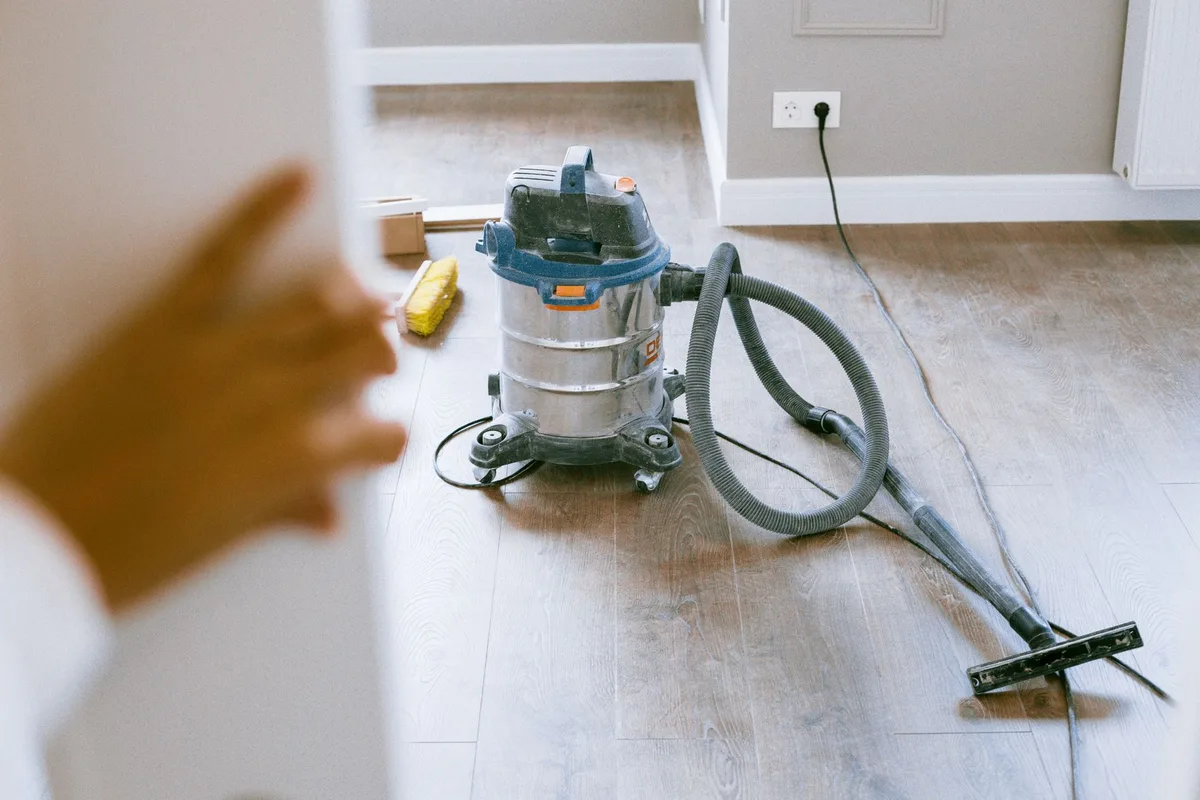
Before we get into the "what" or "where," we gotta figure out the "if." Is this vacuum really done for, or is it just having a bad day? Your approach hinges on its current condition.
- Is it completely kaput? Think sparks, smoke, a motor sound like a dying walrus, or absolutely zero power. If it's truly fried, repair is usually out of the question.
- Is it just underperforming? Like, it's losing suction, making weird noises, or something basic is broken (like a wheel or a latch)? This is where things get interesting.
- What's the model? Some older vacuums were built with robust components, and manufacturer specifications often highlight durability. For example, some models from the early 2000s were known for their metallic internal parts compared to newer plastic ones.
Your answers here will steer us toward the best next step, determining if it's a repair job, a donation candidate, or ready for responsible recycling.
Option 1: Give It New Life: Repairing Your Vacuum
When a vacuum cleaner isn't performing as it should, repair can be a highly practical and cost-effective solution. Keeping appliances in working order not only saves you money but also reduces the strain on landfills. Aggregate reviews suggest that minor repairs can extend a vacuum's functional life by several years.
When to Consider Repairing
You should consider repair if the issues are localized and manageable. This typically involves problems that don't stem from major electrical or motor failure. If the vacuum still powers on but lacks suction, or if a physical component is damaged, repair is often viable.
Simple Fixes You Can Tackle
Many common vacuum problems can be addressed with basic DIY actions. Blockages are a frequent culprit for lost suction. Check the wand, hose, and brush roll for obstructions. Worn-out vacuum belts are another common issue; manufacturer specifications often detail belt replacement, a task usually achievable with minimal tools.
You can often find replacement belts and filters for specific models directly from the manufacturer's website. For instance, a standard V-belt for a Hoover upright might cost under $10 and take 10 minutes to swap.
When to Call in the Pros
If the problem involves the motor, wiring, or internal electrical components, it might be time to seek professional help. A qualified appliance repair technician can diagnose complex issues. While professional repair costs can vary, they are often significantly less than purchasing a new, high-quality vacuum cleaner. For a complex motor issue, a diagnosis might range from $75 to $150, with repairs adding to that cost.
Option 2: Your Vacuum Finds a New Home: Donate or Sell

If your vacuum cleaner is still functional but you're looking to upgrade or simply declutter, giving it a second life elsewhere is a great option. Many people and organizations can benefit from a working appliance, and it's a responsible way to manage its lifecycle.
Donating Your Working Vacuum
Local charities, thrift stores, and community shelters often accept working household appliances. Organizations like Goodwill or Salvation Army frequently have donation centers. It’s always a good idea to call ahead and confirm that they are accepting vacuum cleaners and to ask about their specific donation guidelines. A functioning vacuum can significantly help a family setting up a new home or a community outreach program.
Selling Your Used Vacuum
Online marketplaces and local classifieds are prime spots for selling used vacuums. Platforms like Facebook Marketplace, Craigslist, or eBay allow you to reach a wide audience. When listing, be honest about the vacuum's condition, including any wear and tear or minor issues. Clear photos and a detailed description of the model and its features will attract potential buyers.
For a three-year-old, moderately used Dyson that originally retailed for $400, you might expect to sell it for $100-$150, depending on its condition.
Option 3: The Responsible Farewell: Recycle or Dispose
When repair isn't feasible and donation isn't an option, responsible disposal is crucial. Electronics, including vacuum cleaners, contain materials that can be hazardous if sent to landfills. E-waste recycling programs are designed to safely process these items, recovering valuable components and preventing environmental contamination.
Finding Local E-Waste Recycling
Many municipalities offer specific electronic waste (e-waste) recycling programs. These can include designated drop-off locations or scheduled collection events. A quick search for "[Your Town/City] e-waste recycling" on a government website will usually provide details on accepted items and drop-off points. For example, the Environmental Protection Agency (EPA) provides resources on how to find local recycling options for electronics.
Retailer & Manufacturer Take-Back Programs
Some retailers that sell appliances and electronics also offer take-back programs for old items, especially when you purchase new ones. It’s worth inquiring at the point of sale. Additionally, some vacuum cleaner manufacturers have their own recycling initiatives. Checking the official manufacturer's website for any sustainability or recycling programs can provide specific guidance.
Information provided by the Association of Home Appliance Manufacturers (AHAM) often details recycling avenues for various appliances.
Checking for Curbside Pickup Options
Several local governments provide curbside pickup services for large items or specific types of waste, including electronics. These services are often scheduled on certain days of the month or year. Your local public works or sanitation department's website will have the most accurate information regarding these options. Adhering to the guidelines, such as placing the item out by a specific time or date, ensures it gets collected properly.
Important Safety Notes When Handling Old Appliances
When you're dealing with any old appliance, especially if you're considering opening it up for repair or even just moving it, safety should be your top priority. Always ensure the appliance is completely unplugged from the power outlet before you begin any work. This prevents accidental electrical shocks, which can be serious.
Also, be aware of potential physical hazards. Older appliances might have sharp edges on broken plastic or metal components. If you're dismantling a vacuum for parts or recycling, wear sturdy gloves to protect your hands from cuts. Internal dust and debris can also be irritants, so consider wearing a dust mask if you'll be working in a confined space or disassembling it thoroughly.
Adhering to basic safety protocols, like those outlined by the Occupational Safety and Health Administration (OSHA) for general tool handling, is always wise.
Option 2: Your Vacuum Finds a New Home: Donate or Sell
If your vacuum cleaner is still functional but you're looking to upgrade or simply declutter, giving it a second life elsewhere is a great option. Many people and organizations can benefit from a working appliance, and it's a responsible way to manage its lifecycle.
Donating Your Working Vacuum
Local charities, thrift stores, and community shelters often accept working household appliances. Organizations like Goodwill or Salvation Army frequently have donation centers. It’s always a good idea to call ahead and confirm that they are accepting vacuum cleaners and to ask about their specific donation guidelines. A functioning vacuum can significantly help a family setting up a new home or a community outreach program.
Selling Your Used Vacuum
Online marketplaces and local classifieds are prime spots for selling used vacuums. Platforms like Facebook Marketplace, Craigslist, or eBay allow you to reach a wide audience. When listing, be honest about the vacuum's condition, including any wear and tear or minor issues. Clear photos and a detailed description of the model and its features will attract potential buyers.
For a three-year-old, moderately used Dyson that originally retailed for $400, you might expect to sell it for $100-$150, depending on its condition.
Option 3: The Responsible Farewell: Recycle or Dispose
When repair isn't feasible and donation isn't an option, responsible disposal is crucial. Electronics, including vacuum cleaners, contain materials that can be hazardous if sent to landfills. E-waste recycling programs are designed to safely process these items, recovering valuable components and preventing environmental contamination.
Finding Local E-Waste Recycling
Many municipalities offer specific electronic waste (e-waste) recycling programs. These can include designated drop-off locations or scheduled collection events. A quick search for "[Your Town/City] e-waste recycling" on a government website will usually provide details on accepted items and drop-off points. For example, the Environmental Protection Agency (EPA) provides resources on how to find local recycling options for electronics.
Retailer & Manufacturer Take-Back Programs
Some retailers that sell appliances and electronics also offer take-back programs for old items, especially when you purchase new ones. It’s worth inquiring at the point of sale. Additionally, some vacuum cleaner manufacturers have their own recycling initiatives. Checking the official manufacturer's website for any sustainability or recycling programs can provide specific guidance.
Information provided by the Association of Home Appliance Manufacturers (AHAM) often details recycling avenues for various appliances.
Checking for Curbside Pickup Options
Several local governments provide curbside pickup services for large items or specific types of waste, including electronics. These services are often scheduled on certain days of the month or year. Your local public works or sanitation department's website will have the most accurate information regarding these options. Adhering to the guidelines, such as placing the item out by a specific time or date, ensures it gets collected properly.
Important Safety Notes When Handling Old Appliances
When you're dealing with any old appliance, especially if you're considering opening it up for repair or even just moving it, safety should be your top priority. Always ensure the appliance is completely unplugged from the power outlet before you begin any work. This prevents accidental electrical shocks, which can be serious.
Also, be aware of potential physical hazards. Older appliances might have sharp edges on broken plastic or metal components. If you're dismantling a vacuum for parts or recycling, wear sturdy gloves to protect your hands from cuts. Internal dust and debris can also be irritants, so consider wearing a dust mask if you'll be working in a confined space or disassembling it thoroughly.
Adhering to basic safety protocols, like those outlined by the Occupational Safety and Health Administration (OSHA) for general tool handling, is always wise.
Troubleshooting Common Vacuum Cleaner Hiccups
Many issues that lead people to consider replacing their vacuum aren't fatal flaws, but rather small problems that can be fixed with a little attention. Understanding these common hiccups can help you decide if repair is worth your time. For instance, lost suction that isn't due to a clog often points to a faulty seal or a worn-out brush roller bearing.
Why is My Vacuum Losing Suction?
If you've experienced a sudden drop in vacuum cleaner suction, it's most likely due to one of three things: a clog in the hose or pathway, a full dust bag or canister, or a damaged seal somewhere in the system. Inspecting the dust bag indicator or emptying the bin is the very first step. If that doesn't help, carefully check all accessible hoses and the brush head for any tangled debris or foreign objects, like stray socks or larger debris that got too close to the intake.
What If My Vacuum Smells Funny?
An unpleasant odor, often described as burning plastic or moldy dust, typically originates from the vacuum's filter or dust bag. Filters can become saturated with fine particles and microscopic organisms, especially if they haven't been cleaned or replaced as per manufacturer recommendations. For models with washable filters, rinsing them thoroughly and allowing them to dry completely can resolve this. For bagged units, a simple bag replacement is usually the fix, and checking the filter at the same time is good practice.
Is a Noisy Vacuum a Death Sentence?
While some noises indicate imminent failure, others are more benign. A rattling sound might mean something is loose internally or a piece of debris is caught in the brush roll. A high-pitched whine could suggest a motor bearing is starting to fail, which is a more serious repair consideration. Always unplug the vacuum before attempting to clear any debris or inspect the brush roll.
If the noise persists after basic checks, it's a strong indicator for professional diagnosis.