What Can I Eat After Teeth Cleaning: Step-by-Step Guide 2026
You've just had your teeth cleaned, and that smooth, fresh feeling is amazing! But now your mouth might be a bit more sensitive than usual, making you wonder about your next meal. Knowing what to eat after teeth cleaning helps preserve that clean feeling and prevents discomfort.
Your dental professional likely gave you some quick pointers. To keep your smile happy and healthy, it’s wise to stick to certain foods and steer clear of others, especially in the first 24 hours. This guide breaks down the best choices based on current dental care standards as of 2026.
Quick Answer
After teeth cleaning, focus on soft, non-acidic foods. Immediately after, sip cool water or enjoy lukewarm, smooth options like yogurt or a simple smoothie. Avoid hot, cold, acidic, spicy, hard, or sticky foods.
This protects sensitive gums during initial healing.
Your Mouth's Post-Cleaning Sensitivity
Getting your teeth professionally cleaned is like a deep refresh for your mouth. Your dental hygienist or dentist removes plaque and tartar buildup, leaving your teeth incredibly smooth. However, this process can sometimes make your gums and teeth a little more sensitive temporarily.
Think of it as your mouth needing a brief recovery period.
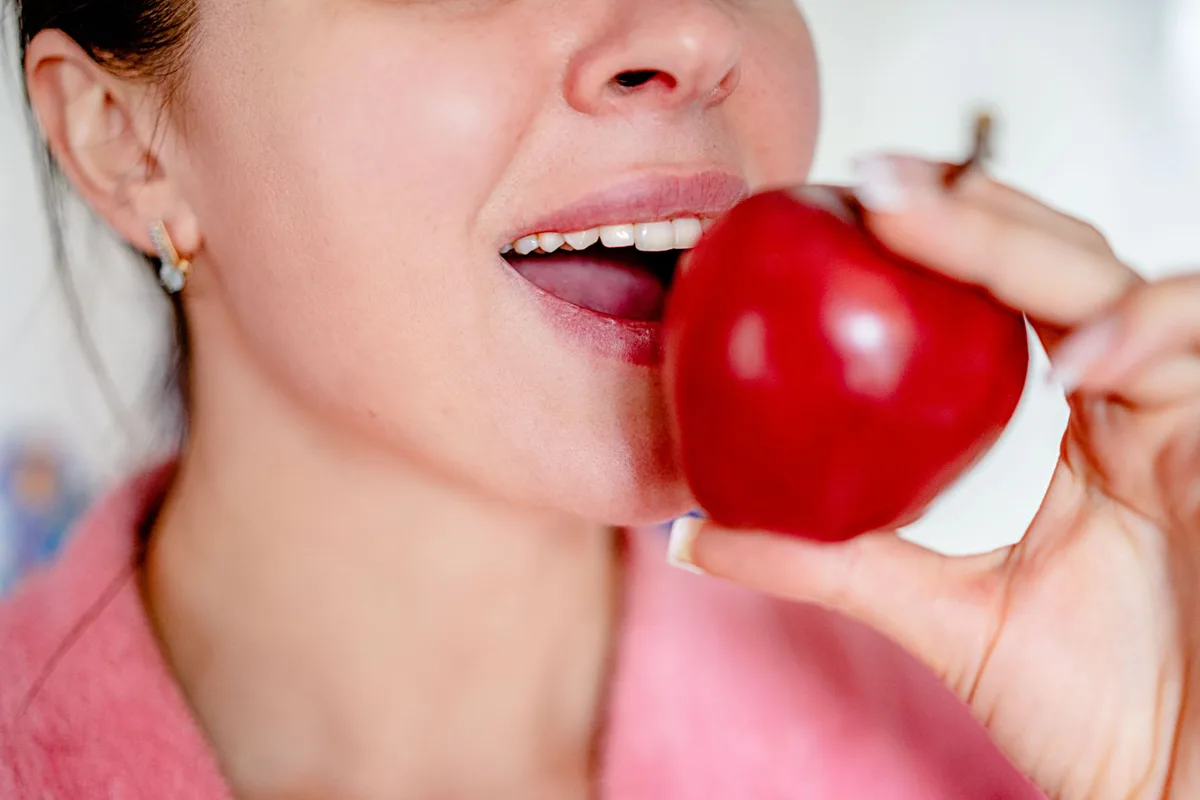
This increased sensitivity is part of the normal biological response and typically subsides within a few hours to a day. The degree of sensitivity can vary based on how much tartar was removed and whether any deeper cleaning procedures, like scaling and root planing, were performed. Adhering to specific dietary recommendations helps ensure a comfortable transition and prolongs the benefits of your cleaning.
Sticking to "Safe Zone" Foods First
Right after your dental appointment, your mouth can feel a bit raw or tender. It’s crucial to choose foods that are easy to eat and won't aggravate sensitive areas. Our research indicates that for the first 2 to 4 hours post-cleaning, sticking to a very limited, gentle menu is ideal.
The goal here is simple: hydration and easy nutrition without added stress on your oral tissues. This also helps prevent any fine abrasions or sensitivity from reacting to more aggressive food types.
Gentle Liquids and Soft Bites
When your mouth is feeling sensitive, reaching for smooth, easy-to-swallow options is your best bet. These foods require minimal chewing and are less likely to irritate your gums or teeth.
- Water: Sip on plain water. It's neutral, hydrating, and helps rinse away any lingering debris without causing irritation.
- Lukewarm Teas: Opt for herbal teas that have cooled down significantly. Avoid hot tea, which can cause sensitivity.
- Smoothies: Prepare smoothies with soft fruits like banana, a base of milk or dairy-free alternative, and perhaps a little honey. Make sure there are no seeds or small, hard pieces.
- Yogurt: Plain or mildly flavored yogurt is an excellent choice. It's smooth, cool, and provides probiotics.
- Soups (Lukewarm): Creamy soups like tomato or vegetable, as long as they are not piping hot, are easy to consume. Avoid chunky varieties where you have to bite.
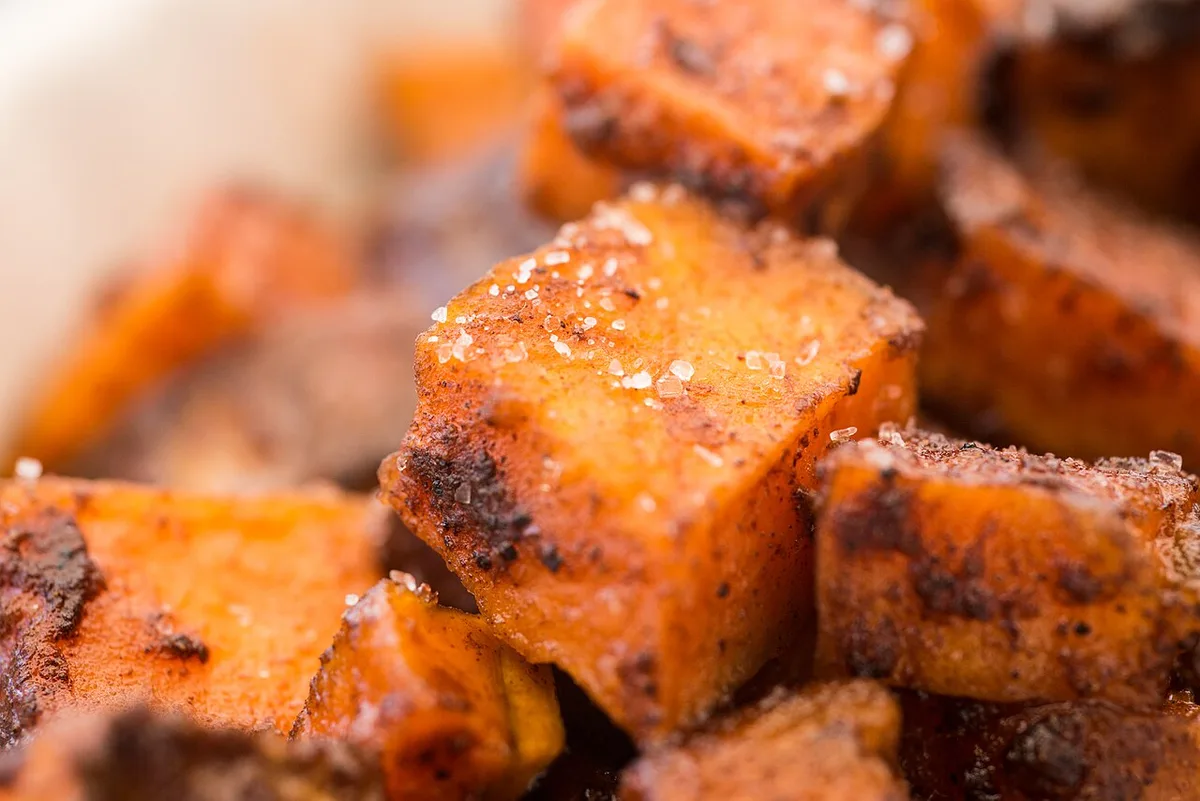
- Mashed Foods: Mashed potatoes, sweet potatoes, or even pureed vegetables offer soft sustenance.
Foods to Hold Off On for Now
There are specific types of food and drink that can cause discomfort or even harm your fresh oral hygiene. Dental professionals generally advise avoiding these for at least a few hours, or sometimes up to 24 hours, post-cleaning.
- Extremely Hot or Cold: Both very hot coffee or soup and icy drinks or desserts can trigger sharp sensitivity in newly cleaned teeth.
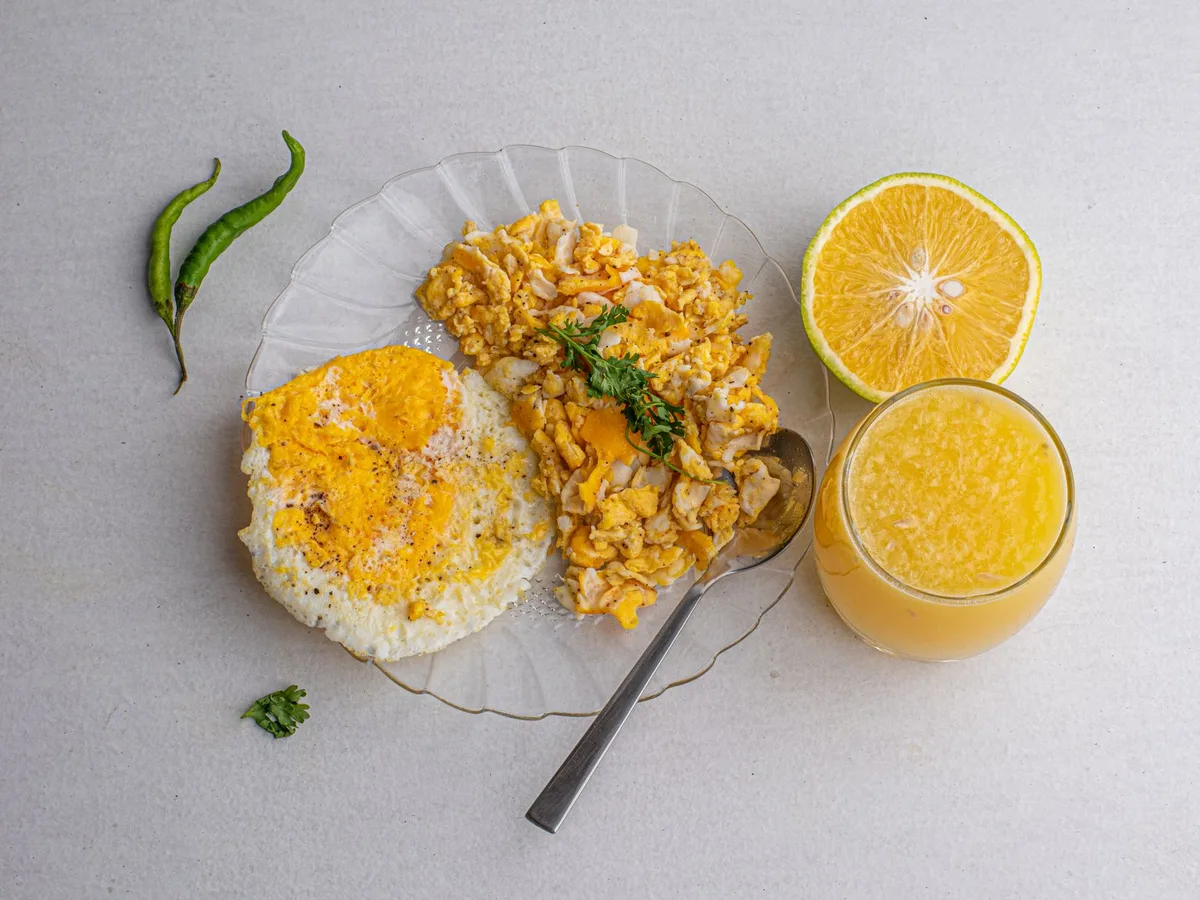
- Acidic Items: Citrus fruits, juices (like orange or grapefruit), tomatoes, and vinegary dressings can sting and potentially affect enamel when it's most vulnerable.
- Spicy Foods: Chili, hot sauce, and heavily spiced dishes can irritate tender gum tissues.
- Crunchy or Hard Textures: Crackers, chips, nuts, hard candies, and raw vegetables require significant biting force and can scrape or poke sensitive areas.
- Sticky Substances: Caramel, taffy, and similar sticky candies can adhere to teeth and pull on gums, causing pain.
- Alcohol and Smoking: These can dry out the mouth and interfere with the natural healing process of the oral cavity.
Reintroducing Foods on Day One
After the initial few hours, once any significant sensitivity has faded, you can gradually begin to reintroduce a wider variety of softer foods into your diet. This phase is about expanding your options while still prioritizing ease of consumption. Think of it as a gentle ramp-up, not a sudden return to hard or chewy items.
This expansion typically begins around the 4- to 12-hour mark post-cleaning, depending on individual experiences. The key is to observe how your mouth feels. If a food item causes any twinge of discomfort, it's best to revert to softer options and try again later.
- Cooked Vegetables: Ensure vegetables are thoroughly cooked until tender. Options like steamed carrots, peas, or well-boiled spinach are excellent choices. Their softened texture makes them easy to manage.
- Soft Grains: Well-cooked pasta, rice, or oatmeal are typically fine. They are bland and easy to chew without putting much strain on your teeth or gums.
- Scrambled Eggs: A fantastic source of protein, scrambled eggs are soft and easily digestible. They require very little chewing effort.
- Flaky Fish: Baked or steamed white fish, such as cod or tilapia, is tender and breaks apart easily. This makes it a good option for a more substantial meal.
- Soft Breads: Plain, soft bread without nuts or seeds can be included. Avoid crusty rolls or dense whole-grain breads.
When You Can Get Back to Normal Eating
For most people, by the 24-hour mark, your teeth and gums should have settled considerably. You'll likely notice a significant reduction in any sensitivity you experienced immediately after your cleaning. At this point, you can generally resume your regular eating habits without major restrictions.
However, it's always wise to listen to your body. If you still feel some lingering tenderness or a specific food triggers a slight discomfort, it’s okay to wait a little longer. The primary goal is to enjoy your newly cleaned smile without any unnecessary oral pain.
Your dentist might provide specific instructions if your cleaning involved more intensive procedures, such as periodontal treatments. Such cases might require a longer period of dietary caution. Following official dental guidelines, which often recommend returning to normal after 24 hours unless otherwise specified, is a sound approach.
Expert Tips for Lasting Freshness
Maintaining that "just professionally cleaned" feeling goes beyond just your immediate post-cleaning diet. Incorporating good oral hygiene habits and thoughtful food choices into your daily routine can help prolong the results and keep your smile healthy.
Here are some actionable tips to build on the benefits of your cleaning:
- Brush Gently: Continue brushing twice a day with a soft-bristled toothbrush. Use a gentle, circular motion, focusing on cleaning along the gum line without applying excessive pressure.
- Floss Daily: Flossing removes plaque and food particles from between teeth and under the gumline where your toothbrush can't reach. Be mindful of your technique to avoid irritating your gums.
- Rinse Wisely: After brushing, consider using an antimicrobial mouthwash, but avoid those containing alcohol if you have lingering sensitivity. A simple warm salt water rinse (half a teaspoon of salt in a glass of warm water) can also be soothing for gums.
- Stay Hydrated: Drinking plenty of water throughout the day helps to wash away food particles and bacteria, promoting a cleaner oral environment and aiding in saliva production, which naturally cleanses the mouth.
Common Mistakes to Sidestep After Your Cleaning
While most people follow basic post-cleaning advice, a few common missteps can undo some of the benefits or cause unnecessary discomfort. Being aware of these can help you avoid them and ensure your dental work pays off.
- Ignoring Lingering Sensitivity: Some individuals might feel mild sensitivity for a day or two. Pushing through this by eating hard or acidic foods can worsen irritation. If it persists beyond 48 hours, it's worth checking in with your dentist.
- Overlooking Oral Hygiene: It’s tempting to relax on brushing and flossing once the initial sensitivity is gone, but this is when consistent habits are most important. Plaque can start to reform relatively quickly, diminishing the effects of your cleaning.
- Skipping Regular Check-ups: Dental cleanings are typically recommended every six months. Missing these appointments allows plaque and tartar to build up again, negating the benefits of the last one and potentially leading to more significant issues.
- Reverting to Unhealthy Habits Too Soon: Jumping back to a diet high in sugary drinks or acidic snacks right away can counteract the deep clean. Gradually reintroducing these items is a safer approach.