What Can You Eat After a Deep Cleaning: Explained Simply
You've just had a deep dental cleaning, and now your mouth feels fresh and healthy, but also a bit sensitive. It's common to wonder what foods are best to enjoy during this recovery period. The right dietary choices can really help your gums heal faster and keep you comfortable.
As of 2026, dentists widely recommend specific food types to support oral tissue repair and minimize irritation post-procedure.
Following these guidelines helps ensure your mouth stays healthy and free from discomfort. Understanding what to eat and what to avoid is crucial for a smooth recovery. Our research indicates that patients who carefully manage their diet experience significantly less post-cleaning sensitivity.
Quick Answer
After a deep cleaning, you can eat soft, lukewarm foods. Focus on items like yogurt, pudding, and mashed potatoes. Avoid crunchy, spicy, or very hot/cold foods.
These choices promote gum healing and reduce sensitivity.
Understanding Your Mouth After a Deep Cleaning
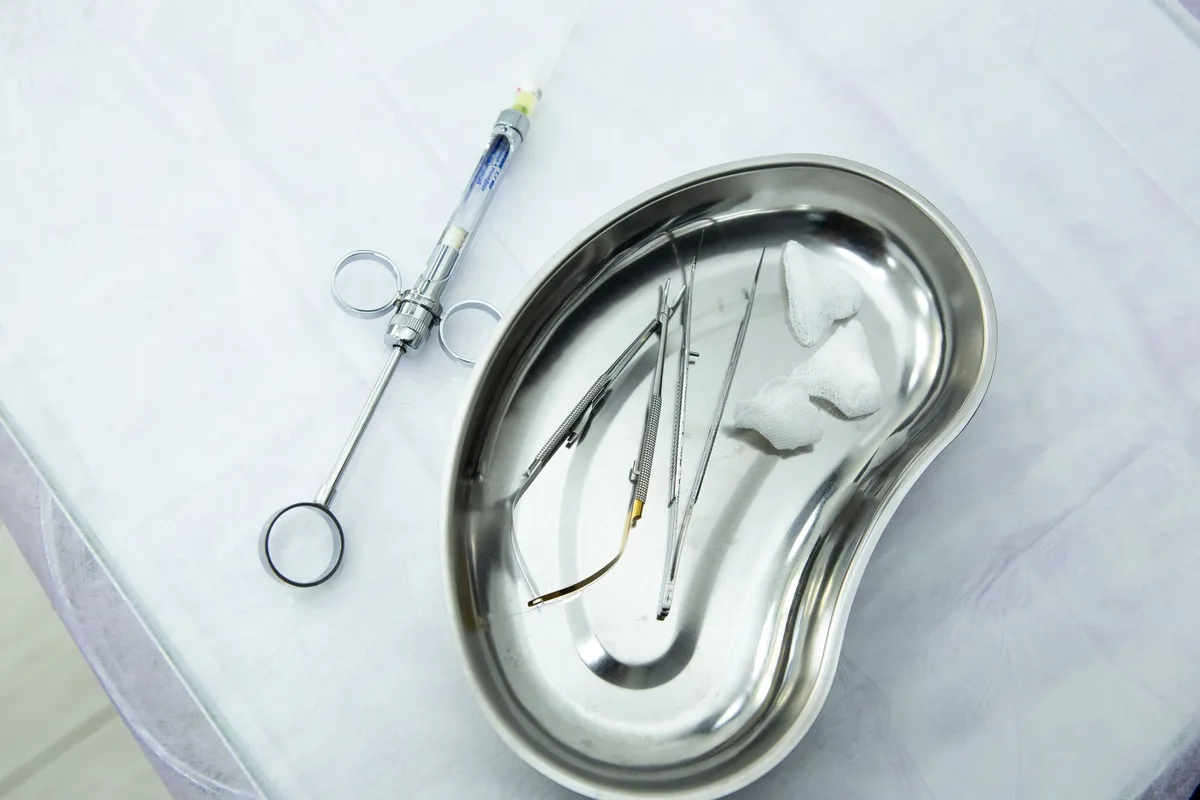
A deep dental cleaning, also known as scaling and root planing, is a more intensive procedure than a regular cleaning. It's designed to remove plaque and tartar buildup below the gum line and smooth out tooth roots. This process can leave your gums feeling tender and your teeth temporarily more sensitive to temperature and pressure.
The goal is to allow your gum tissue to heal and reattach without further irritation. For the first 24-48 hours, and sometimes longer depending on individual sensitivity, it's best to stick to a diet that won't aggravate your mouth. This means opting for foods that are gentle, easy to chew, and don't pose a risk of sticking or causing pain.
Foods for Gentle Healing
When it comes to what you can eat after a deep cleaning, the keyword is "gentle." Soft, smooth, and lukewarm foods are your best friends. These items require minimal chewing and are less likely to irritate your newly cleaned gum tissue.
Think of textures that glide down easily, like a perfectly ripe banana or a creamy soup. These choices provide nourishment without demanding too much from your recovering mouth.
Dairy Delights:
- Yogurt (plain or with soft, blended fruits, avoid seeds!)
- Pudding
- Custard
- Smooth ice cream or sorbet (ensure it's not too cold for comfort)
Smooth Operators:
- Smoothies made with soft fruits (like berries, banana, mango), yogurt, or milk. Make sure there are no seeds or hard bits in your smoothie blend.
- Applesauce
Comfort Carbs:
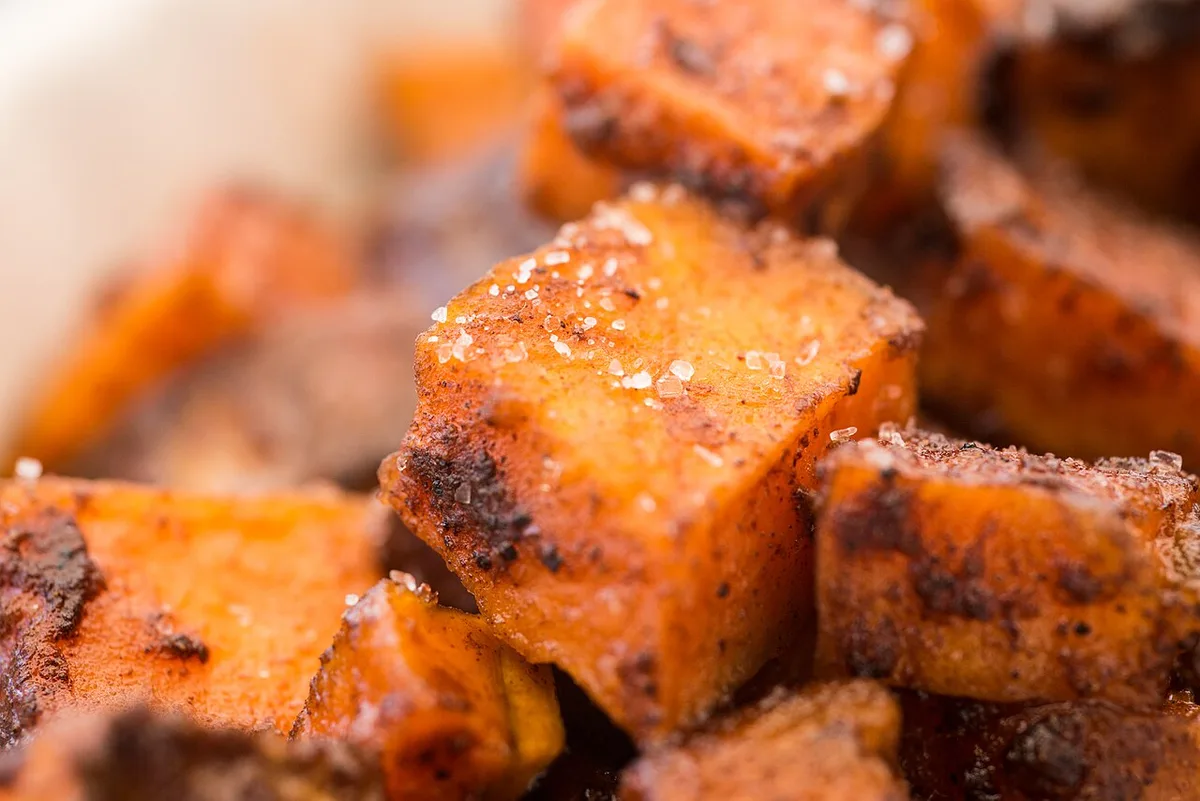
- Mashed potatoes or sweet potatoes
- Oatmeal or other finely cooked, soft cereals
- Well-cooked pasta (avoiding al dente)
Gentle Proteins:
- Scrambled eggs
- Tofu
Foods to Avoid for a Smooth Recovery
Just as important as knowing what to eat is knowing what to steer clear of. Certain foods and drinks can cause significant discomfort, delay healing, or even damage your gums and teeth after a deep cleaning. The key is to avoid anything that requires hard chewing, is sticky, or can get lodged in sensitive areas.
Think of your mouth as needing a shield from anything sharp, hard, or excessively textured. This proactive avoidance can save you a lot of pain and ensure your healing process is as smooth as possible.
Crunchy Chompers:
- Chips, pretzels, crackers
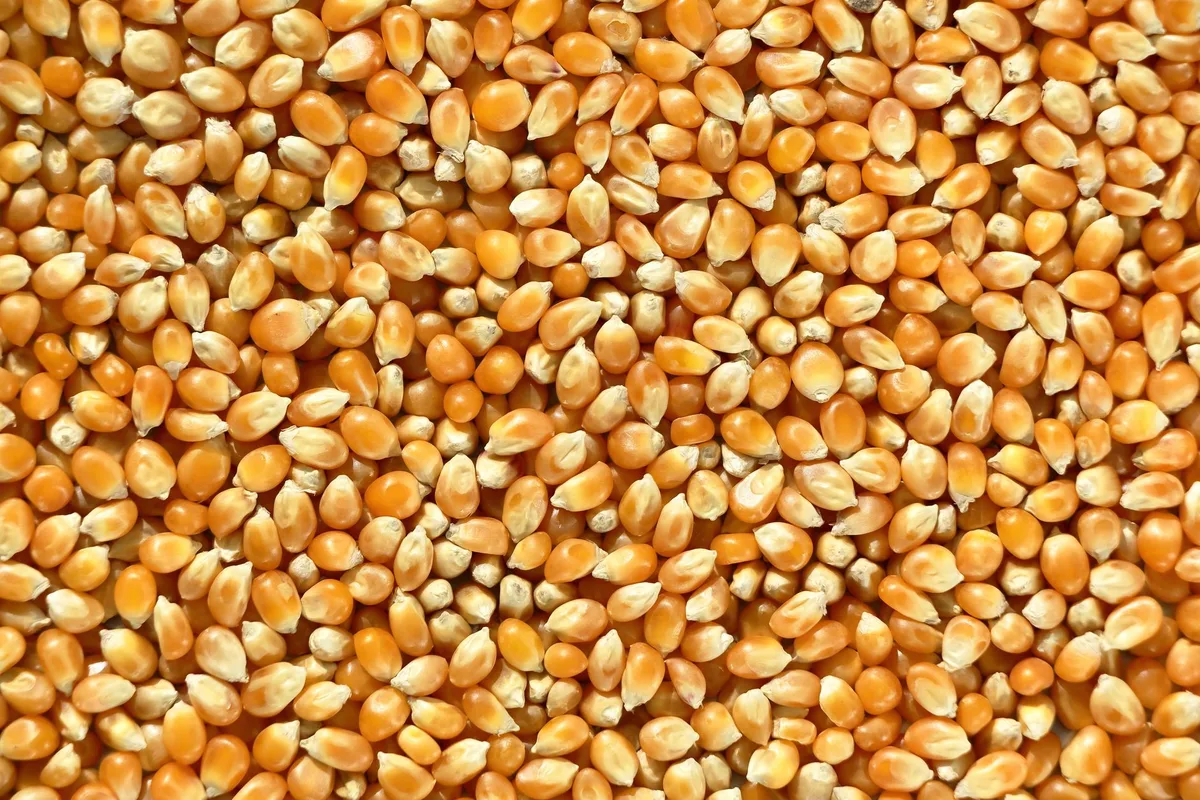
- Popcorn
- Nuts and seeds
- Granola
- Raw fruits and vegetables with skins or firm textures (e.g., apples, carrots)
- Hard crusty bread
Sticky Situations:
- Caramels, taffy, chewy candies
- Dried fruits (raisins, apricots)
- Peanut butter (can be very sticky)
Temperature Extremes:
- Very hot beverages (coffee, tea, soup)
- Ice-cold drinks or foods (ice cream, popsicles)
Spicy & Acidic Agitators:
- Hot sauces, chili peppers
- Citrus fruits (oranges, lemons, grapefruit) and their juices
- Tomatoes and tomato-based products
The Temperature Trap: Why Lukewarm Matters
Your gums and teeth might feel extra sensitive after a deep cleaning, and temperature extremes can really amplify this discomfort. Think of it like touching a sore spot, even a slight temperature change can cause a jarring sensation. Hot foods can irritate tender gum tissue, potentially leading to inflammation or increased pain.
On the flip side, ice-cold foods or drinks can cause sharp, shooting pain in your teeth if the roots or sensitive areas are exposed. This sensitivity is often temporary, but it's best to avoid shocking your mouth while it's healing.
Instead of going for the extremes, aim for lukewarm, room temperature, or slightly cool (but not icy) options. This gentle approach helps maintain comfort and supports the healing process without causing unnecessary irritation. When in doubt, always err on the side of caution and choose a temperature that feels soothing, not startling.
Texture Tips: Softness is Key
The texture of your food plays a massive role in how comfortable eating will be after your deep dental cleaning. Foods with hard, sharp, or chewy textures can snag on healing gum tissue, require forceful chewing, or break into small, irritating particles that get stuck. This is why a diet rich in soft and smooth textures is highly recommended.
When you choose soft foods, you minimize the work your teeth and gums have to do. This allows the tissue to rest and focus on repairing itself without the constant challenge of breaking down tough or stringy foods.
- Effortless Eating: Foods that require little to no chewing are ideal.
- Smooth Sailing: Pureed, blended, or very finely mashed foods are easiest to swallow and digest.
- Avoid the Stick: Sticky textures cling to teeth and gums, making them hard to remove and potentially pulling at healing areas.
- No Tiny Traps: Small, hard bits like seeds or popcorn kernels can easily get lodged in the pockets between your teeth and gums, causing irritation and making cleaning difficult.
Gentle Swishing: Hydration and Rinsing Tips
Staying hydrated is always important for overall health, but it's particularly beneficial after a deep cleaning. Drinking plenty of plain water helps keep your mouth moist and can gently rinse away any food debris that might linger. This is a much kinder alternative to vigorous swishing, which can sometimes irritate tender gums.
- Sip, Don't Swish Vigorously: Take small, gentle sips of water throughout the day.
- Avoid Mouthwash (Initially): Most dentists advise against using mouthwash for the first 24-48 hours after a deep cleaning because some formulations can be harsh or contain alcohol, which can sting. Always follow your dentist's specific instructions regarding mouthwash use.
- Warm Water Rinse: If your dentist recommends it, a gentle rinse with lukewarm salt water can sometimes help soothe gums and promote healing. Mix about half a teaspoon of salt in a cup of lukewarm water and swish gently.
The focus here is on maintaining a clean oral environment without introducing any additional trauma. Water is your best bet for simple rinsing.