What Is Apc Cleaner: Best Honest Revies 2026
Ever looked at a car's interior and wondered how to tackle everything from dusty dashboards to grubby floor mats with just one product? That's where the magic of an All-Purpose Cleaner, or APC, comes in. It's designed to cut through the everyday grime on most surfaces you'll find inside a vehicle.
Our research shows that a good APC cleaner can simplify your cleaning routine significantly. For instance, according to many manufacturer specifications as of 2026, a properly diluted APC can be effective on materials ranging from plastics to fabrics, often with a recommended dilution ratio around 1:10 for general use.
Quick Answer
APC stands for All-Purpose Cleaner. It's a versatile cleaning solution designed for multiple surfaces in car interiors, like plastic, vinyl, and fabric. It effectively removes dirt, dust, and light grime.
It's not for heavy-duty tasks but simplifies cleaning by reducing the need for specialized products.
APC Cleaner: The All-Purpose Definition
At its heart, an All-Purpose Cleaner (APC) is formulated to be a jack-of-all-trades for cleaning. The "all-purpose" moniker isn't just marketing; it means the cleaner's chemical makeup is balanced to safely and effectively break down common types of dirt, dust, oils, and other contaminants found on a variety of materials. It's about convenience and efficiency, allowing you to clean multiple parts of a space without switching back and forth between highly specialized cleaners.
Think of it as the reliable multi-tool in your cleaning arsenal.
All-Purpose Cleaner: What That Means
What "all-purpose" signifies is a careful formulation. Developers aim for a pH that's neither too acidic nor too alkaline, making it generally safe for a broad spectrum of common materials. This means it can tackle light grease on a dashboard, remove dusty build-up on door panels, and even lift minor spills from upholstery, all without damaging the underlying surface when used as directed.
It’s the cleaner you reach for when you have a mix of materials and don't want to overcomplicate the job.
Where APCs Shine: Car Interiors and Beyond
While APCs are fantastic for car interiors, their utility extends further. You'll find them useful around the house for cleaning plastic trim on appliances, wiping down children's play areas, or tidying up surfaces in a workshop. Its multi-surface capability means you can transition from cleaning a kitchen cabinet to a plastic chair without changing products.
This reduces clutter and makes quick clean-ups much easier. However, their popularity in automotive detailing is huge. Car interiors present a unique challenge with their diverse materials, hard plastics, textured vinyl, soft fabrics, and sometimes even leather, all in close proximity.
An APC is engineered to handle this variety without the harshness of industrial degreasers or the specialized softening agents of dedicated leather cleaners.
APC Cleaner vs. Other Cleaners: Knowing the Difference
Understanding what APC cleaner is also means understanding what it isn't and how it differs from more specialized cleaning agents. This isn't about one being better than the other; it's about choosing the right tool for the specific job. Using the wrong cleaner can lead to poor results, or worse, damage.
APC vs. Glass Cleaner: Clarity vs. Cleaning Power
Glass cleaner is purpose-built for one thing: streak-free clarity on glass and mirrors. Its formulation contains specific solvents and surfactants to break down fingerprints and smudges without leaving residue that catches the light. An APC, while good at general cleaning, often contains builders or other agents that can leave a film on glass, causing streaks or a hazy appearance.
You wouldn't use an APC to clean your car's windows, just as you wouldn't use glass cleaner on your dashboard plastics.
APC vs. Degreasers: Mild Grime vs. Tough Grease
Degreasers are the heavy artillery of the cleaning world, designed to cut through thick, stubborn grease, oil, and tar. They often have a much stronger chemical composition, sometimes alkaline, to saponify (turn into soap) and lift heavy build-up. APCs, on the other hand, are milder.
They're formulated for everyday dirt and grime, not for breaking down caked-on engine oil or industrial grease. While some APCs can handle light grease, a true degreaser is needed for those more challenging tasks.
APC vs. Dedicated Upholstery Shampoos: Fabric Specialists
When it comes to car carpets and fabric seats, an APC can often do a decent job on light dirt. However, dedicated upholstery shampoos are specifically formulated with foaming agents and stain-lifting compounds designed for porous fabrics. These specialized products often offer deeper cleaning and are better at tackling tough stains like coffee, food spills, or pet accidents that an APC might struggle with or only partially address.
Upholstery cleaners are also typically designed to rinse out thoroughly, minimizing the chance of attracting more dirt.
Why an APC Cleaner is a Smart Choice (The Upsides)
The appeal of an APC cleaner lies in its practicality and effectiveness for a wide range of common cleaning needs. It streamlines the process and makes it more accessible for many users.
Versatility and Convenience
This is the biggest win for APCs. Instead of stocking multiple bottles for different surfaces, one for plastic, one for vinyl, one for fabric, you can often rely on a single APC. This is especially beneficial for car enthusiasts or detailers who might not have a huge storage space.
It simplifies the cleaning process; you grab one bottle, one towel, and you can move from the dashboard to the door panels to the seats without thinking too much about product selection. This saves mental effort and time during cleaning sessions.
Effective on Everyday Grime
For the typical dust, light road grime that adheres to interiors, and minor smudges, an APC is more than up to the task. Its formulation is balanced to lift these common contaminants efficiently. It doesn't require the aggressive chemicals of a heavy-duty degreaser or the specialized surfactants of a stain remover.
This means you can achieve a good level of clean for routine maintenance without exposing surfaces to harsh chemicals that could cause degradation over time. The result is a consistently cleaner-looking interior with minimal fuss.
When an APC Cleaner Might Not Be Enough (The Downsides)
While APCs are praised for their versatility, they aren't the perfect solution for every single cleaning scenario. Recognizing their limitations is key to avoiding frustration and potential damage.
Limitations on Tough Stains or Surfaces
An APC is designed for general cleaning. If you're dealing with deeply set stains on fabric, like dried-on mud, grease from mechanical work, or even biological stains, an APC might only lighten the mark. It often lacks the concentrated stain-lifting power or specific enzymatic action found in dedicated upholstery shampoos or spot removers to tackle such issues thoroughly.
Similarly, while some APCs are leather-safe, they might not have the conditioning agents that premium leather cleaners provide, which are crucial for maintaining the material's suppleness and preventing cracking over time.
Potential for Damage if Misused
Despite being "all-purpose," these cleaners aren't universally gentle for every material imaginable. Using an APC that is too concentrated, or on a surface that is exceptionally delicate or sensitive to certain pH levels, can cause damage. For example, some delicate dyes in older fabrics could potentially fade, or certain types of soft-touch plastics could become dull or even slightly pitted with prolonged exposure to a concentrated APC.
It's why testing in an inconspicuous area is always a wise first step before tackling an entire surface.
How to Use APC Cleaner Like a Pro: A Simple Workflow
Getting the best results from an APC cleaner involves a clear process. While it's straightforward, following these steps ensures you clean effectively and safely, maximizing the product's benefits.
Dilution: Getting It Right
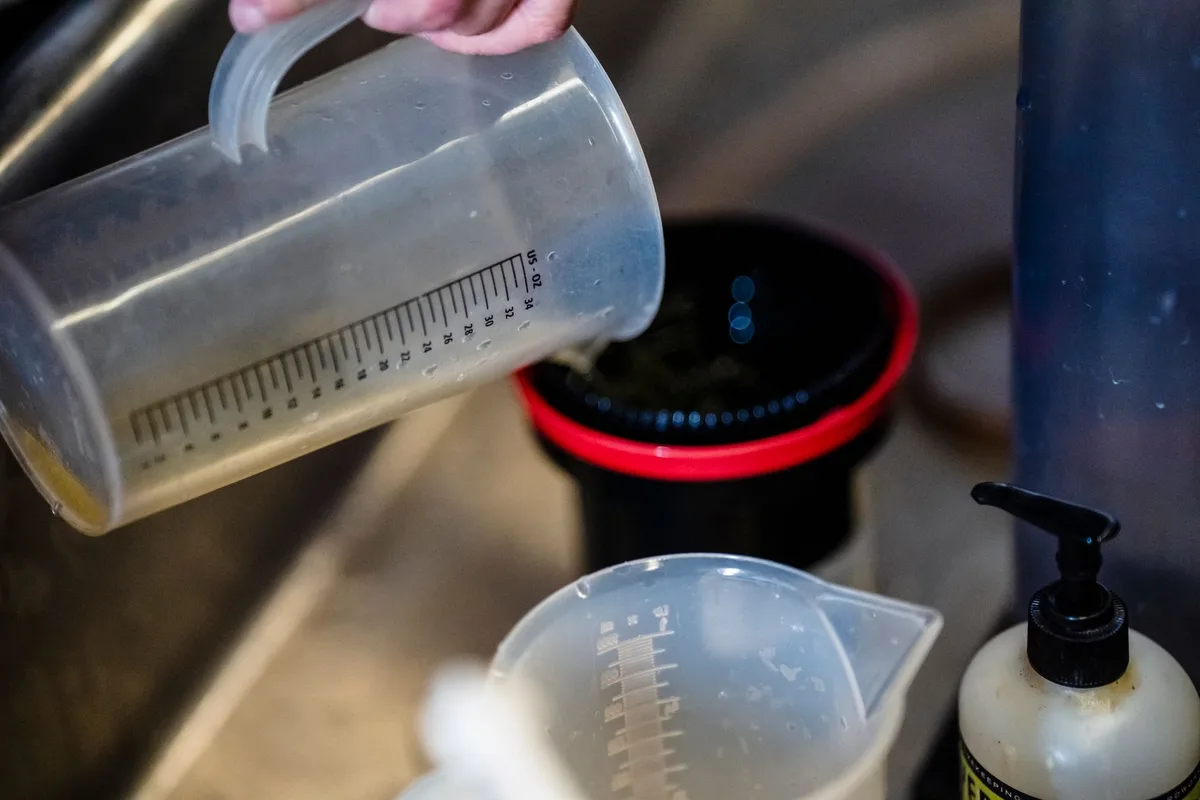
Many APCs come as concentrates, meaning you can adjust their strength by mixing them with water. This is crucial. A common starting point for general interior cleaning is a dilution ratio of 1:10 or 1:20 (one part cleaner to ten or twenty parts water).
For very light dusting, you might go even milder, perhaps 1:50. For tougher grime on durable surfaces, a stronger ratio like 1:4 could be used. Always check the manufacturer's label for recommended dilution ratios for different applications, as these can vary significantly between brands.
Using a spray bottle with clear measurement markings helps ensure accuracy.
Application and Agitation
Once you've prepared your diluted solution, spray it onto a clean microfiber towel. Applying the cleaner to the towel first, rather than directly onto the surface, gives you more control and prevents overspray, especially near sensitive electronics or different material types. Gently wipe the intended surface.
For areas with more ingrained dirt or grime, you might need to use a soft-bristled interior detailing brush to agitate the cleaner, helping to lift the dirt from the pores of the material before wiping.
Wiping and Drying
After you’ve cleaned a section, it's important to remove any residue. Use a separate, clean, and slightly damp microfiber towel to wipe down the surface. This removes any loosened dirt and leftover cleaner.
Finally, follow up with a dry microfiber towel to absorb any remaining moisture. This step is vital, particularly on fabrics and some plastics, to prevent water spots, potential mold growth, or a sticky feel after cleaning. Proper drying ensures a clean, residue-free finish.
Who Needs APC Cleaner? Common Use Cases
An All-Purpose Cleaner (APC) is perfect for anyone looking to simplify their routine and maintain a variety of surfaces effectively. It's not a niche product for extreme specialists, but rather a practical solution for a broad audience.
For Car Detailers and Enthusiasts
Professional detailers and car hobbyists often use APCs as a core part of their interior cleaning process. They appreciate its ability to quickly tackle dashboards, door panels, center consoles, and even floor mats without needing a collection of specialized bottles. This speed and efficiency are crucial when working on multiple vehicles or aiming for a high standard of cleanliness.
They often dilute APCs from concentrates to customize strength for different tasks and vehicles.
For Everyday Home Cleaning
Beyond the garage, APCs are excellent for general household tidiness. Think about cleaning the plastic trim on appliances, wiping down children's play areas, or tidying up the surfaces in a workshop. Its multi-surface capability means you can transition from cleaning a kitchen cabinet to a plastic chair without changing products.
This reduces clutter and makes quick clean-ups much easier.
Common Mistakes to Avoid with APC Cleaners
Even with its "all-purpose" nature, there are a few common missteps that can lead to less-than-ideal results or even damage. Being aware of these pitfalls helps ensure you get the most out of your APC.
Over-Diluting or Not Diluting Enough
Using an APC that is too weak (over-diluted) means it won't effectively lift dirt and grime, leading to frustrating, repetitive wiping. Conversely, using it too strong (under-diluted) can be harsh on surfaces, potentially causing discoloration, dulling of plastics, or even damage to upholstery fibers. Always follow manufacturer dilution recommendations, starting weaker and increasing strength only if necessary.
Using on Inappropriate Surfaces
While versatile, an APC isn't suitable for every surface. For example, never use it directly on unprotected electronics screens, as the chemicals can damage coatings or internal components. Similarly, highly sensitive or porous surfaces like untreated wood, certain natural stones, or delicate historical textiles might require specialized cleaners, not an APC.
Always check the product label for material compatibility.
Skipping the Spot Test
Before applying any cleaner to a large or visible area, it's a best practice to test it on a small, inconspicuous spot first. This is especially true for anything with color, like upholstery or painted trim. Wait for the test area to dry completely to check for any adverse reactions such as color loss, staining, or surface dulling.
This small step can save you from a much larger problem.
Key APC Cleaner Features to Look For
When choosing an APC, a few key attributes will dictate how well it performs for your needs. Focusing on these features helps you select a product that aligns with your expected usage.
Dilutability
A significant feature of many quality APCs is their concentrated nature. This means you can dilute them with water to create cleaning solutions of varying strengths. A dilutable APC is often more economical in the long run, as a single bottle can yield many gallons of cleaning solution.
It also offers greater control over the cleaning power, allowing you to tailor the mixture for delicate surfaces versus tougher grime.
Multi-Surface Compatibility
Look for APCs that explicitly list compatibility with a wide range of materials common in vehicle interiors, such as plastics, vinyl, rubber, and fabric or carpet. This ensures you can use the product confidently across different areas of your car. Some APCs may also be formulated to be safe on painted surfaces or exterior trim, further increasing their utility.
Always verify what materials the manufacturer states are safe to clean.