What Happens If You Leave Drain Cleaner in Too Long in 2026
You’ve poured that potent chemical down the drain, hoping for a miracle, and then… you forgot. Or maybe it just didn’t seem to work, so you left it sitting there longer than the instructions allowed. It’s a common scenario, and it raises a valid concern: what are the actual consequences of leaving drain cleaner in your pipes for too long?
In our research, we found that while drain cleaners are effective tools for clearing clogs, exceeding their recommended contact time can lead to a range of plumbing problems. Manufacturer specifications, like those from the Consumer Brands Association, typically advise a maximum contact time of 15 to 30 minutes, after which the drain must be thoroughly flushed. This ensures the chemicals do their job without damaging the pipes they're meant to clean.
Quick Answer
Leaving drain cleaner in too long can damage your pipes. The corrosive chemicals can weaken metal pipes and degrade plastic ones. You might see leaks or brittleness develop.
Always follow the product's time limit. Flush immediately if you miss the deadline.
The Chemical's Job (and the Problem When It Lingers)
Drain cleaners work by chemically breaking down organic matter like hair, grease, and soap scum. They typically contain strong lye (sodium hydroxide) or acid-based compounds that are highly reactive. Their effectiveness is directly tied to controlled contact time.
When the cleaner is left in beyond the recommended duration, its aggressive nature doesn’t simply switch off. Instead, it can continue to react with the pipe material itself, especially if it can't break down the clog effectively. This prolonged exposure is the root cause of the potential damage.
Pipe Materials and Chemical Reactions
The impact of prolonged drain cleaner exposure heavily depends on the material of your pipes. Modern homes often use PVC (polyvinyl chloride) or ABS (acrylonitrile butadiene styrene) plastic pipes, which are generally resistant to normal drain cleaner use. Older homes might still have galvanized steel or copper pipes.
Each material reacts differently to concentrated, un-flushed chemicals. Understanding these differences is key to grasping the risks involved. Our research indicates that while plastic pipes offer better resistance, no material is entirely immune to damage from extended chemical contact.
What Kind of Damage Are We Talking About?
When a drain cleaner is left in your plumbing system for an extended period, it can manifest in several ways. These issues range from minor weakening to severe pipe failure, depending on the type of pipe, the cleaner's concentration, and how long it sat. The primary concern is that the chemicals are designed to dissolve organic waste, but they can also affect inorganic materials if given too much time and direct contact.
This is where the real danger to your plumbing lies.
Pipe Corrosion in Metal Plumbing
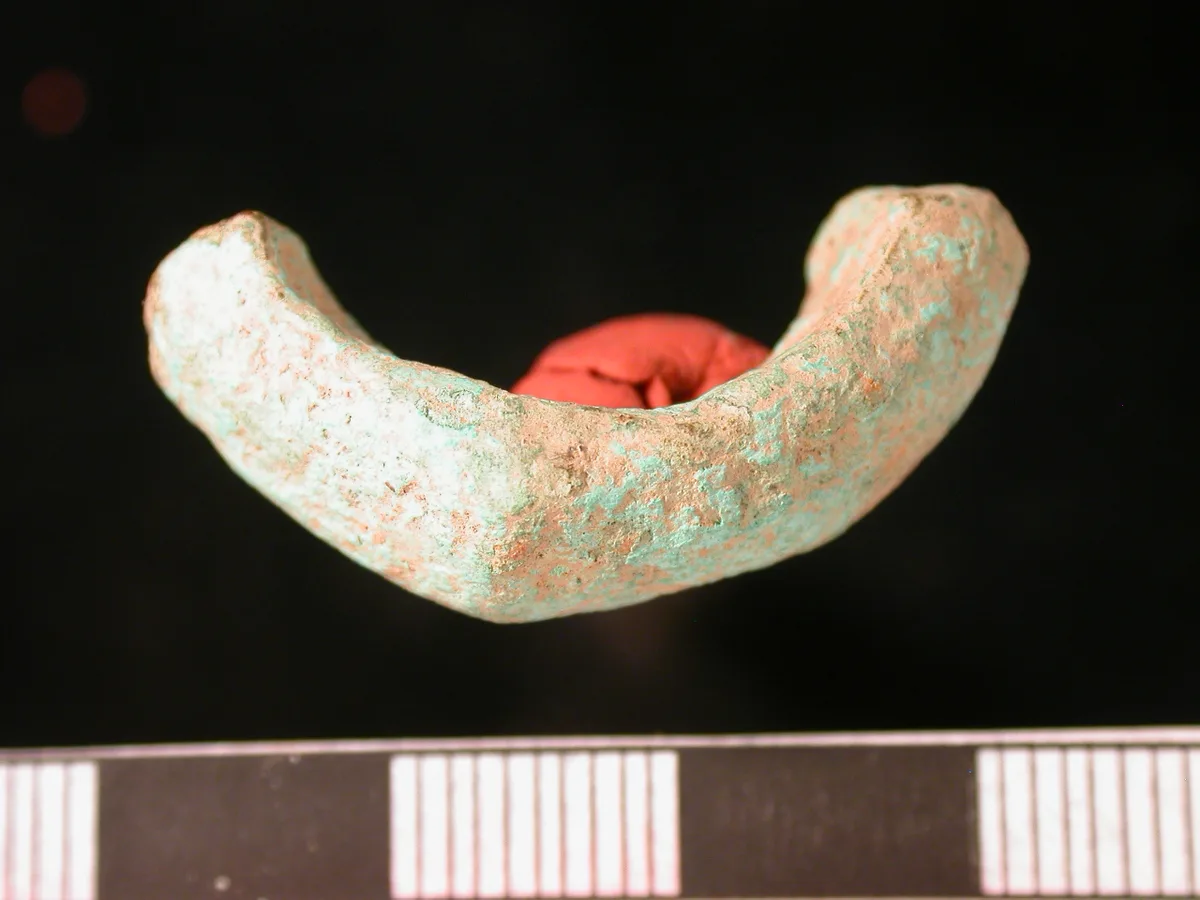
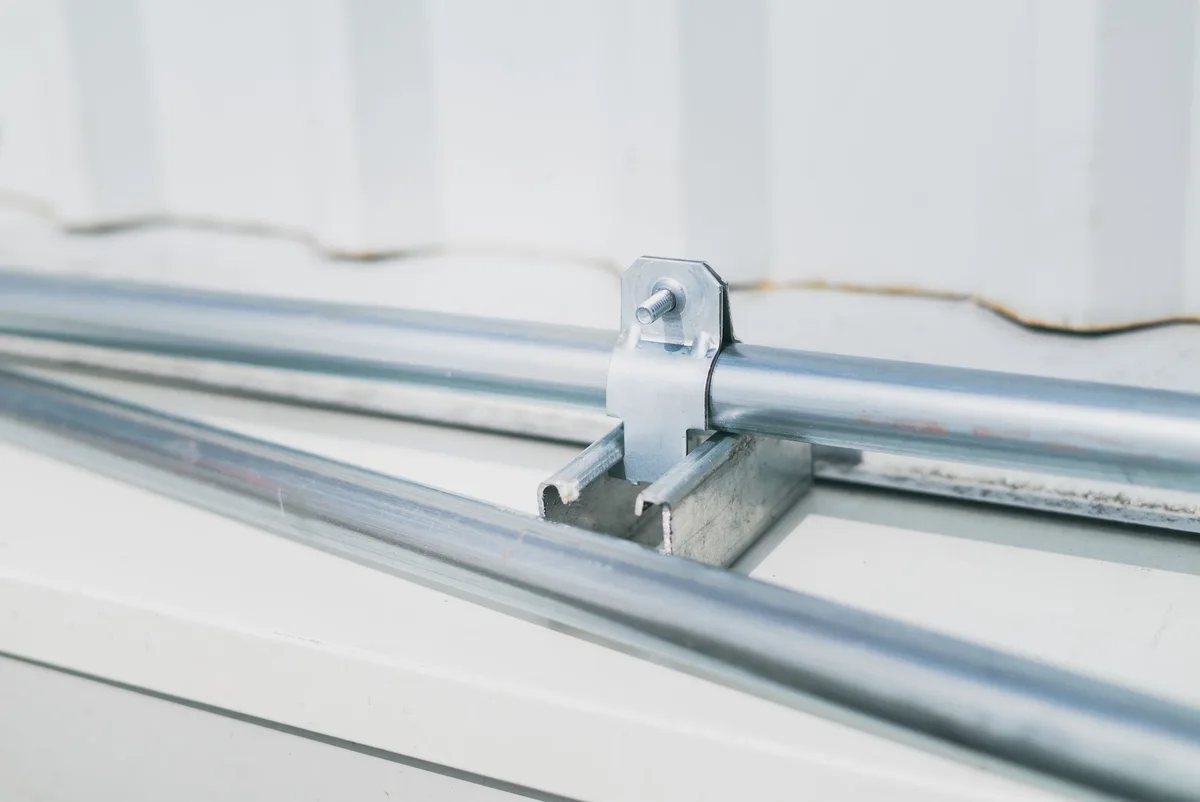
For metal pipes, particularly older ones made from galvanized steel, prolonged contact with strong drain cleaning chemicals can initiate or accelerate corrosion. This process eats away at the metal, creating weak spots and potentially compromising the pipe's structural integrity. Over time, this corrosion can lead to the formation of pinhole leaks or even a significant breach in the pipe, resulting in water damage to your home.
While copper pipes are more resistant, aggressive chemicals can still cause them to pit or degrade if left in contact for too long without flushing.
Plastic Degradation in PVC and ABS
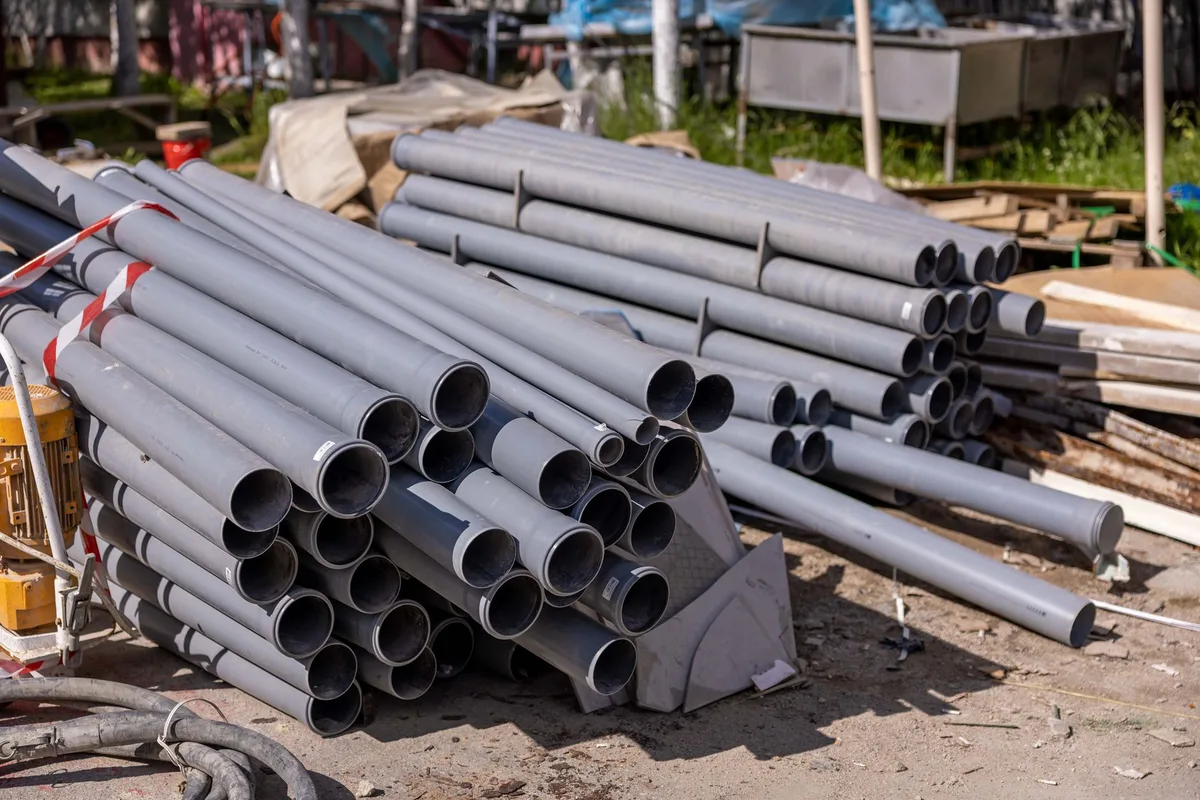
While PVC and ABS plastic pipes are generally more durable and resistant to typical drain cleaner formulations than metal pipes, they are not entirely impervious. Leaving highly concentrated chemicals in plastic pipes for excessive durations can lead to softening, increased brittleness, or a weakening of the pipe's material structure. This degradation can make the pipes more susceptible to cracks or breaks, especially under pressure.
Furthermore, the solvent action of some drain cleaners could potentially damage the solvent-welded joints that hold plastic pipes together, leading to leaks at the connection points.
What to Do Right Now: Take Action
If you’ve realized you've left drain cleaner in for too long, the most crucial step is to act quickly. The goal is to dilute and flush out the remaining chemical as rapidly as possible to minimize any potential damage. Don't delay; the sooner you address it, the better your chances of preventing lasting harm to your plumbing system.
Step 1: Flush Thoroughly with Cold Water
As soon as you catch your mistake, grab a pitcher or bucket of cold water. Pour it directly down the drain. Follow this immediate flush with a steady stream of running cold tap water for at least 5 to 10 minutes.
This helps to dilute the concentrated cleaner and wash it through the pipes, carrying any dissolved residue away from the pipe walls. Avoid using hot water, as it can sometimes accelerate chemical reactions and potentially worsen any ongoing damage.
Step 2: Observe Your Plumbing System for Leaks
After flushing, it’s vital to actively monitor your plumbing for any signs of leaks. This inspection should extend to the areas directly around the drain in question, as well as any visible pipes underneath sinks, in basements, or crawl spaces. Look for:
- Drips
- Moisture or damp spots on pipes or walls
- Puddles forming on the floor or in cabinets
Pay close attention for the next 24-48 hours, as some leaks might be slow to develop.
Step 3: Listen for Unusual Plumbing Sounds
Plumbing systems can sometimes signal damage through sound. Keep an ear out for any new or unusual noises emanating from your pipes after the drain cleaner incident. Creaking, groaning, or a continuous hissing sound could indicate that the metal pipes are corroding or that a plastic joint is under stress.
These sounds, while not always definitive, warrant a closer look.
Step 4: Assess Drain Performance
Check if your drain is now flowing freely. If the clog was partially cleared, you might notice improved drainage. However, if the drain is still slow, completely blocked, or if water is backing up, it's a strong indicator that either the cleaner didn't work as intended or, more concerningly, that damage to the pipe or clog has occurred, impeding flow.
Persistent drainage issues require further investigation.
When to Call a Professional Plumber
If you notice any of the following after leaving drain cleaner in for too long, it's time to pick up the phone and call a qualified plumber.
- Visible leaks from pipes or joints.
- Persistent slow draining or complete blockages.
- Unusual noises from the plumbing system.
- Any damage or discoloration observed on the pipes themselves.
- If you have older, potentially fragile metal plumbing that you're concerned about.
A plumber can perform a thorough inspection, using tools like cameras to see inside your pipes, and diagnose any damage. They can then recommend and perform necessary repairs, preventing a minor issue from escalating into a major plumbing emergency.
Safety First: Avoiding Future Mistakes
The best way to deal with the consequences of leaving drain cleaner in too long is to avoid the situation entirely. Proper use and storage are paramount for these powerful chemicals.
Heeding Manufacturer Time Limits for Drain Cleaners
This is the most critical safety rule. Always read and strictly adhere to the instructions printed on the drain cleaner's packaging. These instructions will specify the maximum time the product should be left in the drain before flushing.
Consumer Brands Association guidelines often emphasize a maximum of 15, 30 minutes for most products. Exceeding this time is where the risk of pipe damage significantly increases. If the clog isn't cleared within the stated time, the product is likely ineffective for that particular blockage, or you need to try a different approach.
Knowing When to Seek Professional Help Instead
Sometimes, a clog is simply too stubborn for over-the-counter drain cleaners. If you've followed the instructions and the drain is still blocked, it's usually more effective and safer to call a professional plumber. They have access to specialized tools like drain snakes, augers, and high-pressure water jetters that can clear even the most difficult clogs without resorting to harsh chemicals, thus protecting your plumbing system from unnecessary chemical exposure.
Expert Tips for Managing Drain Cleaner Use
Using drain cleaner effectively and safely involves more than just pouring it down the sink and walking away. Our research into plumbing maintenance and chemical safety highlights several best practices that can prevent issues like pipe damage. The key is to treat these products with respect for their potency.
Always store them in a cool, dry place, away from children and pets, and ensure the lids are securely fastened after each use.
Consider the type of clog you're dealing with. For minor grease or soap scum buildup, a simple plunger or a mixture of baking soda and vinegar might suffice. If you’re facing a significant obstruction, like matted hair deep in a trap, a mechanical method or professional snake might be more appropriate than a harsh chemical.
Understanding these alternatives can save your plumbing from unnecessary chemical exposure.
Frequently Asked Questions
How long is too long to leave drain cleaner in pipes?
Leaving drain cleaner in pipes for longer than the manufacturer's recommended time, typically 15 to 30 minutes, is considered too long and can cause damage.
Can drain cleaner permanently damage pipes?
Yes, prolonged contact with aggressive drain cleaner chemicals can cause permanent corrosion in metal pipes and degradation in plastic pipes, weakening them and potentially leading to leaks.
What should I do if I accidentally leave drain cleaner in too long?
Immediately flush the drain with cold water for several minutes. Then, monitor the pipes under sinks and around the drain for any signs of leaks or damage over the next 24-48 hours.
Is it safe to use drain cleaner on all types of pipes?
Drain cleaners should be used with caution on all pipe types. While PVC and ABS are more resistant, extended exposure can still cause issues. Older metal pipes are particularly susceptible to corrosion.
When is it better to call a plumber than use drain cleaner?
It's better to call a plumber if the clog is severe, if you have older or unusual pipe materials, or if drain cleaner has not worked within the recommended time. Professional plumbers have safer and more effective methods.