What Happens If You Put Drain Cleaner in Toilet: Quick Guide
Pouring chemical drain cleaner into your toilet is a desperate measure for a frustrating clog, but the consequences can be severe and far-reaching. You might think you're solving a plumbing problem, but you're often creating a chemical hazard that damages your fixtures, your pipes, and potentially your health. This isn't a simple fix; it's a gamble with your home's infrastructure.
This action can lead to dangerous fume buildup, damage to porcelain and PVC, and can be incredibly harmful if it contacts skin or eyes. The Consumer Product Safety Commission (CPSC) warns that many common household chemicals, including those found in drain cleaners, can cause severe injury if misused. Let's break down exactly what goes wrong when drain cleaner meets your toilet.
Quick Answer
Putting drain cleaner in a toilet causes chemical damage and poses serious health risks. It corrodes porcelain, pipes, and seals, leading to leaks. The fumes are hazardous to inhale, and direct contact causes severe burns.
Safer alternatives exist for clogged toilets.
The Immediate Risks of Drain Cleaner in the Toilet
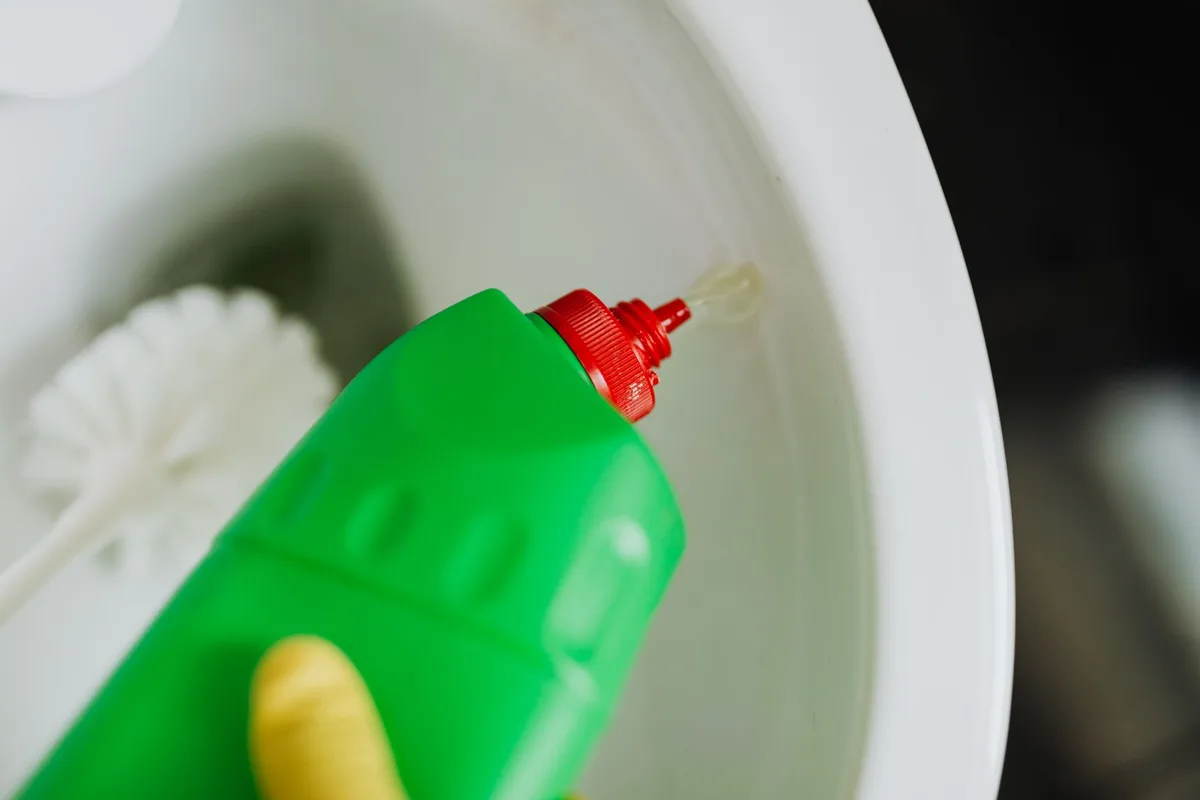
When you pour a chemical drain cleaner into your toilet, you're introducing a concentrated mix of harsh chemicals. Common ingredients include sodium hydroxide (lye) or sulfuric acid, which are designed to break down organic matter like hair and grease. However, toilets aren't typically designed to handle these potent substances.
What's Actually Going In There?
Most liquid drain cleaners contain strong bases, like lye, or strong acids. These chemicals react aggressively with many materials. Unlike a dedicated drain pipe in a sink, a toilet bowl and its trap are often made of glazed porcelain, and the pipes connecting to it can be PVC or even cast iron, each with unique vulnerabilities.
Chemical Reactions: Heat, Fumes, and Damage
The reaction between drain cleaner and water, especially in the confined space of a toilet bowl and trap, can generate significant heat. This exothermic reaction can stress the porcelain, potentially causing cracks or weakening the glaze. More critically, it releases irritating and corrosive fumes.
According to manufacturer Safety Data Sheets (SDS), these fumes can cause respiratory distress and eye irritation. The National Institute for Occupational Safety and Health (NIOSH) advises proper ventilation and personal protective equipment when handling such chemicals.
Why This Is a Terrible Idea: Problems Unleashed
Using drain cleaner in a toilet is one of those DIY "solutions" that sounds like it might work, but consistently ends up causing more problems than it solves. It's like trying to fix a leaky faucet with a hammer, the force isn't matched to the problem.
Assaulting Your Toilet Bowl and Plumbing
The powerful chemicals in drain cleaners are not gentle. The glazed surface of your toilet bowl might seem tough, but repeated or prolonged exposure to caustic substances can pit the porcelain, wear away the glaze, and cause permanent discoloration. This roughens the surface, making future stains more likely.
The pipes themselves are also at risk. PVC pipes can become brittle or even soften under extreme chemical attack, while metal pipes can corrode faster.
The Danger to Your Health: Burns and Fumes
This is where using drain cleaner in a toilet becomes a serious safety hazard. The fumes released can be highly toxic if inhaled in an enclosed space like a bathroom. Symptoms can range from coughing and shortness of breath to chemical pneumonitis.
If splashed on skin or especially eyes, strong acids or bases can cause immediate and severe chemical burns. The American Academy of Ophthalmology advises immediate rinsing with copious amounts of water and seeking medical attention if chemicals contact the eyes.
Messing With Your Septic System (If You Have One)
If your home is connected to a septic system, pouring drain cleaner into the toilet is a particularly bad idea. Septic systems rely on a delicate balance of beneficial bacteria to break down waste. These powerful chemicals kill off those essential microbes, disrupting the entire system's function.
This can lead to backups, foul odors, and expensive repairs to re-establish the bacterial colony. The Environmental Protection Agency (EPA) recommends natural or enzymatic cleaners for septic system maintenance, specifically warning against harsh chemical treatments.
The Grim Reality: Potential Damage Scenarios
Let’s look at the actual, tangible damage that can occur when drain cleaner meets your toilet and its associated plumbing. These aren't theoretical worries; they are common outcomes reported by plumbers and homeowners.
Porcelain Pitting and Discoloration
The glossy finish on your toilet bowl is a protective glaze. Drain cleaners, especially those with high concentrations of lye or sulfuric acid, can etch into this glaze over time. This creates microscopic pores and pits.
Once the glaze is compromised, the porous ceramic underneath is exposed. This makes the toilet much harder to keep clean, as dirt and waste particles can lodge in the damaged areas, leading to persistent staining and discoloration that no amount of scrubbing can remove.
Pipe Corrosion and Material Breakdown
The pipes themselves are also at risk. Drain cleaners work by dissolving organic matter, but they aren't selective. The chemicals can also attack the materials that make up your plumbing:
- PVC Pipes: These are common in modern homes. Strong chemicals can degrade PVC, making it brittle or causing it to soften. This can lead to cracks or even a complete failure of the pipe section over time.
- Metal Pipes: Older homes might have galvanized steel or cast iron pipes. Drain cleaners can accelerate corrosion in these materials, weakening them and increasing the risk of leaks or breaks.
Seal and Gasket Destruction
This is a less obvious but equally problematic consequence. The internal components of a toilet, as well as the wax ring that seals it to the floor flange, are made of materials that can degrade when exposed to potent chemicals. The wax ring, in particular, is vulnerable.
If the cleaner dissolves or breaks down the wax, it can create a seal failure, allowing wastewater to leak from the base of the toilet onto your floor, potentially causing significant water damage to subflooring and ceilings below.
What NOT to Do: Common Mistakes to Avoid
When faced with a stubbornly clogged toilet, it's easy to reach for the strongest solution on the shelf. But a little knowledge goes a long way in preventing a DIY disaster. Over the years, we've seen common mistakes lead to bigger problems.
Assuming It Will Just "Work"
Many people assume drain cleaner is a universal fix for any clog. However, drain cleaners are typically designed for clogs made of organic material like hair or grease in a sink drain. A toilet clog can be caused by solid objects (toys, excessive paper), compacted waste, or even a problem further down the sewer line.
Pouring chemicals into a clog that isn't susceptible to them won't help and will just introduce hazardous materials into your plumbing.
Mixing Cleaners: A Recipe for Disaster
Perhaps the most dangerous mistake people make is using multiple cleaning products in succession or simultaneously. For instance, if a drain cleaner doesn't work, someone might think adding bleach or another cleaner will boost its effectiveness. This is incredibly risky.
Mixing certain chemicals, like bleach and ammonia, or bleach and acids, can create toxic gases that are immediately dangerous to life and health. Always use one product at a time and understand its specific risks before considering another. Consumer Product Safety Commission (CPSC) guidelines strictly warn against mixing cleaning chemicals.
Ignoring Safety Gear
It's tempting to just grab the bottle and pour, especially when you're frustrated. However, the labels on drain cleaner bottles are there for a reason. They will explicitly state the need for gloves and eye protection.
Failing to wear these can lead to severe skin burns or permanent eye damage. Even a small splash can have serious consequences.
Safer Ways to Tackle a Clogged Toilet
Before you ever consider a chemical drain cleaner for your toilet, explore these safer and often more effective methods designed specifically for toilet clogs. These approaches work mechanically rather than chemically, minimizing risk to your plumbing and your health.
The Plunger Power
A good old-fashioned flange plunger is your first line of defense. Make sure it creates a seal. If you have a standard toilet with a hole in the back of the bowl, a flange plunger is ideal as it creates a better seal in the drainpipe.
- Position the plunger to cover the drain hole completely.
- Push down gently to expel air, then pull up sharply to create suction.
- Repeat this plunging action vigorously for about 15-20 seconds.
If water starts to recede, you're making progress!
When a Toilet Auger is Your Best Friend
If plunging doesn't work, a toilet auger (also called a closet auger) is the next best tool. This is a specially designed tool with a coiled metal cable and a protective rubber boot on the end to prevent scratching the porcelain.

- Insert the auger head into the toilet bowl drain.
- Crank the handle to feed the cable into the trap and further down the pipe.
- When you feel resistance, you've likely hit the clog. Rotate the handle to break up the obstruction or hook onto it.
- Gently pull the auger back out, bringing the clog with it or freeing the pipe.
This tool is highly effective for solid obstructions that plungers can't dislodge.
Mild, DIY Cleansers That Don't Destroy Things
For minor issues or to try before resorting to stronger methods, a simple and effective DIY approach involves hot water and dish soap. This is particularly useful if the clog is caused by too much toilet paper.
- Pour a generous amount of liquid dish soap into the toilet bowl.
- Let it sit for 15-20 minutes. The soap acts as a lubricant.
- Pour a bucket of hot, but not boiling, water into the bowl from about waist height. The force and heat can help break down the clog.
- Let it sit for another 20-30 minutes. If the water level has gone down, try flushing.
A combination of baking soda and vinegar is also a popular, though often less effective, alternative for very minor clogs. However, it can still create a vigorous chemical reaction that might not be ideal for all plumbing materials.
When to Call in the Professionals
Sometimes, even with the right tools and a bit of effort, a clog just won't budge. If you've tried plunging and snaking without success, it's time to acknowledge that the problem might be beyond a DIY fix. A professional plumber has specialized equipment and the experience to diagnose and resolve more complex issues.
Recognizing Beyond-DIY Clogs
A clog that keeps re-forming quickly after you clear it might indicate a deeper problem, like a partial blockage further down the line, a buildup in the main sewer line, or even tree roots growing into the pipes. Recurring clogs are a strong signal that something more significant is wrong than just a simple toilet blockage. Ignoring these signs can lead to much bigger, more expensive damage, like sewage backups into your home.
The Plumber's Toolkit vs. Chemicals
Plumbers use heavy-duty drain snakes, high-pressure water jetting equipment, and specialized cameras to inspect pipes. These tools can effectively clear blockages without the risks associated with chemical drain cleaners. They can also identify the root cause of the clog and advise on preventative measures.
As of 2026, hiring a plumber ensures the problem is handled safely and effectively, protecting your plumbing system from further harm.
Important Safety Precautions If You've Already Used It
If you've already poured drain cleaner into your toilet, don't panic, but do act cautiously. Your immediate priority is to mitigate the risks to yourself and your home. This situation requires careful ventilation and protective measures before any further action is taken.
Ventilate, Ventilate, Ventilate!
The fumes released by drain cleaner reactions are hazardous. Open all windows and doors in the bathroom and any adjacent areas to maximize fresh air circulation. If you have an exhaust fan in the bathroom, turn it on.
Allow the area to ventilate for at least several hours, or ideally, overnight. This helps dissipate the dangerous fumes, making the space safer to inhabit and work in.
Personal Protective Equipment is Non-Negotiable
If you must enter the bathroom to ventilate or address the situation, wear appropriate Personal Protective Equipment (PPE). This includes chemical-resistant gloves, eye protection (goggles or a face shield), and a mask if the fumes are still strong. The chemical splash risk is real, and avoiding contact with skin and eyes is paramount to preventing severe burns or irritation.
Handling Neutralization and Cleanup
If the drain cleaner instructions suggest a neutralization step, follow it carefully. Often, this involves using a mixture of baking soda and water, or a specific neutralizing agent recommended by the product manufacturer. Be aware that neutralization can also generate heat or fumes, so continue to ventilate.
Never attempt to flush the toilet if the cleaner is still reacting strongly or if you suspect damage. You may need to carefully remove standing water and residue using a wet/dry vacuum or by bailing, always wearing your PPE. If you're unsure, it's best to consult an SDS for the specific product you used or call a plumber.
What the Experts Warn About
Industry professionals and safety organizations consistently caution against using chemical drain cleaners in toilets. Their advice centers on the incompatibility of these products with toilet components and the inherent dangers they pose.
For instance, the Plumbing-Heating-Cooling Contractors Association (PHCC) regularly publishes advisories detailing the corrosive effects of drain cleaners on plumbing systems. They highlight that while these chemicals might dissolve soft organic clogs in horizontal drain lines, the vertical trap of a toilet and its porcelain bowl present different challenges and risks.
Furthermore, organizations like the National Fire Protection Association (NFPA) provide guidance on chemical safety, underscoring the importance of understanding the specific risks of each product. They emphasize that mixing cleaners, or using them in confined spaces without adequate ventilation, can lead to dangerous or even fatal outcomes. The general consensus from these expert bodies is to exhaust all mechanical and safer, non-chemical methods before even considering harsh chemical solutions, and never in a toilet.