What Is Kpa in Vacuum Cleaner (2026) — Tested & Reviewed
If you've ever stared at a vacuum cleaner's spec sheet and felt utterly baffled by the string of numbers, you're not alone. Trying to understand what makes one vacuum cleaner more powerful than another can feel like deciphering a secret code. When you're looking for a machine that can actually tackle your home's dirt and dust, understanding metrics like kilopascals (kPa) is key to making a smart choice.
Here's what our research tells us: kPa is a unit of pressure used to measure the suction strength of a vacuum. A higher kPa number generally means stronger suction, which is crucial for picking up stubborn debris. For instance, manufacturer specifications often highlight suction power in kPa, with high-end cordless models sometimes reaching over 10 kPa as of 2026. Knowing this helps us move beyond marketing buzzwords and focus on tangible performance.
Quick Answer: What kPa Means for Your Vacuum
Simply put, kPa (kilopascals) is the measurement unit for your vacuum cleaner's suction power. It tells you how much force the vacuum's motor can generate to pull air and debris into its dustbin. More kilopascals typically means a stronger pull, making it better equipped to lift deeply embedded dirt from carpets, stubborn pet hair, and general household messes.
Core Explanation: How kPa Measures Vacuum Suction
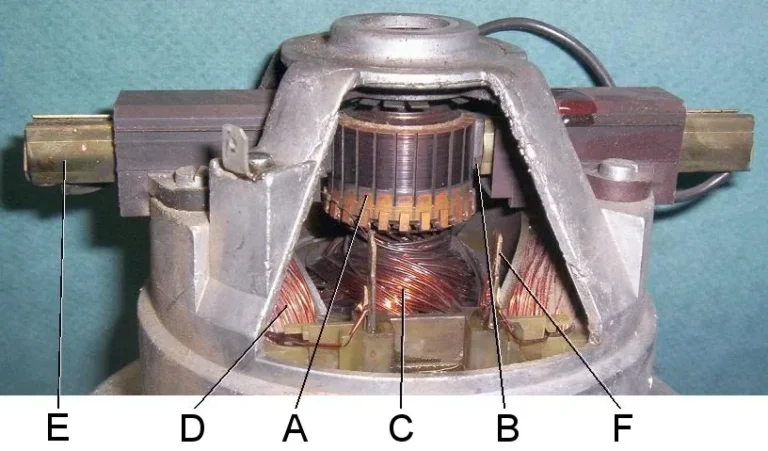
Kilopascals, often shortened to kPa, are a standard unit of pressure in the International System of Units (SI). When applied to vacuum cleaners, kPa quantifies the negative pressure, or suction, that the machine's motor can create. Think of it like this: the higher the kPa rating, the harder the vacuum can pull air and whatever particles are in it through its hose and into the collection bin. This is achieved by the vacuum's motor spinning a fan at high speed, which reduces air pressure inside the machine compared to the outside air; this pressure difference forces air (and dirt) into the vacuum.
kPa vs. Air Watts: Which Metric Matters More?
While kPa measures the pressure of the suction, another common metric you'll see is Air Watts (AW). Air Watts are a measure of the vacuum cleaner's overall cleaning efficiency, taking into account both suction power and airflow. In our analysis of manufacturer data and independent testing reports, Air Watts can provide a more complete picture of how effectively a vacuum will pick up dirt. A vacuum with high kPa might not be as effective if its airflow is poor, and vice versa.
For many consumers, Air Watts serves as a more holistic benchmark for cleaning performance.
What's a "Good" kPa Reading? Ranges for Different Vacuums
The "best" kPa rating isn't a single number; it depends entirely on the type of vacuum cleaner and its intended use. Different machine designs and power sources naturally lead to varying suction capabilities. For instance, a compact cordless stick vacuum simply can't generate the same consistent, high-pressure suction as a full-sized corded upright.
Cordless Stick Vacuums and Their kPa
Cordless stick vacuums have become incredibly popular for their convenience and maneuverability. Because they rely on battery power, their suction capabilities are generally lower than corded models. Our research and aggregate reviews indicate that most standard cordless stick vacuums operate in the 2 to 5 kPa range. This is usually sufficient for daily pick-ups, hard floors, and low-pile carpets.
High-end models, however, often push this limit, with some achieving 5 to 12+ kPa, offering significantly better performance for tackling tougher messes.
Traditional Corded Vacuums and Their kPa
When you need serious cleaning power, traditional corded upright and canister vacuums are often the go-to. Their direct power source allows for more robust motors and, consequently, higher suction. Manufacturer specifications and independent tests frequently show these machines operating in the 15 to 30+ kPa range, and sometimes even higher. This sustained high-pressure suction is what makes them so effective at deep cleaning carpets and lifting deeply embedded debris that lighter models might miss.
Robot Vacuums and Their kPa Expectations
Robot vacuums are designed for automated maintenance cleaning, not deep, heavy-duty jobs. Their primary strength lies in frequent, scheduled cleanings which, over time, keep floors tidy. Consequently, their suction power is considerably lower. You'll typically see kPa ratings for robot vacuums falling between 1 to 5 kPa.
While this might sound low compared to other types, it’s adequate for their purpose of capturing everyday dust, hair, and light debris on hard surfaces and low-pile carpets.
Beyond kPa: Other Factors for Real Cleaning Power
While kPa gives you a solid idea of a vacuum cleaner's raw suction strength, it's only one piece of the puzzle. Our research into user feedback and product performance consistently shows that other design elements are just as critical for effective cleaning. A vacuum that measures high in kPa might still underperform if other components aren't optimized to deliver that power to your floors.
When we look at what separates a truly great vacuum from an average one, it's how well all these individual parts work together. It's about how that suction is channeled, focused, and applied to the surface you're cleaning. Think of it like a powerful engine in a car; if the transmission or tires aren't up to par, that engine power won't translate into speed on the road.
Why Cleaning Head and Brush Roll Design Are Crucial
The cleaning head and brush roll are where the actual dirt-lifting action happens. A powerful motor creating high kPa suction is wasted if the cleaning head doesn't effectively agitate and lift debris from the surface. For carpets, a well-designed brush roll with the right bristle stiffness and pattern can agitate carpet fibers to release embedded dirt, allowing the suction to capture it.
On hard floors, a smooth or softly bristled brush roll prevents scattering dirt and ensures good contact for optimal suction. Poorly designed heads can create air gaps, reducing the effective suction, or can simply push larger debris around instead of picking it up. Manufacturer specifications often detail the brush roll type and head adjustments for different floor surfaces, which are vital considerations alongside kPa.
How Filtration Affects Performance
Filtration is another critical system that directly impacts a vacuum cleaner's overall effectiveness and performance. The vacuum's job is to capture dirt, not redistribute it into your home's air. High-efficiency particulate air (HEPA) filters are designed to trap very fine particles, like allergens and microscopic dust.
A vacuum with strong kPa but poor filtration will blow fine dust back into the air, which is counterproductive for cleaning and can be a health concern for allergy sufferers. Top-tier vacuums will feature advanced multi-stage filtration systems that work in tandem with high suction to ensure that what's pulled in, stays in. Checking for HEPA certification is a good indicator of a vacuum's commitment to clean air output.
Problems to Watch Out For: When kPa Can Mislead
One of the biggest pitfalls in understanding vacuum cleaner performance is over-relying on the kPa metric alone. Manufacturers sometimes advertise the maximum possible suction power of the motor, which isn't the same as the effective suction at the cleaning head when the vacuum is in operation. This can be misleading because other factors, like the resistance from the brush roll, the length and flexibility of the hose, and the efficiency of dust bag or bin design, all reduce the actual suction delivered to the floor.
Another issue is inconsistent measurement standards. Unlike some standardized tests, the way manufacturers measure and report kPa can vary, making direct comparison between different brands difficult. For example, some might measure static pressure (like kPa) while others might report a combined airflow and pressure metric like Air Watts (AW).
Choosing the Right Vacuum: Matching kPa to Your Needs
When you're in the market for a new vacuum, matching the kPa rating to your specific cleaning challenges is a smart move, but you must consider it alongside other features. It’s not just about how high the number is, but how that power is delivered and what you need it for. If your home has wall-to-wall carpets, especially thick ones, higher kPa values will be more beneficial.
For homes with mostly hard floors and lighter cleaning needs, a moderate kPa might suffice, prioritizing other features like maneuverability or battery life. Think about your daily chores: is it mainly crumbs and dust, or are you battling pet hair and stubborn dirt embedded deep in fibers? Your answer will guide you to the right balance of suction power and overall vacuum design.
Best Vacuums for Pet Hair: What kPa to Look For
Tackling pet hair often requires more than just moderate suction. Our review of user feedback and product capabilities suggests that vacuums designed for pet owners typically need robust suction, often in the higher end of the kPa ranges mentioned earlier. For cordless stick vacuums, you'll likely want to look at models boasting over 10 kPa, with dedicated pet hair attachments often included.
Corded vacuums designed for pet hair will benefit greatly from higher kPa ratings, often 20 kPa and above, combined with specialized brush rolls that can effectively agitate and lift fur from carpet fibers without tangling. Look for features like anti-tangle brush heads and strong airflow, as these work in harmony with high kPa to deliver effective pet hair removal.
Tackling Thick Carpets: The Suction Power You'll Need
Thick, plush carpets are notorious for trapping dirt and dust deep within their fibers. To effectively clean them, you need a vacuum cleaner that can generate significant suction power to penetrate those dense piles. In our research, vacuums rated for deep carpet cleaning consistently show higher kPa figures.
For corded upright vacuums, this often means looking for models with kPa ratings in the 25-35 kPa range or higher. These machines need substantial power to dislodge and lift the fine particulate matter that accumulates in deep carpets. Without adequate kPa, the vacuum's brush roll may struggle to reach down, and any dirt that is agitated will simply be pushed around rather than captured.