What Are Air Watts on a Vacuum Cleaner (2026) — Expert Picks
Wondering what exactly are Air Watts on a vacuum cleaner? It's a common question when you're trying to figure out which machine will actually get your floors clean without just making a lot of noise. This metric aims to give you a more complete picture of a vacuum's power than just looking at motor wattage alone.
In our research, we've found that Air Watts measure the vacuum's total cleaning performance, factoring in both how strongly it pulls dirt (suction) and how much air it moves (airflow). According to standards like the ISTA 3A transit testing, a vacuum needs efficient airflow and suction to move debris effectively. As of 2026, manufacturers often list this spec, but there's a catch we'll get into.
Understanding Air Watts: What's the Big Deal?
So, what's the real story behind Air Watts? Think of it as a way to quantify the raw cleaning muscle of a vacuum. It’s not just about how much electricity the motor guzzles, but how that power is translated into actual work done cleaning your floors.
- A Combined Metric: Air Watts take into account both suction power (measured in kilopascals, kPa, or inches of water) and airflow (measured in cubic feet per minute, CFM, or liters per second).
- Performance Indicator: A higher Air Watt number generally suggests a more powerful vacuum capable of lifting more dirt and debris.
Air Watts Explained: More Than Just Suction
Many people hear "power" and immediately think of raw suction. While suction is definitely a key player, it’s only part of the equation for effective cleaning. Air Watts aim to capture this broader picture.
Imagine trying to scoop water with a tiny spoon versus a large bucket. The spoon might have intense focus (high suction), but the bucket can move a lot more volume (high airflow). Air Watts try to account for both aspects.
- Suction: This is the force that pulls dirt from your carpet or floor into the vacuum nozzle.
- Airflow: This is how quickly the air, carrying the dirt, moves through the vacuum's internal system and into the dustbin.
Without good airflow, even strong suction can't pull lightweight debris effectively into the cleaner head. Conversely, if the airflow is unimpeded, it helps carry dust and allergens away efficiently.
Why Don't All Air Watt Numbers Match?
Here's where things can get a bit muddy, and frankly, a little frustrating for shoppers. You'll see Air Watt ratings that seem all over the place, and sometimes, comparing them between different brands feels like comparing apples and oranges. The main reason? There isn't one single, universally enforced standard for how manufacturers measure and report their Air Watts.
The Measurement Maze
Different brands might measure Air Watts at different points in the vacuum's system, yielding different numbers for what might be fundamentally similar machines.
- Motor Inlet: Some measure the Air Watts right where air enters the motor. This often gives a higher number.
- Hose Connection: Others might measure at the point where the hose connects to the main body.
- Cleaner Head: The most practical measurement for consumers would be at the cleaner head itself, where the actual dirt pickup happens. However, this is often the most complex to test and isn't always the reported figure.
- Nozzle Loss: The design and resistance of the vacuum’s hose and wand can significantly reduce the Air Watts measured at the cleaner head compared to the motor's output.
Because of these variations, a 200 Air Watt vacuum from one company might perform very similarly, or even better, than a 250 Air Watt vacuum from another.
Beyond Air Watts: What Else Matters for Cleaning Power?
Given the inconsistencies in Air Watt reporting, it's wise not to put all your faith in that single number alone. Plenty of other factors contribute to how well a vacuum actually cleans your home. Thinking about these will give you a much more realistic picture of a vacuum’s capabilities.
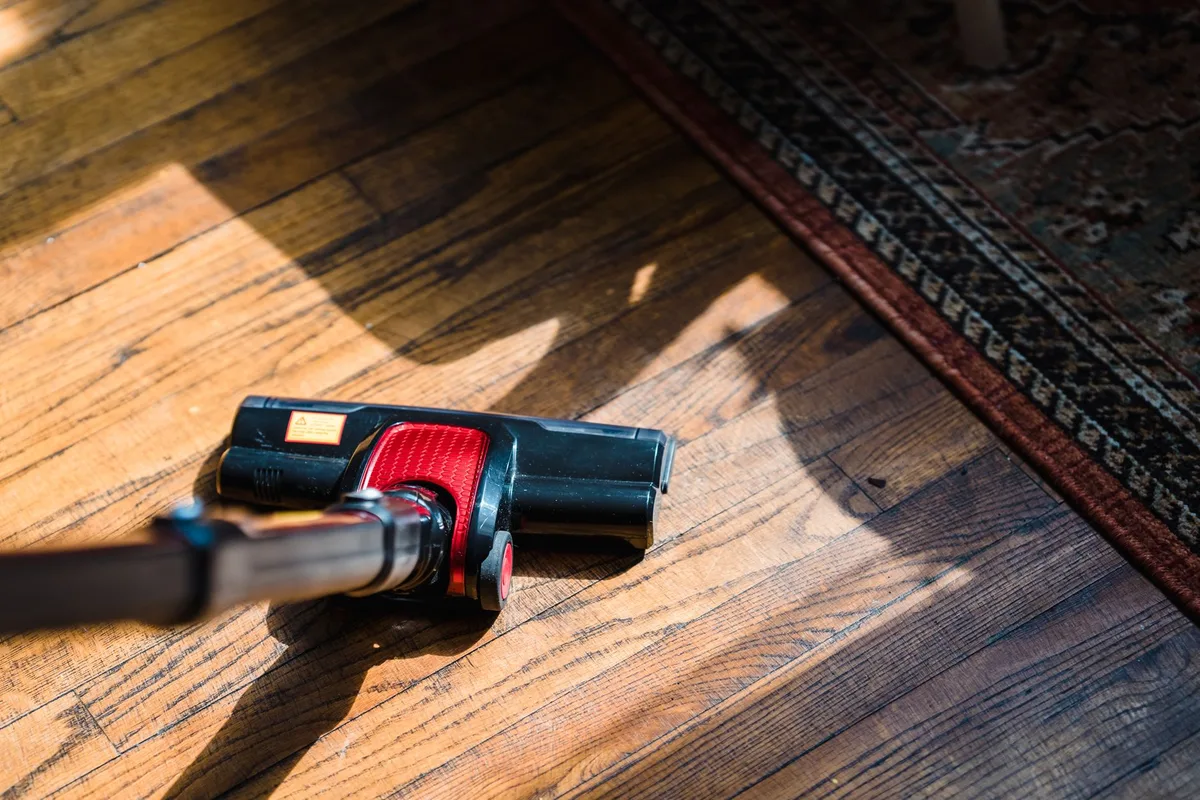
- Effective Cleaner Head Design: This is HUGE. A well-designed cleaner head creates a proper seal with the floor, which is crucial for both suction and airflow. For carpets, it needs to agitate the fibers to loosen dirt, and for hard floors, it needs to prevent dust from scattering. Some heads are specifically engineered for different floor types.
- Brush Roll Performance: For bagged and many bagless models, the brush roll's speed, stiffness, and design play a critical role, especially on carpets, in agitating dirt and lifting it towards the suction path.
Air Watts vs. Other Vacuum Specs
When you're shopping for a vacuum, you'll see a lot of numbers and terms beyond Air Watts. Understanding how they relate can save you from making a choice based on a single, potentially misleading, metric.
- Motor Wattage: This tells you how much electrical power the vacuum motor consumes, not how much cleaning power it delivers. A high wattage motor isn't automatically a good vacuum; it's about efficiency. A 1200-watt motor might be less effective than a 900-watt motor that's better designed.
- Suction Power (kPa or Inches of Water): This is a more direct measure of the vacuum's pulling force. While Air Watts combine suction and airflow, high suction is still a vital component. You might see this listed as "maximum suction power."
- Decibels (dB): This measures how loud the vacuum is. Some powerful vacuums can be quite noisy, so if you have sensitive hearing or live in an apartment, this is a spec worth checking.
- Filtration (HEPA): This relates to what the vacuum releases back into the air, not how much it picks up. A HEPA filter traps 99.97% of particles 0.3 microns in size, essential for allergy sufferers. This is completely separate from Air Watts.
Who Needs to Worry About Air Watts?
So, who should really be paying attention to Air Watts when eyeing up a new vacuum cleaner? If you're just looking for a quick sweep-up tool for daily crumbs, maybe not so much. But if you've got more demanding cleaning needs, those numbers can offer some guidance.
- Pet Owners: If your home is a furry friend's hangout, you know pet hair clings to everything. Vacuums with strong Air Watts and good airflow are often better at lifting stubborn pet hair from carpets and upholstery.
- Allergy Sufferers: While Air Watts measure power, not filtration, a vacuum with good Air Watts combined with a sealed HEPA system can be more effective at trapping allergens and fine dust. This means less re-circulation of irritants.
- Homeowners with Diverse Flooring: Whether you’re dealing with thick shag carpets, delicate hardwood, or a mix of both, the power indicated by Air Watts can suggest how well a vacuum will handle the different demands of each surface.
Avoiding the Air Watt Trap: Common Mistakes
It’s easy to get swayed by big numbers, but there are a few common pitfalls people fall into when relying solely on Air Watts. Being aware of these can save you from buyer's remorse and ensure you pick a vacuum that truly performs.
- Ignoring the Measurement Point: As we touched on, not all Air Watts are created equal because they aren't always measured the same way. A high number measured from the motor inlet might not translate to effective cleaning at the floor head.
- Forgetting About Real-World Performance: A vacuum with seemingly sky-high Air Watts might be terrible on your specific carpet type due to a poor brush head design or a weak seal. Always check reviews for how it actually performs on surfaces similar to yours.
- Overlooking Filtration and Attachments: Air Watts won't help if the vacuum leaks fine dust, or if it doesn't come with the right attachments for cleaning stairs, crevices, or delicate surfaces. These factors are just as critical for overall cleaning satisfaction.
Making Your Choice: Air Watts as Part of the Bigger Picture
Deciding on a vacuum cleaner often feels like a balancing act. Air Watts are just one piece of that very large puzzle. When you're comparing models, try to think beyond that single number and consider how it fits with everything else a vacuum offers.
Consider these questions:
- What kind of debris are you cleaning most often? Fine dust, pet hair, larger crumbs?
- What are your primary floor surfaces? Deep pile carpet, low pile, hardwood, tile?
- Do you have specific needs like allergies or mobility issues?
- What's your budget and preferred vacuum type (corded, cordless, upright, canister)?
By considering these, you can use Air Watts as a helpful indicator of power, rather than the sole determinant of a vacuum's worth. It’s about finding the right tool for your specific cleaning job.