What Is the Best Suction Power for a Vacuum Cleaner: Honest Review 2026
Ever stare at vacuum cleaner specs and feel like you're trying to decipher an alien language? You're not alone. We're talking about things like "Pascals" or "Air Watts," and honestly, it can feel overwhelming when all you want is a clean floor. Let's cut through the noise and figure out what is the best suction power for a vacuum cleaner for your home.
The truth is, there isn't one single "best" number for suction power that fits everyone. It really depends on what you're cleaning, what kind of floors you have, and even if you’ve got furry friends shedding their winter coats. Think of it like choosing a car, you wouldn't pick a sports car if you need to haul lumber, right?
What Suction Power Really Means for Your Cleaning
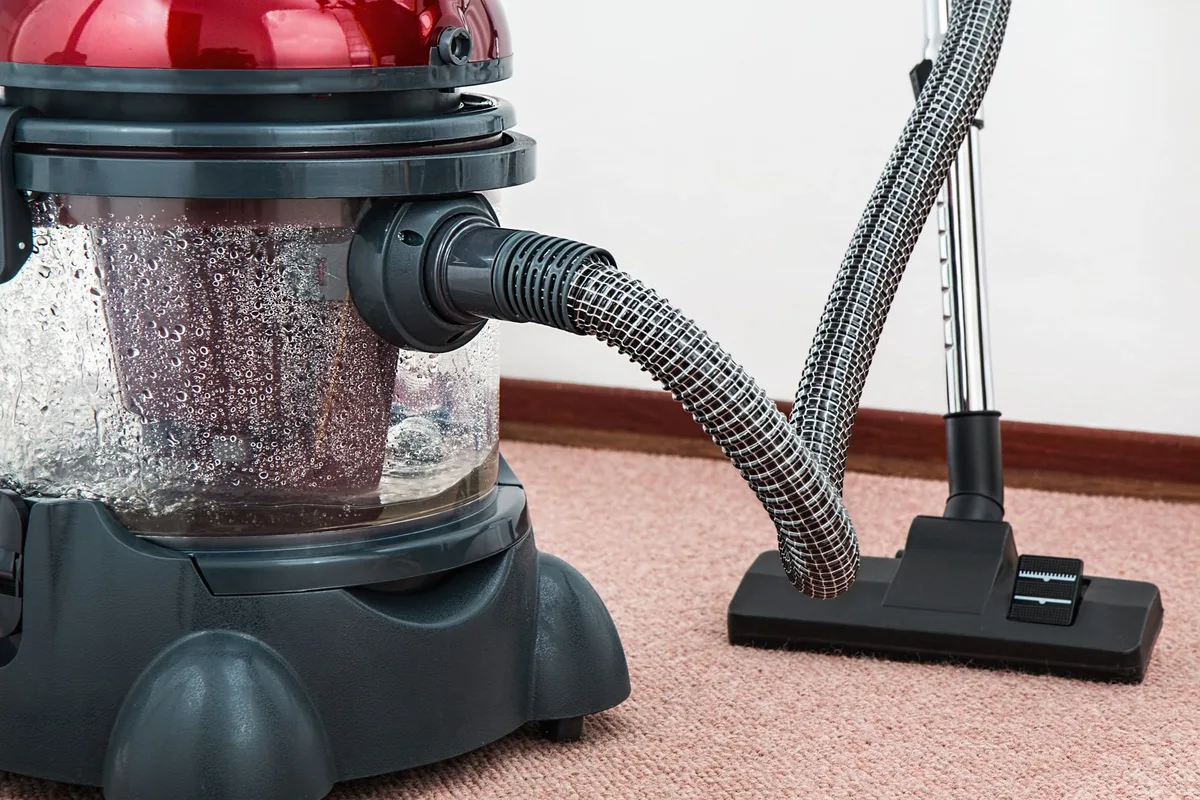
Suction power isn't just a number on a box; it's the core force that pulls dirt, dust, and debris from your floors and carpets into your vacuum cleaner's bin. When a vacuum cleaner motor spins, it creates a partial vacuum, which is an area of lower pressure. The air outside then rushes into this low-pressure area, carrying everything with it.
Think of it like trying to suck liquid through a straw. The harder you suck, the more liquid comes up. With a vacuum, the motor's strength dictates how strong that "suck" is. More powerful suction generally means it can lift heavier debris and pull out more embedded dirt, especially from carpets.
Key Suction Power Metrics: Pascals vs. Air Watts
When you're shopping for a vacuum, you'll likely see two main units of measurement for suction power: Pascals (Pa) and Air Watts (AW). While both measure force, they do so slightly differently, and it’s helpful to know what each one tells you.
Air Watts Explained
Air Watts (AW) are a measure of the vacuum cleaner's overall efficiency and power output. This metric takes into account both the airflow and the pressure generated by the motor. In essence, it's a more holistic measurement of how much work the vacuum can do.
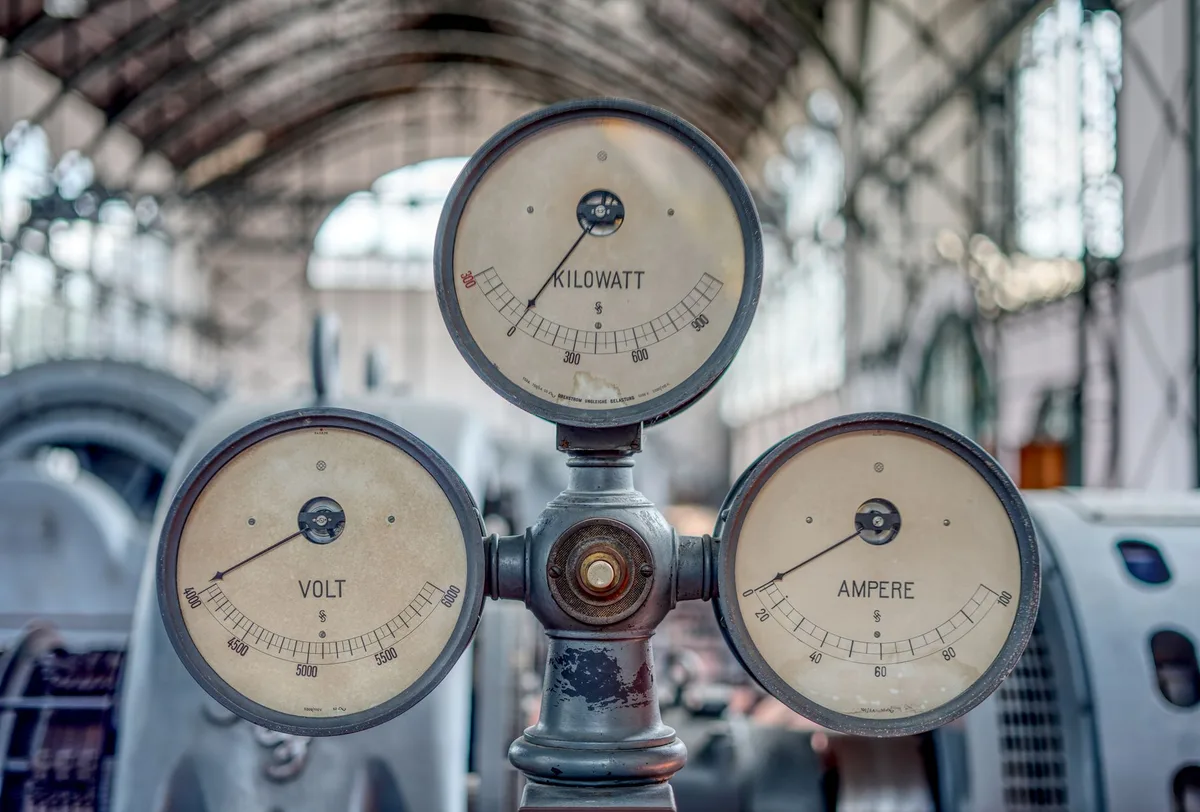
Manufacturer specifications often use Air Watts to give you a general idea of a vacuum's cleaning capability. A higher Air Watt rating usually indicates a more powerful machine that can handle tougher cleaning jobs, especially on carpets where lifting debris requires both airflow and pressure. For most residential vacuums, a rating between 100 AW and 150 AW is considered mid-range, with vacuums exceeding 150 AW often lauded for deep cleaning performance. As of 2026, this metric remains a key differentiator for high-end models.
Pascals Explained
Pascals (Pa) are a measurement of air pressure. In the context of vacuum cleaners, this unit typically tells you how strong the vacuum's suction is at the nozzle without accounting for airflow volume. It’s a direct measure of the force being applied to lift dirt.
You'll often see Pascals used in the specifications for European vacuum cleaner brands or for specific components within a vacuum. A higher Pascal rating means greater suction pressure. For example, a vacuum with 2,000 Pa has stronger direct suction force than one with 1,500 Pa. While Pascals give a good indication of raw pulling power, they don't tell the whole story about how effectively a vacuum will clean, as airflow plays a significant role in carrying larger debris.
Suction Power Levels at a Glance
Understanding the typical ranges for suction power can help you make a more informed decision. Different power levels are suited for different cleaning tasks and environments. Don't get too caught up in the exact numbers; think of these as general guidelines.
Low Suction (Under 100 Air Watts)
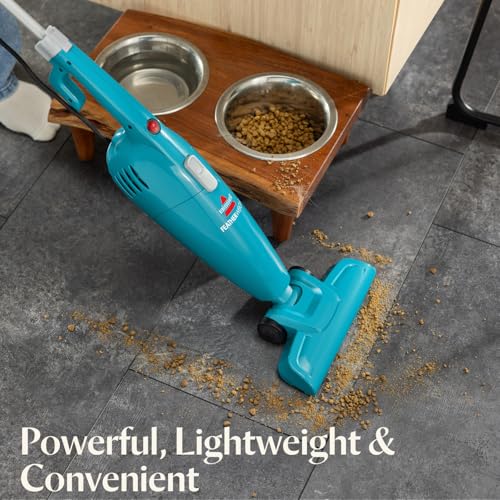
Vacuums that fall into the under 100 Air Watts category are generally best suited for light-duty cleaning. You'll often find this suction power in compact handheld vacuums, small stick vacuums, or some basic budget-friendly models. These are your go-to for quick spills like scattered cereal on the kitchen floor or dust bunnies on hard surfaces.
They're not designed for deep cleaning carpets or tackling deeply embedded pet hair. Their agility and lighter weight make them convenient for spot cleaning, but for more demanding jobs, you’ll need more power.
Medium Suction (100-150 Air Watts)
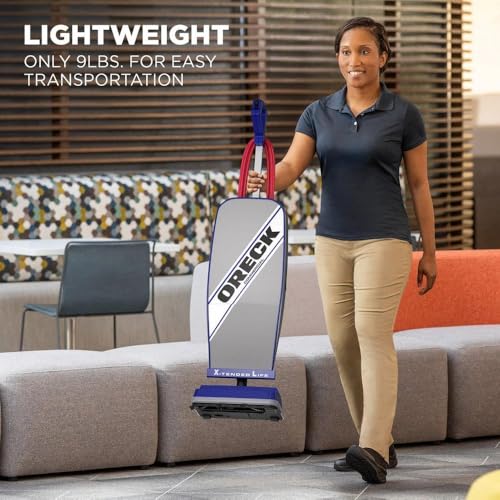
This is the sweet spot for many standard upright and canister vacuums designed for general household cleaning. Vacuums in the 100-150 Air Watts range offer a solid balance of power, making them effective on a variety of surfaces. They can handle most everyday dirt, dust, and moderate amounts of pet hair on low to medium-pile carpets.
If you have a mix of hard floors and carpets and a typical amount of household traffic (without multiple shedding pets), a vacuum in this range will likely serve you very well. They provide enough power to clean effectively without being overkill for lighter tasks.
High Suction (150+ Air Watts)
When you see suction power ratings of 150 Air Watts or more, you're looking at machines built for serious cleaning. These vacuums are engineered for maximum performance and are excellent for the toughest domestic cleaning challenges. They excel at deep cleaning carpets, effectively removing stubborn pet hair that’s worked its way into the fibers, and tackling fine dust and allergens in various surfaces.
If your home features extensive carpeting, multiple pets that shed heavily, or if you're particularly sensitive to dust and allergens, investing in a vacuum with high suction power is often a wise choice. These models typically come with robust motors and advanced airflow systems.
Matching Suction Power to Your Home
Now that you've got a handle on the metrics, let's talk about matching that suction power to the reality of your living space. What works brilliantly for one household might be overkill or underpowered for another. It really comes down to the surfaces you're dealing with and any specific challenges, like shedding pets.
Hard Floors & Tile Needs
For homes with predominantly hard floors like hardwood, laminate, tile, or vinyl, extreme suction power isn't usually the primary concern. The main goal here is to efficiently pick up surface debris like dust, crumbs, and pet hair without scattering it. A vacuum with good airflow and a soft brush roll (to avoid scratching) can be very effective.
You might even find that overly powerful suction on hard floors can sometimes be a problem, making the vacuum harder to push. Many vacuums offer adjustable suction settings, which is perfect for transitioning from carpet to hard surfaces. A mid-range suction level, perhaps around 100-120 Air Watts, is often more than enough, and sometimes less is more for maneuverability.
Carpet Cleaning Requirements
Carpet is where suction power truly shines, especially when it comes to deep cleaning. The fibers in carpets, whether short or long pile, tend to trap dirt, dust, and allergens deep within. Pulling this embedded debris out requires significant force.
Low-pile carpets can usually be managed with medium suction power (100-150 AW). However, high-pile carpets and thick rugs demand more robust performance. For these scenarios, vacuums with 150+ Air Watts are often recommended. The stronger suction works in tandem with the brush roll to agitate and lift out dirt that's settled deep in the fibers.
Pet Owner Considerations
If you share your home with furry companions, you know that pet hair can be a constant battle. Pet hair doesn't just sit on the surface; it weaves itself into carpet fibers and clings to upholstery. This makes strong suction power a critical factor for pet owners.
A vacuum with at least 120 Air Watts, and preferably 150+ AW, is often necessary to effectively remove embedded pet hair from carpets and area rugs. Specialized pet hair attachments and effective brush rolls also play a huge role. Look for models specifically designed to tackle pet messes, as they usually boast higher suction and features to prevent tangling.
Features That Boost Real-World Cleaning Power
While raw suction power is a big piece of the puzzle, it’s not the only thing that dictates how well a vacuum cleans. Several other design elements and features work together to ensure all that pulling power translates into a cleaner home. Understanding these can help you appreciate the overall performance of a vacuum beyond just its motor's rating.
- Brush Roll Design: For carpets, the brush roll is crucial. A well-designed brush agitates carpet fibers, loosening dirt and hair so the suction can lift it. Some vacuums feature multi-surface brush rolls that can adapt to different floor types.
- Sealing: A vacuum cleaner's ability to seal in the air is surprisingly important. If there are leaks in the hose, casing, or where the floorhead meets the surface, suction power is lost before it even reaches the dirt. A good seal ensures maximum efficiency.
- Filtration System: High-efficiency particulate air (HEPA) filters, for example, are designed to trap tiny particles like dust mites, pollen, and pet dander. While not directly related to suction strength, a good filtration system ensures that the air going back into your room is clean, and it often works in tandem with effective dirt collection.
- Hose and Wand Design: Long, flexible hoses and lightweight wand extensions allow you to easily reach under furniture and into corners. While these don't add suction, they make it much easier to apply the available suction where it's needed most.
Mistakes to Avoid When Choosing Suction Power
When you're trying to figure out what is the best suction power for a vacuum cleaner, it's easy to fall into a few common traps. Being aware of these pitfalls can save you from making a purchase you might regret. Most of these come down to focusing too much on a single spec or overlooking how different factors interact.
- Only looking at Air Watts or Pascals: As we've discussed, these are important, but they are just two pieces of the puzzle. A vacuum with slightly lower Air Watts but a superior brush roll and seal might outperform a "stronger" one with a less effective design on certain surfaces.
- Ignoring your specific needs: Buying a super high-power vacuum because you think "more is always better" can be a mistake if you mostly have hard floors. It might be pricier, heavier, and harder to maneuver than necessary, and potentially even blow lighter debris around. Conversely, underestimating the power needed for thick carpets or heavy pet hair will lead to frustration.
- Assuming all metrics are equal: Manufacturers can measure Air Watts and Pascals differently. Some might provide peak power, others sustained power. It's hard to make direct comparisons between brands based solely on these numbers without understanding their testing methodology. Look for third-party testing or reviews that offer comparative data.
- Forgetting about airflow: Suction pressure is vital, but the volume of air moving through the vacuum (airflow) is equally important for carrying debris into the bin. Sometimes a vacuum might have high pressure but low airflow, or vice-versa, impacting its overall effectiveness.
Expert Tips for Picking the Right Vacuum Suction
To wrap things up and help you make the best choice, here are some practical tips based on how vacuums work and what users report:
- Prioritize based on flooring: If 80% of your home is carpet, especially high-pile, lean towards vacuums advertised with 150+ Air Watts. If you're mostly hard floors, a unit in the 100-120 Air Watts range with good maneuverability might be ideal.
- Pet hair means more power: For homes with shedding pets, don't shy away from high-suction models. Look for features specifically designed for pet hair removal, like tangle-free brush rolls or specialized attachments.
- Read user reviews critically: Pay attention to what people with similar homes and cleaning challenges say. Do they mention effective pet hair removal? Does it struggle on their plush carpets? This real-world feedback is invaluable.
- Consider adjustable settings: Vacuums that allow you to adjust suction power offer the most versatility. This lets you dial in the right amount of force for different surfaces and cleaning tasks, maximizing efficiency and ease of use.
- Don't discount brand reputation: While specs are helpful, established brands often have a track record for quality engineering and customer support. Researching specific models within reputable brands can provide peace of mind.