What Is a Wet and Dry Vacuum Cleaner (2026) — Worth Buying
What Makes a Wet and Dry Vacuum Different from a Regular One?
Ever faced a major spill, a whole pitcher of juice on the kitchen floor, or a burst pipe under the sink, and thought, "My regular vacuum definitely can't handle this"? That's where the versatile wet and dry vacuum cleaner steps in. It’s designed to tackle messes that would send a standard vacuum running for cover, making it a powerful tool for serious cleanups.
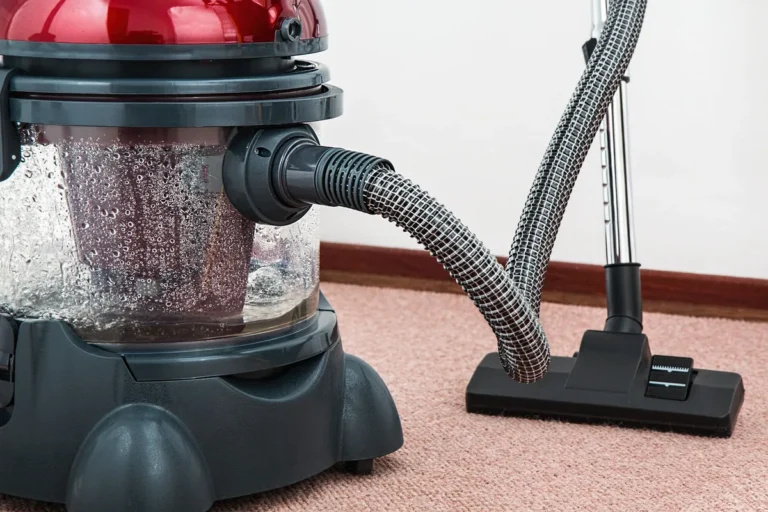
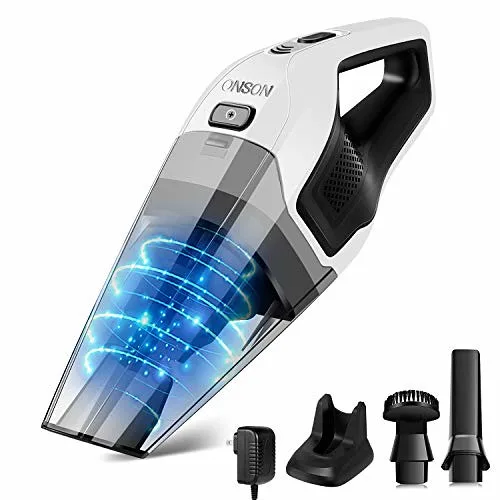
Our research indicates that understanding what is a wet and dry vacuum cleaner means recognizing its fundamental difference: it's built for both dry debris and liquids. Unlike household vacuums limited to dust and dirt, a wet/dry unit can suck up water, mud, and other sludges. Per manufacturer specifications, these machines often feature tanks capable of holding gallons of liquid, a stark contrast to the small dustbins of typical vacuums, and some models are designed to handle over 50 gallons of liquid cleanup.
How a Wet and Dry Vacuum Actually Works
At its core, a wet and dry vacuum is ingeniously engineered to manage the unique challenges of dealing with both dry debris and water. It's not just a stronger version of your everyday vacuum; it's a fundamentally different design.
Handling Liquids: The Science Behind It
The key to a wet and dry vacuum's liquid-handling capability lies in its internal construction. Standard vacuums have motors and filtration systems that are not designed to come into contact with water. Manufacturer specifications consistently highlight that attempting to vacuum liquids with a dry-only unit can lead to electrical shorts, motor damage, and a potentially hazardous situation.
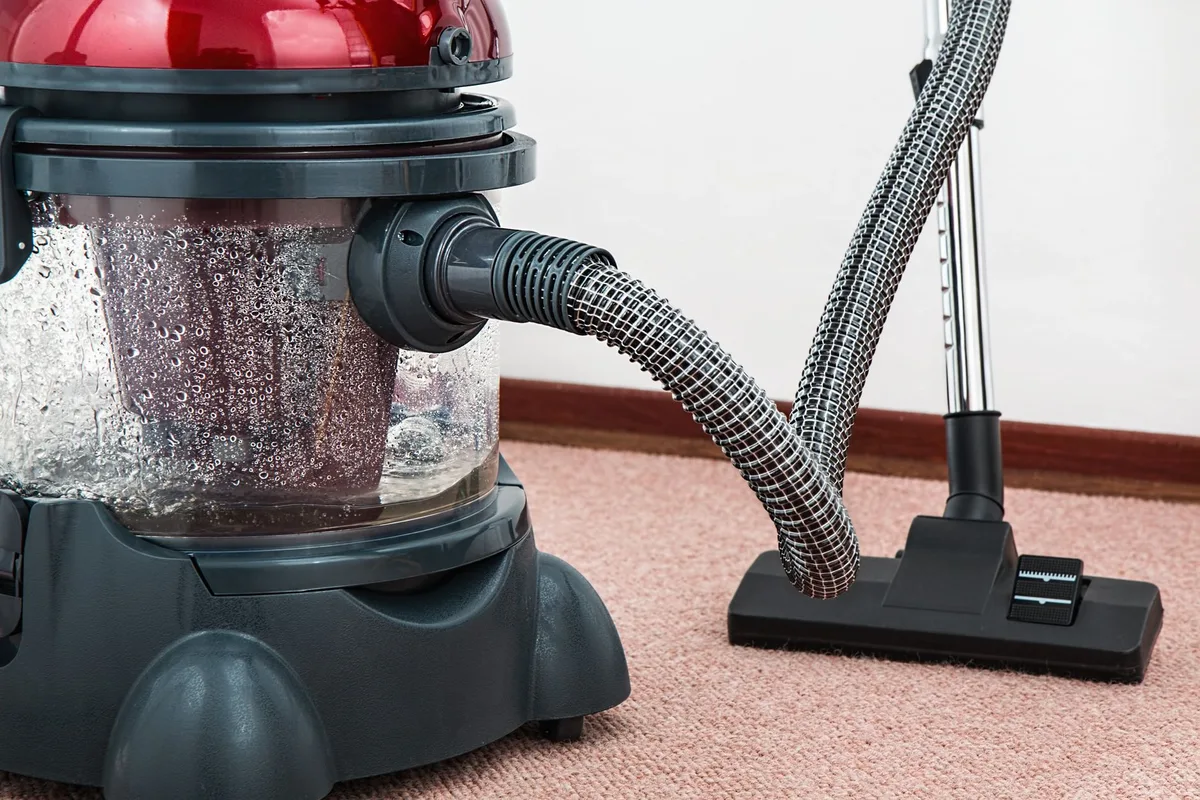
A wet and dry vacuum, however, incorporates a specialized tank system. This tank is typically made from durable plastic and is sealed to prevent leaks. Most importantly, it includes a float mechanism. When you're vacuuming up a significant amount of liquid, this float rises with the water level.
Once the water reaches a certain point, the float engages a shut-off mechanism that stops the suction, preventing the liquid from being drawn into the motor housing. This safety feature is crucial for the longevity of the machine and the safety of the user.
Collecting Dry Debris: Just Like Your Old Vac?
When used for dry debris, a wet and dry vacuum often functions much like a traditional vacuum cleaner. It uses suction to pull dust, dirt, pet hair, and other particulate matter from surfaces like floors, carpets, and upholstery. Most models offer different attachments and nozzles to adapt to various cleaning tasks, from crevice tools for tight spots to brush heads for carpets.
The primary difference in dry mode, compared to a standard vacuum, is that the collected dry material goes into the same tank that would hold liquids. This means that after a wet pickup, you'll need to thoroughly clean and dry the tank and any associated filters before returning to dry vacuuming, or vice versa, to prevent cross-contamination of debris and potential mold growth. Some higher-end models may offer separate dry filters or bags that can be used to keep dry material contained and away from the main tank during dry-only operations.
The Everyday Uses for a Wet and Dry Vacuum
The utility of a wet and dry vacuum extends far beyond just emergency spill cleanup. It's a workhorse for numerous tasks that a standard household vacuum simply can’t handle, making it a valuable addition to many homes and workshops.
Kitchen Catastrophes and Auto Awesomeness
Let's start with the kitchen. We've all had those moments: a dropped carton of milk, a spilled pot of soup, or a toddler's enthusiastic attempt at emptying a drink. Instead of reaching for paper towels that just smear the mess, a wet and dry vacuum can quickly and efficiently suck up the liquid, leaving the floor virtually dry. Aggregate user reviews consistently point to this spill-handling capability as a primary reason for purchase.
Beyond the kitchen, these vacuums are fantastic for car interiors. Muddy footprints from a rainy day, spilled coffee on the seats, or general road grime, a wet and dry vacuum can tackle it all. You can use it to suck up loose dirt and then, if needed, to clean up damp upholstery stains.
Garage Grit and Basement Bumps
If you spend any time in a garage or workshop, you know it accumulates different kinds of messes. Sawdust, metal shavings, spilled oil, or general debris are par for the course. A wet and dry vacuum is built tough enough to handle these abrasive materials without breaking a sweat. Many models boast powerful suction capable of picking up even heavy items.
Basements and garages are also prime spots for minor water accumulation. Leaky pipes, condensation, or small overflows can create damp areas. A wet and dry vacuum is the ideal tool for quickly removing this standing water, helping to prevent mold and mildew growth and saving your belongings from water damage. For minor flood situations, its ability to move a significant volume of water quickly can be invaluable.
When a Wet and Dry Vacuum Isn't Your Best Bet
While incredibly versatile, a wet and dry vacuum isn't always the top choice for every single cleaning scenario. Sometimes, a more specialized tool will do a better job, or at least, a more convenient one.
Limitations for Carpet and Fine Dust
Our editorial analysis of user feedback suggests that while many wet and dry vacuums can pick up dry debris from carpets, they may not offer the same deep-cleaning performance as a dedicated upright or canister vacuum specifically designed for carpet. The suction in a wet/dry unit is often dispersed across a larger tank, meaning it might not agitate and lift fine dust particles from deep within carpet fibers as effectively. For homes with extensive carpeting where pristine cleanliness is the goal, a separate carpet-specific vacuum might still be necessary.
Common Wet and Dry Vacuum Hiccups to Avoid
Even with a powerful tool like a wet and dry vacuum, making a few common mistakes can turn a simple cleanup into a frustrating experience. Being aware of these pitfalls can save you time and preserve the life of your machine.
One big no-no is trying to vacuum large, solid objects that aren't debris. Think rocks, bolts that are too large to fit through the hose, or significant chunks of material. These can easily clog the hose or intake, potentially damaging the fan or motor. Always look at the mess first and determine if it’s suitable for vacuuming.
Another frequent oversight involves filters. If you've just finished sucking up a large liquid spill, you must clean and thoroughly dry the tank and any filters before switching back to vacuuming dry dust and debris. Leaving a wet filter in place can lead to mold and mildew growth, which then gets dispersed into the air when you vacuum dry materials. This can cause unpleasant odors and compromise air quality.
Manufacturer documentation for most models stresses the importance of filter maintenance and cleaning protocols.
Wet and Dry Vac Maintenance: Keeping It Running Smoothly
Keeping your wet and dry vacuum in top shape is pretty straightforward, but it does require a bit more attention than a standard dry vacuum. The key is to treat it well, especially after it’s tackled liquid messes.
Post-Liquid Cleanup Protocol
After every significant liquid pickup, the most crucial step is to empty the tank completely. Most units have a simple drain plug or a sealable lid that allows for easy pouring. Once emptied, take a moment to wipe down the inside of the tank with a clean cloth or paper towels. This helps remove any residue and prevents lingering odors.
If your vacuum has a detachable filter for wet use, rinse it under cool water and let it air dry fully before storing or reassembling.
Dry Use Best Practices
Even when you're just vacuuming dry debris, it's good practice to give the tank a quick wipe down periodically. For dry tasks, ensure you're using the appropriate filter. If your vacuum came with a disposable filter bag for dry debris, using it will keep the main tank cleaner and simplify the post-job cleanup. Regularly check and clean or replace the filter according to the manufacturer's recommendations, as a clogged filter dramatically reduces suction power.
Hose and Accessory Care
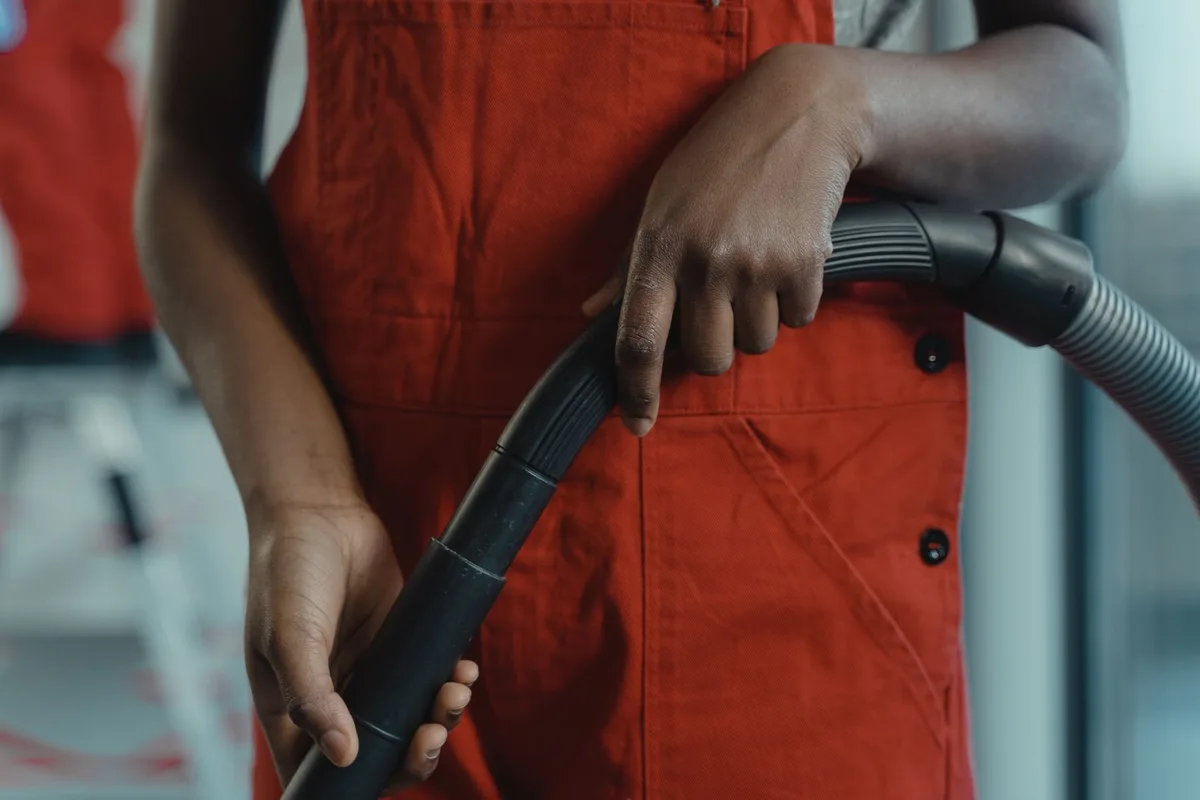
Don't forget the accessories! Hoses can become clogged with larger debris, so periodically check them by looking through them or by detaching them and running a gloved hand through them to feel for obstructions. Keep nozzles and brushes clean; dust and hair can build up, reducing their effectiveness. A quick rinse and air dry is usually sufficient for most attachments after use.
Adhering to these simple maintenance routines, as often detailed in manufacturer guides, ensures your wet and dry vacuum remains a reliable cleaning partner for years to come.
The Verdict: Is a Wet and Dry Vacuum Worth It for You?
Deciding whether a wet and dry vacuum warrants a spot in your cleaning arsenal really boils down to your living situation and what kind of messes you encounter most often. If you have a history of unexpected spills, from the kitchen to the car, or if you’re actively involved in DIY projects where dust and drips are common, then this tool offers unparalleled convenience and protection. It’s an investment in peace of mind for those "oh no" moments that can quickly become simple "okay, we got this" situations.
For households that are largely spill-free and maintain a fairly tidy environment, a standard vacuum might suffice. However, for many, the ability to handle both liquid and dry cleanup with a single, robust machine makes the wet and dry vacuum a practical and valuable asset. As of 2026, the technology is well-established, offering reliable performance for a wide range of demanding tasks. Ultimately, its worth is measured in the hassle it saves and the potential damage it prevents.